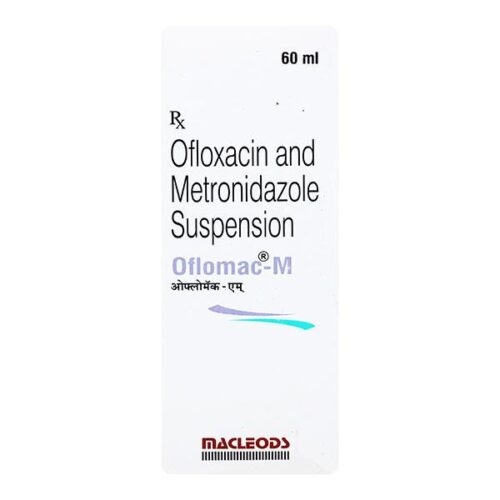
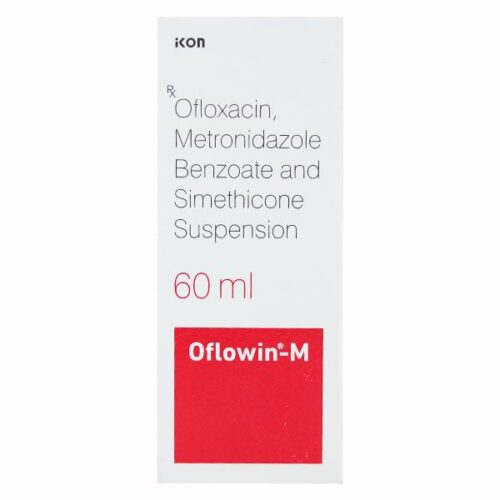
Ofloxacin
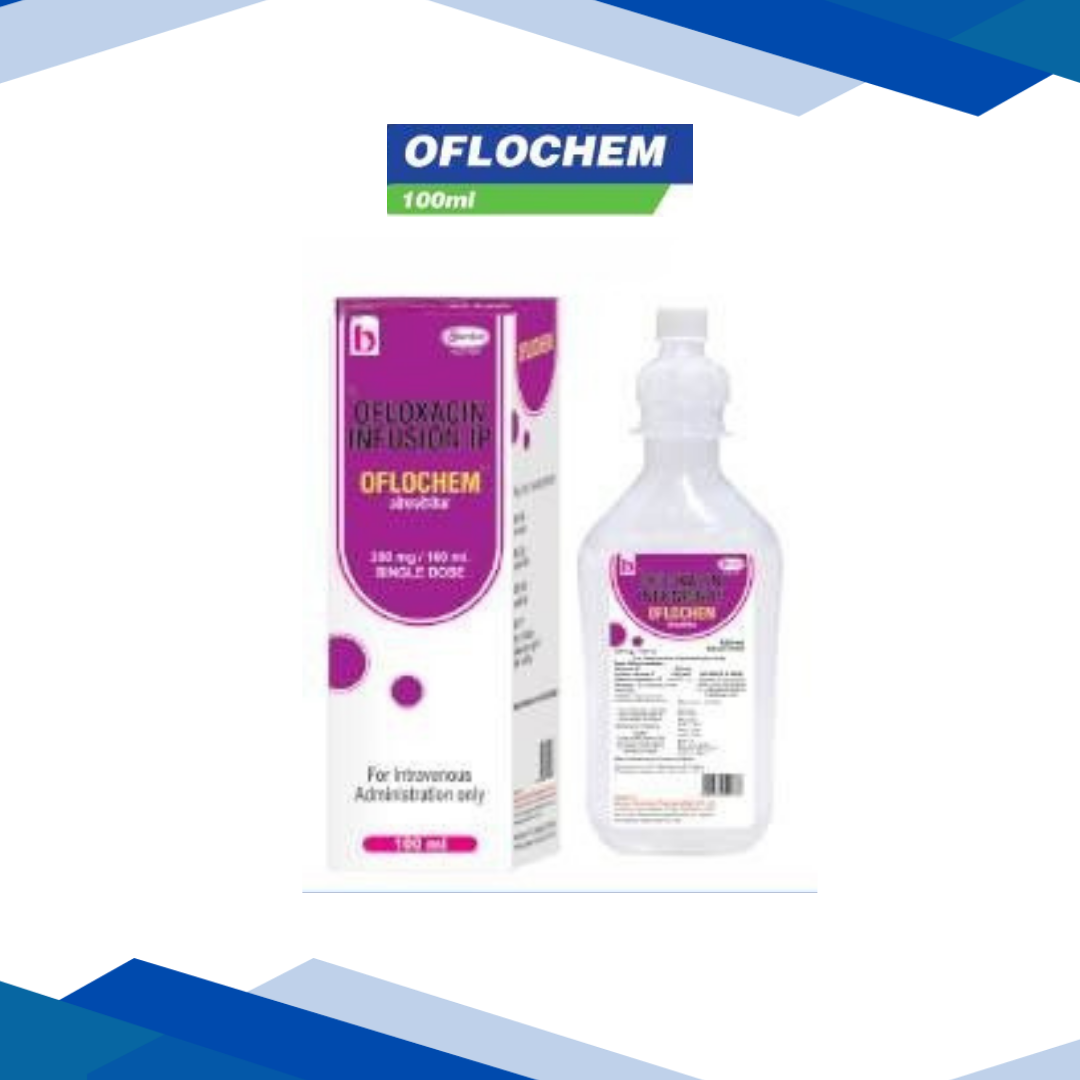
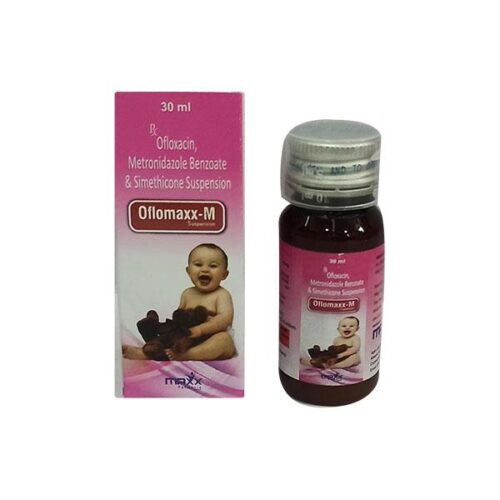
OFLOXACIN
OVERVIEW
Ofloxacin is used in the treatment of bacterial infections. It is also used in infections of urinary tract, gastrointestinal tract, female genital organ, skin & soft tissues and lungs (pneumonia).
CLASSIFICATION:
Ofloxacin is an antimicrobial drug in the fluoroquinolone family
USES:
Ofloxacin is a broad-spectrum antibacterial agent with activity against both gram-negative and gram-positive organisms, used for the treatment of bacterial infections such as pneumonia, pyelonephritis, skin and soft tissue infections, and urinary tract infections.
HOW IT WORKS
Ofloxacin acts on DNA gyrase and toposiomerase IV, enzymes which, like human topoisomerase, prevents the excessive supercoiling of DNA during replication or transcription. By inhibiting their function, the drug thereby inhibits normal cell division.
DOSAGE
As directed by the physician
PRECAUTIONS
You should be cautious in the following conditions if you are prescribed Ofloxacin:
Allergic to the medicine or other quinolone/fluoroquinolone antibiotics like Ciprofloxacin, Gemifloxacin, Levofloxacin, etc.
Taking any other medications, vitamins, nutritional supplements, or herbal products.
Taking blood thinners like warfarin, antidepressants, antipsychotics, insulin, and other medicines to treat diabetes like glimepiride, chlorpropamide, tolazamide, etc., and anti-inflammatory drugs like ibuprofen
Taking antacids, supplements, and multivitamins with iron and zinc, then take ofloxacin 2 hours before or 2 hours after taking these medicines.
Medical history of heart diseases or prolonged QT intervals
Pregnancy, breastfeeding, or planning to get pregnant
History of diabetes, hypoglycaemia (low blood sugar) or liver disease
SIDE EFFECTS
The side effects of ofloxacin are:
Fever
Fatigue
Nausea
Constipation
Vomiting
Pale skin
Mouth dryness
Watery stools and maybe blood
Stomach cramps for months, even after the treatment is complete
Itching and rashes
Swelling or yellowing of the eyes and face
Breathing or swallowing trouble
Fluttering heartbeat
Frequent urination and sweating
Constantly feeling hungry or thirsty
If you find any of these symptoms, you should immediately consult your doctor.
Disclaimer
This content is for informational purposes only. Always consult a healthcare provider for medical advice and proper dosage
Sodium Chloride
SODIUM CHLORIDE
Overview
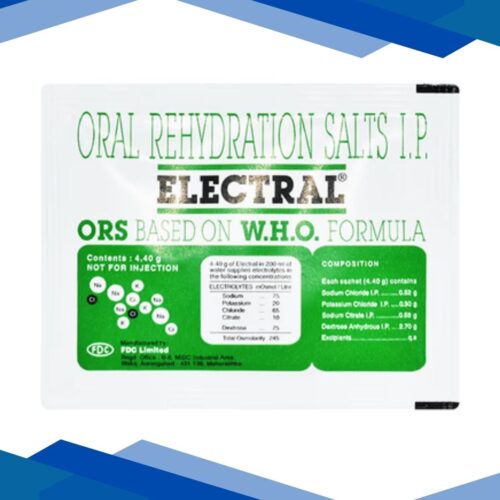
Sodium chloride is simply salt — the same kind found in food. In medicine, it’s used to replace lost fluids and salts in the body. It helps keep the balance of water and minerals in your body.
Classification
Sodium chloride is a type of electrolyte (a mineral that helps your body stay hydrated and your cells work properly). It’s often found in IV fluids, saline solutions, and oral rehydration products.
Uses
To treat dehydration (loss of water and salt)
To restore fluid balance in the body during illness, surgery, or after sweating too much
Used in IV drips, nasal sprays, eye drops, and wound cleaning solutions
Helps in making other medicines and in lab tests
How It Works
Sodium chloride works by replacing salt and water your body has lost. It helps your muscles, nerves, and organs work properly by keeping the right fluid balance in your blood and tissues.
Dosage
As prescribed by your doctor.
Side effects
Thirst – You may feel more thirsty than usual.
Dry Mouth – A feeling of dryness in the mouth or throat.
Stomach Upset – Mild stomach pain, gas, or bloating.
Nausea – Feeling like you might vomit.
Swelling (Edema) – Puffiness in the hands, feet, or ankles due to water retention.
High Blood Pressure – Extra sodium in the body can raise blood pressure.
Breathing Problems – If too much fluid builds up in the lungs.
Muscle Twitching or Weakness – Due to salt imbalance.
Confusion or Seizures – In extreme cases of very high sodium levels (hypernatremia).
Precautions
Kidney or Heart Issues: If you have kidney problems or heart conditions like heart failure, too much sodium can make things worse by causing water retention (extra fluid in the body).
High Blood Pressure: Salt (sodium) can raise your blood pressure. If you already have high BP, be cautious with how much sodium chloride you use.
Salt-Sensitive People: Some people’s bodies react more strongly to salt. They may need smaller amounts.
During Pregnancy or Breastfeeding: Usually safe, but always check with your doctor before using high amounts.
Other Health Conditions: If you have liver problems, swelling (edema), or are on a low-salt diet, take sodium chloride only as advised by your healthcare provider.
Disclaimer
This content is for informational purposes only. Always consult a healthcare provider for medical advice and proper dosage