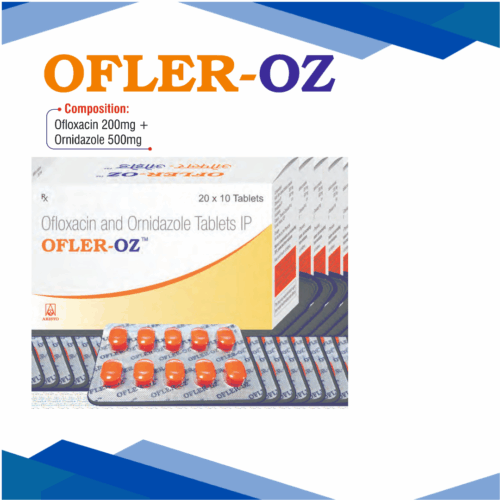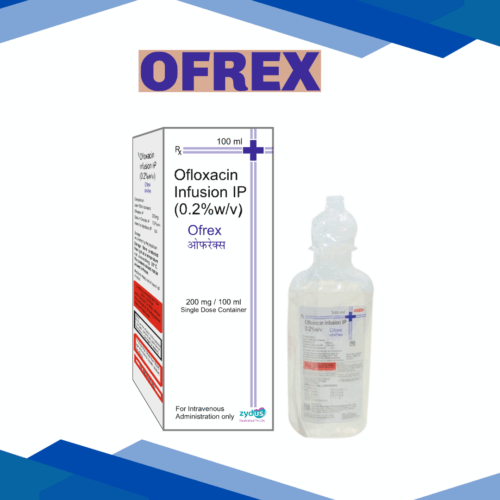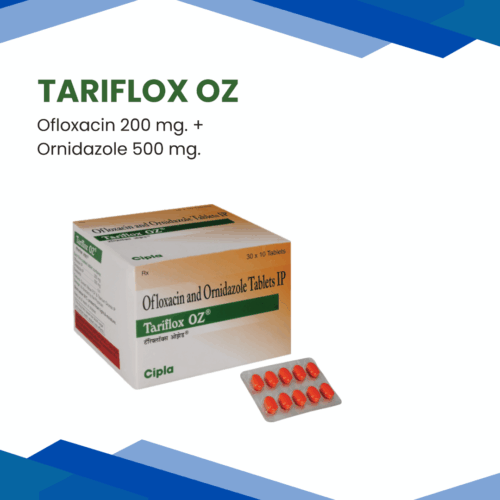








Oflokem OZ
No Prescription yet? Don’t worry! Click Here to Get Online Consultation
Oflokem OZ Tablet is used to treat bacterial infections of the urinary tract, bacterial infections due to inflammation of the peritoneum, eye and ear infections, skin and soft tissue infections, sexually transmitted infections, respiratory infections, vaginal infections, protozoan infections, intra-abdominal infections. For more details kindly click on Medicine Salts below:
Ofloxacin
Ofloxina: High-Potency Fluoroquinolone Antibiotic Ofloxin is a versatile broad-spectrum antibiotic from the fluoroquinolone family proficient at treating most bacterial infections. The antibiotic directly interferes with the process of DNA replication in the bacteria and stops them from multiplying and spreading, allowing the body's natural defenses to efficaciously eradicate the infection. Some Common Treated Conditions Respiratory Tract Infections: Acute exacerbations of chronic bronchitis and Community Acquired Pneumonia are effectively managed. Urinary Tract Infections (UTI): Both complicated and uncomplicated infections are treated's. Bladder and Kidneys. Skin & Soft Tissue Infections: For the treatment of bacterial cellulitis and infected wounds. Pelvic Inflammatory Disease (PID): Ofloxacin is often used with other drugs for the treatment of infections within the female reproductive system. Prostatitis: It is the first-line therapy for bacterial inflammation of the prostate because of its abundant cell penetration and low cytochrome P450 inhibition levels. Mechanism of Action Specifically, it acts by inhibiting two bacterial enzymes: DNA gyrase and topoisomerase IV, required to repair and replicate bacterial DNA, making it bactericidal against the microorganisms and not merely suppressing them. Leaky Safety and Efficacy Standards Drink lots of water: Stay hydrated while taking Ofloxacin to avoid crystal formation in the urine (crystalluria). Time your medication after the antacids: Do not take any antacid or iron supplements or multivitamins containing zinc within 2 hours of having Ofloxacin as they interfere with its absorption skin sensitivity to sun: Your skin tends to be a bit more sensitive than usual when exposed to UV rays after taking Ofloxacin. Wear sunscreen and protective clothing to avoid photosensitization. Finish the bottle: Even if your symptoms disappear after 48 hours, you must finish the course of treatment to ensure that supdeff bacteria do not develop. Ofloxacin: Frequently Asked Questions (FAQ) Q. Can I take Ofloxacin for my flu or cold? A: No. Ofloxacin is strictly meant for bacterial infection not viral infection causing cold, flu, or most of the sore throats. Q. Can I take Ofloxacin if I am pregnant? A: Ofloxacin is not recommended during pregnancy or breastfeeding unless the benefits clearly outweigh the risks. It is known to affect cartilage formation and may affect growing fetuses and infants. You should discuss this with your ob-gyn. Q: What should I do if I have joint pain? A: Admittedly, taking Ofloxacin or other fluoroquinolones is associated with an almost negligible risk of having tendonitis. If you happen to feel joint pain, any kind of swelling, or inflammation in your joints, especially the Achilles tendon, discontinue the medication, and call a doctor immediately. Can I drive after using Ofloxacin? A: Some patients report dizziness or light-headedness. It is advisable to ascertain how you react to the medicine for a couple of doses before attempting to drive or operate heavy machinery. Can I eat whatever I want while taking Ofloxacin? A: There are no current dietary restrictions, says a general pharmacist. Take it with food or on an empty stomach. However, it is not advisable to take it with dairy products like milk or yogurt. Food supplements for calcium can interfere with absorption. Safety and Side Effect Overview NameIncidenceYour HealthOfficial Recommendation Nausea/DiarrheaCommonIt could be remedied with eating simpler or just non-dairy after taking the medicine. Insomnia/HeadacheOccasionalThe incidence is not major; yet, the patient should unquestionably inform her healthcare provider if it becomes persistent. Severe Skin RashRareIt would be critical to attend the health care center, since this might imply an anaphylactic episode. Muscle WeaknessRareConsult the healthcare provider, particularly if the patient has Myasthenia Gravis. Patient Care Checklist Storage: Keep the tablets in a cool and dry place protected from sunlight and out of the reach of children. Do Tell of All AllergiesPractitioners who have particular patient allergies should consult about allergic reactions to Ciprofloxacin or Levofloxacin. Follow-up care: If the signs of infection do not improve in 3 days, a follow-up consultation is advised.
Orindazole
Ornidazole 500 mg Oral Tablets (Rexmed) Ornidazole is a very powerful antimicrobial agent from the family of nitro-imidazole, widely used to treat infections caused by anaerobic bacteria and protozoa. It is standard therapy for treating infections of the gastrointestinal tract, liver abscess, and certain genital tract infections. Its major mode of action is interference with the DNA of the infecting organism, thereby preventing infection growth.
Main Indications for Use: Amoebiasis: Effective treatment for Entamoeba histolytica infections in the intestine and liver. Giardiasis: Treats waterborne infections caused by Giardia duodenalis, leading to diarrhea and cramps. Trichomoniasis: Reduces infections caused by Trichomonas species in the urogenital tract in both men and women. Post-Operative Prophylaxis: Prescribed in abdominal or gynecological surgeries to prevent anaerobic bacterial infections.
How to Use Ornidazole Administration: Swallow the tablet whole with a full glass of water. Do not crush or chew, as it has a bitter taste and may irritate the mouth. With Food: It is recommended to take Ornidazole with meals to reduce nausea or gastric discomfort. Complete the Course: Always finish the full prescribed course, even if symptoms improve early, to prevent relapse or antibiotic resistance.
Safety Precautions Related to Ornidazole Alcohol Warning: Strictly avoid alcohol during treatment and for at least 48–72 hours after stopping. Combining alcohol with Ornidazole can cause a “disulfiram-like reaction” (severe nausea, flushing, palpitations). Neurological Concerns: Use with caution in patients with epilepsy or multiple sclerosis, as high doses may affect the central nervous system. Pregnancy/Lactation: Contraindicated in the first trimester of pregnancy. Consult your doctor (OB/GYN) if pregnant or breastfeeding.
Possible Side Effects Ornidazole is generally well-tolerated, but some patients may experience:
- Metallic taste
- Nausea or mild stomach upset
- Dizziness or sleepiness
- Loss of appetite
Frequently Asked Questions (FAQs) Q: Is Ornidazole an antibiotic? A: Yes, it is both an antibiotic and an antiprotozoal agent, effective against anaerobic bacteria and parasites. It does not treat viral infections like cold or flu. Q: How does Ornidazole differ from Metronidazole? A: Both belong to the same class, but Ornidazole has a longer half-life, allowing less frequent dosing and sometimes fewer metallic taste side effects. Q: Can I take Ornidazole for a tooth infection? A: It may be prescribed for dental infections caused by anaerobic bacteria, but do not self-medicate. Always consult a dentist. Q: What if I vomit after taking a dose? A: If vomiting occurs within 30 minutes, you may take another dose. If later, wait for the next scheduled dose. Persistent vomiting requires medical advice. Q: Can Ornidazole interact with blood thinners? A: Yes, it may enhance the effect of oral anticoagulants like Warfarin, increasing bleeding risk. Monitoring of clotting parameters (INR) is advised.
At Gem Pharmacy, we make every effort to provide accurate, expert-written, and thoroughly reviewed information related to medicines. However, this information should not be considered a substitute for professional medical advice, diagnosis, or treatment from a qualified doctor.
The purpose of this information is to educate users and improve communication between patients and healthcare professionals. It should not be used to diagnose or treat any condition.
Always consult a certified healthcare professional before taking any medication.


Related products