

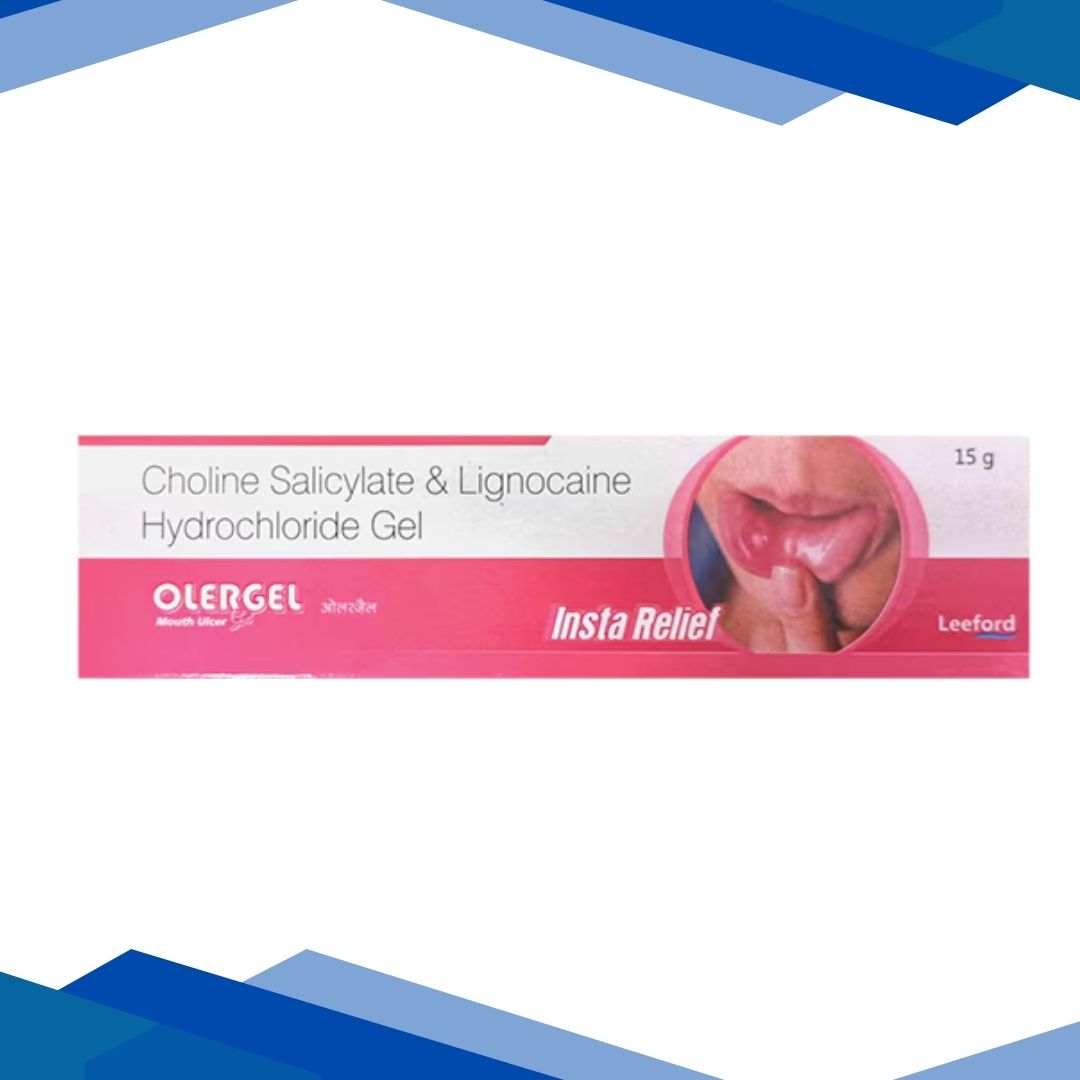
OLERGEL INSTA RELIEF Mouth Ulcer Gel 15g
Choline Salicylate
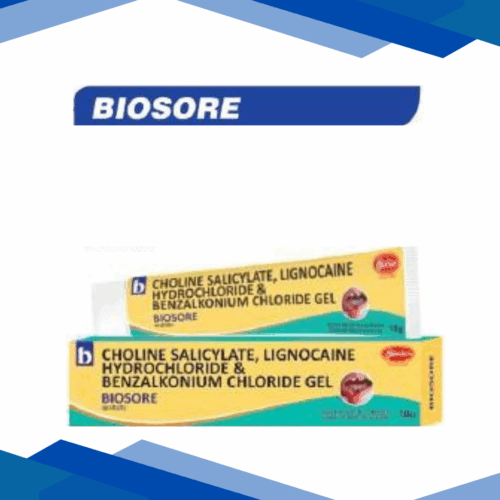
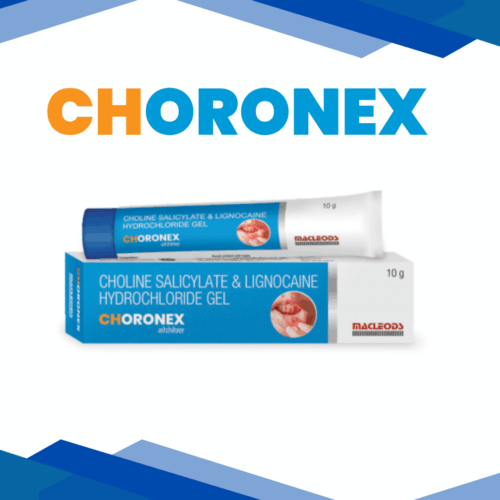
Why Choline Salicylate Oral Gel/Solutions Choline salicylate is a non-prescription analgesic and anti-inflammatory drug of the salicylate family. Unlike conventional acetylsalicylic acid (aspirin), it has high solubility, allowing faster absorption and quicker onset of action. It is commonly used to relieve pain and inflammation associated with mouth ulcers, teething, and irritation from dentures or braces. Indications Mouth Ulcer Management: Provides rapid relief from pain and swelling of aphthous ulcers Glossitis and Stomatitis: Reduces inflammation of tongue and oral mucosa Dentures & Braces: Relieves soreness caused by dental appliances Teething Pain: Helps ease gum sensitivity in infants Key OS Rapid Onset: Acts quickly upon contact with oral mucosa Double Action: Works as both analgesic and anti-inflammatory Nonalcoholic: Free from alcohol and sugars to avoid irritation Instructions for Proper Use For Adults: Apply a pea-sized amount using a clean finger or swab; up to 6 times daily at 3–4 hour intervals For Denture Irritation: Apply to gums and wait 30 minutes before reinserting denture For Infants (Teething): Use child-specific gel; apply thin layer inside cheek every 3 hours max Safety & Precaution Salicylate Sensitivity: Avoid if allergic to aspirin or salicylates Reye’s Syndrome: Consult doctor before use in children with viral illness Peptic Ulcer: Use cautiously in history of GI bleeding or ulcers Pregnancy: Seek medical advice, especially in last trimester Side Effects Temporary stinging or prickling Mild redness or irritation Rare hypersensitivity reactions Frequently Asked Questions (FAQs) Q: How long does pain relief last? Relief typically lasts 2–3 hours Q: Can I eat after applying gel? Wait 15–20 minutes before eating or drinking Q: Is it the same as Aspirin? Related, but more water-soluble and suitable for oral use Q: Can it treat toothache? Helps with gum pain, not deep tooth infections Q: Does it interact with other medicines? Minimal interaction, but consult doctor if on anticoagulants or NSAIDs
Lignocaine Hydrochloride
Lignocaine Hydrochloride (Topical & Injectable) Lignocaine Hydrochloride is a versatile local anesthetic used to cause a temporary loss of sensation in a specific area of the body. It works by blocking nerve signals that send pain messages to the brain. Whether used as a topical gel for minor skin irritations or as an injectable for minor surgical procedures, it is considered a gold standard for rapid-onset pain management.
Primary Therapeutic Uses Surface Anesthesia: Relieves pain from minor burns, insect bites, or skin abrasions. Medical Procedures: Used by professionals during catheter insertion, endoscopies, or dental work to minimize discomfort. Neuropathic Pain: Often applied topically to manage sharp, burning pain associated with post-herpetic neuralgia (shingles). Minor Surgeries: Provides localized numbness for stitches or small cyst removals.
Guidelines in Using Lignocaine Safely For Topical Gels or Creams: Apply a thin layer only to the affected area. Do not apply to large areas, as this may increase drug absorption and toxicity. Avoid Broken Skin: Unless specifically directed by a physician, do not apply to deep open wounds or severely blistered skin. Hand Hygiene: Wash hands immediately after application to prevent accidental contact with eyes or mouth. Skin Sensitivity Test: Apply a small patch test before first use to check for allergic sensitivity, especially with amide-type anesthetics.
Simple Precautions Alert: Do not use Lignocaine in children below 2 years of age for teething pain, as it may be harmful. Heart Conditions: Inform your doctor if you have a history of heart rhythm disorders, as it may affect cardiac conduction. Liver Function: Patients with liver impairment may require dose adjustments, since the drug is metabolized in the liver. Pregnancy: Consult a healthcare professional before use, although short-term topical use is generally considered safe.
Effects in General Although Lignocaine is usually well tolerated, some localized side effects may occur:
- Temporary redness or swelling at the application site
- A mild “pins and needles” sensation as numbness wears off
- Pale skin coloration where applied
- Rarely, mild dizziness or visual disturbances
Frequently Asked Questions (FAQs) Q: Should Lignocaine feel tasteless, begin to sting, or become less tender? A: A mild tingling or stinging sensation may occur initially, followed by numbness within a few minutes. Injectable forms act almost immediately.
Q: How long does numbness last? A: Typically, 30 minutes to 2 hours, depending on the dose and blood flow to the area.
Q: Can we use lignocaine for toothache at home? A: Use only products specifically labeled for oral/dental use. Avoid applying skin formulations inside the mouth.
Q: Are lignocaine and benzocaine the same drug? A: No. Both are local anesthetics, but Lignocaine is an amide, while Benzocaine is an ester. Some individuals may be allergic to one but not the other.
Q: Is this good before getting a tattoo? A: Lignocaine is sometimes used for tattoo pain relief, but consult your tattoo artist first, as it may affect skin texture and ink absorption.
At Gem Pharmacy, we make every effort to provide accurate, expert-written, and thoroughly reviewed information related to medicines. However, this information should not be considered a substitute for professional medical advice, diagnosis, or treatment from a qualified doctor.
The purpose of this information is to educate users and improve communication between patients and healthcare professionals. It should not be used to diagnose or treat any condition.
Always consult a certified healthcare professional before taking any medication.


Related products