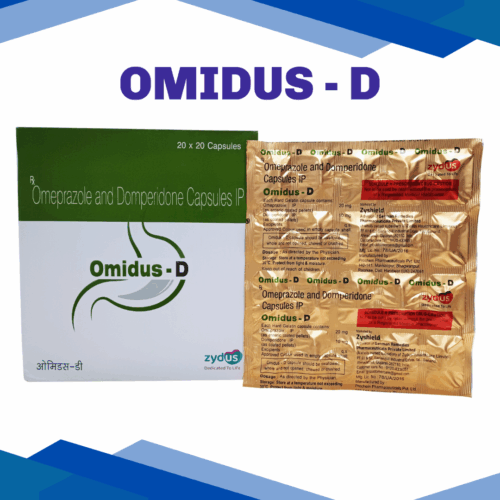




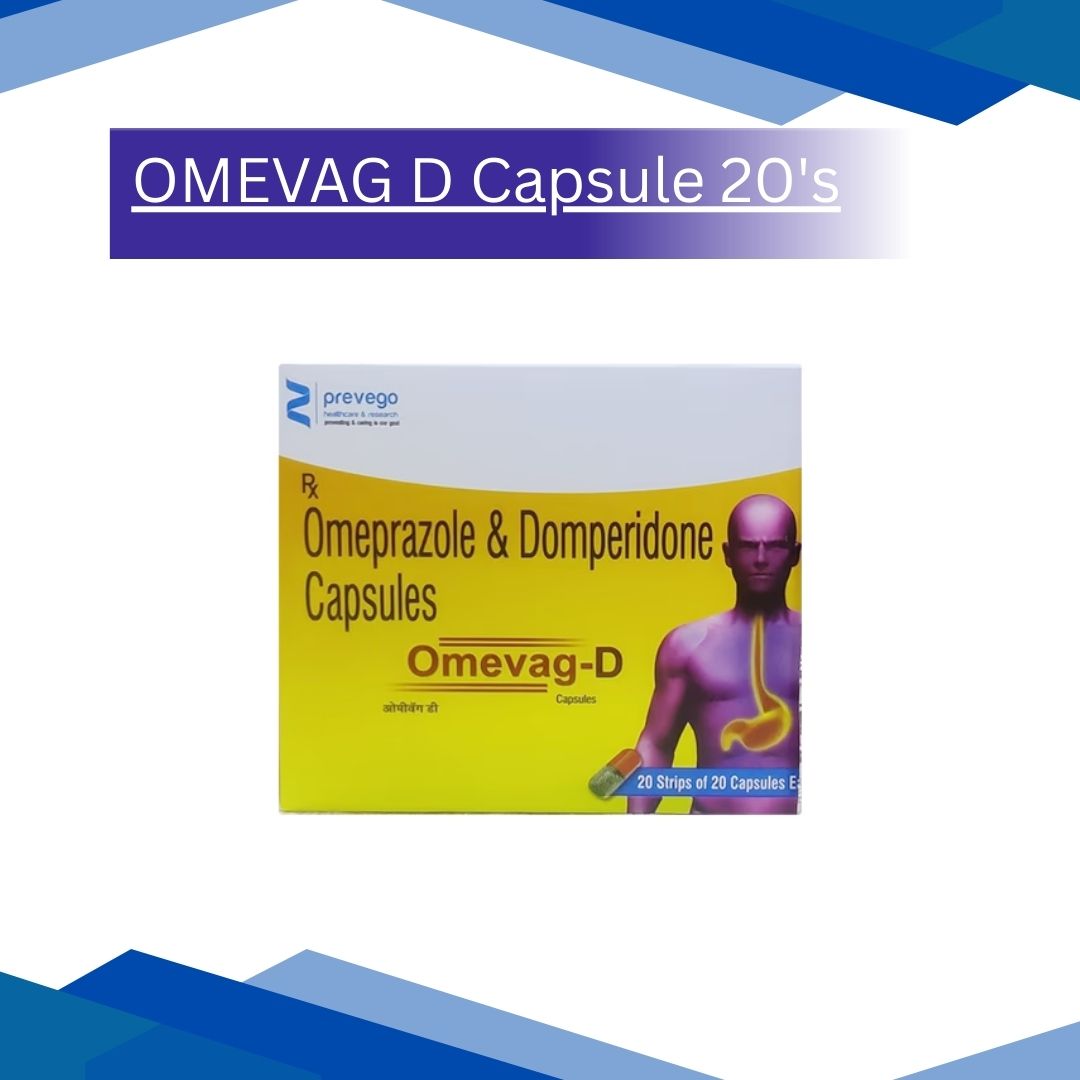
OMEVAG D Capsule 20’s
OMEVAG D CAPSULE is a combination of Domperidone and Omeprazole which belongs to the group of medicines called Prokinetic Drugs and Proton pump inhibitors respectively. It is used to manage peptic ulcers, gastroesophageal reflux disease (GERD) and Zollinger-Ellison syndrome (tumours in pancreas causing the stomach to secrete more acid).OMEVAG D CAPSULE is effective in managing peptic ulcer caused either due to stomach infection (H. pylori infection) or due to prolong use of non-steroidal anti-inflammatory drugs (such as ibuprofen, aceclofenac). OMEVAG D CAPSULEacts by reducing the production of gastric acid. It also speeds up the movement of food from the stomach to the intestines, thereby reducing the signs of nausea, vomiting and acid reflux.
Domperidone
Domperidone: The Elixir for Treating Nausea and Indigestion Domperidone is a well-known prokinetic and anti-emetic medication. It is commonly used for the relief of nausea, vomiting, and digestive discomfort caused by slow stomach emptying (gastroparesis). The medicine helps the stomach perform its natural function of churning and emptying food efficiently, which reduces symptoms such as fullness, bloating, and indigestion.
How Domperidone Works Domperidone works by blocking dopamine receptors in the upper digestive tract and the chemoreceptor trigger zone, the area responsible for triggering the vomiting reflex. This action helps to: Increase Peristalsis: Stimulates movement of the stomach muscles to improve digestion. Prevent Food Reflux: Helps ensure that food does not move back into the esophagus. Improve Gastric Emptying: Allows food to pass through the stomach more efficiently, aiding digestion and nutrient absorption.
Major Benefits and Uses Conditions | Advantage Nausea and Vomiting: Helps relieve queasiness and vomiting, especially associated with digestive disorders or gastroparesis. Abdominal Pain: Helps reduce upper abdominal discomfort, bloating, and early satiety. Gastroparesis: Useful for patients experiencing delayed stomach emptying, heaviness in the stomach, and prolonged fullness after meals.
Safety and Side Effects Domperidone is generally safe when used under medical supervision, but some individuals may experience mild side effects. Common Side Effects: Dry Mouth (Xerostomia) Headache, dizziness, or mild drowsiness Mild stomach cramps Safety Information: Long-term use or high doses may increase the risk of heart rhythm disturbances, particularly in people with pre-existing heart conditions. Medical supervision is therefore important.
Important Precautions Alcohol: Avoid alcohol, as it may increase side effects such as dizziness or drowsiness. Pregnancy and Breastfeeding: The medicine can pass into breast milk, so it should only be used under medical advice. Driving and Activities: Avoid driving or operating heavy machinery until you know how the medication affects you. Kidney and Liver Conditions: Patients with kidney or liver disease may require dose adjustments and careful monitoring by a doctor.
Frequently Asked Questions (FAQs) 1. How long does Domperidone take to start working? Relief usually begins within 30–60 minutes after taking the medication. It is commonly recommended to take it before meals for better effectiveness. 2. How long can Domperidone be used for acidity? It is usually recommended for short-term use (about 5–7 days). Chronic acid reflux or GERD may require combination treatment with proton pump inhibitors (PPIs) such as Omeprazole or Pantoprazole. 3. Can Domperidone cause weight gain? Weight gain is not common, but in some cases the medication may increase appetite, which could indirectly contribute to weight changes. 4. Why should it be taken before food? Taking the medication 15–30 minutes before meals allows it to start working before food reaches the stomach, improving digestion and gastric emptying. 5. Is Domperidone safe for heart patients? It should be used with caution in patients with heart disease, especially those with long QT syndrome, heart failure, or electrolyte imbalances. A doctor’s supervision is recommended.
Omeprazole
Omeprazole 20mg Capsule Omeprazole is classified under a class of medications known as Proton Pump Inhibitors (PPIs) and is generally indicated for the reduction of acid production in the stomach. At the same time, it is the number one therapy reccomended for heartburn/Gastroesophageal-reflux disease (GERD), stomach ulcers, and "Zollinger-Ellison syndrome". The abridged action of Omeprazole on stomach acidity allows for a chance for the esophagus and stomach lining to heal from irritation or erosions. Therapeutic Uses Acid Reflux & GERD: It provides relief from persistent heartburn and prevents damage to food pipe (esophagus). Peptic Ulcers: It aids in the treatment of gastric and duodenal ulcers and inhibits their recurrence. H. pylori Eradication: Its use is often linked with antibiotics in eradication therapy to cure stomach infections due to Helicobacter pylori. Zollinger-Ellison Syndrome: Introduced only in extremely rare circumstances in which the stomach produces an exaggerated amount of acid. NSAID-induced Ulcers: Prevents erosion to the body lining of the stomach in patients taking NSAIDs for pain. Mechanism of Action Omeprazole targets specifically and binds to the $H^+/K^+$-ATPase enzyme (commonly known as the "proton pump") localizing itself to parietal cells of the stomach lining. This is the final step in acid secretion. However, this mechanism provides extended inhibition of acid secretion when compared to standard antacids. How to Take Omeprazole Timing: To get the maximum benefit, you should swallow the capsule least 30–60 minutes before the meal, preferably in the morning. Method: Swallow the capsule whole with some water. Do not chew or crush the pills or sprinkle their content; this obliterates the tablet's soft, delaying action. Consistency: Stick to the medicine for as long as your doctor has advised without discontinuation even if you find improvement at an early stage of treatment. Side Effects Most people find Omeprazole quite safe. Still, some side effects could come up: Headache Abdominal pain or gas Nausea or vomiting Diarrhea or constipation Dizziness Call your physician right away if you have severe watery diarrhea, persistent joint pain, or show any sign of low magnesium (e.g., muscle spasm, irregular heartbeat) with prolonged use. Precautions and Warnings Long-term Use: There are reports of increased susceptibility to osteoporosis with extended use (over 1 year), with calcium and vitamin B12 supplements possibly being incorporated by the physician. Kidney Health: Please inform your health care provider if you have kidney problems. Pregnancy & Breast-feeding: If need be, consult with your doctor. While it had been considered safe, omeprazole use should be limited to those situations that are clearly necessary. Drug Interactions: Omeprazole can often interfere with the drainage of some other drugs. Inform your doctor whether you are using this drug and suggest Clopidogrel, Digoxin, or certain antifungals. Frequently Asked Questions Q: How long does Omeprazole take to start working? While you may get some relief inside 1 to 4 hours, dosing over 2 or 3 days nearly conforms with the full effect of acid suppression. It is not intended for immediate relief of occasional heartburn. Q: Can I take Omeprazole and an antacid together? Yes, if you are having an acute episode of heartburn, you may take an antacid ordinarily. But space out the two as advised by your doctor, so they can be most beneficially absorbed. Q: What should I do if I miss a dose? If you have forgotten a dose, please take it the instant you recollect within due consideration of your next dose. But do not double-dose. No additional dose will compensate for the missed dose. Q: May Omeprazole cause weight gain? Weight gain is not a standard side effect of Omeprazole. If you see sudden fluctuations in weight or undue swelling, consult your doctor. Q: Can I drink alcohol with the medication? Alcohol itself doesn't affect Omeprazole, but it worsens symptoms of reflux or ulcer because it increases the production of stomach acid. Drinking alcohol during treatment should be kept to a minimum.
At Gem Pharmacy, we make every effort to provide accurate, expert-written, and thoroughly reviewed information related to medicines. However, this information should not be considered a substitute for professional medical advice, diagnosis, or treatment from a qualified doctor.
The purpose of this information is to educate users and improve communication between patients and healthcare professionals. It should not be used to diagnose or treat any condition.
Always consult a certified healthcare professional before taking any medication.


Related products