




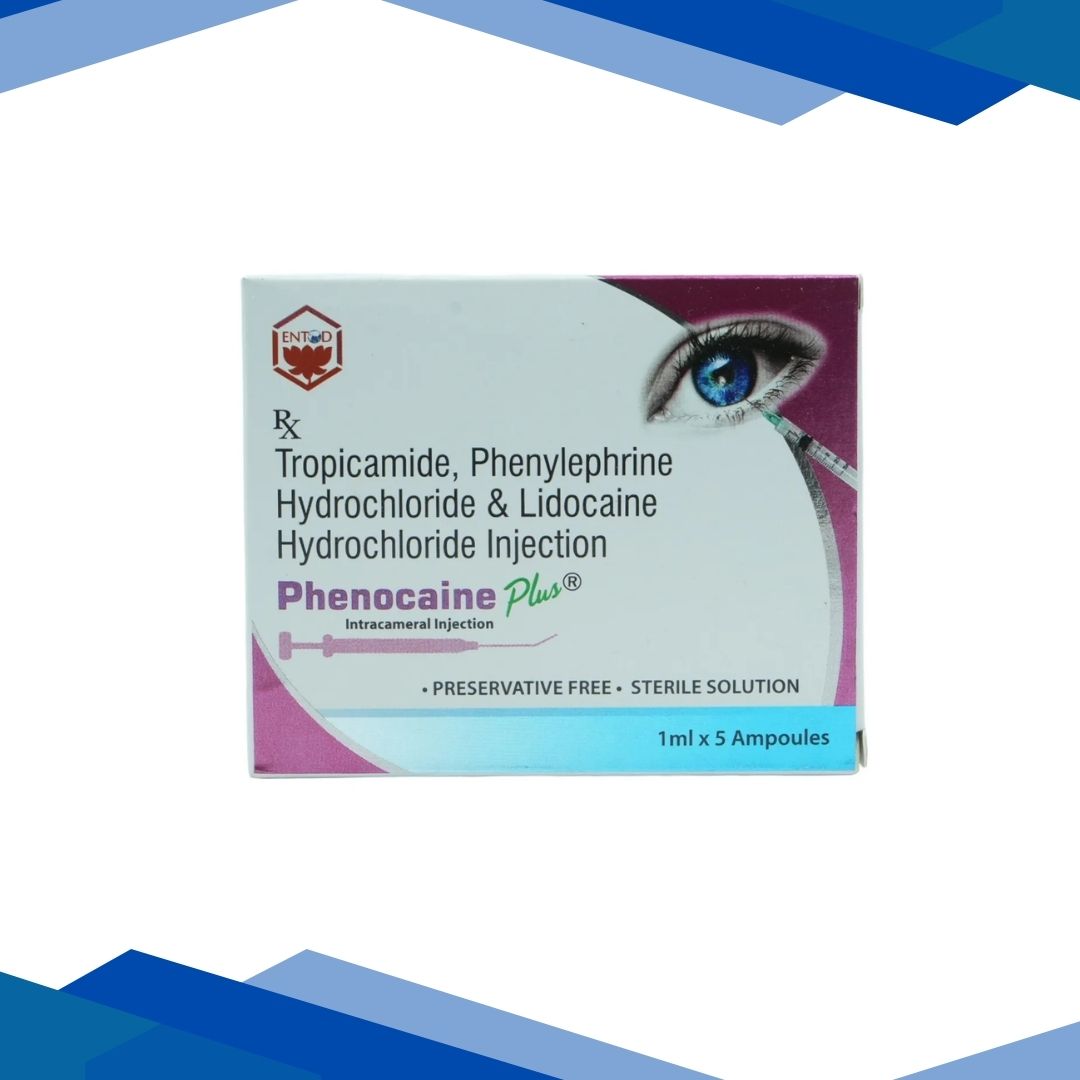
PHENOCAINE PLUS Injection 1ml
No Prescription yet? Don’t worry! Click Here to Get Online Consultation
PHENOCAINE PLUS Injection 1 ml is an ophthalmic combination injection used during eye procedures, especially cataract surgery, to numb the eye and dilate the pupil for better visibility and pain control. For more details kindly click on Medicine Salts below:
Lidocaine
Lidocaine (Topical/Injectable)
Lidocaine is a local anesthetic drug with multifarious uses for causing some temporary form of numbness or loss of feeling in a specific area. Its effect is completed by blocking the nerves to transmit 'pain' signals to the brain. It is essential for current pain management, meaning that it largely treats minor skin injuries using a topical gel and provides anesthesia for minor surgeries upon injectable administration.
Principal Applications:
Skin Numbing: Good for minor burns, insect bites, or scrapes.
Leading-edge Applications: Often used before injections, tattoo needles, and catheterization to minimize pain.
Dental Signs: For application, gels help to soothe sores or relieve dental work discomfort.
Surgery Use: Used by specialists to numb an area for suturing or for small cytological examination.
How to Apply (Topical)
Clean Site: Wash and dry the affected skin before applying the cream or gel.
Thin Layer: Apply only on the area that needs treatment; never apply over a large area of the body.
Hands on: Washing hands is important right after application to keep the medicine away from the eyes or mouth.
Dosage: Follow your prescription regarding how often it has to be used. Excessive usage permits systemic absorption, a potentially serious occurrence.
Precautions
Word of Warning: Lidocaine should never be placed on open, blistered, or 3rd-degree burned areas unless the physician tells you so. Also avoid tight bandaging or heating pads over the treated area, as this may increase drug absorption into the bloodstream.
Heart Physiology: If you have a history of arrhythmia or other heart conditions, consult your doctor before use.
Hepatic Cases: Patients with liver disease should use Lidocaine with care, as it is metabolized in the liver.
Allergies: Check for sensitivity to "amide-type" local anesthetics before use.
Possible Side Effects
- Mild redness, swelling, or irritation at the site of application
- Brief stinging or burning sensation
- Pallor (lightening of skin) at the application site
If anyone experiences severe dizziness, blurred vision, or ringing in the ears, it may be a sign of toxicity. Seek immediate medical assistance.
Frequently Asked Questions (FAQs)
Q: How Long Does It Take for Lidocaine to Take Effect?
A: With topical gels and creams, a numbing sensation usually begins within 2 to 5 minutes. The peak effect is achieved in about 15–30 minutes.
Q: Can I Use Lidocaine for a Sore Throat?
A: Use only specific oral Lidocaine viscous solutions for throat pain. Do not use skin creams or gels inside the mouth or throat.
Q: Is It Safe to Use Lidocaine Every Day?
A: Lidocaine should be used only as directed by your doctor. Avoid unnecessary or prolonged use.
Q: When should I avoid using Lidocaine?
A: Avoid long-term use without medical advice. If symptoms persist, consult a physician.
Q: Is there any time-limit for the consumption of Lidocaine?
A: It should not be used daily for extended periods, as side effects may accumulate with prolonged use.
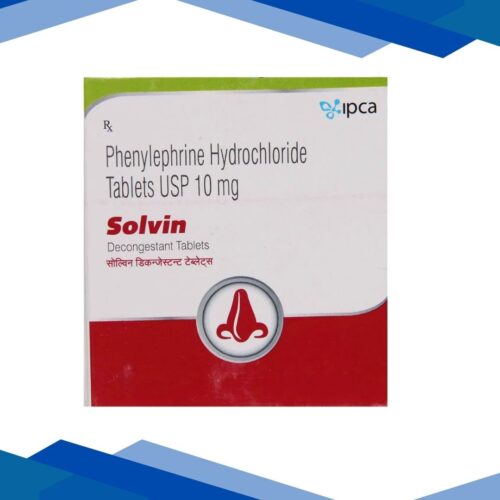
Phenylephrine
Phenylephrine is a powerful sympathomimetic agent used primarily as a nasal decongestant. Phenylephrine works by targeting alpha-adrenergic receptors in the blood vessels of the nasal passages, causing them to constrict. This action reduces swelling and mucus build-up, making it easier to breathe. Phenylephrine is an ingredient found in many OTC/prescription multi-symptom cold and flu remedies and is usually coupled with paracetamol or antihistamines.
Therapeutic uses
Nasal Congestion: Temporary relief from a “stuffy nose,” caused by common cold, hay fever, or other upper respiratory allergies.
Sinus Pressure: Relief of fullness and pressure in the sinuses.
Allergy Symptoms: Aid in managing the nasal symptoms with seasonal allergy support.
Low blood pressure (hypotension) support: Used in clinical settings and given via injections to keep blood pressure in check during specific medical procedures.
Pages resulting in Phenylephrine therapy
Selectivity in Binding & Mechanism of Action
Phenylephrine's effects on various $\alpha_1$-adrenergic receptors make this particular molecule a highly reliable for causing vasoconstriction when these receptors are activated in the vascular smooth muscle in the nasal mucosa which results in a reduction in the volume of the nasal membranes and lower the flow of fluids, thereby providing the widest opening for air to pass way.
Dosage & Administration
Oral Tablets Dosage
Repetitive dosages via a 3-hour interval are usually administered. A maximum of 6 divided doses might be occasionally required in 24 hours.
Nasal Sprays/Drops Dosage
Spray or drip as prescribed into each side of the nostril. The nasal form should not be used for more than three consecutive days to prevent “rebound congestion.”
With Food
May be taken on an empty stomach or with food. Taking with food may alleviation stomach problems, though it is primarily safe without food if it doesn’t show any adverse side effects.
Provoked Adverse Effects of the Chemical
Productivity in terms of treating symptoms of nasal congestion, although phenylephrine can bring about:
Drowsiness can begin after a long period of insomnia initiation.
High palpitational activities
Insufficient movement (slipping or falling)
Dizziness
Headache
Interactions
Advisor: Immediately report such rare occurrences, especially when there is lightheadedness, fainting, or a swift, irregular heart rate.
Precautions & Warnings
Hypertension: It should not be administered to those already suffering from markedly high blood pressure due to potential significant rise in blood pressure, yet if it is essential, such usage must be closely monitored.
Heart disease: Management of heart disorders supports the avoidance of oral phenylephrine use in patients with coronary artery disease. Phenoxybenzamine may hardly be used in those with CVD (coronary vascular disease).
Endocrine: Sympathomimetic agent influences the heart rate and glycemia; careful care will be required for patients with hyperthyroidism and diabetes.
MAOIs: VERY IMPORTANT: Phenylephrine must not be prescribed with MAOI in the prior 14 days. Such combinations may result in a hypertensive crisis.
Frequently Asked Questions (FAQs)
Q: Do you think Phenylephrine causes sleepiness?
Phenylephrine is a stimulant compared to most of the antihistamines that are largely used in medications for colds. This is why it does not make most people tired, but rather alert or even anxious.
Q: Can I mix Phenylephrine with hypertensive medication?
You need to consult with your cardiologist. It squeezes the blood vessels, unexpectedly counteracting the hypertensive reaction of antihypertensive drugs.
Q: Is Phenylephrine just right for a runny nose?
Phenylephrine is mainly used as a decongestant and works on a blocked nose. If you’re experiencing a runny nose or sneezing as your primary symptoms, taking an antihistamine might be better.
Q: Why should nasal sprays with phenylephrine only be used for 3 days?
When nasal decongestants are used extensively, they can give rise to "rhinitis medicamentosa," and the nasal passageways become permanently swollen and dependent on the medication to remain open.
Q: Can phenylephrine be given to children?
Dosage for children is very much dependent on age and weight. When dealing with a child, never ever give adult strength in phenylephrine. Be sure to only use the pediatric preparation according to the prescribing doctor.
Tropicamide
At Gem Pharmacy, we make every effort to provide accurate, expert-written, and thoroughly reviewed information related to medicines. However, this information should not be considered a substitute for professional medical advice, diagnosis, or treatment from a qualified doctor.
The purpose of this information is to educate users and improve communication between patients and healthcare professionals. It should not be used to diagnose or treat any condition.
Always consult a certified healthcare professional before taking any medication.


Related products