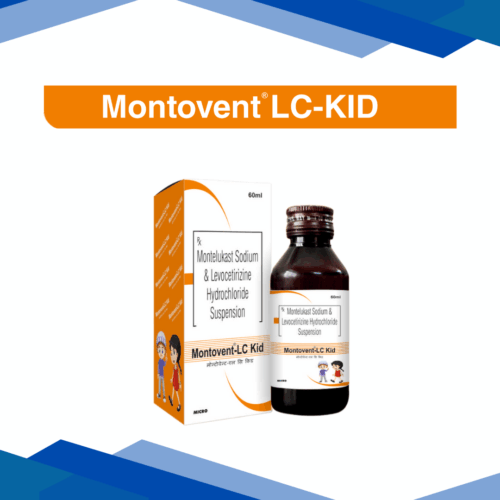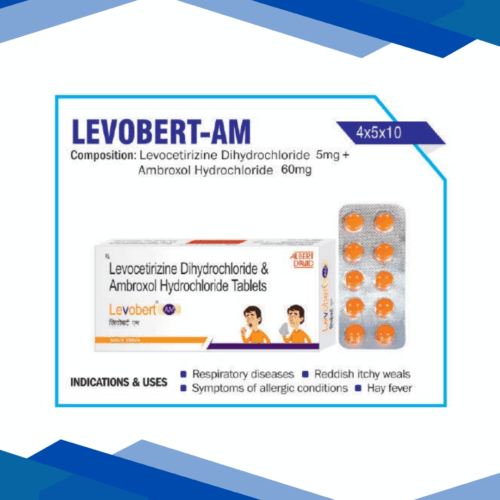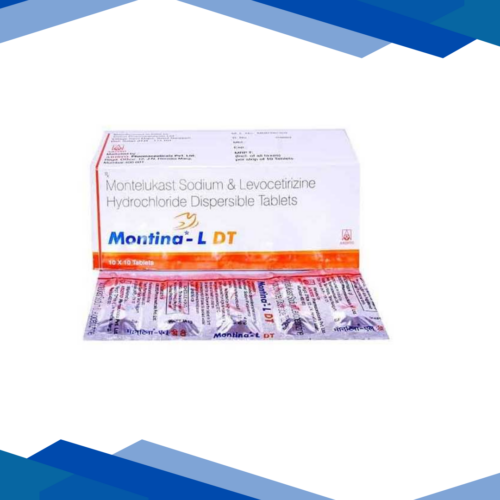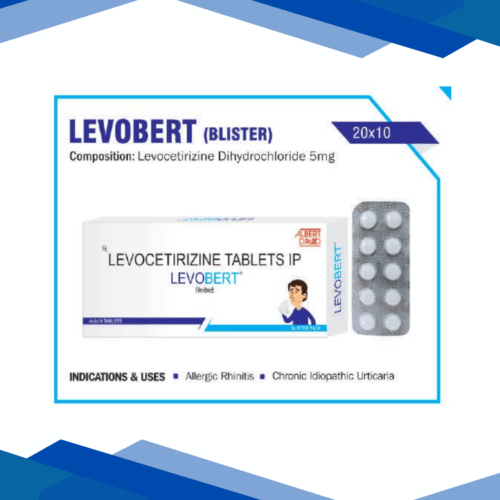


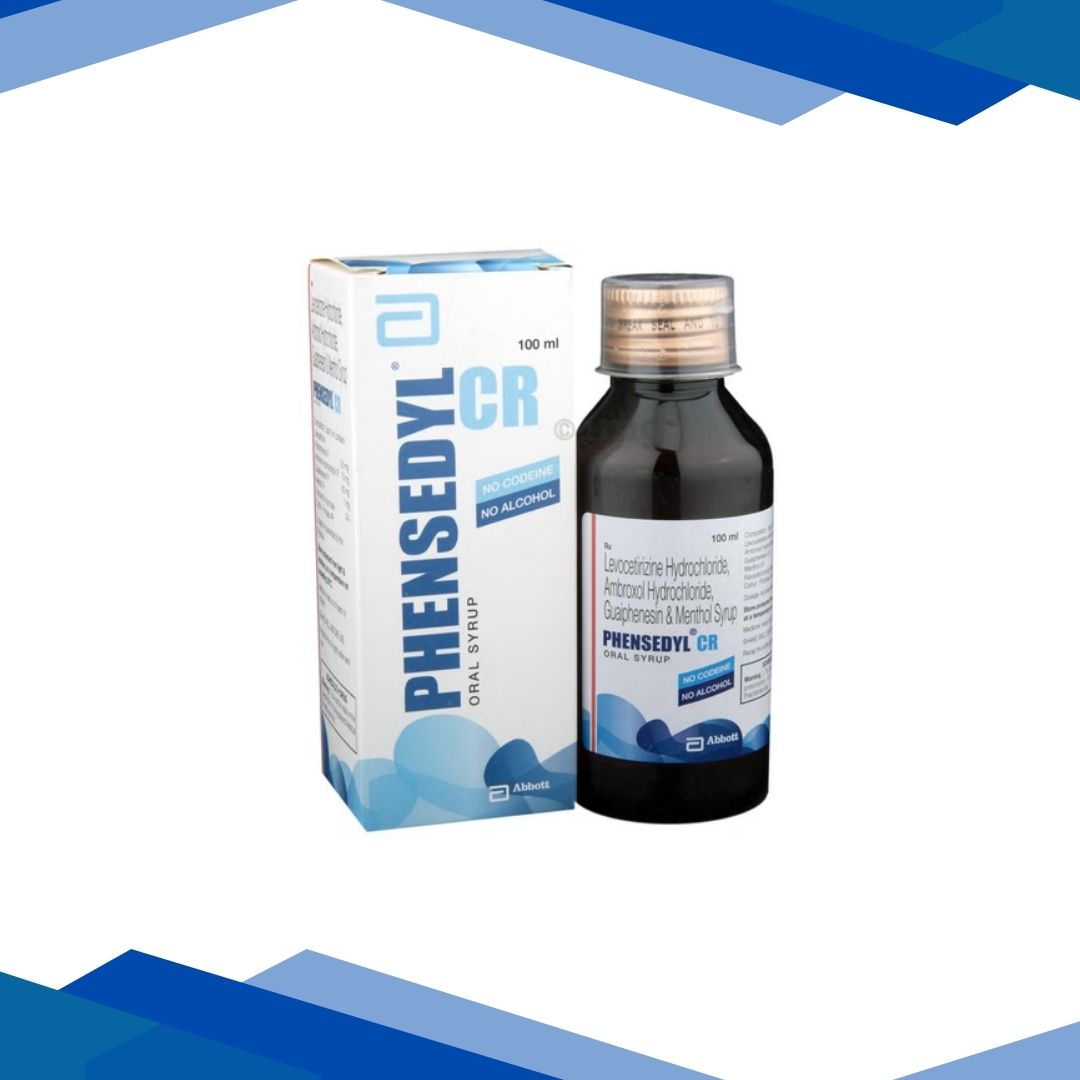
Phensedyl CR Syrup 100ml
No Prescription yet? Don’t worry! Click Here to Get Online Consultation
PHENSEDYL CR SYRUP is a combination of Ambroxol, Guaiphenesin, Levocetirizine, Menthol which belongs to the group of medicines called Mucolytics, Expectorants, Antihistamines and Antitussives respectively. It is used to manage allergic cold, bronchitis, nasopharyngitis (common cold), bronchial asthma, allergic cough, and maxillary sinusitis. Bronchitis is the inflammation of lungs with symptoms of coughing up thickened mucus (phlegm) and difficulty to breath.
Ambroxol
Though there are innumerable uses for Ambroxol (Tablet-30 mg / Syrup-15 mg) as a systemic mucolytic agent in treatment for numerous pulmonary diseased conditions, the generic prescription to Ambroxol extends to clearing the respiratory tract from phlegm in the airways and devoid of much mucus. This is done through the thinning and loosening of viscid mucous, that is, the mucus contained in the nasal passages, throat, and lung, making expectoration or coughing easier. This ultimately helps the airway clear and results in reduced chest congestion, with further facilitation of normal and easy breathing; so patients undergoing treatment for bronchitis, either with asthma or emphysema, can be beneficiaries.
The Primary Functions of Ambroxol:
Mucus Clearance: It dismantles the fibrous acid mucopolysaccharides in phlegm, thereby loosening the phlegm and preventing it from being stickier than before.
Symptom Relief: It quickly reduces chest congestion and the frequency of productive coughs.
Surfactant Production: Pathway for natural lung surfactant formation, thus preventing mucus from sticking to bronchial walls.
Infusion of antibiotics: When Minolax is taken with antibiotics, the levels of these antibiotics become higher in the lung tissue, for example, Amoxicillin or Erythromycin.
Anaesthetic local action: It gives comfort to a sore throat with lozenges and liquid dosage.
The Concept of Treatment
Ambroxol belongs to a group of medications called secretolytics. It augments the action of serous mucus production, while breaking up the viscosity of this mucus with a view towards the increased activity of the cilia (tiny hairlike projections on the way in your windpipe), speeding up clearance from the respiratory tract.
Dosage Information
Dosage treatment:
Adults: Usually three times a day, one 30 mg tablet, or as prescribed.
Paeds: Consider the syrup form as per body weight and age.
Administration: Always administer the tablet after eating to avoid the possibilities of stomach upset.
Form: Swallow the whole tablet with a glass of water. For syrup usage, use the provided measuring cup to get an accurate dose.
Side Effects
Despite the general tolerance, certain users may experience the following:
Mild gastrointestinal upset (nausea or heartburn)
Throat or mouth dryness
Altered sense of taste (Dysgeusia)
Rare allergic reactions (skin rash or itching)
Preventive Measures
Peptic Ulcers: Use with extreme caution if with a history of peptic ulcer as mucolytics may disrupt the protective mucus lining present in the stomach.
Kidney & Liver: Dose adjustments may be necessary for severe renal and hepatic impairment patients.
Pregnancy: Avoid in the first trimester. Notify the doctor if you are pregnant or breastfeeding.
Stevens-Johnson Syndrome: Extremely unlikely though, you need to see a doctor urgently in case of severe skin rashes and blisters.
Frequently Asked Questions (FAQs)
Q: Ambroxol is used to treat a dry cough, yes?
No, Ambroxol is indicated only for the productive (wet) cough class; when there is mucus presence. For the dry, hacking cough without phlegm, typically a cough suppressant or antitussive is recommended.
Q: How Soon Will I See Results?
Most people will start feeling relief from chest congestion within 30 minutes of swallowing a dose. However, to clear the deep-seated mucus, it takes a matter of about 2 to 3 days of consistent use for the full effect.
Q: Can I take Ambroxol with antibiotics?
Yes, Ambroxol is taken with antibiotics. In fact, it is often prescribed in conjunction with antibiotics because it helps the drug in penetrating bronchial secretions, thus rendering the infection treatment more effective.
Q: What should I do if I miss a dose?
Take the missed dose as soon as you remember. If it is almost time for your next dose, wait and take the next dose. Do not make up the dose you missed by taking more than one dose at a time.
Q: Can I drink alcohol while taking this medicine?
While there are no known direct interactions with alcohol, it is strongly advisable to avoid alcohol during the course of respiratory infections to prevent dehydration and let the immune system work faster.
Levocetirizine
Levocetirizine: Treatment for Seasonal & Year-Round Allergies
Levocetirizine is a potent, non-sedating third-generation antihistamine in a big way. It is really a big boon for physicians to manage the full spectrum of allergies hence there is a fine product. Levocetirizine addresses the problem squarely instead of attempting to counter the symptoms, preventing allergic symptoms by blocking specific receptors. In this way, Levocetirizine provides benefits alongside the pollens, dustmites, and pet danders that are the typical mainstream allergic triggers.
Primary Usage
Allergic Rhinitis: It exerts control on sneezing, runny nose, and nasal congestions associated with both seasonal (hay fever) and perennial (year-round) allergy attacks.
Ocular Symptoms: Relief from red, itchy, and watery eyes caused by allergy.
Chronic Urticaria: Levocetirizine directly treats simple skin manifestations of chronic idiopathic urticaria (hives), thereby reducing local itch and swelling.
Rash-Allergy Association: Helps to lessen rashes and irritation due to various allergic triggers.
The Science behind Levocetirizine
Levocetirizine goes into combat with itself, or rather with the histamine that crops up naturally, preventing the chemical from binding on to its receptor on the surface of cells. The onset of an allergy condition is mediated by histamine and blocking its action puts an end to a nasty inflammatory process before it starts causing itching of the eyes, frequent sneezes, and skin flare-ups.
Expert Advice on Use & Dosage Instructions
Optimal Use: Ordinarily, Levo should be given at bedtime. If you are afflicted with some effect of drowsiness, taking your medication in the evening should enable you to remain alert all through the day.
Timely Use: Time to take the tablet is the same with every day, either with or without food, maintains a consistent concentration in the system.
Kid's Dose: Levocetirizine pediatric dose is 2.5 mg once for children aged 6 – 11. Be sure to use appropriate measuring device, e.g., a measuring spoon; do not use a regular kitchen spoon.
Kidney Concerns: Patients with any history of kidney problems may have to use a different dose adjustment. You must seek proper advice from your physician regarding this issue.
An Introduction to Safety & Side Effects
Probably no one would ask his or her doctor for Levocetirizine if it was hard to use, but caution is necessary when taking any medical treatment. Nonetheless, the drug is quite safe, though all mild reactions from medication need to be kept in mind until they cease.
WARNING
Possible Side Effect
Frequency
Recommended Course of Ceasing
Drowsiness / Fatigue
Intermittent
It is not safe to drive or do anything else that needs alertness until you can determine its effect on you.
Dry Mouth
Often
frequent small sips of liquid.
Nasopharyngitis
Occurs
Use saline nasal sprays in case the nose becomes dry.
Headache
Rare
Usually goes within a few days with continued use.
Urinary Retention
Very rare
If you can't pee, see a doctor.
Levocetirizine: Frequently Asked Questions (FAQs)
Q1: Is Levocetirizine different from Cetirizine?
A1: Yes. Levocetirizine is the active R-enantiomer of Cetirizine. It is often considered more potent at lower doses and typically has a lower incidence of sedation in many patients compared to older antihistamines.
Q2: How fast does Levo work?
A2: Most people experience relief within 1 hr of taking their first dose, with peak plasma levels being achieved within 2 to 3 hours and a full 24-hour coverage for most of strength allergic symptoms or reactions that manifest.
Q3: Can I drink alcohol and take them at the same time?
A3: It is advisable to avoid alcohol. While Levocetirizine is non-sedating for most, alcohol has the ability to enhance the sedative effects, increasing impaired coordination and sleepiness.
Q4: What do I do if I forgot to take Levo?
A4: Take it as soon as you remember. If it is almost time for your next dose, skip it and go back to your regular dosing schedule. Under no circumstances should you take 2 doses at the same time, as this may lead to a highly sedated condition.
Q5: Can I take Levo if pregnant?
A5: In general, Levo is considered safe, but like every other medicine, it should be used only if clearly needed. Make sure you consult your OB-GYN before taking any new medications during pregnancy or while breastfeeding.
A Precautionary Checklist
Participant Medical History: Share your kidney illness history and any urinary retention history.
Allergy Testing: Levocetirizine may interfere with the results of skin allergy testing. Avoid taking Levocetirizine at least three days before testing.
Drug Interference: Inform your doctor if you are currently using other medications, particularly those affecting the central nervous system (CNS) or additional antiallergy drugs, in order to avoid drowsiness.
Menthol
Menthol (Topical Analgesic)
Menthol is natural ingredient that occurs organically and is extracted from peppermint and other mint oils. It has certain pharmacological properties due to the topical analgesic and counterirritant that is widely utilized in pharmaceutical applications. When applied to the skin, it binds to the cold-sensitive receptor termed TRPM8 nicotine, and thus generates a cooling sensation. It works by producing enough cooling sensation to distract the brain from underlying pain signals, therefore providing some relief, deceiving the skin's pain receptors and authors. It is commonly used in muscle-recovery products and patches to mitigate joint pain.
Primary Indications
Muscle & Joint Relief: Temporary relief of minor aches and pains, caused by arthritis, simple backaches, strains, and sprains.
Counterirritant Action: Provides a cooling, slightly warming sensation with benefits of desensitization of pain nerve endings.
Itch & Irritation Control: Effectively don't entertain the itching from insect bites, sunburn, or minor skin rashes.
Respiratory comfort: Often used in chest rubs to emotionally relieve symptoms of feeling clear airways during common colds.
Post-Workout Recovery: Helps reduce the perception of soreness in overworked muscles and tendons.
The Product Specifications
Drugs Group: Topical Analgesic/ Counterirritant.
Formulations: Gels, sprays creams, ointments, medicated patches are available.
Concentration: Ranges generally from 1% and 16% as per the strength.
Appearance: Clear liquid or white crystalline material, characteristic of a minty aroma.
Instructions of Use
For Pain Relief: Clean and dry the affected area. Then apply a thin layer of gel or cream to the area 3-4 times daily.
Sprays: Spray on the skin evenly from 4" to 6" distance. Do not rub unless otherwise specified.
Patches: Stick one patch to the painful area and leave it for as long as 8 hours. Don't use more than one patch that has formed into a mass.
Hygiene: Wash your hands thoroughly with soap after application to avoid any accidental contact with the eyes and mucosa.
Safety Precautions & Warnings
For external use only: Do not ingest menthol-based topical products.
Avoid Over Broken Skin: Never apply to an open wound, damaged skin, or any irritated rashes.
No Heat therapy: Whether using a heating pad, hot water bottle, or tight bandage applied to the area, do not apply heat either. This will increase permeation and cause severe skin burns.
Flammability: Some menthol sprays and gels are flammable. Keep away from open flames or high heat until the product has completely dried on the skin.
Children: Consult a pediatrician before using on children under 12.
Frequently Asked Questions (FAQs)
Q: How does Menthol actually stop pain?
Menthol does not "numb" the pain as a local anesthetic does, but rather acts as a counterirritant. As the compound creates an intense cold sensation, it blocks the pain signals headed to the brain, effectively turning down the volume on discomfort.
Q: Can Menthol be used with a heating pad?
No. This is a major danger. Menthol causes the blood flow to the skin to increase, and the application of heat tends to make the medication be absorbed too quickly or cause some very bad burns and blisters.
Q: Why do I instantly feel cold but end up feeling warm?
This is essentially because of the 'counterirritant effect.' The menthol first activates the cold receptors, offering initial cooling effects. Then the local circulation is elevated when it is rubbed in, and the now-warm sensation is relaxing tight muscles.
Q: Can Menthol be used with an oral pain medication?
Yes, in practice, no! Since menthol is only used topically, so very little of it penetrates your bloodstream. However, let your doc know if you're on blood thinners, say, on Warfarin, because some of the topical formulations can have methyl salicylate, which can interact with them.
Q: Will the Menthol smell "stick"?
The very minty smell is the strongest during application and then dissipates as the product dries down. I would suggest many "vanishing scent gels" for a more subtle application, if the user prefers it that way.
At Gem Pharmacy, we make every effort to provide accurate, expert-written, and thoroughly reviewed information related to medicines. However, this information should not be considered a substitute for professional medical advice, diagnosis, or treatment from a qualified doctor.
The purpose of this information is to educate users and improve communication between patients and healthcare professionals. It should not be used to diagnose or treat any condition.
Always consult a certified healthcare professional before taking any medication.


Related products