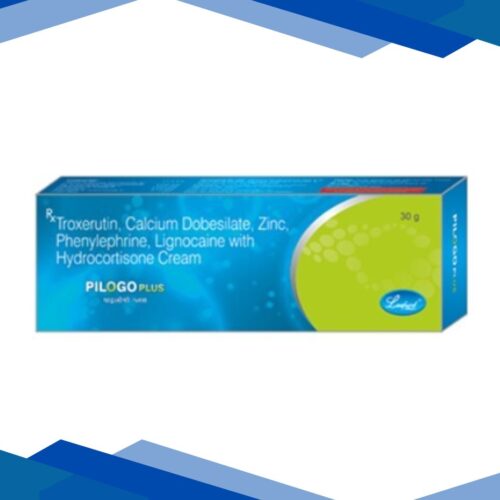
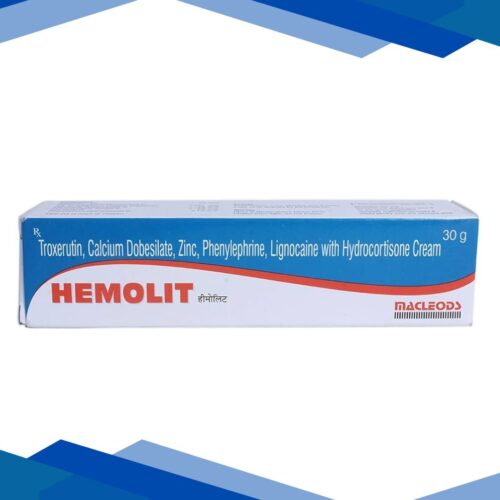
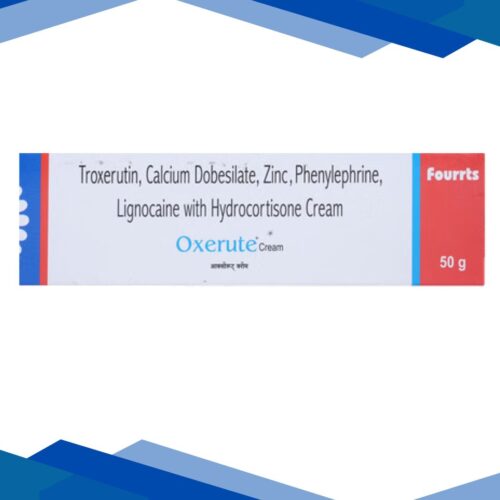
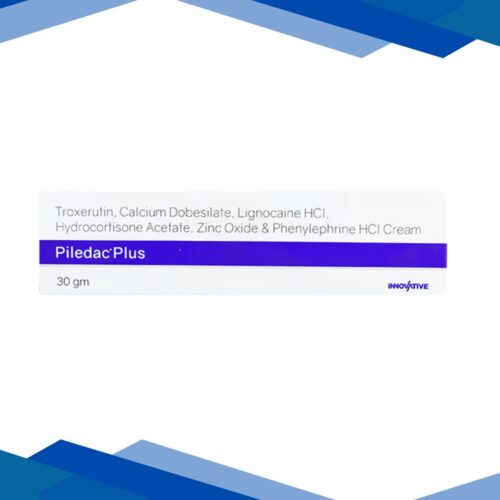
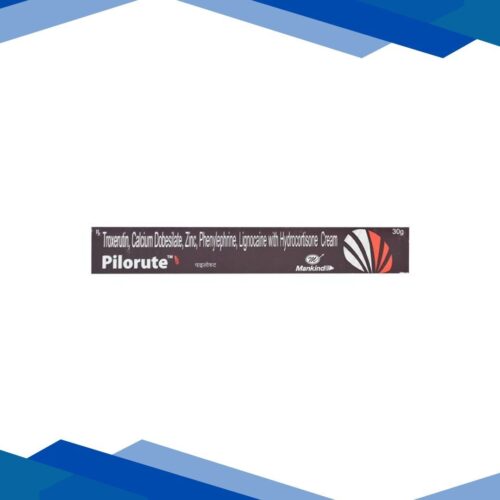
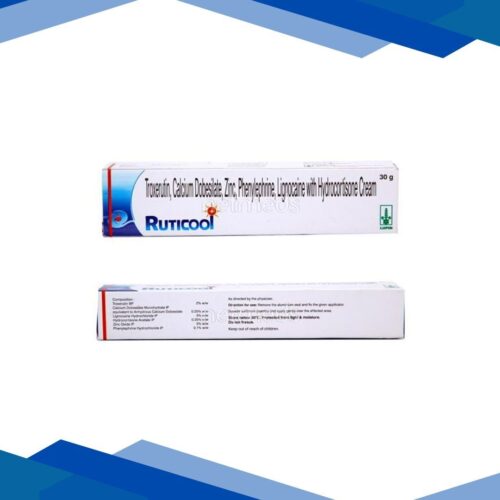
Calcium Dobesilate
Calcium Dobesilate 500mg Capsule
Vascular Protector and Vasotherapeutic Agent
Overview
Calcium Dobesilate is a strong drug applied mainly for the enhancement of blood circulation and resistance of blood vessel walls to small veins (capillaries). It is used frequently in the treatment of diabetic retinopathy, hemorrhoids, and chronic venous insufficiency.
By downgrading “leakiness” and fragility in blood vessels, it is believed to be a big assistance in treating patients presenting with symptoms such as leg heaviness, edema, and fatigue.
Key Benefits & Uses
Strengthening Blood Vessels:
Acts directly on the capillary walls to decrease fragility and prevent unwanted leakage of fluids into surrounding tissues.
Improved Flow of Blood:
Regarding the fact that this medicinal component reduces the thickness of blood (viscosity), it permits an easier flow of blood along any narrow or damaged vein.
Hemorrhoid Management:
The substance efficiently reduces the inflammatory burden and swelling in the anal area, offering relief from the discomfort of hemorrhoids.
Benefits to the Eye:
In diabetic patients, it protects the delicate vessels in the retina from progressing to complications related to eyesight.
Using Techniques
Dosage:
Doctor’s direction must be followed in terms of timeliness. For adults, 500 mg two or three times a day is usually sufficient.
Time of Intake:
It is advised to take this pill with food; even more absorption is noted when absorbed with food and the chances of gastric disturbance and sickness are greatly mitigated.
Regularity:
Take your doses time to time. Do not skip a dose. In case your missing two hours are about to pass for the next scheduled dose, skip the missed dose.
Safety Advice & Detriments
This is neither contraindication for pregnancy and breastfeeding nor recommended, unless a doctor said it is desperately needed. A professional advice has to be sought before you could initiate treatment.
Kidney/Liver Function:
If you suffer from kidney disease, your dosage might need to be altered accordingly.
It is essential to avoid alcohol while you are on this medication because it may increase the chances of becoming dizzy or getting stomach irritation.
Driving:
Please abstain from driving if you observe blurred vision or dizziness while on drug therapy.
Common Side Effects
Most of the adverse reactions of the medication are mild and transient. They may include:
- Nausea or discomfort to the stomach
- Diarrhea
- Skin rash or itching
- Fever (rare)
Notice: Stop taking the medicine and consult your healthcare provider immediately if the ache in your joints gets more severe, fever persists, or a sore throat develops with a rapid onset along with mild systemic symptoms. These could be due to a blood-related reaction rarely seen.
Frequently Asked Questions (FAQs)
1. When does Calcium Dobesilate work?
The time taken is variably haploid relative to the disease. Some patients show improvements in varicose veins or leg swelling after 2–3 weeks. By contrast, a more sustained use may be required for managing chronic ailments like diabetic retinopathy.
2. Can I take Calcium Dobesilate on an empty stomach?
It is better to take it with a meal. Taking one-centimetres with an empty stomach may incur nausea and stomach heavy, which are very frequently faced symptoms.
3. Does Calcium Dobesilate thin the blood?
It does thin the blood but not exactly. It actually thins blood by reducing blood viscosity to improve circulation. It is a vasoprotective agent, not a traditional anticoagulant like Aspirin or Warfarin.
4. Can a long-term administration of this drug treat piles?
This drug is often used to treat acute hemorrhoidal symptoms. Treatment is likely to provide relief from pain and swelling, but long-term management would most probably involve dietary changes (high fiber) and lifestyle adjustments.
5. What should I do in the event of a skin rash?
A mild skin rash may develop, but if you think that there might be a possibility of an allergic reaction, contact your doctor immediately. If the skin rash is associated with fever, see your doctor straight away.
Phenylephrine Hydrochloride
PHENYLEPHRINE HYDROCHLORIDE
Overview
Phenylephrine is a nasal decongestant used to temporarily relieve nasal discomfort caused by colds, allergies, and hay fever. It works by reducing swelling in the nasal passages, making it easier to breathe. However, it does not address the underlying cause of the symptoms or speed up recovery
Classification
Nasal decongestants
Uses
Oral and nasal phenylephrine are used as nasal decongestants to temporarily unblock a nose or relieve sinus pressure in people with nasal and sinus congestion caused by colds, allergies, or hay fever. While phenylephrine can provide some symptom relief, it doesn’t treat the underlying cause or speed recovery
How it works
Phenylephrine Hydrochloride is a sympathomimetic amine used as a topical decongestant, systolic vasopressor, and mydriatic agent. Its mechanism of action works through various pathways with the mechanism of action primarily based on its ability to stimulate alpha-adrenergic receptors, particularly alpha-1 receptors, which are involved in vascular smooth muscle contraction.
Dosage
As directed by the physician
Precautions
Before using Vazculep, please note:
Allergies: If you’re allergic to phenylephrine or any of its ingredients, avoid using this medication.
Children: Keep this medication out of reach of children. In case of overdose, seek medical help or contact a Poison Control Center immediately.
Contraindications (Do not use if you have):
Severe high blood pressure (hypertension)
Ventricular tachycardia (a type of rapid heart rate)
Closed-angle glaucoma (a condition affecting the eyes)
Hypersensitivity to phenylephrine or sulfites (a type of preservative)
Use with caution if you have:
Heart or blood vessel problems
Thyroid issues
Diabetes
Enlarged prostate
Liver or kidney problems
Asthma or sulfite sensitivity
Pregnancy & Breastfeeding:
Use during pregnancy only if the potential benefit justifies the potential risk to the fetus.
Considered safe during breastfeeding, but consult your doctor.
Side effects
Injection Site Reactions: Leakage of intravenous medication
Cardiovascular: High blood pressure (hypertension)
Heart Rate: Slow heart rate (bradycardia)
Mental Health: Anxiety, nervousness, restlessness
Neurological: Headache, dizziness, lightheadedness
Respiratory: Shortness of breath, chest tightness, wheezing
Gastrointestinal: Nausea, stomach pain or upset
Renal: Reduced urine output, decreased blood flow to the kidneys
Pulmonary: Fluid accumulation in the lungs (pulmonary edema)
Rebound Symptoms: Nasal congestion worsening after initial relief (rebound congestion)
Skin: Burning or stinging sensation
Other: Sneezing
If you experience any of these side effects, it’s important to consult with a healthcare professional for guidance.
Disclaimer
This content is for informational purposes only. Always consult a healthcare provider for medical advice and proper dosage.