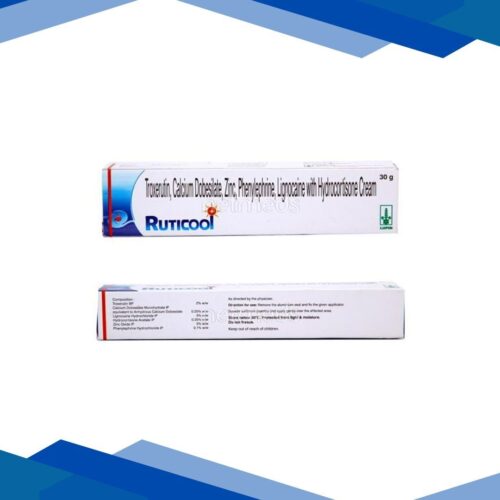
Calcium Dobesilate
Calcium Dobesilate 500mg Capsule
Vascular Protector and Vasotherapeutic Agent
Overview
Calcium Dobesilate is a strong drug applied mainly for the enhancement of blood circulation and resistance of blood vessel walls to small veins (capillaries). It is used frequently in the treatment of diabetic retinopathy, hemorrhoids, and chronic venous insufficiency.
By downgrading “leakiness” and fragility in blood vessels, it is believed to be a big assistance in treating patients presenting with symptoms such as leg heaviness, edema, and fatigue.
Key Benefits & Uses
Strengthening Blood Vessels:
Acts directly on the capillary walls to decrease fragility and prevent unwanted leakage of fluids into surrounding tissues.
Improved Flow of Blood:
Regarding the fact that this medicinal component reduces the thickness of blood (viscosity), it permits an easier flow of blood along any narrow or damaged vein.
Hemorrhoid Management:
The substance efficiently reduces the inflammatory burden and swelling in the anal area, offering relief from the discomfort of hemorrhoids.
Benefits to the Eye:
In diabetic patients, it protects the delicate vessels in the retina from progressing to complications related to eyesight.
Using Techniques
Dosage:
Doctor’s direction must be followed in terms of timeliness. For adults, 500 mg two or three times a day is usually sufficient.
Time of Intake:
It is advised to take this pill with food; even more absorption is noted when absorbed with food and the chances of gastric disturbance and sickness are greatly mitigated.
Regularity:
Take your doses time to time. Do not skip a dose. In case your missing two hours are about to pass for the next scheduled dose, skip the missed dose.
Safety Advice & Detriments
This is neither contraindication for pregnancy and breastfeeding nor recommended, unless a doctor said it is desperately needed. A professional advice has to be sought before you could initiate treatment.
Kidney/Liver Function:
If you suffer from kidney disease, your dosage might need to be altered accordingly.
It is essential to avoid alcohol while you are on this medication because it may increase the chances of becoming dizzy or getting stomach irritation.
Driving:
Please abstain from driving if you observe blurred vision or dizziness while on drug therapy.
Common Side Effects
Most of the adverse reactions of the medication are mild and transient. They may include:
- Nausea or discomfort to the stomach
- Diarrhea
- Skin rash or itching
- Fever (rare)
Notice: Stop taking the medicine and consult your healthcare provider immediately if the ache in your joints gets more severe, fever persists, or a sore throat develops with a rapid onset along with mild systemic symptoms. These could be due to a blood-related reaction rarely seen.
Frequently Asked Questions (FAQs)
1. When does Calcium Dobesilate work?
The time taken is variably haploid relative to the disease. Some patients show improvements in varicose veins or leg swelling after 2–3 weeks. By contrast, a more sustained use may be required for managing chronic ailments like diabetic retinopathy.
2. Can I take Calcium Dobesilate on an empty stomach?
It is better to take it with a meal. Taking one-centimetres with an empty stomach may incur nausea and stomach heavy, which are very frequently faced symptoms.
3. Does Calcium Dobesilate thin the blood?
It does thin the blood but not exactly. It actually thins blood by reducing blood viscosity to improve circulation. It is a vasoprotective agent, not a traditional anticoagulant like Aspirin or Warfarin.
4. Can a long-term administration of this drug treat piles?
This drug is often used to treat acute hemorrhoidal symptoms. Treatment is likely to provide relief from pain and swelling, but long-term management would most probably involve dietary changes (high fiber) and lifestyle adjustments.
5. What should I do in the event of a skin rash?
A mild skin rash may develop, but if you think that there might be a possibility of an allergic reaction, contact your doctor immediately. If the skin rash is associated with fever, see your doctor straight away.
Hydrocortisone
Hydrocortisone (Topical & Oral)
Hydrocortisone is a mild corticosteroid that provides anti-inflammatory effects, whether used as a topical cream for skin conditions or as an oral tablet for hormonal support. It works by reducing the body’s immune response, thereby decreasing swelling, redness, and itching.
Most Typical Uses
Soothe Your Skin: Used in conditions like atopic dermatitis, dermatitis herpetiformis, psoriasis, and insect bites.
Treatment of Allergy: Helps in the rapid relief of localized redness and swelling.
Hormone Replacement: In tablet form, replaces natural cortisol in patients with adrenal insufficiency.
Specialized Healthcare Uses: May be used in hemorrhoids, proctitis, and certain autoimmune conditions.
Directions for Proper Use
For Creams/Ointments:
First Cleanse: Thoroughly clean and dry the affected area.
Apply a Thin Layer: Use a small amount and gently rub until absorbed.
Hand Cleaning: Wash hands after application (unless treating hands).
Frequency: Typically 2–3 times daily. Do not exceed 7 days unless prescribed.
For Tablets:
Take with Food or Milk: Helps protect the stomach.
Morning Dose Preferred: Usually taken once daily in the morning, aligning with the body’s natural cortisol rhythm.
Important Safety Checklist
Pro Tip: Avoid using on the face, eyes, or broken skin unless advised by a doctor, as steroids may cause skin thinning.
Infections: Do not apply on infected areas such as pus-filled lesions, viral infections (e.g., cold sores), or fungal infections (e.g., athlete’s foot).
Pregnancy & Nursing: Consult your doctor before use, though topical use is generally low risk.
“Bandage Rule”: Avoid tight covering (occlusion) unless instructed, as it increases drug absorption into the bloodstream.
Side Effects to Watch For
Mild stinging or burning sensation at application site
Skin thinning, discoloration, or stretch marks (with prolonged use)
Polydipsia (increased thirst) or polyphagia (increased appetite) with oral use
Hormonal changes or sleep disturbances (oral forms)
Frequently Asked Questions (FAQs)
Q: Can hydrocortisone cream be used on the face for acne?
A: It is not recommended. While it may reduce redness temporarily, prolonged use can lead to skin thinning or “steroid acne.”
Q: Can children use it?
A: Use with caution. Children have thinner skin, leading to higher absorption. Always consult a pediatrician before use.
Q: What is the difference between cream and ointment?
A: Creams are better for wet or oozing skin, while ointments are ideal for dry, scaly skin, as they lock in moisture.
Q: Can hydrocortisone treat fungal infections like ringworm?
A: No. Steroids may worsen fungal infections by suppressing the immune response. Use an antifungal treatment instead.
Q: What should I do if I miss a dose?
A: Apply or take it as soon as you remember. If it’s close to the next dose, skip the missed dose. Do not double the dose.
Phenylephrine
PHENYLEPHRINE
Overview
Phenylephrine is a medicine often used to relieve a stuffy or blocked nose. It works by shrinking swollen blood vessels in your nasal passages, helping you breathe more easily. You might find it in many cold, flu, or allergy medications.
Classification
Decongestants
Uses
Relieves nasal congestion due to colds, allergies, or sinus infections
Sometimes used to increase low blood pressure during surgery or in critical care
May be found in eye drops to dilate pupils during eye exams
How It Works
Phenylephrine works by narrowing the blood vessels in the nose. This reduces swelling and opens up your airways. When taken for blood pressure support, it tightens blood vessels throughout the body, which helps raise blood pressure.
Dosage
As prescribed by your doctor.
Side effects
Some common or possible side effects may include:
Headache
Dizziness
Nervousness or restlessness
Trouble sleeping (insomnia)
Increased heart rate or blood pressure
In rare cases, serious side effects like irregular heartbeat or chest pain can occur. Always report unusual symptoms to your doctor.
Precautions
Avoid it if you have high blood pressure, heart disease, thyroid problems, or glaucoma, unless your doctor says it’s safe.
Do not use more than the recommended dose – overuse can increase side effects.
Tell your doctor if you’re pregnant or breastfeeding before using.
If taken with other medications (especially for depression or blood pressure), it could interact negatively.
Not recommended for young children without medical advice.
Disclaimer
This content is for informational purposes only. Always consult a healthcare provider for medical advice and proper dosage