4 QUIN D Eye Drops 5ml
DECAMOX M Eye Drops 5ml
Mahaflox D Eye Drops 5ml
CEFLOX DEE OPTIC Eye/Ear Drops 10ml
Apdrops DM Eye Drops 5ml
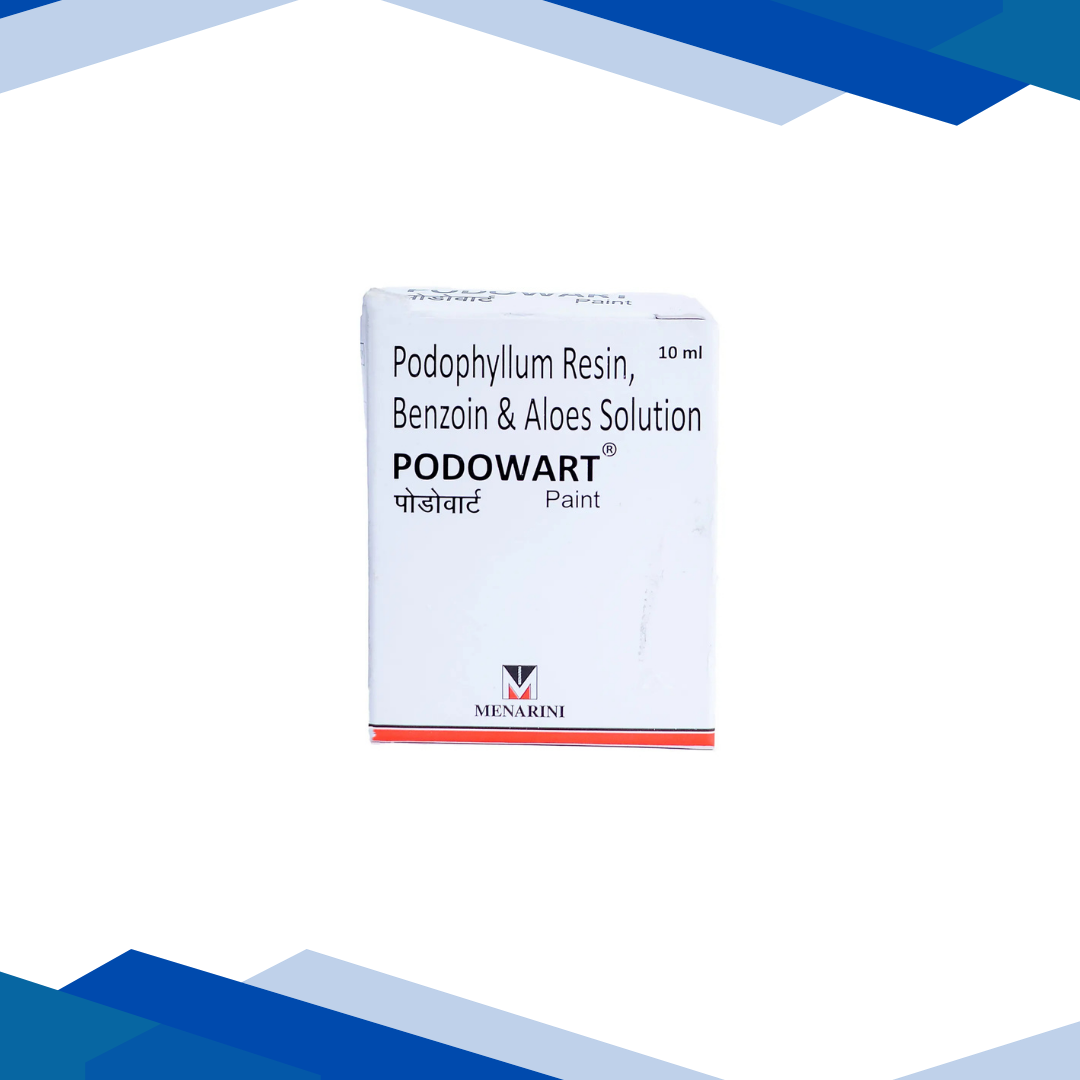
Podowart paint
No Prescription yet? Don’t worry! Click Here to Get Online Consultation
Why Prescription is Required?
✅ Providing Right Medicines
Prescriptions are complex documents. We proofread and recheck at various steps to provide you the right medication in the correct form and dose.
⚖️ Helps Comply with the Law
Most medicines cannot be sold without a valid prescription, as per the Drugs and Cosmetics Act, 1940 and Rules, 1945.
Book Appointment with Doctor
Podowart paint is a topical medication used to treat warts, including plantar and genital warts. It works by removing the wart tissue, softening thickened skin, and promoting healing of the affected area.For more details kindly click on Medicine Salts below:
Aloe Vera
ALOE VERA
Overview:
Aloe Vera, also known as Aloe barbadensis, is a succulent plant widely recognized for its soothing, healing, and moisturizing properties. It’s been used for centuries in traditional medicine and skincare around the world often found in gels, juices, creams, and dietary supplements.
Classification: Succulent plant
Uses:
Topical (applied on the skin):
Soothing sunburns
Healing minor cuts, wounds, and burns
Reducing skin irritation or itchiness (eczema, psoriasis)
Moisturizing dry skin
Oral (taken internally, in juice or supplement form):
Supporting digestive health
Relieving constipation (mainly from aloe latex—used cautiously)
Promoting gut healing (in cases of acid reflux or ulcers)
Supporting detoxification
How It Works:
Aloe Vera works through its rich mix of bioactive compounds, including:
Polysaccharides – Help with skin repair and hydration
Aloin and Emodin – Found in the latex; can act as strong laxatives
Vitamins (A, C, E, B12) – Support healing and fight oxidative stress
Enzymes & Amino Acids – Aid in anti-inflammatory effects and skin repair
Anti-bacterial & Anti-fungal agents – Help prevent infection in wounds
Its cooling effect makes it particularly helpful for calming inflamed or sun-damaged skin.
Dosage: As prescribed by your doctor.
Side effects:
While generally safe when used properly, Aloe Vera can sometimes cause:
Topically: Skin irritation or allergic reactions in sensitive individuals
Dryness if overused
Orally: Stomach cramps, diarrhea, or electrolyte imbalance (especially from aloe latex)
Lowered blood sugar (a concern for diabetics)
Precautions:
Do a patch test before using on skin to avoid allergic reactions
Avoid aloe latex if pregnant, breastfeeding, or dealing with intestinal problems
Consult a doctor if you’re on medications (especially for diabetes, heart, or kidneys)
Use food-grade products only if ingesting aloe juice or supplements
Disclaimer:
This content is for informational purposes only. Always consult a healthcare provider for medical advice and proper dosage
Benzoin
Benzoin Tincture: Antiseptic and Protector for the Skin
Benzoin is a natural resin, sourced mostly from the bark of various species of trees from the Styrax genus. A medicine of great utility compounded with other substances, Compound Benzoin Tincture (USP/BP) is made at times. The reddish sticky tincture is antiseptic, and thus versatile for skin protection via a double function: in prevention of avulsion skin lesions, rubbed by its own bandage, and as an inhalant when inhaled freely for treating respiratory symptoms.
A Glance
| Form | Tincture / Liquid |
|---|---|
| Category | Antiseptic / Protectant / Expectorant |
| Primary Use | Skin irritation, adhesive booster, and cough relief |
| Prescription Required | No (Over-the-Counter) |
Key Benefits & Uses
Benzoin has been a first-aid staple and a ward fixture for many a decade. Due to its diverse potential, its uses include:
-
Skin Protection: It forms an undiscerning layer on the minor cut, canker sores, or bedsores protecting those from environmental irritations.
-
Adhesive Enhancement: Benzoin is frequently encountered in surgical and sports scenarios. In particular, its applications are used to encourage a tireless adhesive effect on skin for medical tape, Steri-Strips or bandages, especially in moist environments.
-
Respiratory Relief: The steam clears nasal congestion when this substance is added to the hot water. It is then applied to the mouth and throat for soothing relief during attacks of bronchitis or from simple colds.
-
Fissures Healing: It is immensely effective even to heal cracked skin on the heels, nipples, or lips’ sensitive regions.
Correct Application of Benzoin
For External Application:
-
Clean the gash well and gently pat it dry.
-
Apply a thin layer of Benzoin tincture on the skin with the help of a cotton swab.
-
Allow some time for it to get “tacky” (sticky) before applying a band-aid or surgical tape.
For Inhalation (Respiratory):
-
In fancy 1 teaspoon of tincture of Benzoin, insert it in a bowl, and arrange some hot water to flow over it.
-
Inhale steam for 5–10 minutes.
-
WARNING: DO NOT SWALLOW LIQUID.
Safety Instructions and Precautions
The reputed safety of Benzoin aside, the substance is potent. Consider the following precautions:
-
Skin Sensitivity: Individuals may develop irritation known as contact dermatitis. A patch test is recommended on a small area of skin before full application.
-
Staining: Benzoin has a dark brown color and will stain clothing and fabric. Handle with care.
-
Flammability: The tincture contains alcohol. Keep away from open flames or sparks.
-
Pregnancy/Nursing: Consult your doctor before use, if you are pregnant or nursing.
Frequently Asked Questions (FAQs)
Q: Can I use Benzoin on an open deep wound?
A: No. Benzoin should only be an application for minor abrasions and healthy skin, or as a secondary layer. The possible effect applied to deep or puncture wounds may be great stinging sensation that may interact with natural healing.
Q: Why is Benzoin sticky?
A: It is its natural resinosity: this is what keeps glue on so that it can last a long duration and even while doing athletic endeavors.
Q: Are children capable of its safe use?
A: When used on the skin for minor scrapes or as an inhalant: as long as the child does not consume it, and keep it up on a high ledge.
Q: How to get Benzoin stain off my skin?
A: The use of free-rub alcohol (isopropyl) onto a cotton ball is the best option for removing sticky-gooey stuff or a part of a browning tint left over.