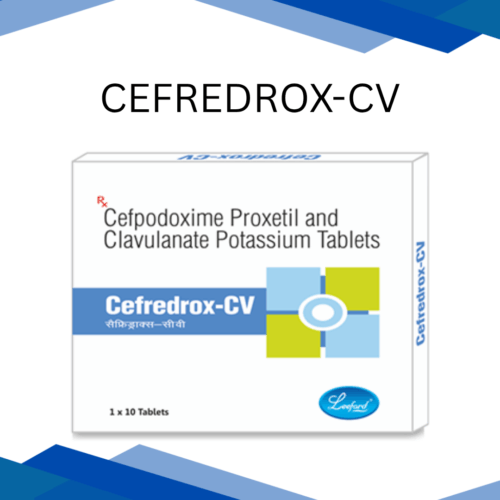
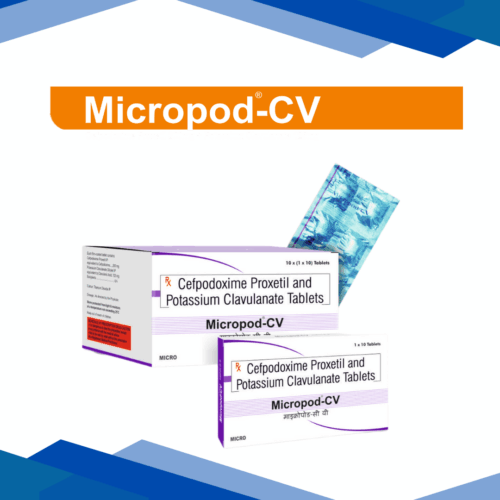
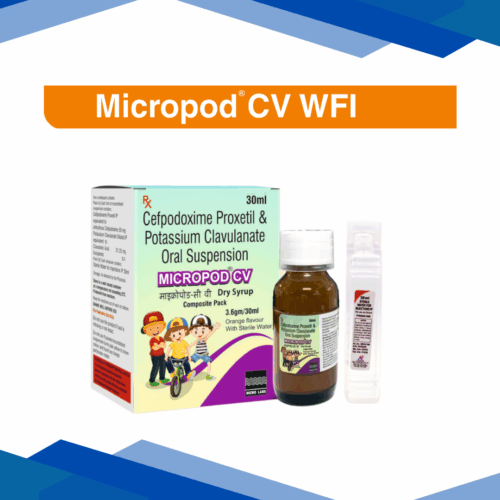
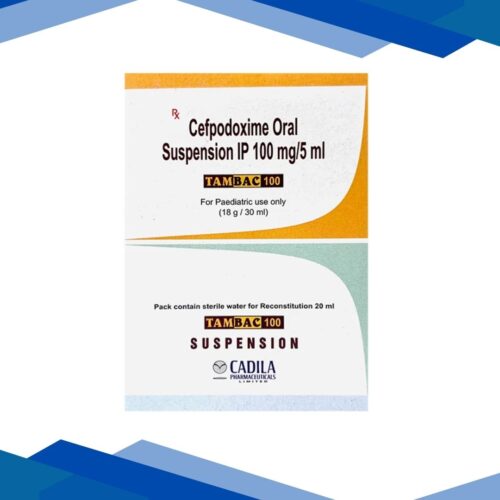
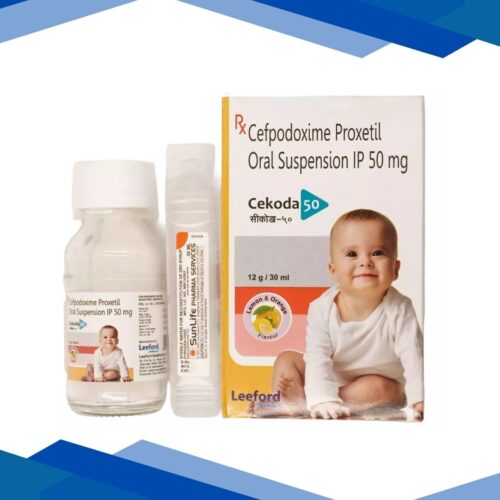
Cefpodoxime
CEFPODOXIME
Overview:
Cefpodoxime is an antibiotic belonging to Cephalosporin Class. It is given to treat different bacterial infections such as those of the respiratory and urinary tract, the skin, the throat, and the ear.
Classification: Cephalosporin antibiotics
Uses:
Cefpodoxime is used in the treatment of various bacterial infections such as pneumonia, bronchitis, tonsillitis, sinusitis, ear, skin, and urinary tract infection (UTIs). It is especially beneficial in a case when other antibiotics do not give effective outcomes. The drug has an effect of preventing bacterial growth and thus allows the body to fight the infection.
How it works:
The Cefpodoxime works by interfering with cell wall production of bacteria. It binds itself to some proteins in their bacteria called penicillin-binding proteins (PBPs) that they use to build their cell walls. The absence of a proper cell wall causes the bacteria to be weak and finally burst leading to their deaths. Through this mechanism, cefpodoxime is known to be useful in eradicating wide range bacteria that cause infection.
Dosage: As prescribed by your doctor.
Side effects:
Stomach pain
Diarrhea
Nausea or vomiting
Rash
Headache
Precautions:
Before taking Cefpodoxime, tell your doctor in case you are allergic to other drugs, especially penicillin or other cephalosporin-based antibiotics, as you might be experiencing a cross-reaction. Be careful when you have problems with the kidneys or the gastrointestinal tract such as colitis. Deciding to stop the treatment early in case you start feeling better may lead to antibiotic resistance, so it is pivotal to complete the whole course of treatment. Also, inform your physician whether you are pregnant, breastfeeding or taking other drugs.
Disclaimer: This content is for informational purposes only. Always consult a healthcare provider for medical advice and proper dosage
Potassium Clavulanate
POTASSIUM CLAVULANATE
Overview:
Potassium clavulanate is a medicine that helps antibiotics, like amoxicillin, work better against bacteria. It blocks the enzymes that some bacteria use to resist treatment, making infections easier to treat.This medicine is frequently given for infections in the lungs, ears, throat, skin, and urinary system, and while safe for most, it can occasionally cause mild stomach upset or rare allergic responses.
Classification: β-lactamase inhibitor
Uses:
Potassium clavulanate is used alongside antibiotics, like amoxicillin, to help them fight bacterial infections more effectively. It works by blocking the enzymes that some bacteria produce to resist antibiotics, making treatments for respiratory, ear, throat, skin, and urinary infections more successful. This combination helps the body clear infections faster while reducing the chance that bacteria will survive and become resistant.
How it works:
Potassium clavulanate works by blocking β-lactamase enzymes that some bacteria produce to defend themselves against antibiotics By stopping these enzymes, it safeguards the antibiotic from being neutralized, so it can efficiently kill the bacteria.This “helper” action makes antibiotics stronger and helps treat infections that might otherwise be resistant.
Dosage:
As prescribed by your doctor.
Side Effects:
Nausea, vomiting, or upset stomach
Diarrhea
Mild abdominal pain or discomfort
Headache
Precautions:
Follow your doctor’s guidance when using potassium clavulanate and finish the full treatment, even if you start feeling better.Take it with food to avoid stomach upset, and let your doctor know if you have liver issues or allergies. Watch for signs of allergic reactions, such as rash, swelling, or trouble breathing, and get medical help immediately if they appear.
Disclaimer:This content is for informational purposes only. Always consult a healthcare provider for medical advice and proper dosage.