





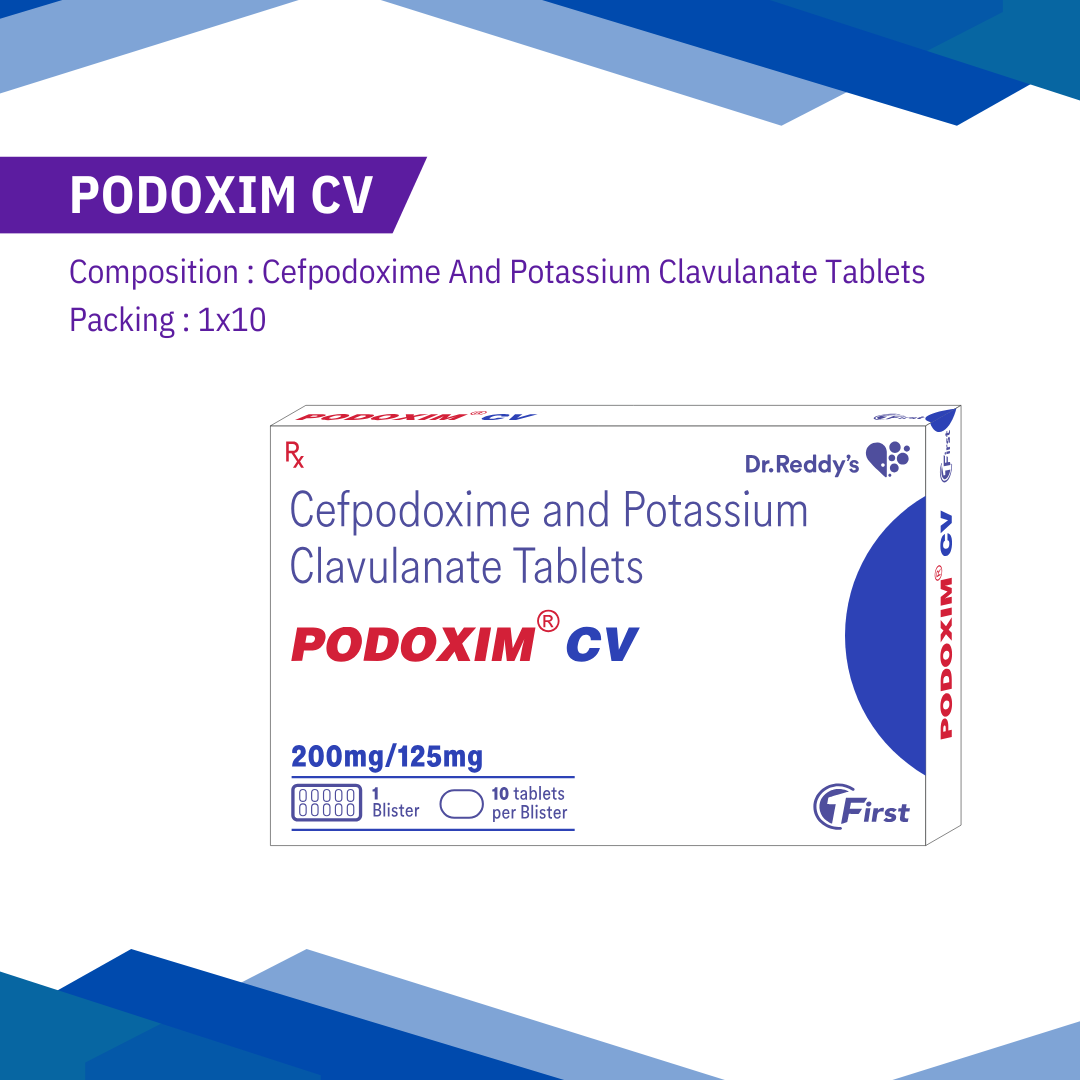
Podoxim CV
No Prescription yet? Don’t worry! Click Here to Get Online Consultation
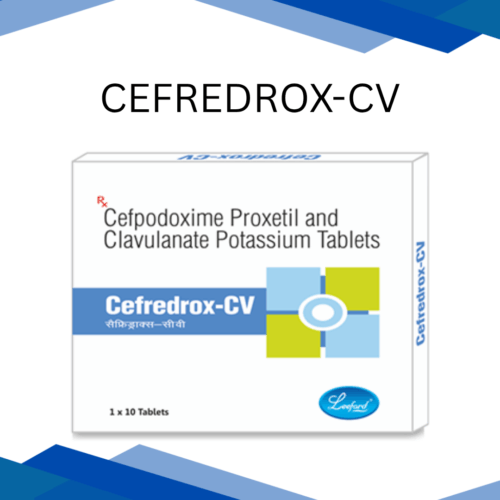
Podoxim CV Tablet is an antibiotic medicine used in the treatment of bacterial infections such as pharyngitis/tonsillitis, otitis media, sinusitis, community-acquired pneumonia etc.
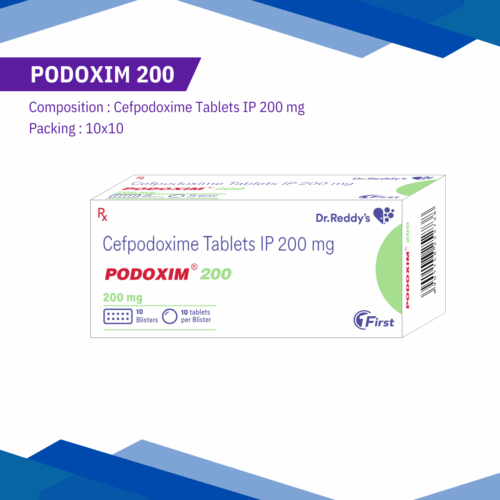
Cefpodoxime
Usages, Benefits, and Side Effects of Cefpodoxime Proxetil Cefpodoxime is a potent third-generation cephalosporin antibiotic used in the treatment of a large variety of bacterial infections. Against both Gram-negative and Gram-positive bacteria, this medicine carries remarkable efficacy. Cefpodoxime acts to inhibit synthesis of the bacterial cell wall by blocking the enzymes (penicillin-binding proteins) that link the polysaccharide chains, thereby creating essential elements for bacterial cell wall structure. The infection is thus terminated at its own site, preventing spread through the body. Common "Safe Guideline" Uses for Cefpodoxime Cefpodoxime is a drug commonly prescribed against the following conditions:
- Respiratory Tract Infections, including acute bronchitis, pneumonia, and sinusitis
- ENT, such as otitis media (an infection of the middle ear) and tonsillitis
- Cefpodoxime contributes to effectively targeting bladder and kidney infections during UTI infecting Ureaplasma urealyticum, etc.
- Among the various criteria to cure infections—remarkable against solving infections caused by Neisseria gonorrhoeae subsp., i.e., unmeddling gonorrhea
- Mild diarrhea or loose stools
- Nausea or abdominal pain
- Headache
- Vaginal fungal infection (Yeast infection)
Potassium Clavulanate
Potassium Clavulanate (with a brand designation and minute content) Potassium Clavulanate is a strong beta-lactamase inhibitor. It does not possess significant antimicrobial activity on its own; instead, it works by protecting companion antibiotics (usually penicillins like Amoxicillin) from being destroyed by bacterial beta-lactamase enzymes. By acting as a protective shield, it allows the antibiotic to effectively eliminate resistant bacteria that would otherwise evade treatment. Therapeutic Role & Synergies Conquering Resistance: Prevents bacterial resistance by inhibiting beta-lactamase enzymes. Pan-Broad-Spectrum Enhancement: Enhances the effectiveness of antibiotics when combined with Amoxicillin. Abstracted Clinical Traction: Used in managing persistent infections of the respiratory tract, urinary tract, and soft tissues. Main Indication This combination is commonly prescribed for: Respiratory infections: Acute sinusitis, bronchitis, community-acquired pneumonia Urinary tract infections: Especially those caused by penicillin-resistant bacteria Skin and soft tissue infections: Animal bites, dental abscesses, cellulitis Otitis media: Middle ear infections in both children and adults Doses & Administration Ratio of combination: Common ratios include 4:1 or 7:1 (e.g., 500 mg Amoxicillin + 125 mg Potassium Clavulanate). Administration: Take the medicine at the start of a meal to reduce stomach upset and improve absorption. Encourage Completion: Always complete the full prescribed course even if symptoms improve, to prevent antibiotic resistance. Important Safety Information Allergy Alert: Avoid in patients with known allergy to penicillins or cephalosporins. Liver Function: Monitor in patients with hepatic impairment; periodic liver enzyme tests may be required. Gastrointestinal Effects: Diarrhea is common; severe or persistent symptoms (watery/bloody stools) require medical attention. Side Effects Most are mild and reversible: Nausea or vomiting Mild diarrhea or abdominal cramps Oral thrush or vaginal yeast infections Skin rash or itching FAQs Q: Why is Potassium Clavulanate added to Amoxicillin? It inhibits beta-lactamase enzymes, allowing Amoxicillin to remain effective against resistant bacteria. Q: Can it be taken alone? No. It has minimal antibacterial activity by itself and is used only in combination therapy. Q: Does it cause stomach upset? Yes, it may cause nausea or loose stools. Taking it with food or milk helps reduce these effects. Q: Is it safe during pregnancy? It is generally considered Category B, but should only be used if prescribed by a doctor. Q: Any dietary restrictions? No strict restrictions, but staying well-hydrated and consuming probiotics (like yogurt) may help maintain gut health. Storage & Handle Store in a cool, dry place (20°C–25°C). Protect from moisture, as it may affect stability and potency. Disclaimer This content is for informational purposes only and is not a substitute for professional medical advice. Always consult your physician before starting any antibiotic treatment.
At Gem Pharmacy, we make every effort to provide accurate, expert-written, and thoroughly reviewed information related to medicines. However, this information should not be considered a substitute for professional medical advice, diagnosis, or treatment from a qualified doctor.
The purpose of this information is to educate users and improve communication between patients and healthcare professionals. It should not be used to diagnose or treat any condition.
Always consult a certified healthcare professional before taking any medication.


Related products