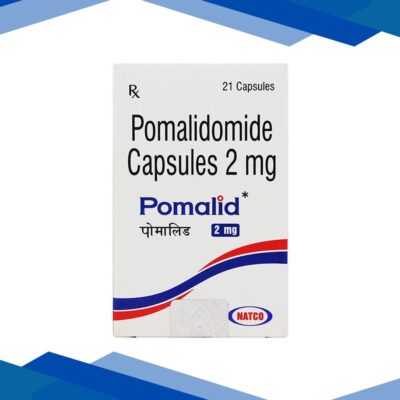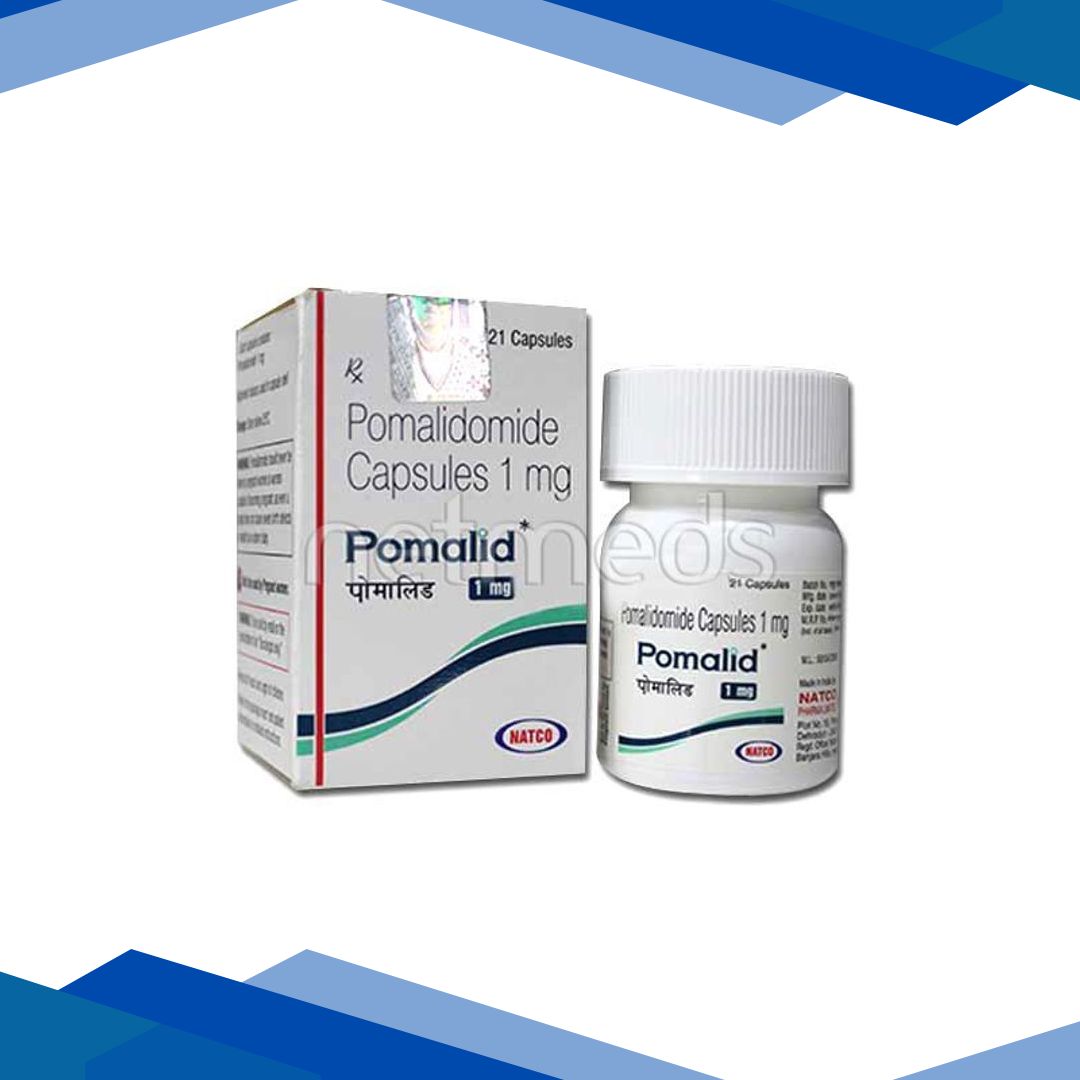
Pomalid 1mg Capsule 21’S
Pomalid 1mg Capsule is a prescription medicine used to treat certain cancers of the blood, especially multiple myeloma. It belongs to a group of medicines that help slow the growth of cancer cells and support the body’s immune response against them. Pomalid 1mg Capsule works in several ways, including reducing the signals that cancer cells need to survive, limiting the formation of new blood vessels that feed tumors, and helping immune cells attack abnormal cells more effectively. It is often used when other treatments have not worked well enough or the disease has returned. Because it can cause serious side effects and may harm an unborn baby, Pomalid 1mg Capsule should only be used under close medical supervision.
Description
Pomalid 1mg Capsule is an oral anti-cancer medicine used primarily in certain blood cancers, especially multiple myeloma. it belongs to a group of medicines known as immunomodulatory agents, which means it can help change how the immune system responds while also directly affecting cancer cell growth and survival. in people with multiple myeloma, Pomalid 1mg Capsule is often used when the disease has not responded well enough to other treatments or has returned after earlier therapy. it is generally given as part of a combination treatment plan, not as a stand-alone cure, because blood cancers often require multi-drug approaches for better disease control.
this medicine works in several ways. it can slow the multiplication of abnormal plasma cells, interfere with the signals that help cancer cells survive, and reduce the growth of new blood vessels that tumors need to expand. at the same time, it can enhance certain immune responses that help the body fight the cancer. because of these combined effects, Pomalid 1mg Capsule may help reduce disease activity, improve symptoms related to the cancer, and in some patients extend the time before the disease worsens. however, it does not work the same way for everyone, and regular medical monitoring is essential throughout treatment.
Pomalid 1mg Capsule is a potent medication with important safety concerns, especially regarding pregnancy risks, blood count suppression, and blood clot formation. it is not a medicine to start casually or without specialist supervision. patients taking it usually need routine blood tests and close follow-up to monitor for side effects and treatment response. the medicine is intended for use only under the direction of an oncologist or another qualified healthcare professional familiar with its safety requirements.
ingredients
- ingredient name: Pomalid 1mg Capsule — this is the active medicine responsible for the anti-cancer effect. it helps slow the growth of malignant plasma cells, modifies immune activity, and may reduce the ability of tumors to create supportive blood vessels. its role is central in treating specific relapsed or refractory blood cancers under specialist care.
- inactive ingredients: depending on the manufacturer and tablet strength, the product may contain excipients such as fillers, binders, disintegrants, coloring agents, and coating materials. these inactive components help form the tablet, maintain stability, improve swallowing, and support proper drug delivery. exact non-medicinal ingredients can vary by brand or formulation.
key uses
- multiple myeloma: Pomalid 1mg Capsule is used in certain patients whose multiple myeloma has come back or did not respond adequately to prior treatments. it is typically part of a combination regimen to help control disease progression.
- relapsed or refractory disease management: it may be prescribed when the cancer has become resistant to earlier therapies, providing another treatment option after standard medicines are no longer effective enough.
- combination therapy support: in oncology practice, Pomalid 1mg Capsule is often combined with other anti-myeloma medicines to improve response rates and disease control in selected patients.
how to use
Pomalid 1mg Capsule should be taken exactly as directed by the prescribing healthcare professional. it is usually taken by mouth once daily on specific days of a treatment cycle, but the exact schedule varies depending on the treatment plan and other medicines being used alongside it. swallow the capsule or tablet whole with water, and do not crush, open, chew, or break it unless a healthcare professional specifically instructs otherwise. if handling the medicine is necessary, extra care should be taken because it is a potent drug with significant safety precautions, especially for pregnant individuals.
it can generally be taken with or without food, but consistency is helpful so the medication is used the same way each day. if nausea occurs, a healthcare professional may suggest supportive measures. blood tests are commonly required before and during treatment to check blood cell counts and organ function. because this medicine can cause low blood counts, increase infection risk, and raise the chance of blood clots, patients should not skip follow-up appointments. never change the dose, stop treatment early, or restart after a break without medical advice.
safety information
- warnings: Pomalid 1mg Capsule can cause serious birth defects or pregnancy loss if taken during pregnancy. it also carries risks of severe low white blood cell counts, low platelet counts, anemia, serious infections, and blood clots such as deep vein thrombosis or pulmonary embolism. patients may need monitoring, preventive medicines, and strict pregnancy prevention measures where applicable. this medicine should only be used under a formal risk-management program when required by local regulations.
- side effects: common side effects may include tiredness, weakness, constipation, diarrhea, nausea, back pain, fever, decreased appetite, cough, dizziness, and swelling in the legs or feet. more serious side effects include severe infection, shortness of breath, chest pain, unusual bleeding or bruising, fainting, allergic reactions, liver problems, and symptoms of blood clots such as leg swelling, pain, or sudden breathing difficulty.
- precautions: avoid use if you have a known allergy to Pomalid 1mg Capsule or related medicines unless a specialist determines otherwise. extra caution is needed in people with low baseline blood counts, active infection, a history of blood clots, liver disease, kidney impairment, or nerve problems. older adults and frail patients may be more vulnerable to complications and need close monitoring.
- pregnancy/breastfeeding: Pomalid 1mg Capsule is not safe during pregnancy because of a very high risk of severe harm to the unborn baby. pregnancy testing and effective contraception are usually required before, during, and after treatment according to medical guidance. breastfeeding is generally not recommended because it is unknown whether the medicine passes into breast milk and because of the potential for serious harm to a nursing infant.
- interactions: Pomalid 1mg Capsule may interact with other medicines that increase sedation, affect blood clot risk, or suppress the immune system. tell the doctor about all prescription drugs, over-the-counter medicines, vitamins, and herbal products. alcohol may worsen dizziness, fatigue, or stomach upset in some patients. because some combinations can increase the risk of serious adverse effects, treatment plans should be reviewed carefully by a healthcare professional.
additional information
- storage: store Pomalid 1mg Capsule at room temperature in a dry place away from heat, moisture, and direct light. keep it in the original container or packaging, and store it securely out of the reach of children, pets, and anyone for whom it was not prescribed. because it is a high-risk medicine, unused tablets or capsules should be disposed of according to pharmacy or healthcare guidance.
- missed dose: if a dose is missed, follow the instructions provided by the prescribing team or the product guidance used in your treatment setting. in many cases, patients are advised not to double the next dose. if you are unsure what to do, contact a healthcare professional promptly for advice rather than guessing.
- overdose: taking too much Pomalid 1mg Capsule may increase the risk of severe side effects such as extreme drowsiness, worsening blood count suppression, infection, bleeding, or other serious complications. if an overdose is suspected, seek urgent medical help or contact poison control immediately. emergency treatment may be needed even if symptoms are not yet obvious.
- habit forming: no. Pomalid 1mg Capsule is not considered habit forming or addictive. however, it must still be used exactly as prescribed because improper use can lead to serious harm rather than dependence.
frequently asked questions
Q: what is Pomalid 1mg Capsule mainly used for?
A: Pomalid 1mg Capsule is mainly used to treat certain cases of multiple myeloma, especially when the cancer has returned or did not respond well to earlier treatments. it is usually used as part of a combination regimen under specialist supervision.
Q: how does Pomalid 1mg Capsule work in the body?
A: Pomalid 1mg Capsule works by slowing the growth of abnormal plasma cells, affecting signals that help cancer cells survive, reducing blood vessel formation around tumors, and modifying immune activity to support anti-cancer effects.
Q: can Pomalid 1mg Capsule be taken by pregnant women?
A: no. Pomalid 1mg Capsule can cause severe harm to an unborn baby and should not be used during pregnancy. strict pregnancy prevention measures and medical testing are usually required for people who can become pregnant.
Q: does Pomalid 1mg Capsule cause low blood counts?
A: yes, it can lower white blood cells, red blood cells, and platelets. this is why regular blood tests are important during treatment to detect anemia, infection risk, or bleeding problems early.
Q: what serious side effects should i watch for?
A: serious warning signs include fever, chills, shortness of breath, chest pain, leg swelling, unusual bruising or bleeding, severe weakness, or signs of infection. these require prompt medical attention.
Q: is Pomalid 1mg Capsule taken with food?
A: it is generally taken with or without food, but the most important thing is to take it consistently the way your healthcare professional instructs. if stomach upset occurs, ask a pharmacist or doctor for advice.
Q: can i stop Pomalid 1mg Capsule if i feel better?
A: no, do not stop it on your own. even if symptoms improve, the treatment plan should only be changed by your oncologist, because stopping early may reduce effectiveness or affect disease control.
Q: why is blood clot prevention sometimes needed with Pomalid 1mg Capsule?
A: Pomalid 1mg Capsule can increase the risk of blood clots, especially when used with certain other medicines. your doctor may recommend preventive steps based on your personal risk factors and treatment combination.
Q: what should i do if i develop a fever while taking Pomalid 1mg Capsule?
A: a fever may signal infection, which can become serious during treatment. contact your healthcare professional promptly for guidance, especially if you also feel weak, short of breath, or unwell.
Q: does Pomalid 1mg Capsule interact with alcohol?
A: alcohol may worsen dizziness, fatigue, or stomach-related side effects in some people. it is best to ask your healthcare professional whether alcohol is appropriate during treatment.
Q: can Pomalid 1mg Capsule be used alone?
A: in many treatment settings, it is used in combination with other anti-cancer medicines to improve results. whether it is appropriate alone or in combination depends on the patient’s disease and treatment plan.
Q: will i need lab tests while taking Pomalid 1mg Capsule?
A: yes. routine monitoring is important because the medicine can affect blood counts and sometimes other body systems. your doctor may order blood tests regularly throughout treatment.
Q: what if i accidentally handle broken tablets or capsules?
A: handle the medicine carefully and wash your hands afterward. if the product is damaged or there has been direct exposure, contact a pharmacist or healthcare professional for instructions, especially if a pregnant person may have been exposed.
Q: is Pomalid 1mg Capsule safe for people with kidney or liver problems?
A: it may require extra caution and individualized medical review in people with kidney or liver impairment. the prescriber should assess risks and monitor closely before and during treatment.
Q: can Pomalid 1mg Capsule cause tiredness?
A: yes, tiredness and weakness are common side effects. if fatigue becomes severe, sudden, or is accompanied by shortness of breath or paleness, medical evaluation is important because it may indicate anemia or another complication.
this information is for educational purposes only and should not be considered medical advice. always consult a qualified healthcare professional before use.
At Gem Pharmacy, we make every effort to provide accurate, expert-written, and thoroughly reviewed information related to medicines. However, this information should not be considered a substitute for professional medical advice, diagnosis, or treatment from a qualified doctor.
The purpose of this information is to educate users and improve communication between patients and healthcare professionals. It should not be used to diagnose or treat any condition.
Always consult a certified healthcare professional before taking any medication.


Related products
Pomavia 2mg Capsule 21’S
Pomalid 4mg Capsule 21’S