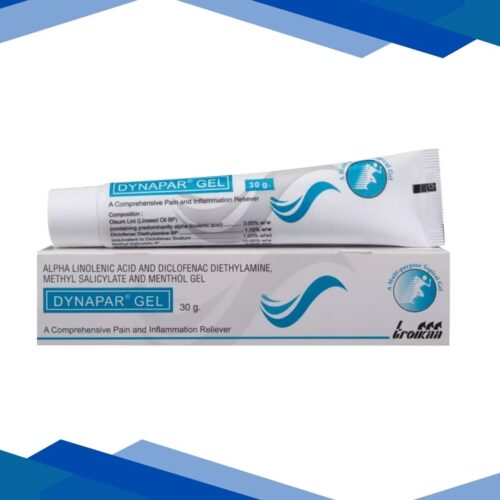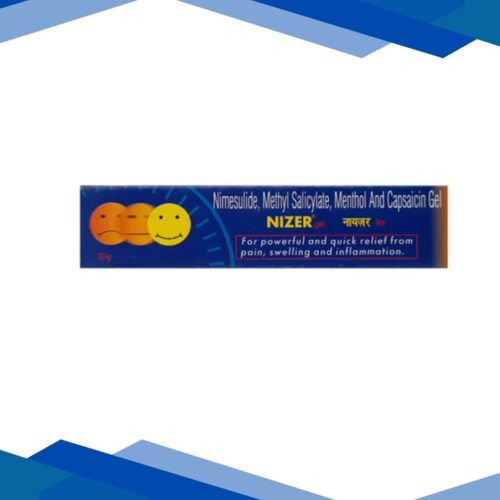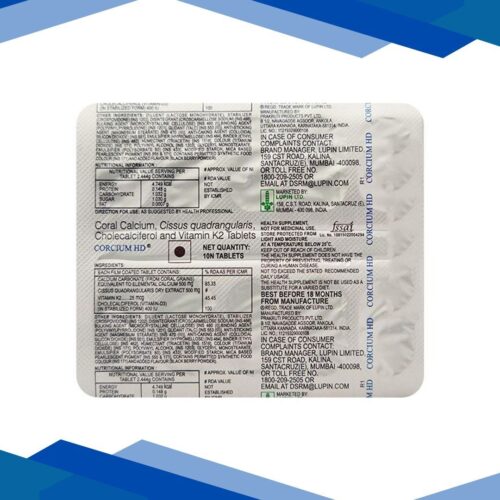
CORCIUM HD Tablet 10’s

Bold Care Extend Delay Spray 50 g
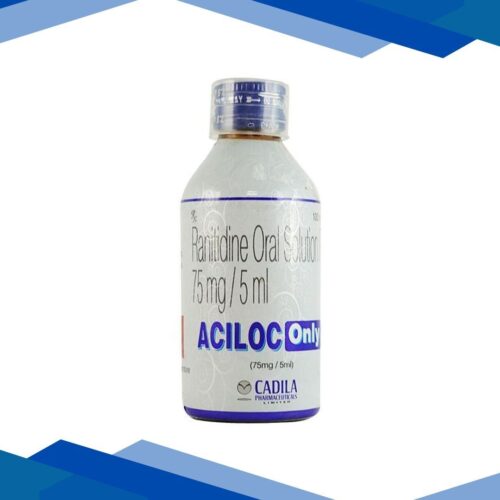
Aciloc Only Oral Liquid 100ml
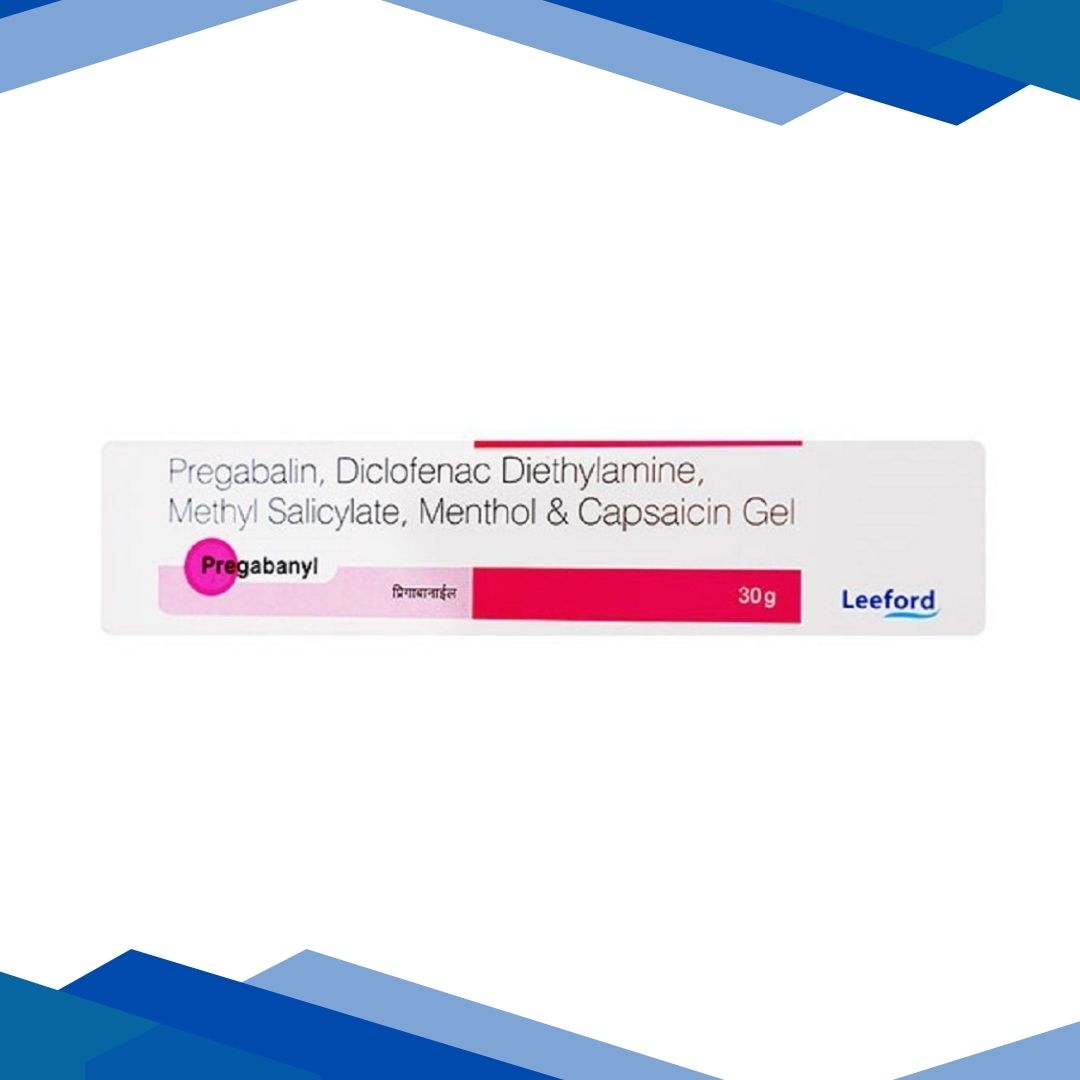
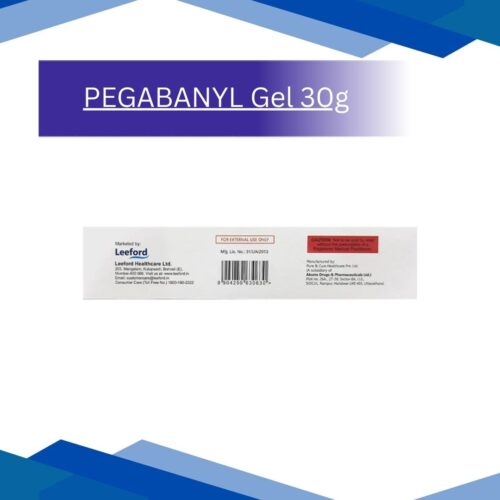
PREGABANYL Gel 30gm
No Prescription yet? Don’t worry! Click Here to Get Online Consultation
Why Prescription is Required?
✅ Providing Right Medicines
Prescriptions are complex documents. We proofread and recheck at various steps to provide you the right medication in the correct form and dose.
⚖️ Helps Comply with the Law
Most medicines cannot be sold without a valid prescription, as per the Drugs and Cosmetics Act, 1940 and Rules, 1945.
Book Appointment with Doctor
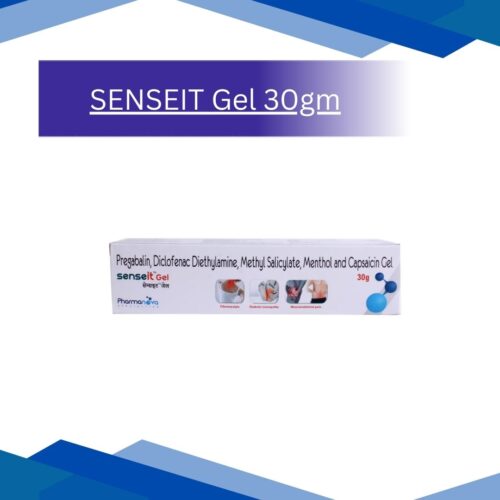
pregabaNYL Gel is used to treat neuropathic pain. It blocks the release of certain chemical messengers that cause pain and inflammation. It decreases the pain by modulating calcium channel activity.
Capsaicin Gel
Capsaicin Gel: Limited Nerve and Joint Pain Relief
Capsaicin Gel is a powerful topical analgesic derived from natural chili peppers (Capsicum annuum). A great enhancement over other gels because it works not through cooling but heat therapy, and employs heat to act at the molecular level. It has specific applications for targeted pain relief in arthritis, nerve damage (post-herpetic neuralgia), and musculoskeletal injuries. By specifically targeting pain messengers at the application site, Capsaicin Gel offers an exciting alternative for people who desire to get rid of pain without having side effects of oral painkillers.
Down to Therapeutic Uses & Benefits
Effectively decreasing joint stiffness and pain by dampening the local pain response in Osteoarthritis & Rheumatoid Arthritis.
Highly recommended for diabetic neuropathy and post-herpetic neuralgia for muscle soreness.
Technically provides deep penetrating warmth to soothe the strained muscles and backaches.
Local treatment: In the localized application, Capsaicin may be used as an okay treatment for specific tender points associated with chronic pain syndromes.
The Way Capsaicin Works (Mechanisms of Action)
Capsaicin is a Substance P depletor. Substance P is a chemomediator—a neuropeptide that transmits pain signals from the peripheral nervous system to the brain. Therefore, after an application, Capsaicin initially stimulates the release of Substance P (hence creating the sensation of warmth), but with repeated usage, the supply of the painful message dissipates. This will effectively end the signal of pain from that specific location long-term.
Safety Warnings and Practical Use Directions:
The heat factor: One should feel a temporary burning pain during early applications, which normally disappears within a day or two, as the nerves become less responsive.
1: Hand hygiene. Immediately after applying (Capsaicin Gel) except when treating your hands, make sure to wash them with soap properly. Try to avoid touching your eyes, nose, or mouth, for the gel can cause severe irritation to the mucosal membranes.
Avoid Hot Environment: Do not apply Capsaicin at once after or before taking a hot bath or while wearing any tight bandages-for the same reason already observed above.
Frequent Use: Capsaicin, unlike certain gel preparations, often needs three or four daily applications as long as two weeks before achieving any significant pain-relieving effect.
Questions and Answers:
2. Why does the gel sting right at the start?
It smells of Capsaicin-and that means it’s acting to release Substance P from your nerve endings. As this transmitter will begin to disappear from your pain-sending nerves over several days of regular use, the burner will much burn less, and pain relief will gradually start to increase.
3. Could I use a heating pad on top of my Capsaicin Gel?
That can prove harmful: any heating pad or any external heat source. Please avoid exposing the area to Capasaicin-treated products because the skin’s reaction could be severe to the extent of blisters. Leave the gel to give warmth within.
3. Can you use this over an extended period?
Yes, if you are under medical supervision, then this is so. It will not interfere with your stomach or kidneys due to various non-steroidal agents, ibuprofen, etc. The pharmacist should handle any acute increase in cutaneous irritation.
4. How should I clean the area if the burning is too intense?
If the burning pain persists, try not to remove it with lukewarm water, as it will worsen the effect. Instead, you might apply vegetable oil or cold cream to it and softly dab/blot it clean with a paper towel.
5. Can I use this gel alongside my oral arthritis medications?
Yes, in most cases; very few amounts of capsaicin gets absorbed systemically, so it rarely deals with oral medications. It is usually given as a “top-up” treatment for breakthrough pain.
Menthol
MENTHOL
Overview:
Menthol is a natural ingredient from mint that gives a cool, refreshing sensation.It’s found in ointments, lozenges, and inhalers to relieve sore throats, open up congested noses, reduce coughing, or soothe minor skin irritation. Its cooling effect helps you feel comfortable, relieved, and more at ease in everyday situations.
Classification: Symptomatic relief agent
Uses:
Menthol is used to provide quick relief from common discomforts. It can soothe a sore throat, calm a cough, ease nasal congestion, and reduce minor skin irritation.Its refreshing, cooling action makes you feel more comfortable and helps reduce the impact of everyday symptoms.
How it works:
Menthol functions to cause the nerve endings on the surface of the skin and mucous membranes to become numb, and thus observe a degree of cooling. This cooling effect fools the brain into thinking it is getting relief from discomfort, opens nasal passages, soothes an irritated throat and minor aches or itching, making you feel more comfortable and refreshed.
Dosage:
As prescribed by your doctor.
Side Effects:
Mild skin irritation or redness
Burning or stinging sensation
Allergic reactions like rash, itching, or swelling (rare)
Mild throat or mouth irritation
Precautions:
While using menthol, make sure to use it as instructed on the product and do not apply it on broken or sensitive skin. When you have been allergic previously, test in a small area to ensure there are no reactions. Do not use large quantities in use internally, such as in lozenges, or cough syrups, and store it away from the reach of children. If you experience difficulty breathing, rash or swelling, stop and get medical attention.
Disclaimer:This content is for informational purposes only. Always consult a healthcare provider for medical advice and proper dosage.
Methyl Salicylate
Methyl Salicylate, often recognized by its distinct “wintergreen” aroma, is a potent external analgesic belonging to the salicylate family. Known as a “rubefacient,” it works by causing mild irritation to the skin’s surface, which in turn increases local blood flow and generates a soothing sensation of warmth.
Chemically related to aspirin, Methyl Salicylate penetrates the skin to provide targeted anti-inflammatory action. It is a staple ingredient in high-performance pain relief sprays, ointments, and patches designed for those seeking rapid recovery from musculoskeletal discomfort.
Therapeutic Benefits & Clinical Uses
Targeted Pain Suppression: By inhibiting the cyclooxygenase (COX) enzyme at the site of application, it reduces the production of prostaglandins that trigger pain and swelling.
Counter-Irritant Action: The warming sensation distracts the brain from deeper visceral pain, making it highly effective for chronic conditions like osteoarthritis and fibromyalgia.
Post-Exercise Recovery: Frequently used by athletes to treat Delayed Onset Muscle Soreness (DOMS) and minor sports injuries such as ligament sprains.
Improved Circulation: The localized vasodilation helps “flush out” metabolic waste from tired muscles, aiding in faster tissue repair.
Product Overview at a Glance
Feature
Clinical Detail
Drug Class
Topical Analgesic / Salicylate
Primary Action
Counter-irritant and Anti-inflammatory
Common Uses
Sciatica, Lumbago, Arthritis, Bruises
Common Brands
Relispray, Move, Amrutanjan, Iodex
Frequently Asked Questions (FAQs)
1. How is Methyl Salicylate different from Menthol?
While both provide pain relief, they work differently. Menthol triggers cold receptors to provide a cooling sensation. Methyl Salicylate provides a “deep heat” sensation and possesses actual anti-inflammatory properties similar to aspirin. Many effective topical gels combine both to create a “hot-and-cold” therapy effect.
2. Can I use this if I am allergic to Aspirin?
No. Because Methyl Salicylate is a derivative of salicylic acid, individuals with a known allergy or sensitivity to aspirin (NSAIDs) should avoid using products containing this ingredient. Systemic absorption through the skin can trigger an allergic reaction in sensitive users.
3. Is it safe to apply and then wrap the area with a bandage?
You should avoid tight bandaging or using occlusive dressings over an area treated with Methyl Salicylate. Doing so can trap the heat and increase skin absorption to dangerous levels, potentially leading to severe skin irritation or systemic toxicity.
4. Can I use Methyl Salicylate on my children for growing pains?
Caution is required. Products containing salicylates are generally not recommended for children or teenagers recovering from viral infections (like the flu or chickenpox) due to the theoretical risk of Reye’s Syndrome, a rare but serious condition. Always consult a pediatrician before use.
Pregabalin
PREGABALIN
Overview:
Pregabalin is a medicine used to relieve nerve-related pain, prevent seizures, and manage anxiety. It works by calming overactive nerves in the brain and spinal cord, which helps reduce pain, tingling, or abnormal nerve signals. People use it to treat nerve pain from diabetes, lingering pain after shingles, fibromyalgia, or epilepsy.
Classification: Anticonvulsant
Uses:
Pregabalin is mainly used to relieve nerve-related pain, control seizures, and manage anxiety. It can help with nerve pain caused by diabetes, post-shingles pain, fibromyalgia, or other nerve disorders, making daily life more comfortable. It’s also used as part of epilepsy treatment to help prevent seizures.
How it works:
Pregabalin can relieve nerve pain by calming those nerves that are overactive in the brain and the spinal cord. It attaches to specific calcium channels on nerve cells thereby lowering transmission of chemical substances that carry the pain signal or induce a seizure. In this manner, Pregabalin decreases nerve pain, tingling of the nerve, and abnormal nerve activity making people more comfortable and in control of their symptoms.
Dosage: As prescribed by your doctor.
Side Effects:
- Drowsiness or sleepiness
- Dizziness or lightheadedness
- Weight gain or mild swelling (edema)
- Dry mouth
- Blurred vision
Precautions:
Before taking Pregabalin, it’s important to tell your doctor if you have any kidney problems, heart issues, or a history of mood disorders. Avoid driving or operating heavy machinery until you know how the medicine affects you, because it can cause drowsiness or dizziness. Take it exactly as prescribed and do not stop suddenly, as this can trigger seizures. Also tell your doctor about any other medicines or supplements you use to prevent interactions.
Disclaimer:This content is for informational purposes only. Always consult a healthcare provider for medical advice and proper dosage.