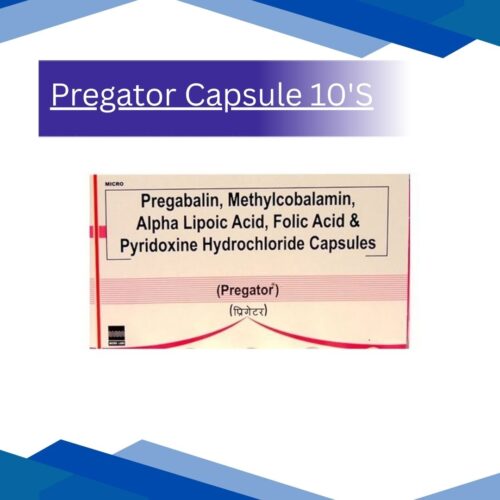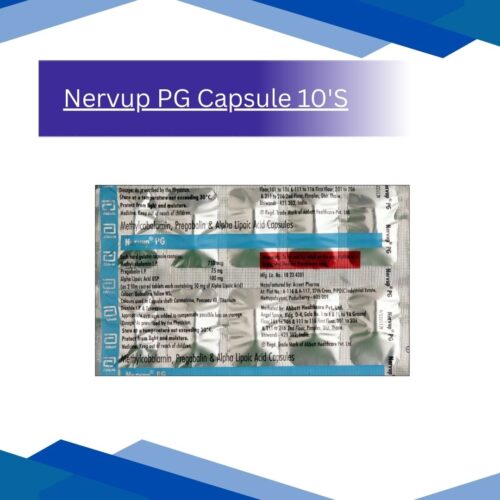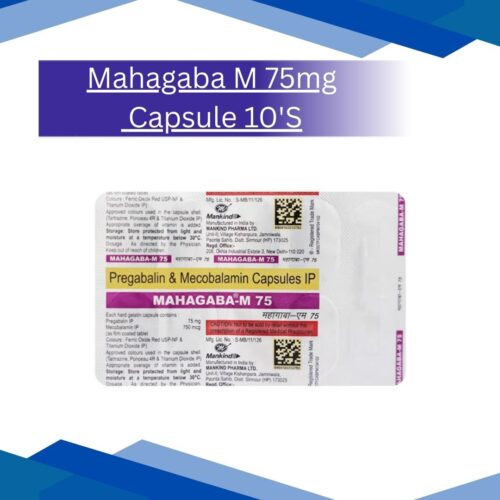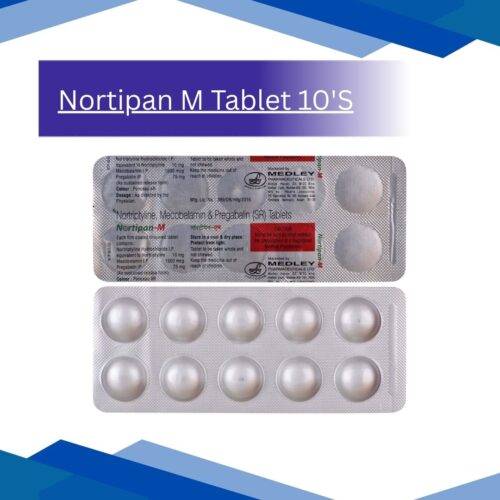


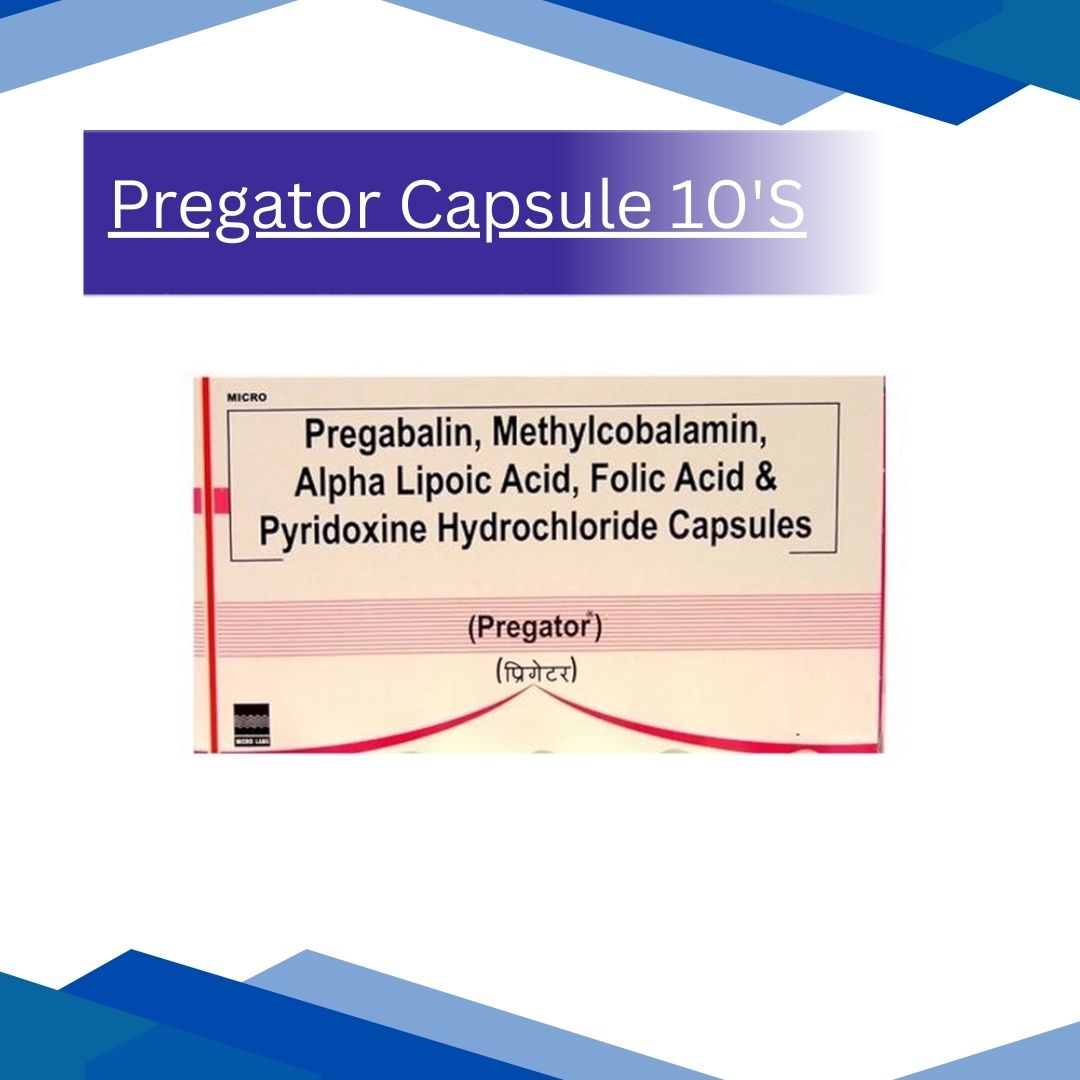
Pregator Capsule 10’S

212.00 Original price was: ₹212.00.160.00Current price is: ₹160.00.
In Stock

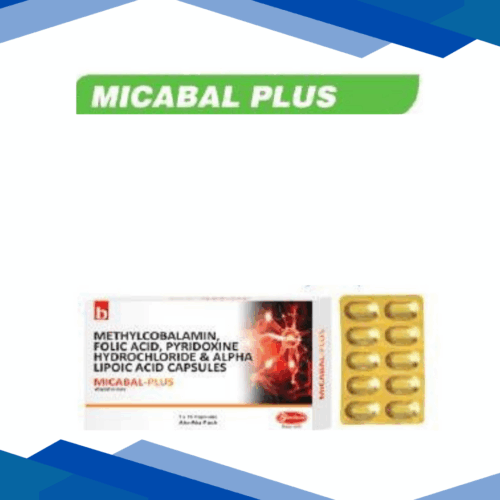
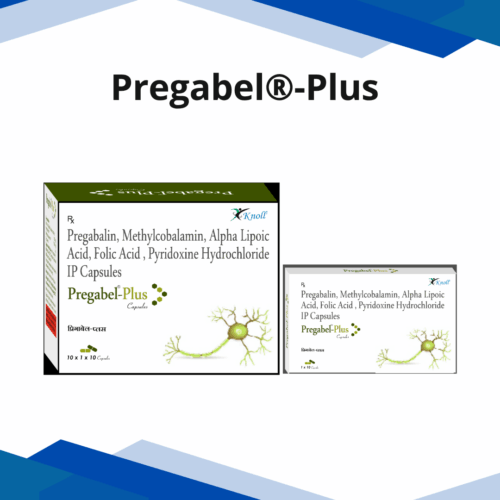
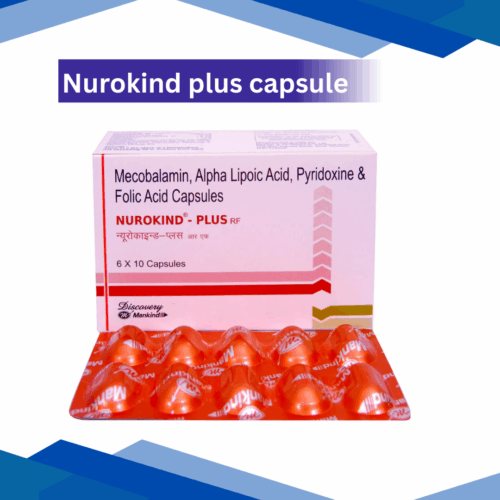
PREGATOR CAPSULE is a combination of Alpha lipoic acid, Methylcobalamin, Folic acid, Pregabalin, and Pyridoxine, which belongs to the group of medicines called Antioxidants, Cyclic GABA analogues, and Vitamin B complexes, respectively. It is used in adults to manage painful diabetic neuropathy (nerve damage occurring over time because of high sugar and fat levels in the blood due to diabetes).

In Stock
Add to wishlist

Alpha Lipoic Acid

ALPHA LIPOIC ACID

Overview:
The potential benefits of alpha-lipoic acid include improving blood sugar in diabetes, relieving nerve pain, promoting weight loss, reducing inflammation, and supporting heart and skin health

Classification: Antioxidant

Uses:

Diabetes and diabetic neuropathy (nerve pain)

Antioxidant support (protects cells from oxidative stress)

Improving skin texture (in anti-aging creams)

Weight loss and metabolism support (though evidence is limited)

Brain health (studied for use in Alzheimer’s and cognitive decline)

Liver support (in conditions like fatty liver disease)


How It Works: 

Conversion to EPA & DHA (Partially)

ALA is partially converted in the body into eicosapentaenoic acid (EPA) and docosahexaenoic acid (DHA)—the active forms of omega-3s found in fish oil.

This conversion is limited: typically less than 10% of ALA becomes EPA, and even less becomes DHA.

These converted forms play critical roles in anti-inflammatory pathways, brain health, and cardiovascular protection.

Incorporation into Cell Membranes

ALA is integrated into cell membranes, especially in the heart and immune system, improving membrane flexibility and function.

Regulates Inflammation

ALA helps reduce inflammation by affecting the production of pro-inflammatory eicosanoids (signaling molecules).

This can be beneficial in conditions like heart disease, arthritis, and metabolic syndrome.

Lipid Regulation

ALA can lower blood triglycerides and improve cholesterol profiles (increasing HDL and reducing LDL in some studies).

Antioxidant Effects

While not a direct antioxidant, ALA supports antioxidant defenses by modulating gene expression and reducing oxidative stress markers.

Dosage: As prescribed by your doctor.

Side effects:
Low blood sugar
Nausea
Rash (when using an ALA cream or ointment)
Vomiting
Headache
Heartburn

Precautions:
Ask a doctor other healthcare provider before taking ALA if it is safe for you to use this product if you have:
liver disease;
diabetes (Alpha Lipoic Acid can cause low blood sugar);
a thyroid disorder;
a thiamine deficiency (thiamine is a form of vitamin B); or
if you drink large amounts of alcohol.

Disclaimer:
This content is for informational purposes only. Always consult a healthcare provider for medical advice and proper dosage

Folic Acid

FOLIC ACID

OVERVIEW

Folic acid (vitamin B9) is a B vitamin supplement that may be used to prevent and treat folate deficiency (low blood levels of folate) that can cause megaloblastic anemia.

CLASSIFICATION

B-vitamin

USES

Folic acid is a B complex vitamin effective in the treatment of megaloblastic anemias due to a deficiency of folic acid (as may be seen in tropical or nontropical sprue) and in anemia of nutritional origin, pregnancy, infancy, or childhood.

HOW IT WORKS

Folic acid is approved for the prevention and treatment of folate deficiency. Healthy levels of this vitamin, which is really a hormone, not only helps form red blood cells, it protects your brain health and supports a healthy pregnancy.

DOSAGE

As directed by the physician

PRECAUTIONS

Tell your doctor if you are pregnant or plan to become pregnant before using folic acid; folic acid requirements are markedly increased during pregnancy, and deficiency may harm a fetus. Folic acid passes into breast milk. Folic acid requirements are markedly increased while breastfeeding; however, amounts present in breast milk are adequate to fulfil infant requirements. Consult your doctor before breastfeeding

SIDE EFFECTS

Redness

skin rash

itching

feeling unwell (malaise), and

respiratory difficulty due to bronchospasm

Disclaimer

This content is for informational purposes only. Always consult a healthcare provider for medical advice and proper dosage.

PRECAUTIONS

Read the label carefully before use

Store in a dry and dark place at a temperature not exceeding 30C. Do not freeze

Keep out of reach of children

SIDE EFFECTS

· Redness

· Dryness

· Itching

Disclaimer

This content is for informational purposes only. Always consult a healthcare provider for medical advice and proper dosage.

Mecobalamin

MECOBALAMIN

Overview:

Mecobalamin, also known as methylcobalamin, is an active form of vitamin B12 that is directly used by the body. It plays a crucial role in maintaining healthy nerves, producing red blood cells, and supporting brain function. It also helps in treating certain types of anemia. Mecobalamin works by repairing nerve cells and improving their function.

Classification:

Vitamin B12

Uses:

Mecobalamin is mainly used to treat problems caused by a lack of vitamin B12 in the body. It helps in treating nerve-related issues like numbness, tingling, and weakness, especially in people with diabetes, alcohol-related nerve damage, or other nerve problems. It is also used to treat a type of anemia called megaloblastic anemia, which happens when the body can’t make enough healthy red blood cells.

How It Works:

Mecobalamin is the active coenzyme form of vitamin B12,which works primarily by participating in key biochemical reactions essential for nerve and blood cell function. It acts as a cofactor for the enzyme methionine synthase, which helps convert homocysteine to methionine—a vital amino acid used to produce S-adenosylmethionine (SAMe). SAMe is a universal methyl donor involved in various methylation processes such as DNA synthesis, neurotransmitter regulation, and myelin sheath maintenance. Mecobalamin is especially important in the nervous system, where it promotes the regeneration of damaged nerves, repairs the myelin sheath, and improves nerve signal transmission. Additionally, it supports nucleic acid synthesis, which is necessary for the production of healthy red blood cells, helping to treat megaloblastic anemia. This dual action—on nerves and blood—makes mecobalamin highly effective in managing neurological disorders, peripheral neuropathies, and vitamin B12 deficiency.

Dosage:

As prescribed by your doctor.

Side Effects:

Nausea

Dizziness

Diarrhea

Pain or swelling at the injection site

Fatigue

Precautions:

Before using Mecobalamin, certain precautions should be taken to ensure safe use. Patients should inform their doctor if they have a history of allergies to vitamin B12 or related compounds. Those with Leber’s disease, a rare inherited eye disorder, should avoid mecobalamin, as it may worsen vision loss. Caution is also advised in individuals with low potassium levels, folate or iron deficiency, or kidney and liver problems. Mecobalamin is generally considered safe during pregnancy and breastfeeding, but it should only be used under medical supervision. It is important to tell your doctor about any other medications you are taking, especially metformin, antacids, or proton pump inhibitors, as these can reduce vitamin B12 absorption. Alcohol can also interfere with its effectiveness

Disclaimer

This content is for informational purposes only. Always consult a healthcare provider for medical advice and proper dosage.

Pregabalin

PREGABALIN

Overview:

Pregabalin is a medicine used to relieve nerve-related pain, prevent seizures, and manage anxiety. It works by calming overactive nerves in the brain and spinal cord, which helps reduce pain, tingling, or abnormal nerve signals. People use it to treat nerve pain from diabetes, lingering pain after shingles, fibromyalgia, or epilepsy.

Classification: Anticonvulsant 

Uses:

Pregabalin is mainly used to relieve nerve-related pain, control seizures, and manage anxiety. It can help with nerve pain caused by diabetes, post-shingles pain, fibromyalgia, or other nerve disorders, making daily life more comfortable. It’s also used as part of epilepsy treatment to help prevent seizures. 

How it works:

Pregabalin can relieve nerve pain by calming those nerves that are overactive in the brain and the spinal cord. It attaches to specific calcium channels on nerve cells thereby lowering transmission of chemical substances that carry the pain signal or induce a seizure. In this manner, Pregabalin decreases nerve pain, tingling of the nerve, and abnormal nerve activity making people more comfortable and in control of their symptoms.

Dosage: As prescribed by your doctor.

Side Effects:

  • Drowsiness or sleepiness
  • Dizziness or lightheadedness
  • Weight gain or mild swelling (edema)
  • Dry mouth
  • Blurred vision

Precautions:

Before taking Pregabalin, it’s important to tell your doctor if you have any kidney problems, heart issues, or a history of mood disorders. Avoid driving or operating heavy machinery until you know how the medicine affects you, because it can cause drowsiness or dizziness. Take it exactly as prescribed and do not stop suddenly, as this can trigger seizures. Also tell your doctor about any other medicines or supplements you use to prevent interactions.

Disclaimer:This content is for informational purposes only. Always consult a healthcare provider for medical advice and proper dosage.

Pyridoxine Hydrochloride

PYRIDOXINE

Overview

Pyridoxine Hydrochloride is a form of Vitamin B6, a water-soluble vitamin that your body needs to stay healthy. It helps with brain function, nerve health, blood production, and turning food into energy. It’s often used as a supplement when your body doesn’t get enough Vitamin B6 naturally.

Classification
It is classified as a vitamin supplement — specifically, part of the Vitamin B complex group. These vitamins help support many essential functions in the body, especially the nerves, skin, and red blood cells.
Uses
Treats or prevents Vitamin B6 deficiency

Helps manage nerve-related problems (like numbness, tingling, or weakness)

Used in treatment of anemia (low red blood cells)

Often given with other medicines to prevent side effects (e.g., with TB drugs like isoniazid)

Supports brain health, improves mood, and may help reduce morning sickness in pregnancy

Helps with PMS symptoms, carpal tunnel syndrome, and certain metabolic disorders
How It Works
Pyridoxine helps the body use proteins, fats, and carbohydrates from the food you eat. It also supports the nervous system, keeps your immune system strong, and helps in making red blood cells. It plays a key role in keeping your brain and nerves working properly.
Dosage
As prescribed by your doctor.
Side effects
Usually safe when taken in recommended amounts. However, high doses or long-term use may cause:
Numbness or tingling in hands and feet

Loss of coordination or balance

Upset stomach or mild nausea

Skin rash (rare)

Extreme tiredness or headache in rare cases
Precautions
Tell your doctor if you have kidney or liver issues

Long-term high doses can cause nerve damage — always take the amount recommended

Safe for pregnant or breastfeeding women if taken as advised by a doctor

Avoid self-medicating with large doses without medical guidance

May interact with certain medications like TB drugs, epilepsy medicine, or chemotherapy

Disclaimer
This content is for informational purposes only. Always consult a healthcare provider for medical advice and proper dosage

No products in the cart.