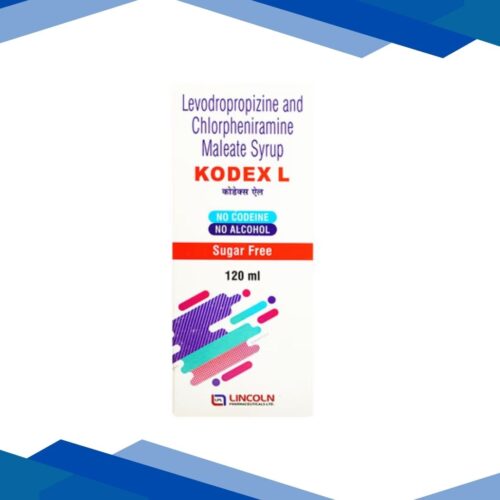
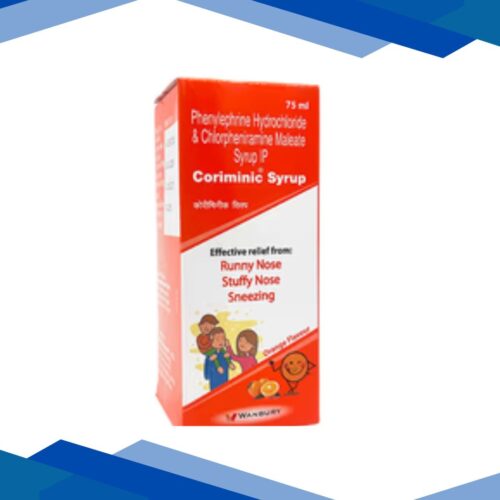
Chlorpheniramine Maleate
CHLORPHENIRAMINE MALEATE
Overview:
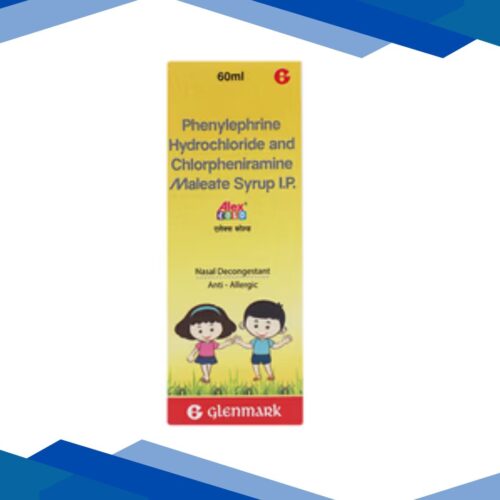
Chlorpheniramine Maleate is an antihistamine medicine that helps reduce allergy symptoms like sneezing, runny nose, itchy or watery eyes, and hives. It works by blocking histamine, a chemical in the body that causes allergic reactions. Doctors commonly use it for allergic rhinitis, hay fever, urticaria, and other mild allergic conditions.It is available as tablets, syrups, and injections.
Classification: First-generation antihistamine
Uses:
- Relieves allergy symptoms like sneezing, runny nose, and itchy eyes
- Treats hay fever (allergic rhinitis)
- Sometimes used for cold symptoms like runny nose
- Reduces itching from insect bites or mild allergic reactions
- Helps with hives (urticaria) and skin rashes
How it works:
Chlorpheniramine Maleate works by blocking histamine, the chemical that causes allergy symptoms like sneezing, runny nose, itching, watery eyes, and rashes. By preventing histamine from attaching to H1 receptors, it reduces allergic reactions and helps you feel more comfortable. It may cause mild drowsiness because it can also affect the brain.
Dosage: As prescribed by your doctor.
Side Effects:
- Drowsiness or sleepiness
- Dry mouth, nose, or throat
- Dizziness or headache
- Nausea or mild stomach upset
- Blurred vision (rare)
- Excitability or restlessness in some children
Precautions:
Chlorpheniramine helps with allergies but should be used carefully. Avoid it if you’re allergic, and pregnant or breastfeeding women should only use it if advised by a doctor. Kids and older adults may get sleepy, and people with glaucoma, asthma, heart problems, or urinary issues should be cautious. It can cause drowsiness or dizziness, so avoid driving or operating machinery.
Disclaimer:This content is for informational purposes only. Always consult a healthcare provider for medical advice and proper dosage.
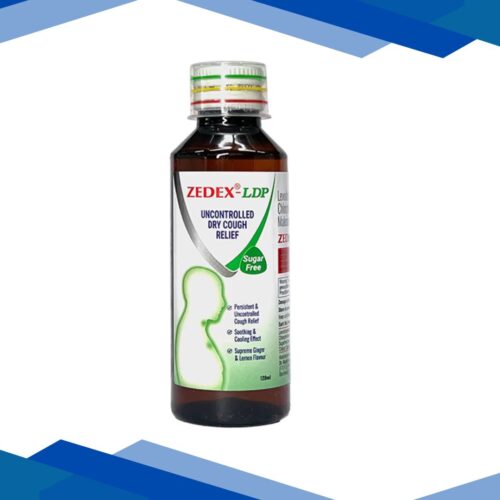
Levodropropizine
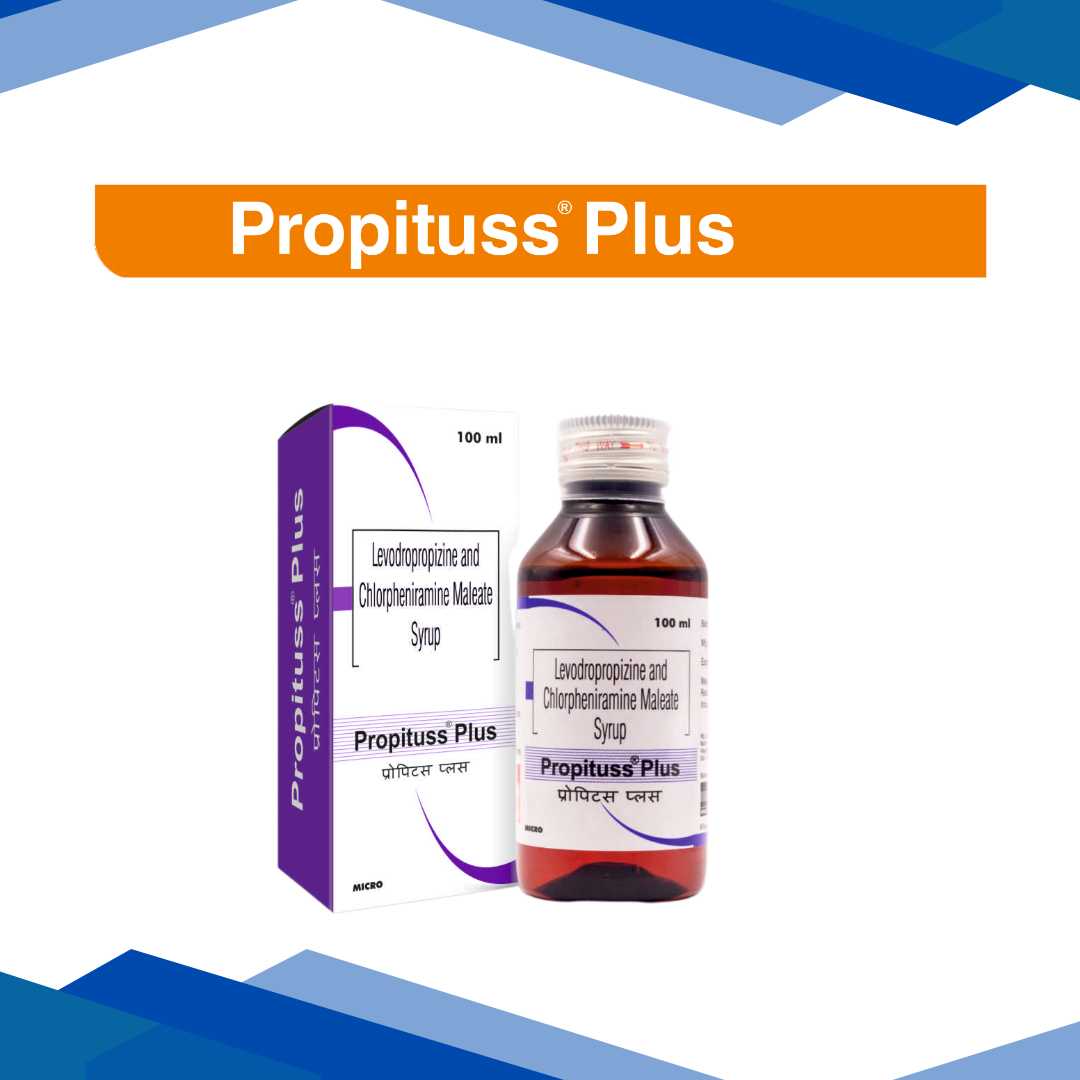
Syrup of Levodropropizine (30mg/5ml)
Levodropropizine is an antitussive, used mainly to treat non-productive dry cough. It works by reducing the sensitivity of the nerve endings, which get triggered when the cough is felt. A major advantage of Levodropropizine is that it has a peripheral antitussive mechanism and does not act in the brain’s cough center, resulting in a shorter sedative effect.
Key Benefits & Use
Tends to Relieve Dry Coughs specifically: Directly annoying so-called dry coughs disturbing the patient from producing mucus is targeted.
Non-Drowsy Formulation: Since it does not act significantly into the brain, it is unlikely to produce the “drowsiness” associated with other antitussives.
Enhanced Sleep: Going some way to aid patient rest by reducing the coughing at night-time and the intensity of the irritation.
Respiratory Support: Frequently used for coughs in distress in bronchitis, laryngitis, or common viral infections.
Prohibitions in Use
On an empty stomach: Between meals is generally the best time to take syrup for the best result.
Dosing accuracy is key: Use only the provided measuring cup or syringe—no standard kitchen spoon.
Hydrating: To help with sore throat lubrication, drink plenty of water throughout the day in support of recovery.
Duration: Use only as prescribed. If cough does not relieve within 7 days, visit your doctor for advice.
Safety precautions
Note to parents: Levodropropizine is not recommended for children under 2 years of age unless given pediatrician consent.
Implication in pregnancy and breastfeeding: Consult a healthcare provider before using as it is not absolutely clear of the drug’s effects in pregnancy and lactation.
Productive Cough: This is generally unsuccessful in cases of “wet” coughs (coughs with phlegm). The suppression of productive cough can lead to mucus in the lungs.
Allergies: Inform your doctor if you have any severe allergic history or any instance of Kartagener syndrome.
Common Side Effects
Most patients find Levodropropizine very tolerable. Some individuals may experience:
- Mild nausea or heartburn
- Fatigue or dizziness
- Abdominal discomfort
- Dizziness (rare)
Frequently Asked Questions (FAQs)
Q: Is Levodropropizine the same as Dextromethorphan?
A: No. While both are active against coughs, Dextromethorphan acts centrally in the brain, while Levodropropizine acts on the nerves present in the lungs and throat. This involvement is frequently associated with fewer side effects such as drowsiness or constipation in Levodropropizine users.
Q: Which type of cough does this syrup treat? Can it be taken for a cough with mucus?
A: No. Levodropropizine is an antitussive that works by stopping the cough reflex. In a cough with mucus, you need to cough to clear your airways. Suppressants in such incidences might make it worse for you.
Q: How soon will the syrup work?
A: In 30–60 minutes post dosage, patients usually report reduced cough intensity.
Q: Does it interact with alcohol?
A: While less sedative than some other medications, the patient should still avoid alcohol when using a cough suppressant to prevent increased dizziness or coordination issues.
Q: Could you please give some common market names of this medicine in India?
A: You may find this preparation under brand names like Rapitus, Reswas, Lutuss, or Dropizin. Remember to check the label for the active salt content.