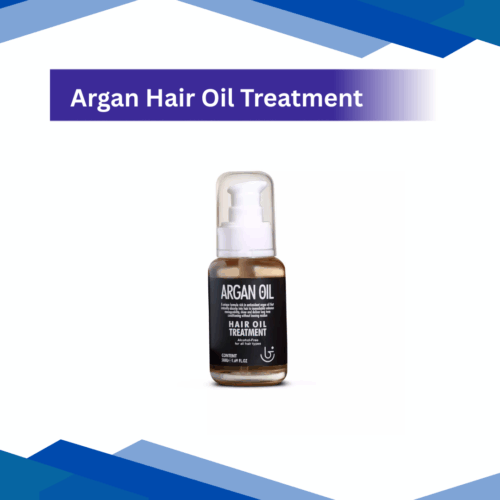
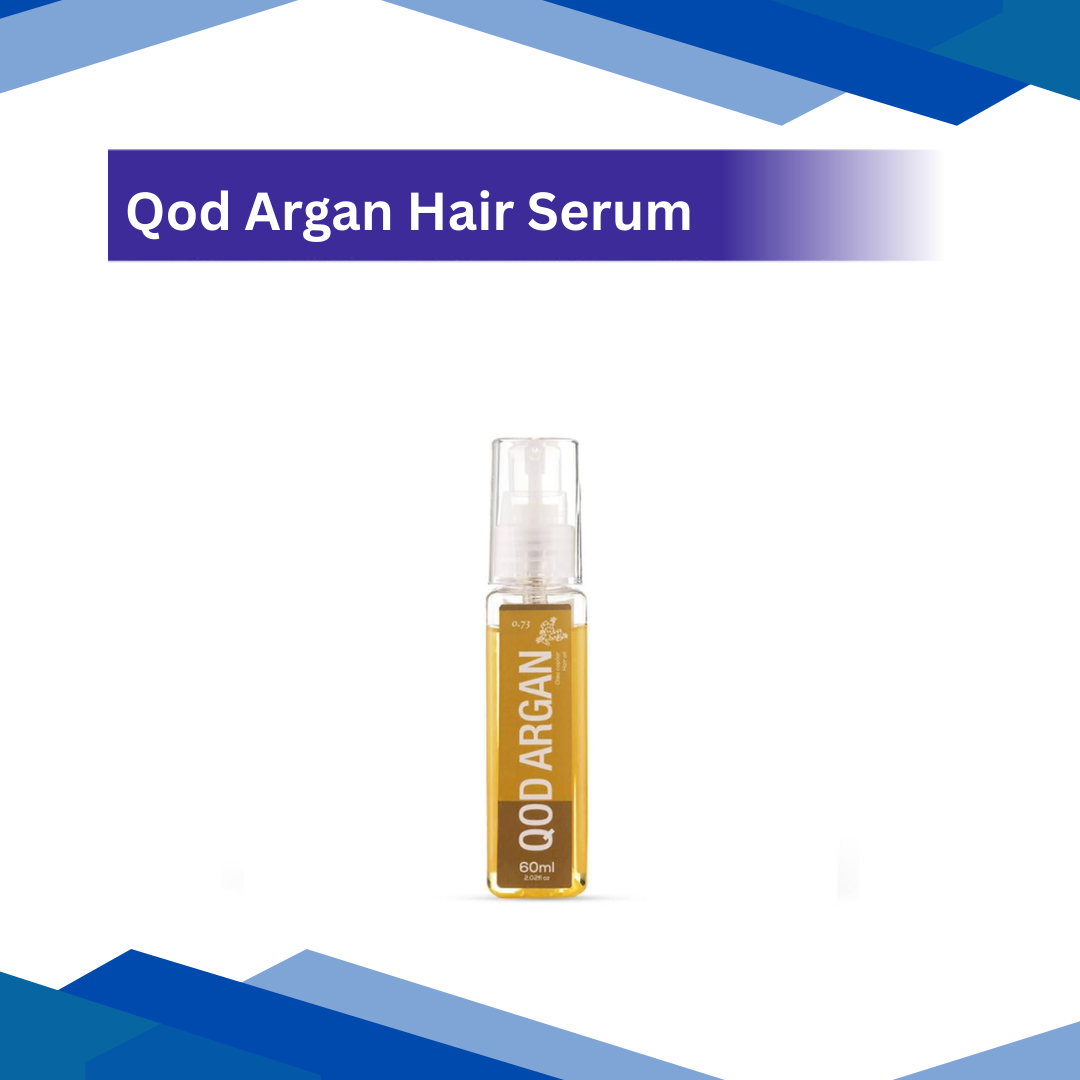
QOD Argan Hair Serum 60 ml
QOD Argan Hair Treatment Serum 60 ml is a lightweight, smoothing serum formulated to add shine, reduce frizz, and soften hair by coating strands with argan oil and light silicones. For more details kindly click on Medicine Salts below :
Silicones
Silicone in Skincare & Health: Uses, Benefits, & Safety Silicones take pride in having seen wide application in both medical and cosmetic fields and standing as one single entity of great diversity. Best and most appreciated for being responsible for generating a breathable shield on the skin, they are indispensable in 21st-century medicine for wound care, scar management, and a myriad of dermatological formulations. In the healthcare and wellness realms, materials like Dimethicone, Cyclomethicone, and Silica play a key role in addressing the skin by providing a top-class capability to improve skin texture faster post-op. It is upon grasping the very mechanism through which these materials function that an ingredient regimen becomes meaningful.
Where Do Silicones Fit Into Modern Healthcare? While sensory attributes are what earn silicones their stripes, this is not all when it comes to addressing clinical outcomes: Barriers that Shield the Skin: Formulation of a comfortable, watertight layer to stop TEWL (Trans Epidermal Water Loss) is to maintain the skin's humidity tandem with the function of not blocking pores. Scars: Medical-grade silicone sheets and gels are the last word for flattening and softening raised hypertrophic and keloidal scars by suppressing collagen. Their Role in Protecting Irritation: Found in products like diaper rash creams and eczema ointments, this couple shields sensitized skin against the wrath of offending environmental irritants such as moisture, rubbing, and pollutants. Effective Delivery: They are used to distribute active pharmaceutical ingredients (APIs), which are subsequently absorbed into the user's skin (in safe proportions).
Commonly Found Types of Silicones in Products Dimethicone: Unique in its heavy characteristics, it is one of the most commonly employed silicones in formulations of skin barrier regeneration and moistening effects. Cyclopentasiloxane: A substance that is classified as volatile, evaporating quickly so feeling light on the skin, therefore assisting the quick spreading of products. Silicone Gel: Specially formulated for post-surgery recovery and scar modification.
Frequently Asked Questions (FAQs) 1. Are silicones safe for all skin types? Yes, silicones are relatively very safe and chemically inert, meaning they are non-reactive to the skin. They are particularly beneficial for dry and sensitive skin. However, people with oily or acne-prone skin should look for products labeled “non-comedogenic” to avoid unwanted blemishes.
2. Do silicones clog pores or cause acne? Most silicones are considered “breathable” due to their molecular structure, which allows oxygen to pass through. While they form a coating to lock in moisture, they typically do not suffocate the skin or directly cause acne.
3. How do silicone gels help with scars? Silicone gels mimic the skin's natural barrier and create a moist healing environment, helping reduce redness, itching, and scar thickness over time.
4. Do I have to use silicone-based products daily? Many everyday moisturizers and sunscreens include silicones to enhance water resistance and provide a smooth finish. Regular use can support effective long-term skincare.
5. How am I supposed to apply medical silicone-based gels? Apply a small amount onto clean, dry skin. Allow it to air dry for a few minutes before touching the area—a little goes a long way.
Vitamin E
Vitamin E: The Essential Antioxidant for Skin, Hair, and Immunity Vitamin E is a potent, fat-soluble nutrient that plays a significant role in maintaining overall health. It is widely known for its powerful antioxidant properties which protect cells from oxidative stress caused by free radicals—unstable molecules that can damage cellular structures. While Vitamin E occurs naturally in foods like nuts, seeds, and leafy greens, many individuals turn to Vitamin E supplements to bridge the gap in common nutrients necessary to support certain health goals.
Benefits with Special Research for Vitamin E Skin Health & Healing: Although Vitamin E has long been referred to as the "skin vitamin," its main role is to maintain moisture and support the skin's natural barrier against environmental stressors—largely UV rays and pollutants. Hair Shine: With Vitamin E, fighting against oxidative stress over your scalp conditions hair follicles, which strengthens the roots and provides for natural radiant hair. Immune System Support: This substance proves to enhance the immune response of the older individual by contributing to the life, stability, and normal function of the immune cell wall. Cardiovascular Wellness: It assists in maintaining healthy blood vessels and supports smooth blood flow throughout the body.
How to Use Vitamin E Supplements To get the most out of your supplement, keep the following guidelines in mind: Consistency is Key: Take your capsule at the same time every day to maintain steady levels in your system. Take with Meals: Since Vitamin E is fat-soluble, it is best absorbed when taken with a meal containing healthy fats (such as avocado, nuts, or olive oil). Storage: Keep the bottle in a cool, dry place away from direct sunlight to prevent the softgels from degrading.
Frequently Asked Questions (FAQs) Q: Can I apply Vitamin E capsule oil directly to my face? A: The oil stored in the capsules can be used as a spot treatment, which is very hydrating. Still, acne-prone or oily skin should undergo testing (without the addition of other products to limit any variables). Such oil could possibly clog the pores. Q: Is it safe to take Vitamin E if you're taking other supplements? A: For most healthy adults, ingestion within the RDA on a daily basis does not pose any hazardous health risk. Dietary supplements have limitations of their own; taken in large quantities on an indefinite basis, Vitamin E affects the coagulation balance. Q: How long does it take for the skin and hair to show Vitamin E supplement results? A: With daily doses, one might see improvements in skin texture and hair health by the fourth to eighth week of beginning a regular supplement. Q: Can Vitamin E be taken with other multivitamins? A: In most multivitamin mixes, Vitamin E is a not-to-be-missed ingredient. It works especially well when combined with Vitamin C, as these two antioxidants play a complementary role in the body and help to replenish each other. Note: It is strictly advised to seek guidance from your professional healthcare provider before starting any new supplement regimen, particularly if nursing, pregnant, or possessing coagulation-related issues.
At Gem Pharmacy, we make every effort to provide accurate, expert-written, and thoroughly reviewed information related to medicines. However, this information should not be considered a substitute for professional medical advice, diagnosis, or treatment from a qualified doctor.
The purpose of this information is to educate users and improve communication between patients and healthcare professionals. It should not be used to diagnose or treat any condition.
Always consult a certified healthcare professional before taking any medication.


Related products
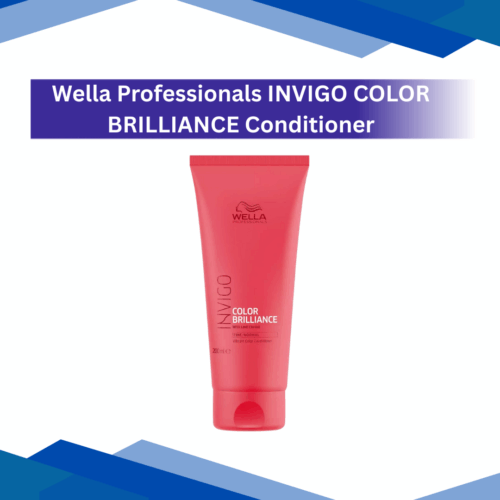
Wella Professionals INVIGO COLOR BRILLIANCE Conditioner
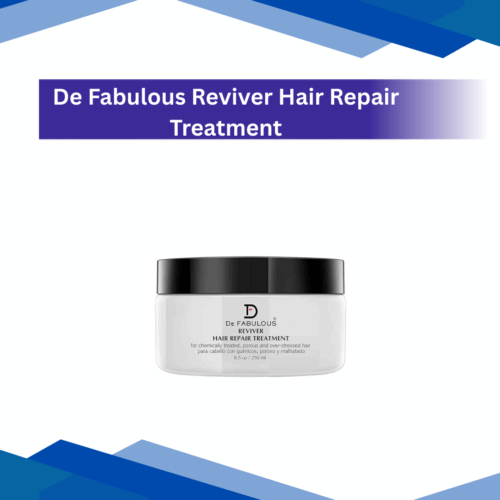
De Fabulous Reviver Hair Repair Treatment 250 ml
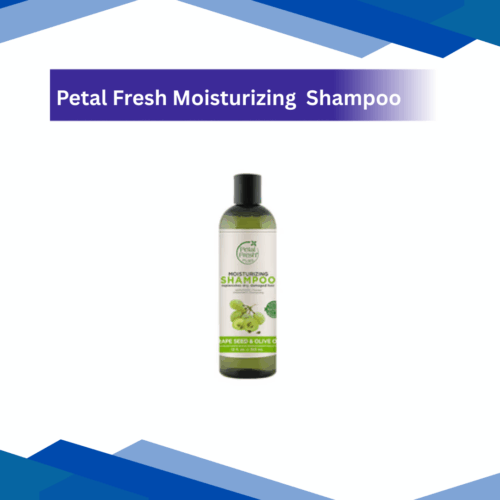
Petal Fresh Moisturizing Shampoo 355 ml