Paracetamol
PARACETAMOL
Overview
Paracetamol is a commonly used medication that helps relieve mild to moderate pain and reduce fever. It’s often used for:
Headaches
Toothaches
Muscle and back pain
Menstrual cramps
Cold and flu symptoms
It’s available over-the-counter and is considered safe when used as directed.
Classification
Analgesic and antipyretic agent
Uses
Paracetamol is used for pain relief and fever. It is used to relieve pain in conditions like headache, muscle pain, or dental pain.
How it works
When you produce a fever, your body’s internal thermostat — found in the hypothalamus portion of the brain — is raised to a higher temperature. This new set point is usually induced by pyrogens (substances made during infections) that tell the body to produce more heat as a form of immune defense.
Due to its effects in the brain, paracetamol reduces the production of reactive prostaglandins. Prostaglandins are disease-fighting chemicals released during infection that in turn, raise the body’s temperature set point. By decreasing prostaglandin levels, paracetamol enables the hypothalamus’ temperature control centre to bring the body’s temperature back down to normal, allowing the body to cool down and the fever to subside
Dosage
As directed by the physician
Precautions
Most people can take paracetamol safely, including:
pregnant women
breastfeeding women
children over 2 months of age – lower doses are recommended for young children
always get advice before taking paracetamol if you:
have liver or kidney problems
have problems with alcohol, like long-term alcohol misuse
are very underweight
are taking other medications
Don’t take paracetamol if you’ve had an allergic reaction to it in the past
Side effects
common side effects of paracetamol.
Nausea
Swelling
Vomiting
Pain
Tenderness in the upper abdomen
Sweating
Loss of appetite
Stomach cramps
Diarrhea
Major side effects are as follows:
Dark-colored urine
High fever
Lower backache
Skin having red spots
Rashes
Inflammation
Itching
Sore throat
Ulcers
Breathlessness
Yellowish eyes
Disclaimer
This content is for informational purposes only. Always consult a healthcare provider for medical advice and proper dosage.
Serratiopeptidase
SERRATIOPEPTIDASE
OVERVIEW
Serratiopeptidase helps the body break down proteins, thereby reducing inflammation
CLASSIFICATION
Non-steroidal anti-inflammatory drug’ (NSAID)
USES
Serrapeptase is promoted as an anti-inflammatory and mucolytic agent, but efficacy for either use has not been well established. Two randomized controlled trials reported no reduction in swelling caused by sprained ankles, and results of studies evaluating use for pain and swelling after dental surgery are conflicting. Two clinical trials evaluating serrapeptase as a mucolytic agent also reported conflicting results. Serrapeptase has also been investigated for adjunctive use to antibiotics to enhance antibiotic activity; however, evidence is limited to 2 low-quality clinical studies
HOW IT WORKS
The specialty of Serrapeptase is it breaks down non-living proteins inside the human body. Non-living tissues are there in the body only when there is inflammation, swelling, or clogging. Serrapeptase geo-targets such sites in the body and reduces inflammation.
DOSAGE
As directed by the physician
PRECAUTIONS
Pregnancy and breastfeeding: There’s not enough research yet to know if serrapeptase is safe during pregnancy or while nursing. So, to be cautious, it’s best to avoid using it during these times.
Bleeding disorders: Serrapeptase may affect how your blood clots. If you have a bleeding condition, it could make things worse. It’s important to talk to your doctor before taking it.
Before surgery: Since serrapeptase can affect blood clotting, there’s a risk it could lead to more bleeding during or after surgery. Be sure to let your doctor know if you’re taking it, especially if you have surgery planned
SIDE EFFECT
There are several side effects of taking Serrapeptase, such as –
Skin irritation or dermatitis
Erythema or rashes
Joint pain
Nausea
Cough
Blood clotting disturbance
Poor appetite
Muscle pain
DISCLAIMER
This content is for informational purposes only. Always consult a healthcare provider for medical advice and proper dosage
Tramadol
TRAMADOL
Overview:
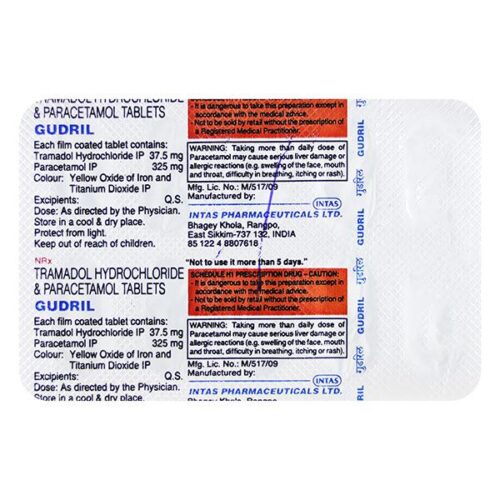
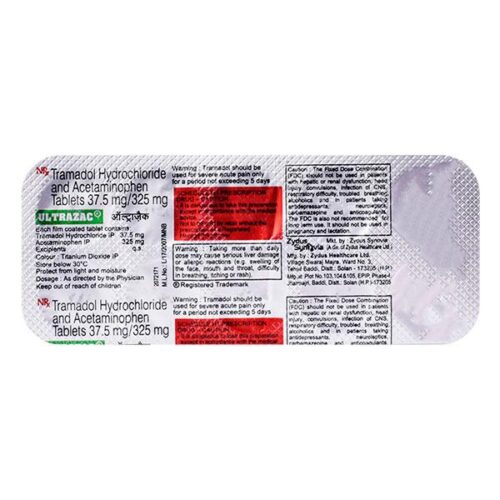
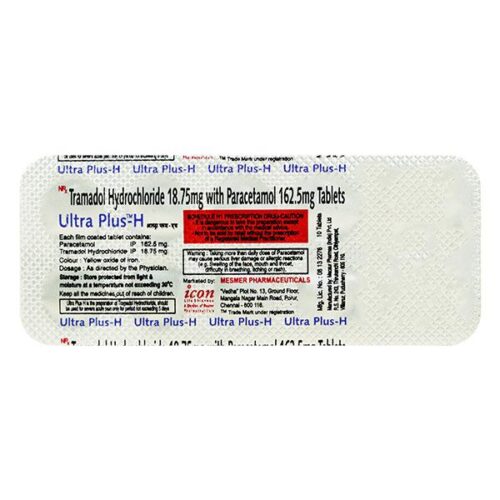
Tramadol is a pain-relief medicine used to treat moderate to severe pain. It’s often taken when regular painkillers like paracetamol or ibuprofen aren’t strong enough. It works in the brain to reduce how your body feels and responds to pain.
Classification:
Tramadol belongs to a group of medicines called opioid (narcotic) painkillers. It’s a central-acting analgesic, meaning it works directly on the brain and nerves to block pain signals.
Uses:
Tramadol is used for:
Moderate to severe pain
Pain after surgery or injury
Chronic pain (like in arthritis or nerve damage)
Pain that doesn’t respond to milder painkillers
How It Works:
Tramadol works by:
Blocking pain signals in the brain and spinal cord
Increasing certain brain chemicals (like serotonin and norepinephrine) that help reduce the feeling of pain
This way, it changes how your body feels and reacts to pain.
Dosage: As prescribed by your doctor.
Side effects:
- Dizziness or drowsiness
- Nausea or vomitin
- Dry mouth
- Constipation
- Headache
- Feeling tired or sleepy
- Breathing problems
- Seizures (fits)
Precautions:
- Don’t take with alcohol or other sedatives – it can slow down breathing.
- Avoid driving or using machines until you know how it affects you.
- Let your doctor know if you have kidney, liver, or breathing problems, or if you’ve had a history of drug abuse.
- Not recommended during pregnancy or breastfeeding without doctor’s advice.
- Take only as prescribed – don’t increase the dose on your own.
Disclaimer: This content is for informational purposes only. Always consult a healthcare provider for medical advice and proper dosage.