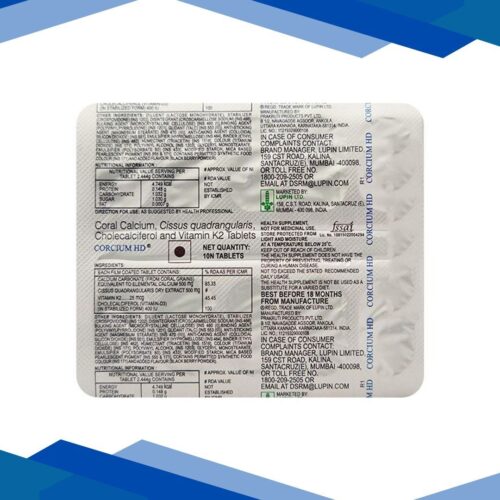
CORCIUM HD Tablet 10’s

Bold Care Extend Delay Spray 50 g
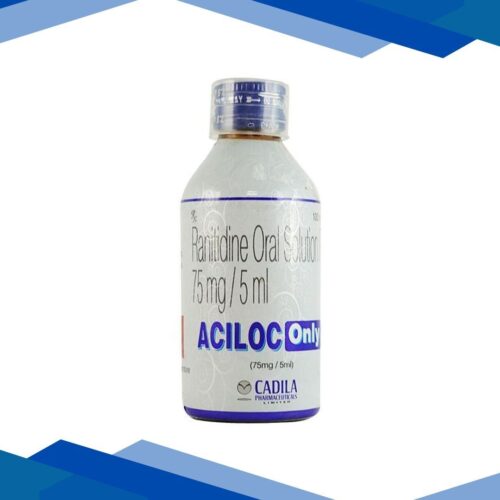
Aciloc Only Oral Liquid 100ml

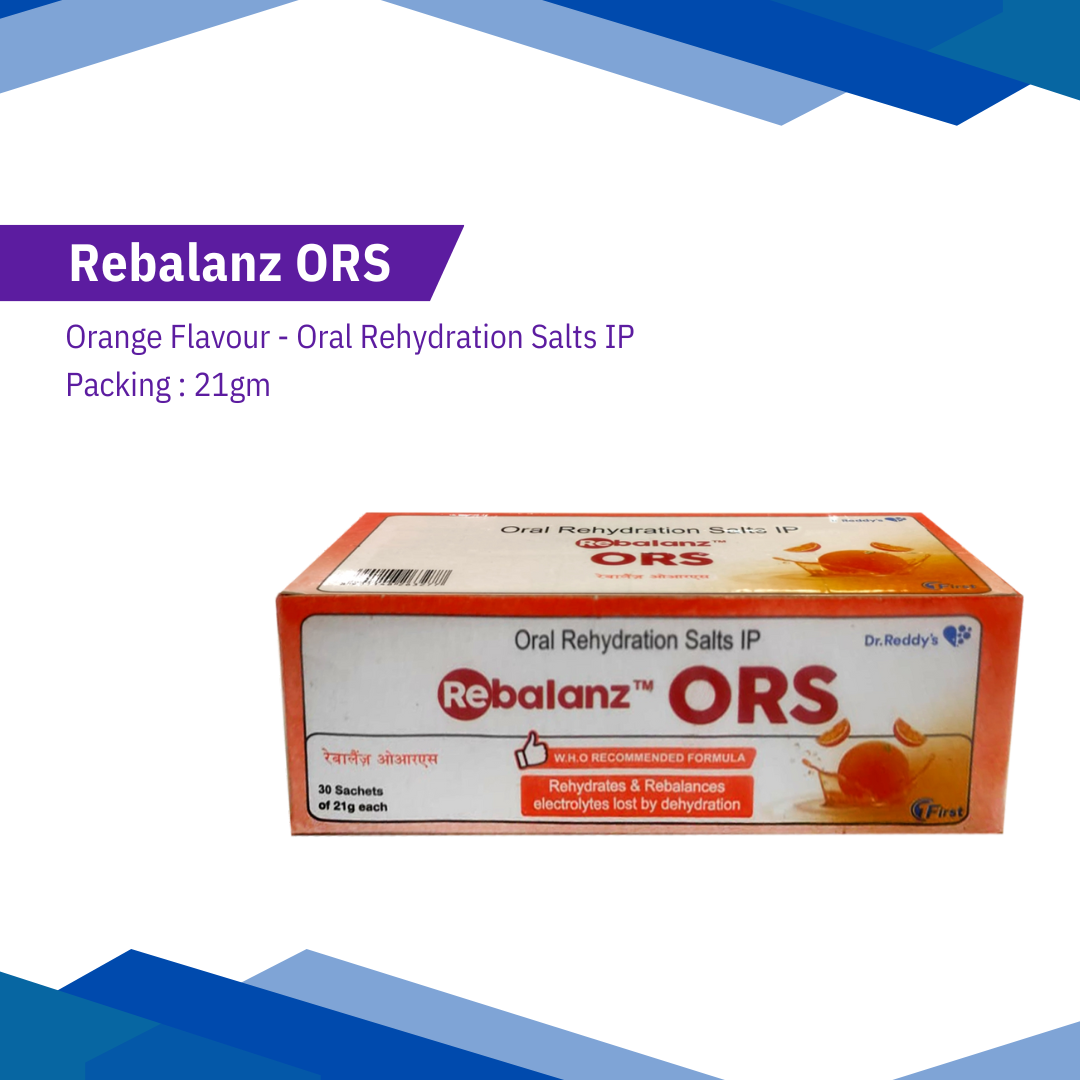
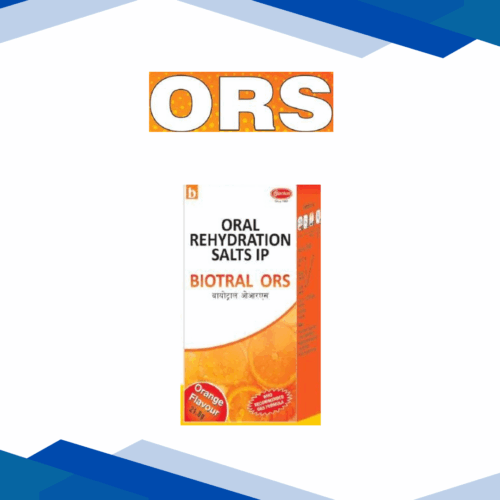
Rebalanz ORS
Rebalanz ORS (Orange flavor) is an electrolyte drink that recharges and revitalizes you whenever you get worked up and drained due to your exhausting routine.
Dextrose
Dextrose (D-Glucose)
Brand/Manufacturer: [insert brand name]
Form: IV Fluid / Oral Powder / Tablet | Concentration: 5%, 10%, 25%, 50%
Product Overview
Dextrose acts as a simple sugar (glucose) derived from corn or other starches, which is chemically identical to the glucose found in blood and serves as the primary energy source for the body’s cells.
In medical practice, Dextrose is frequently administered intravenously with IV fluids to help manage dehydration and calorie deficiency. It is also widely used as a rapid treatment for sudden drops in blood sugar (hypoglycemia), especially in individuals with diabetes.
Key Benefits & Medical Uses
Fast Energy Replenishment: Helps rapidly restore blood glucose levels, providing an immediate energy boost in cases of fatigue or exhaustion.
Correction of Hypoglycemia: Used as an emergency treatment for diabetic patients experiencing low blood sugar episodes.
Fluid Balance Support: When administered through IV therapy, it helps maintain hydration and fluid balance, particularly during fever, diarrhea, or vomiting.
Nutritional Support: Often used as a carrier for other medications or as a carbohydrate source in parenteral nutrition for patients who cannot consume food orally.
Directions for Using Dextrose
Oral Form (Powder / Tablets): Dissolve the recommended dose of powder in water and consume immediately. Tablets should be chewed thoroughly before swallowing.
IV Infusion: Dextrose infusion must be administered by a healthcare professional, such as a doctor or nurse. The infusion rate should be carefully adjusted based on the patient’s age and clinical condition.
Dosage: Always follow the dosage instructions provided by your healthcare provider, as excessive intake may lead to hyperglycemia (high blood sugar).
Warnings & Precautions
Important for Diabetic Patients: Frequent blood glucose monitoring is necessary during Dextrose infusion to prevent dangerous spikes in blood sugar levels.
Allergy Warning: Inform your doctor if you have experienced allergic reactions to corn or grain-based products, since many Dextrose preparations are derived from corn.
Storage:
- Oral forms should be stored in a cool, dry place away from direct sunlight.
- IV solutions should be checked to ensure they are clear and free from particles before use.
Possible Side Effects: Some individuals may experience:
- Mild swelling at the injection site
- Increased urination
- Dizziness due to sudden blood sugar fluctuations
Frequently Asked Questions (FAQs)
1. Is Dextrose the same as table sugar?
Not exactly. Table sugar (sucrose) is a disaccharide made of glucose and fructose, whereas Dextrose is a monosaccharide (pure glucose). This allows Dextrose to be absorbed quickly and provide immediate energy without additional digestion.
2. Can I take Dextrose if I am not diabetic?
Yes. Athletes sometimes use oral Dextrose to help replenish glycogen levels after intense workouts. However, it should be consumed in moderation to avoid excess calorie intake and energy crashes.
3. Why is Dextrose used in IV drips?
Dextrose IV solutions help restore hydration and supply energy simultaneously, making them useful for patients who cannot eat or drink normally.
4. How quickly does Dextrose raise blood sugar levels?
When taken orally as tablets or gel, Dextrose typically increases blood glucose levels within 10–15 minutes, which is why it is often preferred in hypoglycemia management.
5. Is there a risk of Dextrose overdose?
Yes. Excessive intake can cause hyperglycemia, leading to symptoms such as excessive thirst, blurred vision, dry mouth, and frequent urination. Always follow recommended dosage guidelines when using Dextrose supplements.
Potassium Chloride
POTASSIUM CHLORIDE
Overview:
Potassium Chloride is a medicine that helps bring your potassium levels back to normal. Potassium is an important mineral that supports normal heart function, proper muscle activity, and effective nerve communication.Doctors usually prescribe it when your potassium is too low because of illness, certain medications, or other health issues.
Classification: Electrolyte / Mineral supplement
Uses:
Potassium Chloride is mainly used to replace or maintain potassium in the body when levels are too low. Low potassium can happen due to illness, certain medications (like diuretics), excessive sweating, or other health conditions. Replacing potassium helps maintain heart rhythm, proper muscle movement, and nerve signal transmission, supporting the body’s overall function.
How it works:
Potassium Chloride works by restoring potassium levels in the body.Potassium is vital for heart rhythm, muscle activity, and nerve signals.Restoring potassium allows the heart to function steadily, muscles to move properly, and nerves to send signals accurately, ensuring the body works well.
Dosage: As prescribed by your doctor.
Side Effects:
- Upset stomach or nausea
- Mild stomach pain or cramping
- Diarrhea
Precautions:
Before taking Potassium Chloride, it’s important to tell your doctor if you have kidney problems, heart disease, or high potassium levels. Take the medicine exactly as prescribed, since too much potassium can be harmful.Avoid breaking or chewing the tablets unless instructed by your doctor, and inform your healthcare provider right away if you experience irregular heartbeats, severe weakness, or numbness.
Disclaimer:This content is for informational purposes only. Always consult a healthcare provider for medical advice and proper dosage.
Sodium Chloride
SODIUM CHLORIDE
Overview
Sodium chloride is simply salt — the same kind found in food. In medicine, it’s used to replace lost fluids and salts in the body. It helps keep the balance of water and minerals in your body.
Classification
Sodium chloride is a type of electrolyte (a mineral that helps your body stay hydrated and your cells work properly). It’s often found in IV fluids, saline solutions, and oral rehydration products.
Uses
To treat dehydration (loss of water and salt)
To restore fluid balance in the body during illness, surgery, or after sweating too much
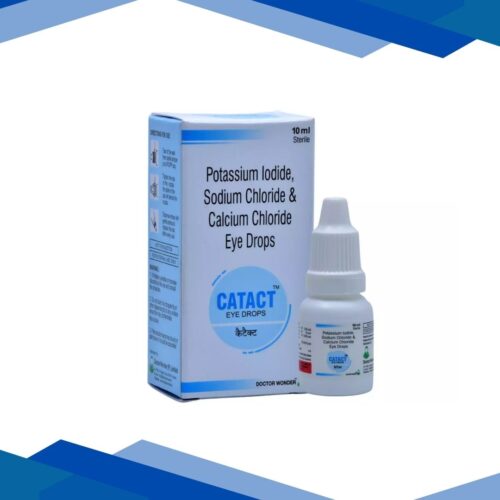
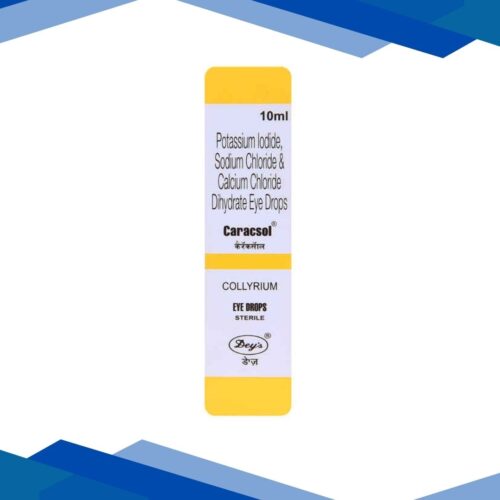
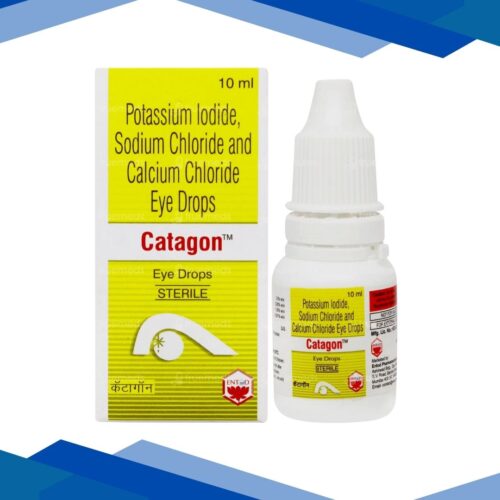
Used in IV drips, nasal sprays, eye drops, and wound cleaning solutions
Helps in making other medicines and in lab tests
How It Works
Sodium chloride works by replacing salt and water your body has lost. It helps your muscles, nerves, and organs work properly by keeping the right fluid balance in your blood and tissues.
Dosage
As prescribed by your doctor.
Side effects
Thirst – You may feel more thirsty than usual.
Dry Mouth – A feeling of dryness in the mouth or throat.
Stomach Upset – Mild stomach pain, gas, or bloating.
Nausea – Feeling like you might vomit.
Swelling (Edema) – Puffiness in the hands, feet, or ankles due to water retention.
High Blood Pressure – Extra sodium in the body can raise blood pressure.
Breathing Problems – If too much fluid builds up in the lungs.
Muscle Twitching or Weakness – Due to salt imbalance.
Confusion or Seizures – In extreme cases of very high sodium levels (hypernatremia).
Precautions
Kidney or Heart Issues: If you have kidney problems or heart conditions like heart failure, too much sodium can make things worse by causing water retention (extra fluid in the body).
High Blood Pressure: Salt (sodium) can raise your blood pressure. If you already have high BP, be cautious with how much sodium chloride you use.
Salt-Sensitive People: Some people’s bodies react more strongly to salt. They may need smaller amounts.
During Pregnancy or Breastfeeding: Usually safe, but always check with your doctor before using high amounts.
Other Health Conditions: If you have liver problems, swelling (edema), or are on a low-salt diet, take sodium chloride only as advised by your healthcare provider.
Disclaimer
This content is for informational purposes only. Always consult a healthcare provider for medical advice and proper dosage
Sodium Citrate
SODIUM CITRATE
Overview
Sodium Citrate is a type of salt that helps make body fluids less acidic.It’s often used to relieve discomfort from too much acid in the stomach or urine. It comes in liquid, tablet, or powder form.
Classification
It belongs to a group of medicines called alkalinizers or urinary alkalinizers. These help reduce acidity in the body.
Uses
To treat acid indigestion or heartburn (burning feeling in the chest)
To make urine less acidic, which can help prevent kidney stones or irritation
Sometimes used before certain medical tests like urine tests or surgeries
In hospitals, it may also be used to manage metabolic acidosis (a condition where the body makes too much acid)
How It Works
Sodium Citrate works by turning into bicarbonate in the body. This helps neutralize or balance out excess acid in the stomach or urine. It makes the body’s environment more alkaline (less acidic), which can reduce pain or irritation caused by acid.
Dosage
As prescribed by your doctor.
Side effects
Mild side effects (usually from too much):
Swelling (especially in hands, feet)
High blood pressure
Feeling bloated or puffy
Serious but rare side effects:
Trouble breathing
Chest tightness
Fast heartbeat
Confusion or seizures (if sodium levels get too high or too low)
Precautions
Tell your doctor if you have heart disease, kidney problems, or high blood pressure
Don’t use too much — too much salt can be harmful
If on a low-sodium diet, check with your doctor first
Follow the dosage exactly if using nasal sprays or IV fluid
Disclaimer
This content is for informational purposes only. Always consult a healthcare provider for medical advice and proper dosage