
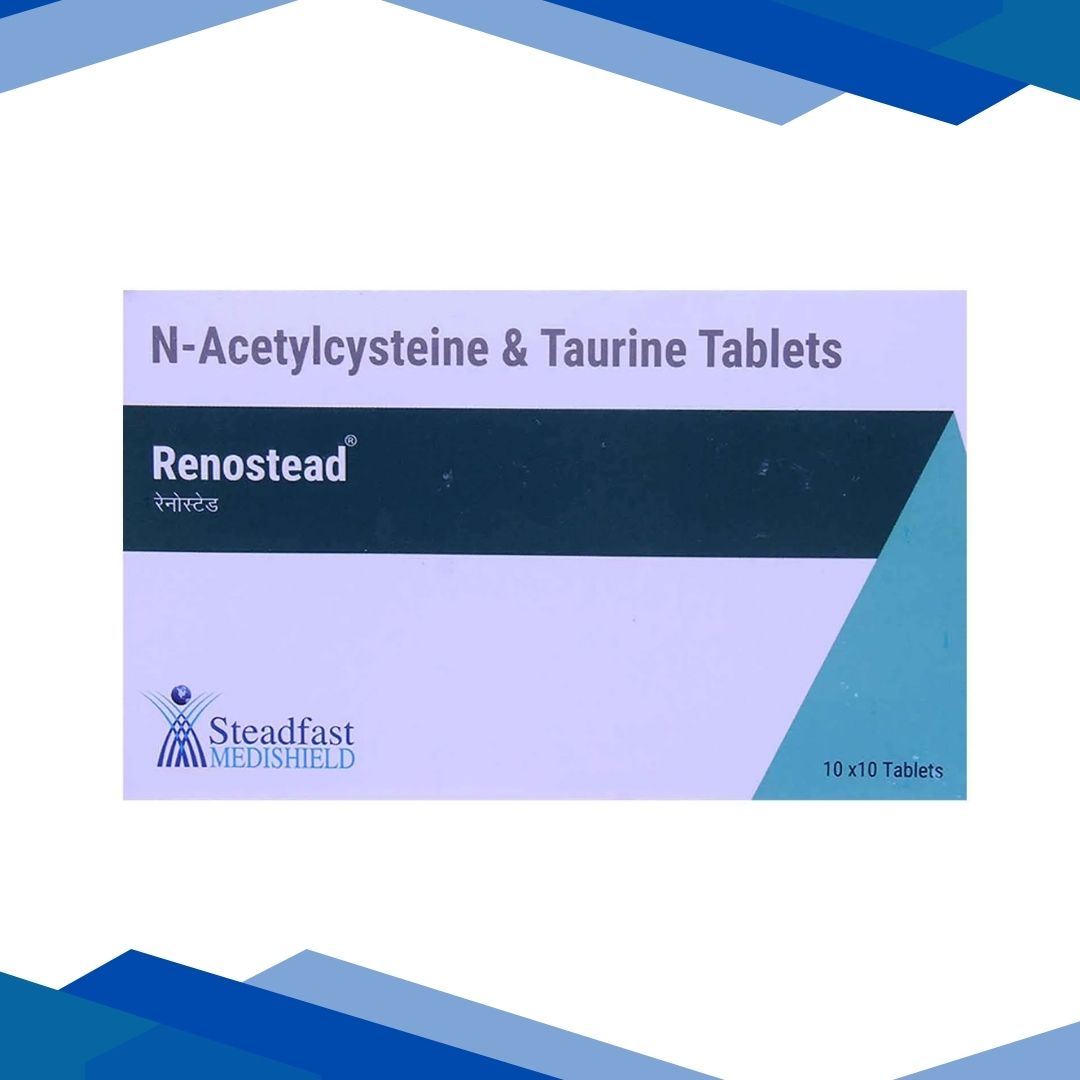
Renostead Tablet 10’S
No Prescription yet? Don’t worry! Click Here to Get Online Consultation
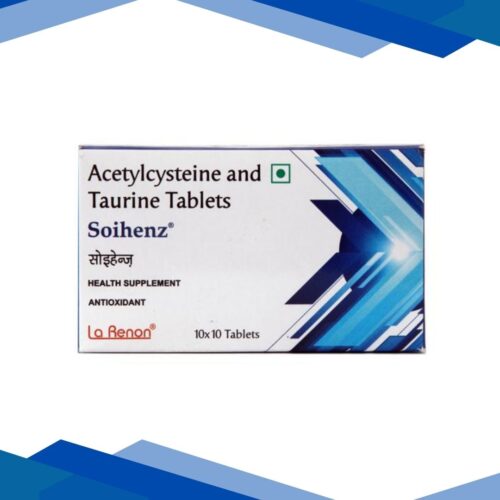
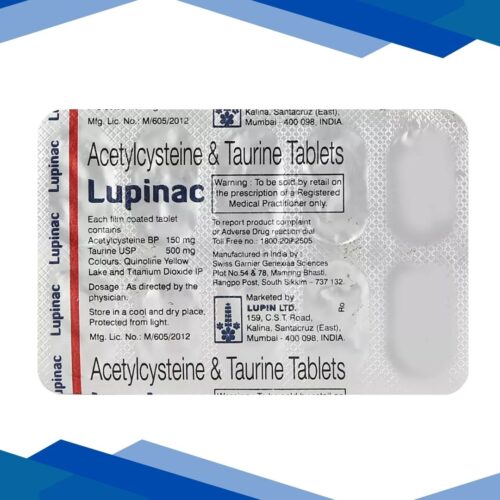
RENOSTEAD TABLET is a combination of N-Acetylcysteine and Taurine, which belongs to the group of medicines called Renoprotectives and Amino acids. It is used to manage diabetic kidney disease, paracetamol poisoning, and radiocontrast induced kidney damage.
N-Acetylcysteine
N-Acetylcysteine (NAC) 600mg Tablet N-Acetylcysteine (NAC) is widely used as an antidote to acetaminophen overdose. It also acts as a mucolytic agent and helps boost Glutathione levels—the body’s “master antioxidant.” Additionally, it is prescribed for conditions involving thick, sticky mucus that block airways, and plays an important role in liver detoxification.
Treatment Uses And Benefits Respiratory: Helps thin and break down mucus in the airways, making it easier to expel. Useful in conditions like chronic bronchitis, COPD, and cystic fibrosis. Oxidative Stress Prevention: Promotes the production of Glutathione, helping neutralize free radicals and protect against oxidative damage. Liver Protection: Used in acetaminophen poisoning to prevent or limit liver damage. Neurological Support: May help regulate glutamate levels in the brain, supporting mental balance and mood stability.
Recommendations for Use Recommended Dose: Typically 600 mg once or twice daily for adults (as prescribed by a physician). Hydration: Maintain adequate fluid intake to enhance mucus thinning. Method of Administration: Can be taken with or without food. Effervescent tablets should be dissolved in half a glass of water and consumed immediately. Odor Note: A sulfur-like or “rotten egg” smell is normal due to the sulfur-containing nature of NAC and does not indicate spoilage.
Things To Must Check On Safety Doctor’s Note: Patients with asthma should monitor for possible bronchospasm. Peptic Ulcers: Use cautiously in individuals with active or recurrent ulcers. Pregnancy & Breastfeeding: Consult a healthcare provider before use. Drug Interactions: May interact with medications like nitroglycerine. Always inform your doctor about all medications and supplements.
Common Side Effects Most people tolerate NAC well, but some may experience:
- Mild nausea or vomiting
- Abdominal discomfort or diarrhea
- Dizziness
- Skin rash or hives (rare)
Frequently Asked Questions (FAQs)
Q: Is NAC a vitamin? A: No. NAC is a form of cysteine, a semi-essential amino acid. Though available as a supplement, it is also used as a pharmaceutical drug in certain conditions.
Q: Can I take NAC daily? A: Yes, in many cases it is used regularly for respiratory or antioxidant support, but duration should be guided by a healthcare provider.
Q: Does NAC help with hangovers? A: NAC supports liver detoxification, especially when taken before alcohol consumption, but it is not a guaranteed hangover cure.
Q: Why does NAC smell like sulfur? A: This is normal. The sulfur content is essential for its antioxidant activity.
Q: How quickly does it work for cough? A: It may start loosening mucus within 1–2 hours, but full benefits usually develop over several days of consistent use.
Taurine
Taurine (Amino Acid Supplement) The taurine is a naturally occurring, sulfur-containing amino acid that is found in the brain, retina, heart, and muscle tissues in high concentrations. Despite the fact that taurine is not used in creating proteins, it is a comparable type of amino acid termed "conditionally essential." Here, the body synthesizes it but supplementation may be needed during times of illness, stress, or high physical activity. Today, taurine is known to be vital for hydration and distribution of electrolytes and for the well-being of the central nervous system. Use in Therapy Proved by Drugs Nutritional Deficiency: Taurine supplementation may be useful in cases of taurine insufficiency. Support of Cardiovascular Health: Principally, it is useful for blood-pressure management as well as improving the capacity of cardiac muscle contractility. Health of Metabolism - Taurine is a safe and rather effective treatment for enhanced kidney functions, mainly among the diabetics. Neurological functioning: Acts as a neuromodulator to help the health of the nerves and may help in managing certain seizure disorders. Liver & Bile Health: This supports the formation of bile cells forming bile salts and necessary for the digestion of fats and the absorption of fat-soluble vitamins. Main Benefits: Cellular hydration; regulates the movement of minerals such as magnesium, sodium, and potassium across cell membranes. Antioxidant properties: defends against oxidative stress and inflammation, especially in the eyes and heart. Exercise performance; this helps to minimize muscle fatigue and DNA damage during intense workouts. Vision Health: Highly concentrated in the retina, it helps maintain long-term visual acuity and protect against retinal degeneration. How It Works Taurine works as an osmolyte, which in turn maintains cell volume and fluid balance. In the heart, it regulates calcium, which is required for a steady heartbeat. In the neuromuscular system, it can mimic the inhibitory neurotransmitter GABA and thus produce a "calming" effect on signals that might become hypersensitive or overactive. Dosage and administration Standard dosage: Typical supplemental doses grow between 500 and 2000 mg daily depending on the clinical need. Route of administration: Usually taken with water or juice. For best absorption, it is recommended that taurine be taken between meals. Consistency: For chronic conditions such as heart or liver support, consistent daily usage should go in line with what the physician recommends to see the therapeutic effect. Safety and Side Effects Taurine is well-tolerated in most dosages; however, some individuals may experience these side-effects due to overdoing their taurine intake:
- Mild nausea or stomach upset
- Headache or dizziness
- Temporary changes in blood sugar levels
At Gem Pharmacy, we make every effort to provide accurate, expert-written, and thoroughly reviewed information related to medicines. However, this information should not be considered a substitute for professional medical advice, diagnosis, or treatment from a qualified doctor.
The purpose of this information is to educate users and improve communication between patients and healthcare professionals. It should not be used to diagnose or treat any condition.
Always consult a certified healthcare professional before taking any medication.


Related products
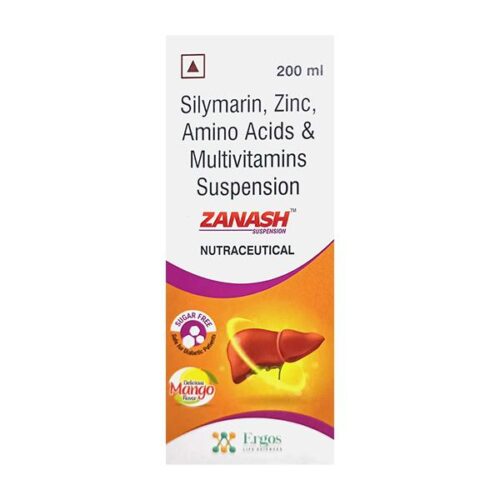
ZANASH SUGAR FREE DELICIOUS MANGO FLAVOR Suspension 200ml
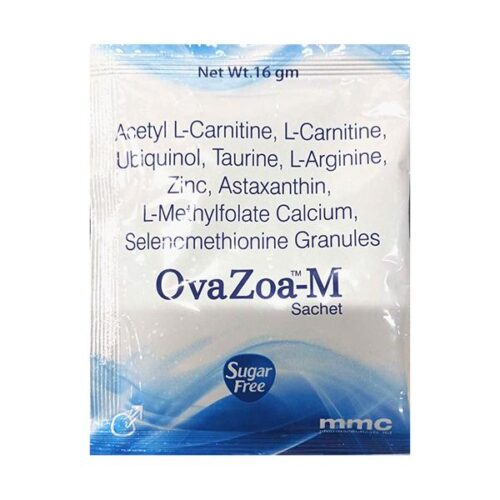
OVAZOA M SUGAR FREE Sachet 16g