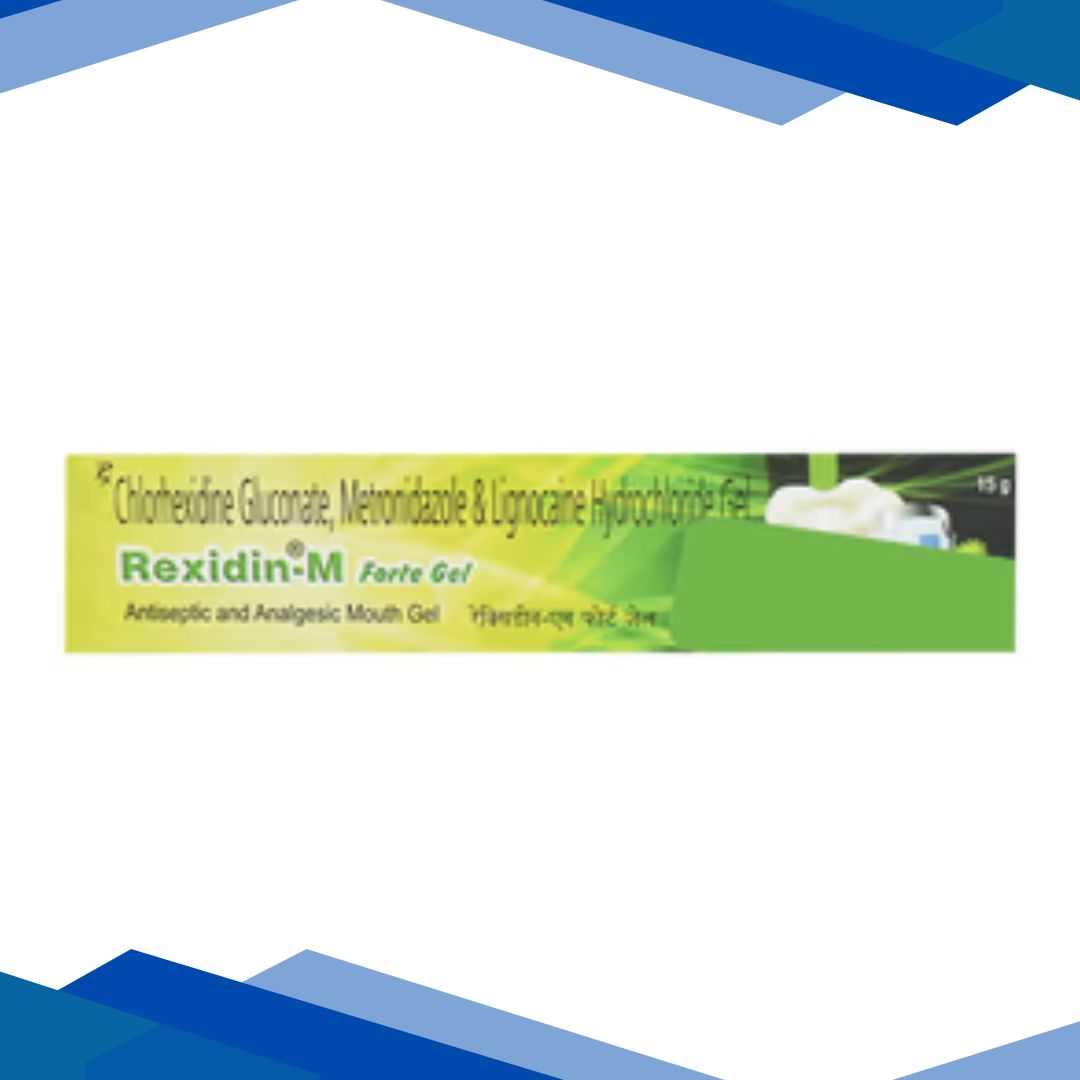
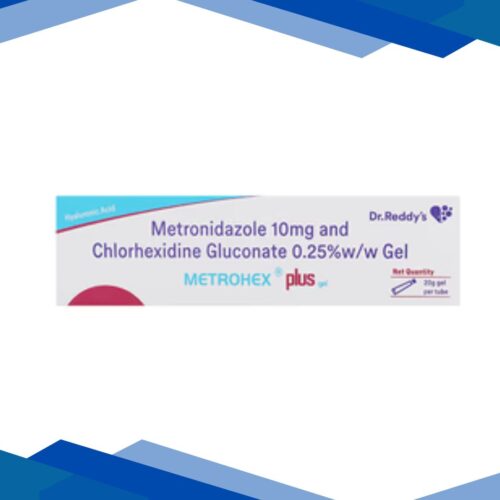
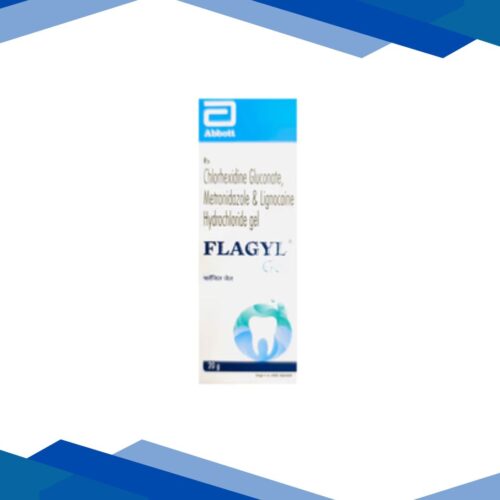
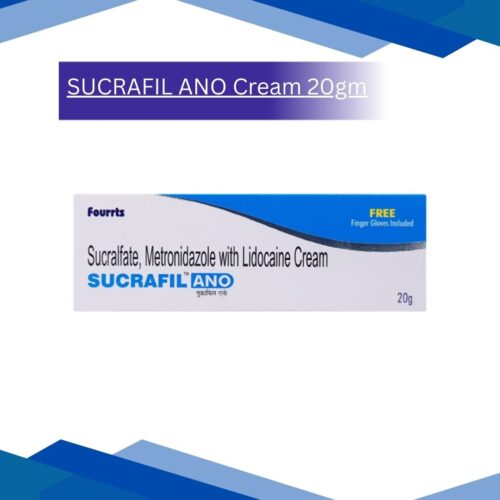
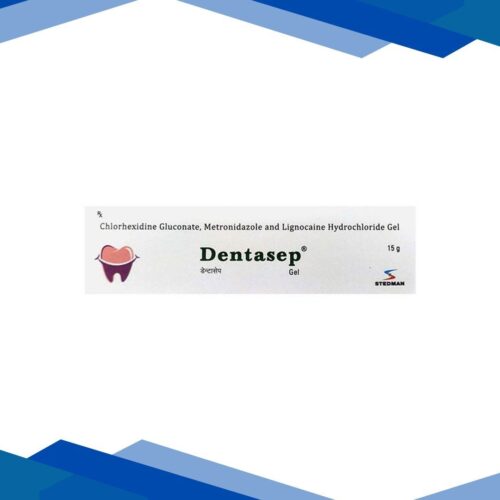
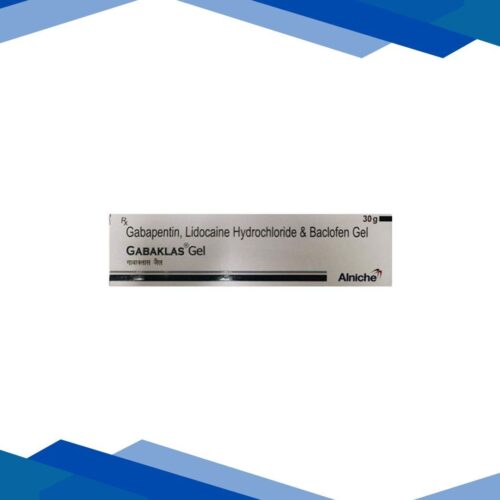
Chlorhexidine Gluconate
Chlorhexidine Gluconate: A Comprehensive Antiseptic Manual
Chlorhexidine Gluconate is a power player in hygiene and medical care; it has a broad-spectrum effectiveness and being an incredibly strong antiseptic and disinfectant ki t. This antiseptic and disinfectant is now played out in household first aid kits, surgery suites, anywhere a sore needs a protective shield against a multitude of bacteria, yeasts, and viruses.
How it works?
Chlorhexidine Gluconate does not, unlike conventional cleansers, go about killing all germs upon contact widely, though; it gets attached to the skin’s or oral mucosa’s proteins, even continuing to kill for several hours, thus protecting the area with a wide shield. It gets attached to the skin’s or oral mucosa’s proteins so that therein it treats them with a protective shield against many potential infection agents, including bacteria and yeast.
Oral Usage
In most instances, it is prescribed as a mouthwash in treating gingivitis and gum inflammation.
Cutaneous Disinfection
Used for cleaning lesions, burns, or as surgical scrub for skin preparation pre-operatively.
General Beauty
Found in Eurasian hand impbecleaners and soaps, it helps attain and sustain sanitation.
Frequently Asked Questions (FAQs):
What is Chlorhexidine Gluconate used for?
It is also used as an antiseptic to prevent infection. Clinically, andhois rather helpful in treating gum disease (gingivitis), cleaning wounds, and sanitizing skin before giving medical injections or performing surgeries.
How will I use the mouthwash of Chlorhexidine?
Typically, you should take about 15 ml of the compound in your mouth with swishing it for at least 30 seconds. After brushing your teeth, spit it out.
Pro-tip: After the use of this mouthwash, do not wash your mouth with water, eat nor brush your teeth as it could reduce its efficacy.
Could it cause staining of the teeth?
Prolonged use of the water-based rinse (usually greater than 2 weeks) can cause temporary staining of teeth, tongue, or teeth fillings. Most of this staining can be taken off by a professional cleaning at the dentist.
Side effects?
With some having benign effects, this drug, however, in rare cases, may cause some mild, but severe, side effects. These are:
Reddening or irritation on the skin.
Aversion to taste (mouthwash).
Dry mouth.
When is a visit to the emergency room necessary due to an allergic response?
Can it be used for deep wounds?
However, chlorhexidine is great for topical wounds and skin preparation but must be used cautiously in delicate structures, and not penetrate deep into special locations of the body such as ear canal, eyes, brain or spinal cord as it can be damaging to these areas.*
Lidocaine
Lidocaine (Topical/Injectable)
Lidocaine is a local anesthetic drug with multifarious uses for causing some temporary form of numbness or loss of feeling in a specific area. Its effect is completed by blocking the nerves to transmit ‘pain’ signals to the brain. It is essential for current pain management, meaning that it largely treats minor skin injuries using a topical gel and provides anesthesia for minor surgeries upon injectable administration.
Principal Applications:
Skin Numbing: Good for minor burns, insect bites, or scrapes.
Leading-edge Applications: Often used before injections, tattoo needles, and catheterization to minimize pain.
Dental Signs: For application, gels help to soothe sores or relieve dental work discomfort.
Surgery Use: Used by specialists to numb an area for suturing or for small cytological examination.
How to Apply (Topical)
Clean Site: Wash and dry the affected skin before applying the cream or gel.
Thin Layer: Apply only on the area that needs treatment; never apply over a large area of the body.
Hands on: Washing hands is important right after application to keep the medicine away from the eyes or mouth.
Dosage: Follow your prescription regarding how often it has to be used. Excessive usage permits systemic absorption, a potentially serious occurrence.
Precautions
Word of Warning: Lidocaine should never be placed on open, blistered, or 3rd-degree burned areas unless the physician tells you so. Also avoid tight bandaging or heating pads over the treated area, as this may increase drug absorption into the bloodstream.
Heart Physiology: If you have a history of arrhythmia or other heart conditions, consult your doctor before use.
Hepatic Cases: Patients with liver disease should use Lidocaine with care, as it is metabolized in the liver.
Allergies: Check for sensitivity to “amide-type” local anesthetics before use.
Possible Side Effects
- Mild redness, swelling, or irritation at the site of application
- Brief stinging or burning sensation
- Pallor (lightening of skin) at the application site
If anyone experiences severe dizziness, blurred vision, or ringing in the ears, it may be a sign of toxicity. Seek immediate medical assistance.
Frequently Asked Questions (FAQs)
Q: How Long Does It Take for Lidocaine to Take Effect?
A: With topical gels and creams, a numbing sensation usually begins within 2 to 5 minutes. The peak effect is achieved in about 15–30 minutes.
Q: Can I Use Lidocaine for a Sore Throat?
A: Use only specific oral Lidocaine viscous solutions for throat pain. Do not use skin creams or gels inside the mouth or throat.
Q: Is It Safe to Use Lidocaine Every Day?
A: Lidocaine should be used only as directed by your doctor. Avoid unnecessary or prolonged use.
Q: When should I avoid using Lidocaine?
A: Avoid long-term use without medical advice. If symptoms persist, consult a physician.
Q: Is there any time-limit for the consumption of Lidocaine?
A: It should not be used daily for extended periods, as side effects may accumulate with prolonged use.
Metronidazole
Metronidazole 400 mg Tablet
Metronidazole is an antibiotic widely marketed under the brand name Flagyl. It is a powerful antiprotozoal agent used to treat infections caused by anaerobic bacteria and parasites such as amoebiasis and giardiasis. It works by entering the DNA of microorganisms, preventing replication and thereby eliminating the infection.
Therapeutic Uses
Bacterial Infections: Used for abdominal, liver, skin, joint, and respiratory tract infections caused by anaerobic bacteria.
GI-Related Disorders: Effective in H. pylori infection and amoebiasis.
Dental Abscess: Used to treat oral bacterial infections, including dental caries-related infections and gingivitis.
Specific Infections: Indicated for bacterial vaginosis and trichomoniasis.
Proper Use
Complete Full Course: Always finish the entire prescribed course even if symptoms improve early. Incomplete use may lead to infection recurrence or antibiotic resistance.
Swallow Whole: Do not crush or chew the tablet.
With Food: Take with a meal, water, or milk to reduce stomach irritation.
Missed Dose: Take as soon as remembered. If it is close to the next dose, skip the missed dose. Do not double dose.
Important Safety Measures
Alcohol Warning: Avoid alcohol completely during treatment and for 48–72 hours after the last dose. It may cause a disulfiram-like reaction including nausea, vomiting, abdominal cramps, headache, and flushing.
Pregnancy & Breastfeeding: Inform your doctor if you are pregnant, especially in the first trimester.
Nerve Health: Long-term use may cause neurological symptoms such as tingling or numbness in limbs. Report any such signs immediately.
Liver Function: Dose adjustment may be required in liver impairment.
Potential Side Effects
Most are mild and temporary:
Metallic taste in mouth
Nausea or abdominal cramps
Loss of appetite
Headache
⚠️ Rare but serious effects may include pancreatic irritation or peptic ulcer complications.
Frequently Asked Questions (FAQs)
Q: Why does my mouth taste like metal?
A: A metallic taste is a common and temporary side effect. It usually resolves within 1–7 days after stopping treatment. Chewing sugar-free gum or mint may help.
Q: Can Metronidazole be used for common cold or flu?
A: No. It is effective only against bacterial and protozoal infections, not viral infections like cold, flu, or COVID-19.
Q: How soon will I feel better?
A: Improvement often occurs within 24–48 hours, but the full course must be completed to ensure complete eradication of infection.
Q: Is it safe to drive while taking this medicine?
A: Generally yes, but avoid driving if you experience dizziness or confusion.
Q: Can I take it with other medications?
A: Metronidazole may interact with warfarin and lithium. Always inform your doctor about all medications and supplements.