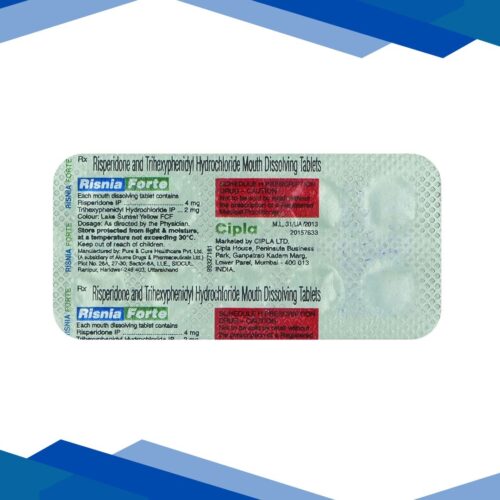
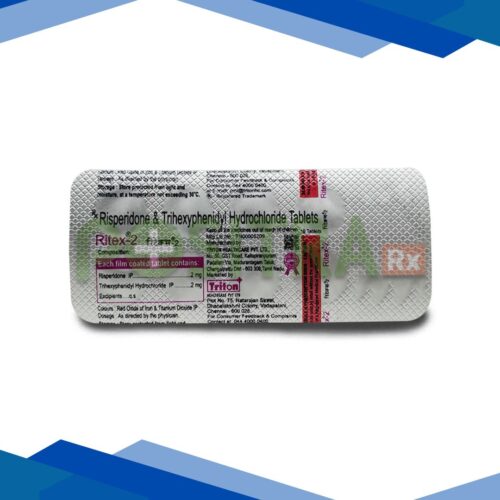
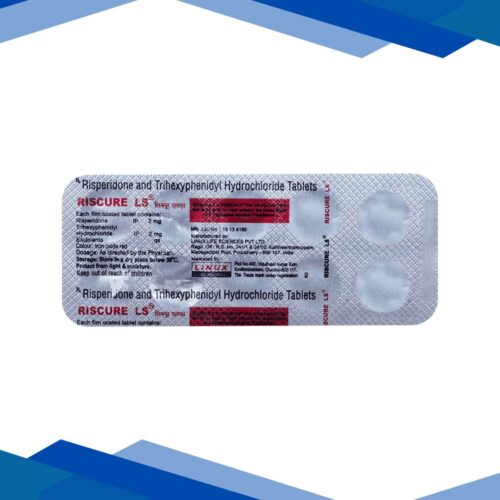
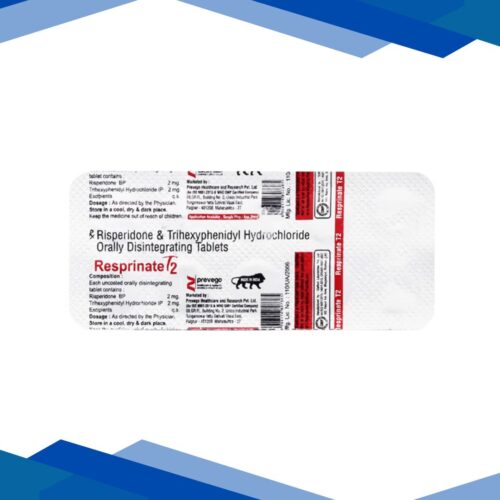
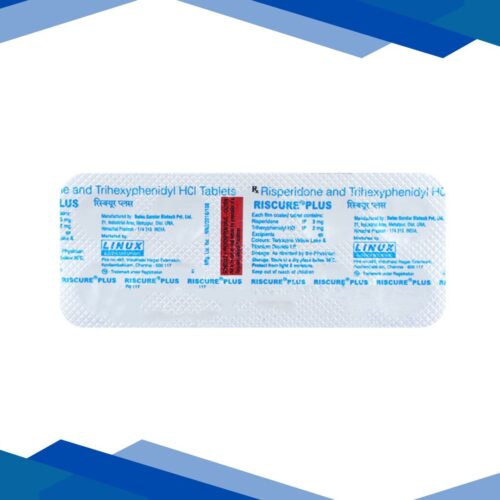
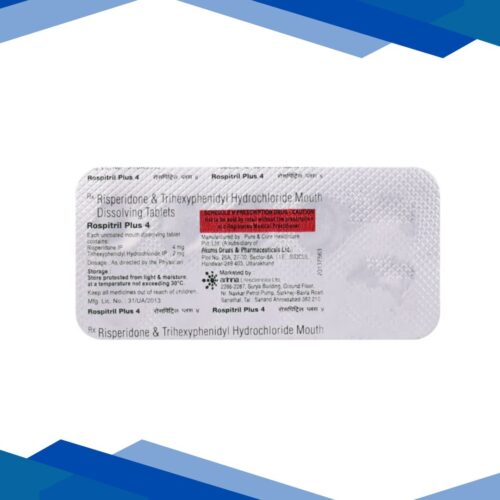
Risperidone
RISPERIDONE
Overview:
Risperidone is a drug used to maintain the chemical level in the brain constant, and this could make thoughts and moods less disturbed and behavior more relaxed. Physicians usually prescribe it to schizophrenia, bipolar disorder, or mood swings in autism. It is also believed to minimize issues that include hearing voices, abrupt mood swings or violence as perceived by many people.
Classification: Atypical antipsychotic
Uses:
- Risperidone is used to treat people with schizophrenia to relieve issues such as hearing voices or confusion.
- It helps bipolar individuals to reduce serious mood swings and manic anger.
- In children and adults with autism, it decreases aggression, tantrums and abrupt mood swings.
- Physicians can also employ it in the treatment of severe behavior or agitation issues when the other interventions are not effective.
How it works:
Risperidone works by calming certain chemical signals in the brain.It mainly blocks dopamine signals, which helps lessen problems like hearing voices, having strange thoughts, or feeling too restless. At the same time, it blocks serotonin, which supports better mood and reduces withdrawal or low motivation. It can also affect blood pressure by acting on other brain receptors, sometimes causing dizziness. Because it also blocks histamine signals, some people may feel sleepy or gain weight while taking it.
Dosage: As prescribed by your doctor.
Side Effects:
- Drowsiness or feeling sleepy
- Dizziness or lightheadedness
- Weight gain and increased appetite
- Restlessness or feeling anxious
- Headache
- Trouble sleeping (insomnia)
Precautions:
Risperidone should be taken only as prescribed and not stopped suddenly. It may cause dizziness or sleepiness, so stand up slowly and avoid driving until you know how it affects you.People who have heart issues, diabetes, or other illnesses need to be careful, and alcohol should be kept to a minimum. Pregnant or breastfeeding women should use it only with a doctor’s guidance.
Disclaimer:This content is for informational purposes only. Always consult a healthcare provider for medical advice and proper dosage.
Trihexyphenidyl
TRIHEXYPHENIDYL
Overview:
Trihexyphenidyl is a drug prescribed to ease the movement of a person with Parkinson disease or some other movement disorder. It accomplishes this by suppressing hyperactive brain signals, which minimizes tremors, muscle rigidity, and involuntary movements, and makes everyday tasks easier and doable.
Classification: Anticholinergic
Uses:
Trihexyphenidyl is mainly used to manage symptoms of Parkinson’s disease, such as tremors, muscle stiffness, and slow or uncontrolled movements. It is also used to control movement problems caused by certain medications, like antipsychotics, which can sometimes cause involuntary muscle movements or spasms.
How it works:
Trihexyphenidyl acts by inhibiting the influence of some chemical messages in the brain commonly known as acetylcholine that directs movement of muscles. In Parkinson or drug-induced movement disorders, these signals become hyperactive thus giving rise to tremors, stiffness, and involuntary movement. By suppressing these messages, Trihexyphenidyl restores the balance of the chemicals in the brain to an extent that allows muscles to move in a suitably coordinated manner and also minimizes jerky movements.
Dosage: As prescribed by your doctor.
Side Effects:
- Dry mouth
- Blurred vision
- Constipation
- Dizziness or lightheadedness
- Drowsiness or feeling sleepy
Precautions:
Before taking Trihexyphenidyl, it’s important to tell your doctor if you have any glaucoma, heart problems, liver or kidney issues, or urinary difficulties, as the medicine can worsen these conditions. Avoid activities that require alertness, like driving, until you know how the medicine affects you, because it can cause drowsiness or dizziness. Also, take it exactly as prescribed and report any unusual symptoms, such as fast heartbeat, severe confusion, or allergic reactions, to your doctor immediately.
Disclaimer:This content is for informational purposes only. Always consult a healthcare provider for medical advice and proper dosage.