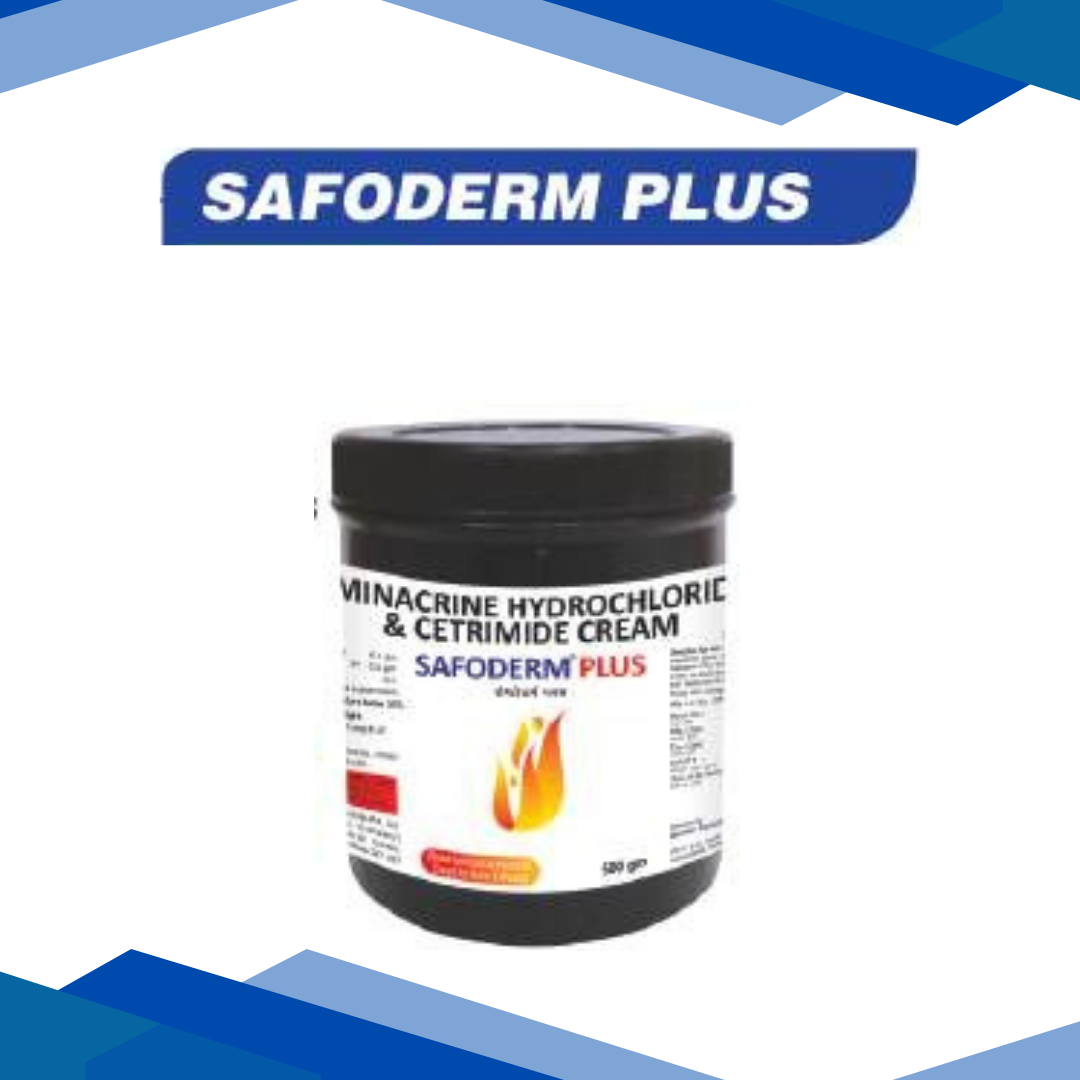
Aminacrine Hydrochloride
AMINACRINE HYDROCHLORIDE
Overview:
Aminacrine Hydrochloride is an antiseptic medicine commonly used on the skin to prevent or treat infections in wounds, cuts, or burns. It works by killing or stopping the growth of bacteria, keeping the injured area clean and helping it heal properly. Sometimes, it is included in mouth or throat treatments to help lower the chance of infection.
Classification: Antiseptic / Disinfectant
Uses:
- Cleans and prevents infection in cuts, wounds, and burns.
- Used for treating skin infections caused by bacteria.
- Sometimes included in mouth or throat preparations to reduce infection risk.
- Helps promote faster healing by keeping the area free from germs.
How it works:
The action of Aminacrine Hydrochloride is to bind to the DNA and proteins of the bacteria interfering with their growth and multiplication. It prevents the spread of the germs by inhibiting all these critical processes that normally cause the germs to spread leading to the wound or infection site remaining clean and curing faster.
Dosage: As prescribed by your doctor.
Side Effects:
- Mild redness or irritation on the skin
- Itching or a burning feeling where applied
- Dryness of the treated area
- Rarely, slight skin discoloration
Precautions:
When dealing with Aminacrine Hydrochloride, only apply to the part of the skin that is affected and not to your eyes, mouth, or big open wounds. In case of any allergy like rash or swelling, stop using it and consult your doctor. Unless it is prescribed by a medical practitioner, it should not be used on large or severely damaged areas. Also, do not leave it with children, as it can be a bad idea to swallow it. Use safely and effectively: you should take your doctor or health care provider’s advice, particularly when using it over a prolonged period.
Disclaimer:
This content is for informational purposes only. Always consult a healthcare provider for medical advice and proper dosage.
Cetrimide
CETRIMIDE
Overview:
Cetrimide is an antiseptic and disinfectant used to clean minor cuts, wounds, and burns. It works by killing bacteria on the skin, helping prevent infection and promoting safer healing. It’s commonly found in creams, solutions, and other topical antiseptic products.
Classification: Quaternary ammonium compound antiseptic
Uses:
- Cleans and disinfects minor cuts, wounds, and burns to prevent infection.
- Used in antiseptic creams, solutions, and soaps for topical application.
- Helps in preparing skin for minor surgical procedures or dressing changes.
- Can be used in mouthwashes or gargles in some formulations to reduce bacterial load.
How it works:
Cetrimide acts as a positively charged surfactant, enabling it to attach to the negatively charged bacterial cell walls. This interaction disrupts the bacterial membrane, causing its contents to leak out, which kills the bacteria. By destroying the bacteria on contact, it helps prevent infections in cuts, wounds, and burns.
Dosage: As prescribed by your doctor.
Side Effects:
- Mild skin irritation or redness
- Itching at the application site
- Burning or stinging sensation
Precautions:
Cetrimide should only be applied to the skin and not near the eyes, mouth, or deep wounds. It’s important not to use it on large areas for a long time, as this can cause irritation. People with sensitive skin, including children and the elderly, should be extra careful. If you notice redness, itching, or swelling, you should stop using it and consult a doctor, especially when treating infected or serious wounds.
Disclaimer:This content is for informational purposes only. Always consult a healthcare provider for medical advice and proper dosage.