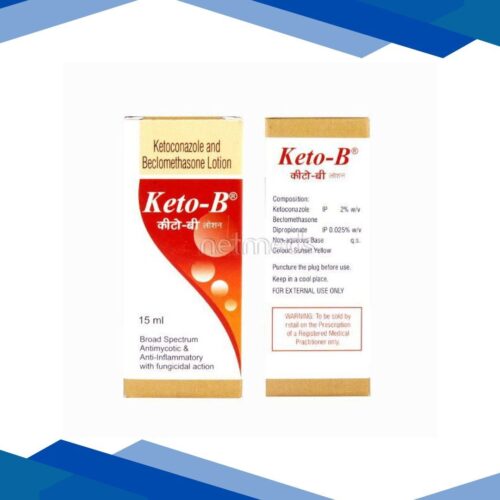
Ketoconazole
Ketoconazole – An Antifungal Medication
Ketoconazole is a synthetic, broad-spectrum antifungal medication used to treat a wide variety of fungal and yeast infections. It works by inhibiting ergosterol synthesis in the fungal cell membrane, thereby destroying the fungus at its source and preventing its growth.
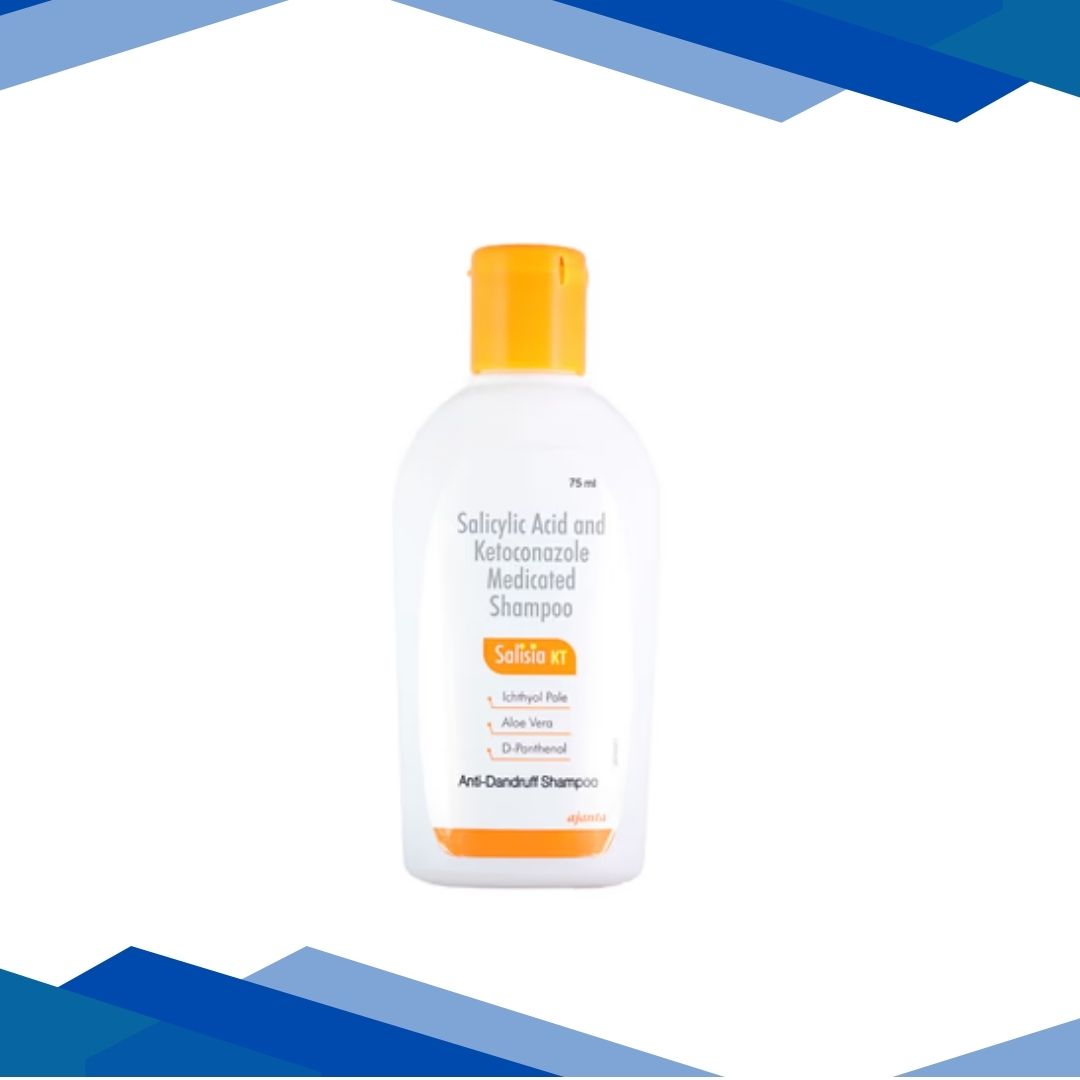
Ketoconazole is available in multiple forms, including topical creams, medicated shampoos (commonly for dandruff and seborrheic dermatitis), and oral tablets for systemic infections.
Therapeutic Uses
Scalp Conditions: Effective in treating persistent dandruff and seborrheic dermatitis that are difficult to manage.
Skin Infections: Used for Athlete’s Foot (tinea pedis), Jock Itch (tinea cruris), and Ringworm (tinea corporis).
Pityriasis (Tinea Versicolor): Helps clear fungal patches causing skin discoloration.
Systemic Infections: Oral form is useful for deep or resistant fungal infections that do not respond to standard treatments.
How to Use
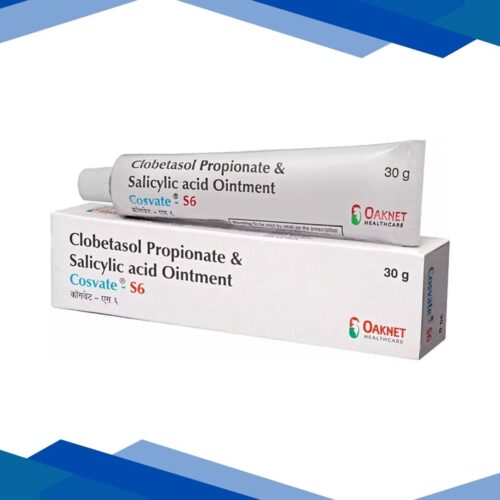
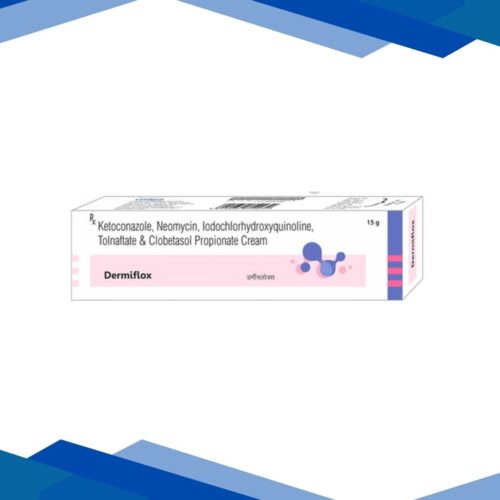
Topical Cream: Apply a thin layer to the clean, dry affected area once or twice daily. Wash hands thoroughly after application.
Shampoo: Apply to wet scalp/hair, lather, and leave for 3–5 minutes before rinsing. Typically used twice weekly for 2–4 weeks.
Oral Tablets: Take exactly as prescribed, preferably with food to enhance absorption.
Safety & Precautions
Caution: Avoid applying on broken or irritated skin. Keep away from eyes, nose, and mouth.
Liver Function: Monitoring of liver enzymes may be required with oral ketoconazole, due to rare risk of liver toxicity.
Alcohol: Avoid alcohol consumption during oral therapy to prevent adverse reactions.
Pregnancy & Breastfeeding: Consult a doctor or dermatologist before use.
Side Effects & Interactions
Generally well-tolerated, but some users may experience:
Local Effects: Mild redness, itching, or stinging.
Systemic Effects: Nausea, headache, abdominal discomfort (more common with oral form).
Drug Interactions: May interact with antacids and blood thinners. Always inform your pharmacist or doctor about current medications.
Frequently Asked Questions (FAQs)
Q: Can I apply ketoconazole cream to the scalp?
A: While primarily used for skin infections, it may help with scalp inflammation (e.g., related to androgenic alopecia) under medical supervision.
Q: How soon does it start working?
A: Initial improvement such as reduced itching and flaking is usually noticed after 2–3 applications.
Q: Can ketoconazole be used on the face?
A: Yes, for conditions like facial seborrheic dermatitis, but use only as directed and avoid the eye area.
Q: Can I stop using it once the rash disappears?
A: No. Continue for a few days after symptoms resolve to ensure complete eradication of the fungus and prevent recurrence.
Q: Can I use a moisturizer with ketoconazole cream?
A: Yes. Apply a moisturizer 20–30 minutes after using ketoconazole to maintain its effectiveness.
Salicylic Acid
SALICYLIC ACID
Overview
Salicylic Acid is a commonly used skin treatment that helps remove dead skin, unclog pores, and reduce pimples and blackheads. It’s often found in acne creams, face washes, shampoos, and even foot creams for rough or thick skin.
Classification
Salicylic acid belongs to a group of medicines called keratolytics (which help shed the outer layer of skin). It’s also considered a beta hydroxy acid (BHA), often used in skincare products.
Uses
Treats acne, blackheads, and whiteheads
Helps remove corns, calluses, and warts
Used for dandruff and scalp psoriasis in medicated shampoos
Clears out excess oil, dead skin, and prevents clogged pores
Can be used to smooth rough skin patches (like on feet or elbows)
How It Works
Salicylic acid works by softening and loosening dead skin cells on the surface. It helps them shed naturally, which clears blocked pores and reduces swelling and redness in acne. It also has a mild anti-inflammatory effect, calming irritated skin.
Dosage
As prescribed by your doctor.
Side effects
Most people tolerate it well when used correctly. Possible side effects include:
Dryness or peeling
Skin irritation (redness, burning, stinging)
Itching
Skin becoming more sensitive to sunlight — always use sunscreen
Rare: Allergic reaction or severe irritation (stop using and see a doctor)
Precautions
For external use only — don’t use inside your mouth, nose, or eyes
Avoid on broken, infected, or very sensitive skin
Always do a patch test first, especially if you have sensitive skin
Pregnant or breastfeeding? Ask your doctor before using
Don’t use too often or in large areas — it can cause skin to become too dry or irritated
Avoid mixing with strong exfoliants or other acne medications unless advised
Disclaimer
This content is for informational purposes only. Always consult a healthcare provider for medical advice and proper dosage