



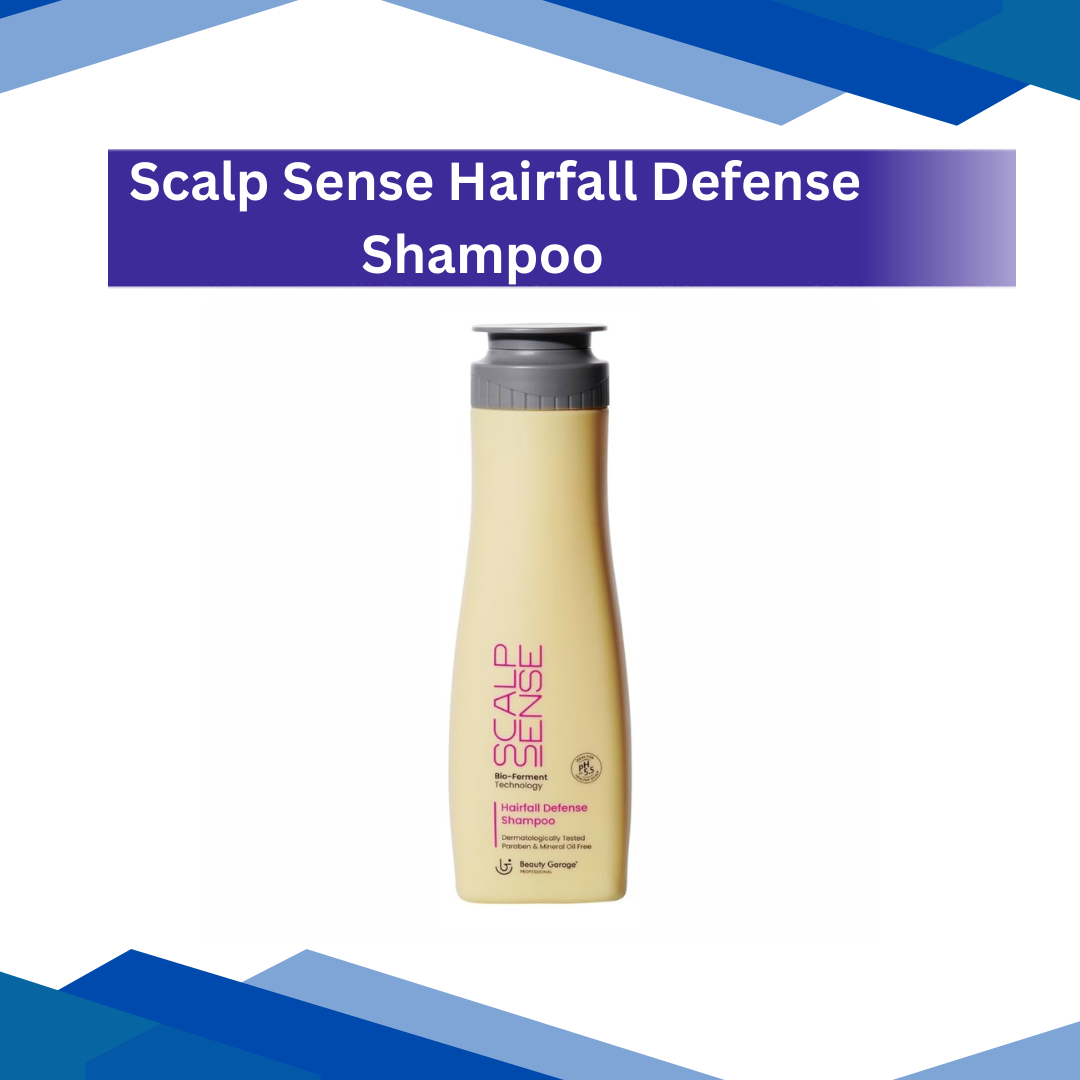
Scalp Sense Hairfall Defese Shampoo 200 ml
Beauty Garage ScalpSense Hairfall Defense Shampoo 200 ml helps strengthen hair and reduce hair fall with a gentle formula enriched with biotin, panthenol, and hydrolyzed wheat protein. For more details kindly click on Medicine Salts below:
Biotin
Biotin (Vitamin B7 / Vitamin H) Biotin, also known as Vitamin B7 or Vitamin H, is a water-soluble complex of Vitamin B that acts as a coenzyme in the metabolism of carbohydrates, fats and proteins. Biotin helps to convert food into energy at the cellular level and is famous for its role in promoting healthy hair, skin and nails. As a result of the human body's inability to store any Biotin, frequent ingestion of Biotin via diet or supplements is required for maintaining optimal levels of the same. Clinical Benefits Hair Luster & Strengthening: A key factor in the synthesis of keratin, the essential protein builds up your hair for the prevention of hair thinning and breakage. Nail Protection: It has been reported in studies that supplementation of biotin enhances the thickness of nails and increases resistance to splitting and breaking. Skin Radiance: Biotin is responsible for the production of fatty acids crucial in nourishing the skin and maintaining the health of its surface. Metabolic Support facts: Support metabolism regarding macronutrient breakdown; hence, it helps in the good functioning of energy levels and blood sugar. Neurological Function: Assists with nerve signals and neurotransmitters to some extent. Specifications Active Ingredient: Biotin USP/BP Grade. Common Strengths: 30mcg, 5000mcg, 10000mcg (High Potency). Prep Type: Tablet / Capsule / Gummies. Suitability: Vegan and Gluten-free options available. Administering Instructions Dose: Typical daily dose for adults is 1 tablet (5000mcg) or as directed by a healthcare practitioner. Intake Time: It is best to take with a meal for maximal absorption and to prevent stomach upset. Then: The effect on hair and nail quality could be noticed from a defiant distance provided Biotin is used for 3–6 months, if not less. A Matter of Quick Information for Consumers Water Soluble: Any excess biotin consumed will naturally be secreted in people's urine. Chicken and fish are high in biotin. Additionally, the following: cooked eggs, seeds, nuts, and, to some extent, some vegetables like sweet potatoes. Cautions & Safety Information Lab Test Interference: High doses of Biotin can interfere with certain laboratory tests, including thyroid (T3/T4) and heart (Troponin) tests. You must inform your physician and stop taking Biotin 48 to 72 hours before the blood tests are conducted. Pregnancy & Lactation: Increasing Biotin requirements during pregnancy should be met by consulting your obstetrician. Interactions: Anticonvulsants (anti-seizure medications) may lower blood biotin. Frequently Asked Questions (FAQs) Q: Can Biotin stop hair loss? Biotin is most beneficial in hair loss originating due to symptoms of a vitamin B7 deficiency. It acts by stimulating existing hair and promoting the production of keratin. However, it may not prevent androgenic alopecia or hair loss resulting from hormonal imbalances, except as part of a good comprehensive treatment plan. Here is an answer: Skin and nail supplements containing biotin typically take long periods to show visible results; most people are able to witness a significant change in their nail strength and skin texture in the aforementioned region after 8–12 weeks of supplement use. Q: What are the common side effects, if any? Biotin is generally considered a safe and non-toxic vitamin. An issue might arise from straining the digestive system. In few rare cases, high doses have caused mild nausea, stomach upset, or acne-like rashes (sometimes referred to as "biotin bumps"). Increase water intake to mitigate skin issues. Q: Does Biotin cause weight gain? No. In fact, Biotin will likely enhance one's metabolism rather than causing weight gain by helping one's body process fats and carbohydrates more efficiently. A: Can I take Biotin on an empty stomach? Yes, but it is advisable that you take Biotin with food to alleviate minor stomach irritations. Also, to help in the supplementation digestion process, food would aid in the process. Storage Store in a cool dry place below 30°C. Protect from direct sunlight and moisture. Be sure to tightly cap the bottle after every use. Warning: This article is meant for informational purposes only and is in no way to be construed as medical advice. Always consult with a registered physician before starting any supplementation program.
Hydrolyzed Wheat Protein
Triticum Aestivum (Hydrolyzed Wheat Protein) Hydrolyzed Wheat Protein refers to a protein extract derived from wheat, processed through hydrolysis to break down large protein molecules into smaller amino acids and peptides. This transformation allows the protein to penetrate the hair shaft and epidermal layers, delivering deep conditioning and repair benefits.
Here is why it is one of the "Hero" ingredients 1. Deep Penetration: Due to hydrolysis, it can penetrate the inner hair cortex, helping to repair damage from within. 2. Moisture Retention: Acts as a natural humectant, helping to attract and bind moisture, preventing dehydration. 3. Structural Support: Contains amino acids like cystine, which help strengthen the natural keratin structure in hair and nails.
Key Therapeutic Benefits 1. Hair Repair and Volume Hydrolyzed wheat protein is widely used in premium hair care formulations. It helps fill microscopic gaps in the hair cuticle caused by heat styling or chemical treatments, resulting in stronger strands, improved volume, and enhanced bounce. 2. Skin Elasticity & Smoothing When applied to the skin via serums or creams, it creates a light, breathable film that provides a subtle lifting effect, leaving the skin feeling smooth and velvety. 3. Shield Against Environmental Stress Forms a protective protein barrier that helps guard against UV radiation and pollution, reducing oxidative damage to hair and skin.
Usage & Application For Hair Care: Found in shampoos and leave-in conditioners. Allow the product to sit for 2–3 minutes before rinsing to enhance bonding and absorption. When applying skin-care products: Apply on damp skin to improve the protein’s ability to seal in moisture. Preparing: Effective formulations typically contain 0.5% to 5% concentration.
Safety and Precautions Celiac and Gluten Sensitivities: Although hydrolyzed, individuals with gluten sensitivity or celiac disease should consult a dermatologist, as topical reactions may occur. Patch Test: Perform a patch test on the inner elbow before full application to check for sensitivity.
Frequently Asked Questions (FAQ) Q: Is hydrolyzed wheat protein the same as regular gluten? A: Not exactly. While derived from wheat (gluten source), it is enzymatically broken down into smaller functional peptides, making it suitable for cosmetic and topical applications rather than dietary use. Q: Will it make hair stiff? A: No. It enhances softness and flexibility while strengthening hair, unlike some heavier synthetic polymers that can cause a crunchy texture. Q: Is it okay for everyday use? A: Yes, most shampoos and conditioners are formulated for daily use. However, if hair becomes dry or brittle (protein overload), balance with a hydrating conditioner. Q: Is this permissible for vegans? A: Yes. Being plant-derived from wheat, it is a vegan-friendly alternative to animal-based proteins like keratin or collagen. Q: Is it perishable? A: Products containing hydrolyzed wheat protein typically have a shelf life of 12–24 months. Always check the “Period After Opening (PAO)” symbol on the packaging.
Panthenol
At Gem Pharmacy, we make every effort to provide accurate, expert-written, and thoroughly reviewed information related to medicines. However, this information should not be considered a substitute for professional medical advice, diagnosis, or treatment from a qualified doctor.
The purpose of this information is to educate users and improve communication between patients and healthcare professionals. It should not be used to diagnose or treat any condition.
Always consult a certified healthcare professional before taking any medication.


Related products
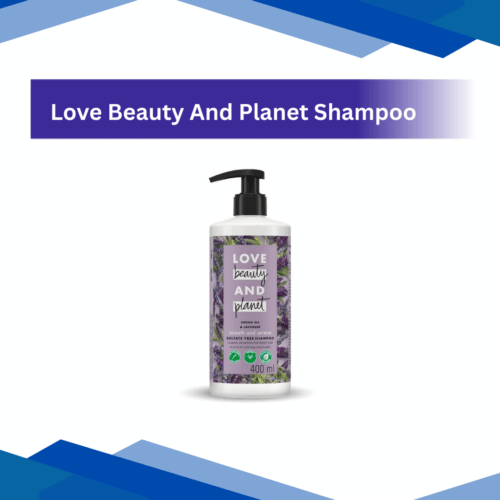
Love Beauty And Planet Shampoo
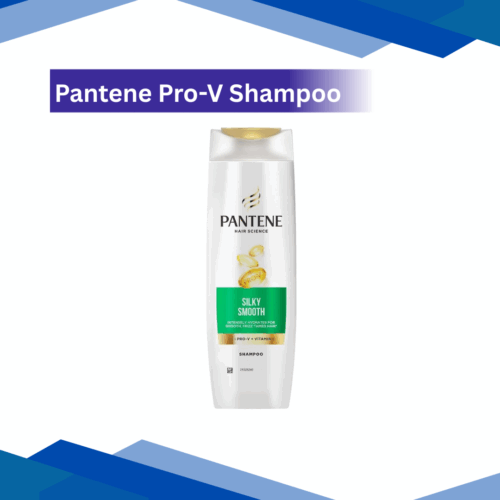
Pantene Pro-V Shampoo Silky Smooth 180 ml
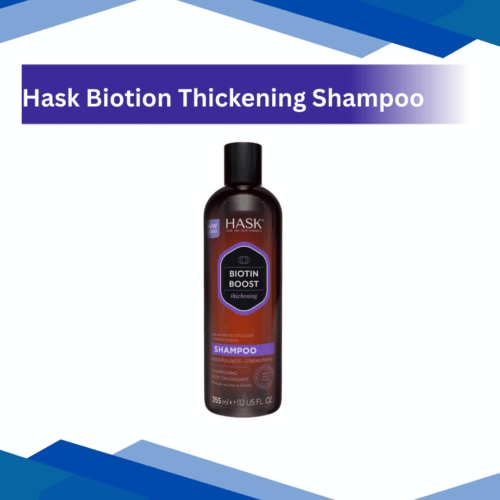
Hask Biotin Boost Shampoo 355 ml