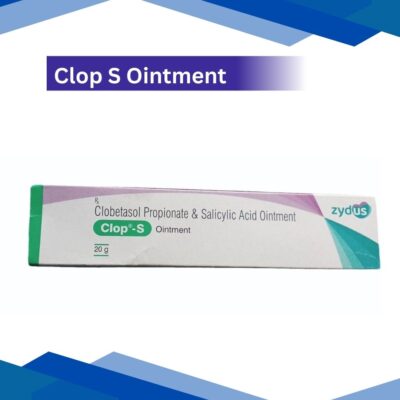
Sorifix Ointment 15gm
No Prescription yet? Don’t worry! Click Here to Get Online Consultation
SORIFIX OINTMENT is a combination of Calcipotriol and Clobetasol which belongs to the group of medicines called Topical Corticosteroids. It is indicated for the topical management of plaque psoriasis. Plaque psoriasis (psoriasis vulgaris) is an autoimmune disease that causes cells to reproduce very quickly which causes thick, scaly patches called plaques on the skin.
Calcipotriol
Calcipotriol 50mcg Ointment/Solution
Calcipotriol (also known as Calcipotriene) is a synthetic derivative of Vitamin D3 used primarily in the management of Plaque Psoriasis. It works by slowing down the excessive production of skin cells and encouraging them to develop normally. This helps to flatten and clear the thick, red, scaly patches (plaques) characteristic of psoriasis, leading to smoother skin and reduced inflammation.
Therapeutic Uses
Plaque Psoriasis: Treatment of mild to moderate chronic plaque-type psoriasis.
Scalp Psoriasis: Available in solution form to treat scaly buildup on the scalp.
Maintenance Therapy: Often used long-term to prevent the recurrence of flares after initial treatment with steroids.
Key Benefits
Non-Steroidal: Unlike many psoriasis treatments, Calcipotriol does not contain corticosteroids, reducing the risk of skin thinning (atrophy).
Targeted Action: Specifically targets the overactive skin cells without affecting the body's overall immune system.
Long-term Safety: Can be used for extended periods for chronic management under medical supervision.
How to Apply
Wash Hands: Always wash your hands before and after application.
Clean the Area: Ensure the affected skin is clean and dry.
Thin Layer: Apply a thin film only to the psoriasis plaques. Avoid applying to healthy surrounding skin or the face.
Avoid Bandages: Do not cover the treated area with a bandage or airtight dressing unless specifically told to by your doctor.
Dosage Limit: Do not exceed the maximum weekly dose (usually 100 g per week for adults) to prevent affecting your body's calcium levels.
Side Effects & Safety
While generally well-tolerated, some users may experience:
Skin irritation or a stinging sensation.
Redness or itching at the application site (Pruritus).
Dryness or peeling of the skin.
Hypercalcemia: Very rarely, using too much can cause high calcium levels in the blood. Signs include fatigue, muscle weakness, or frequent urination.
Important: Calcipotriol can make your skin more sensitive to sunlight, so it is important to use sunscreen and limit sun exposure on the treated areas.
Precautions
Face & Folds: Do not use on the face, as it may cause severe irritation. Avoid skin folds (armpits/groin) unless directed.
Pregnancy/Breastfeeding: Use only if clearly needed and prescribed by a specialist.
Kidney/Liver Issues: Inform your doctor if you have a history of calcium metabolism disorders or severe kidney/liver disease.
Frequently Asked Questions (FAQs)
Q: How long does it take for Calcipotriol to show results?
Most patients start to see a visible reduction in scaling and redness within 2 to 4 weeks of consistent use. Full benefits may take up to 8 weeks.
Q: Can I use Calcipotriol with my steroid cream?
Yes, doctors often prescribe Calcipotriol alongside topical steroids (sometimes in a combined product) to increase efficacy and reduce the side effects of the steroid. However, do not mix them yourself unless instructed.
Q: What happens if I use more than the recommended 100g a week?
Exceeding the dose can lead to an increase in serum calcium levels (Hypercalcemia). This is reversible once the medication is stopped, but it is important to stay within the prescribed limits.
Q: Can Calcipotriol cure psoriasis?
There is currently no permanent cure for psoriasis, but Calcipotriol is highly effective at managing the symptoms and keeping the skin clear for long periods.
Q: Is it safe for children?
Specific pediatric doses exist, but it should only be used in children under strict medical supervision. The weekly dose limit for children is significantly lower than for adults.
Storage
Store at room temperature ($15\text{°C}$ to $25\text{°C}$). Do not refrigerate or freeze. Keep the tube or bottle tightly closed when not in use.
Clobetasol propionate
Clobetasol Propionate 0.05% Cream/Ointment
Clobetasol Propionate is considered one of the strongest medications against various severe skin problems. This drug, by acting upon these substances in the skin, helps in decreasing the swelling, redness, and itching that happen in skin diseases. This is classified under "super-potent" class I steroid and is therefore reserved for very severe dermatoses that do not respond to less potent steroids.
Indications
This medicine can basically be prescribed for inflammatory and pruritic conditions responsive to corticosteroids, which are represented by:
- Psoriasis: Especially plaque psoriasis localized on the scalp, elbows, and knees.
- Eczema: Incapacitating atopic dermatitis unresponsive to other types of treatment.
- Lichen Planus: An inflammatory disease of the skin and mucous membranes
- Discoid Lupus Erythematosus
Key features
Rapid Action: Quick relief from severe itching and localized inflammation.
Targeted Therapy: High skin permeability ensures deep immunization of the affected dermal tissues by the active material.
Multiple Formulations: Available as a cream, ointment, gel, and scalp solution depending on skin typology and what part of the body might be affected.
Application Directions
Pre-treatment: Wash and dry hands and the area on the skin where the medication is to be applied.
Gentle Layering: Use pea-sized amounts, and gently rub the cream, drug, or gel into the area being treated, making sure it disappears into the skin.
Use Frequency: Use frequency is usually 1-2 times daily, but no more than what is recommended by your dermatologist, in terms of dosing or frequency.
Cleanliness of the Hands: Rinse hands, unless hands are to be treated on.
Major Precautions
Use Short-term: Owing to the high potency, prolonging usage should not go beyond two consecutive weeks.
Cautiousness in Facial Areas: The owned should be directed merely to the areas of application; however, if this has to end up being the face, an alternative medicine is otherwise recommended for such cases on strict grounds.
Occlusion: Unless otherwise advised by a physician, the patient shall make sure that the treated skin is not occluded by bandages or air-tight dressings, which increase systemic absorption of the medicine.
No Data on Adrenal Insufficiency: Long-term use of clobetasol propionate over a significant body area has the potential to increase the systemic absorption of the drug and possibly affect the hypothalamic-pituitary-adrenal axis.
Adverse Effects
Common side effects of Clobetasol Propionate 0.05%/gm are:
Irritation or stinging after application.
Skin thinning or infrequently striae.
Folliculitis.
Spider telangiectasia veins.indicators
FAQs (Frequently Asked Questions)
Q: Is Clobetasol Propionate a fungal or antibiotic cream?
Clobetasol is a steroid type. It does not treat infections mediated by bacteria, fungi, or viruses, and can enhance them if used on the infected area alone.
Q: Is it okay to use Clobetasol for baby diaper rash?
No, Clobetasol is too strong for the delicate infant skin and should never be used in diaper dermatitis cases as mentioned above. The inclusion of steroids in the diaper region increases the risk of systemic absorption from the 'occlusive' property of a diaper.
Q: Should I start using it if I missed a dose?
When you remember, use it; otherwise, wait and continue with your regular dosing schedule. Do not "double up" to make up for the missed dose.
Q: How long should I expect to wait before I see some form of improvement?
Most patients start to feel a decrease in itching and redness within the first couple of days of applying it. Should you be unable to see any improvement after two weeks, talk with an experienced person from the dermatology society.
Q: Would pregnant women use it?
Topical steroids are used during pregnancy exclusively when the potential benefit of treating the mother far exceeds the theoretical risk to the fetus. It is always wise to have a discussion with your OB-GYN before you start treatment.
At Gem Pharmacy, we make every effort to provide accurate, expert-written, and thoroughly reviewed information related to medicines. However, this information should not be considered a substitute for professional medical advice, diagnosis, or treatment from a qualified doctor.
The purpose of this information is to educate users and improve communication between patients and healthcare professionals. It should not be used to diagnose or treat any condition.
Always consult a certified healthcare professional before taking any medication.


Related products