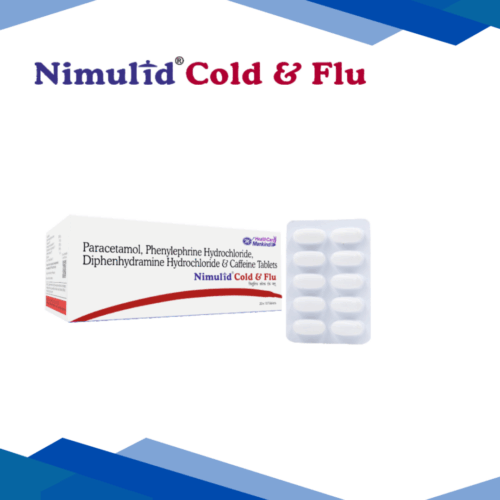
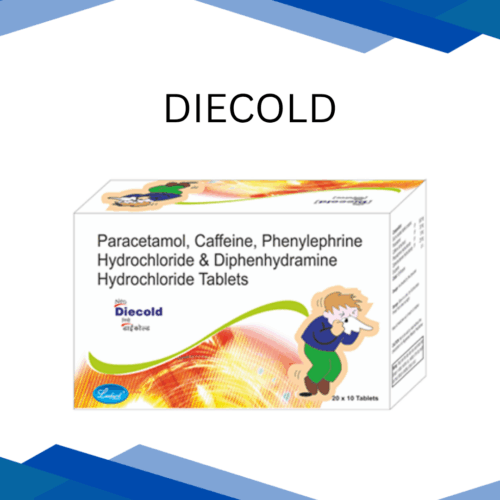
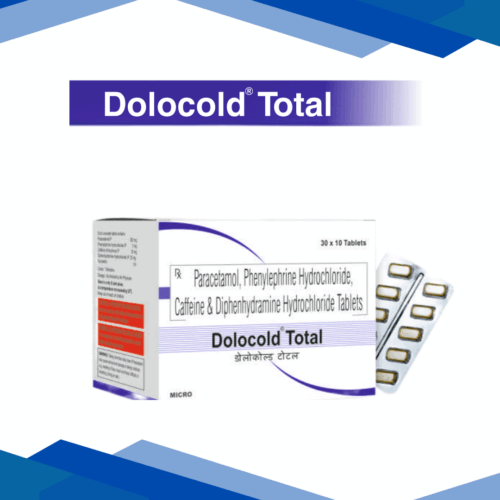
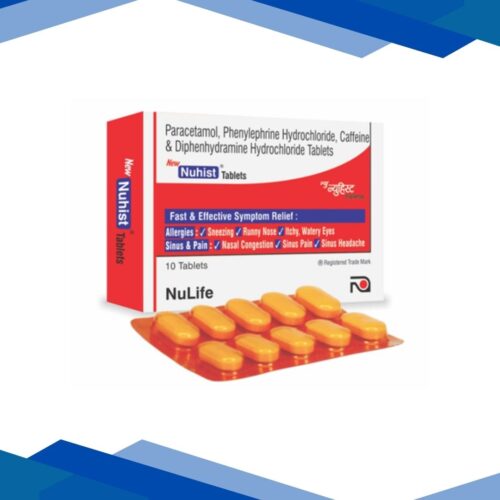
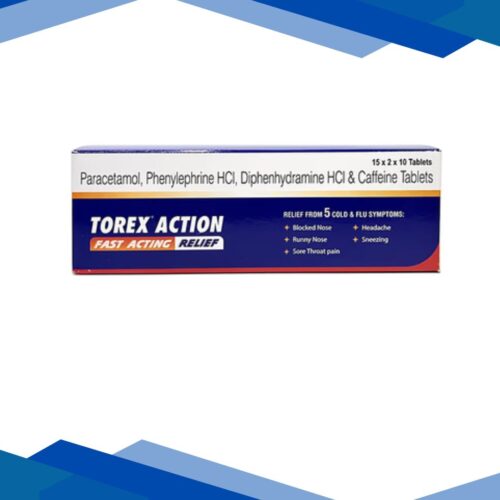
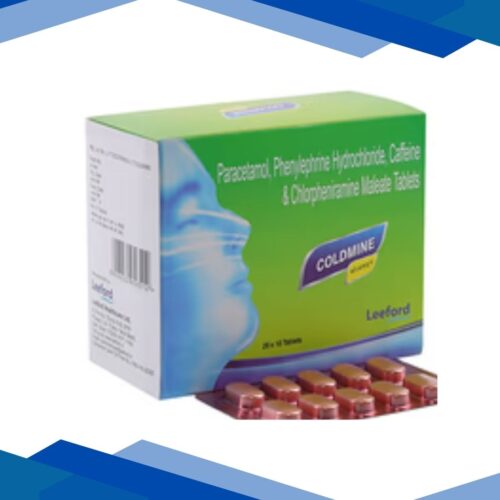
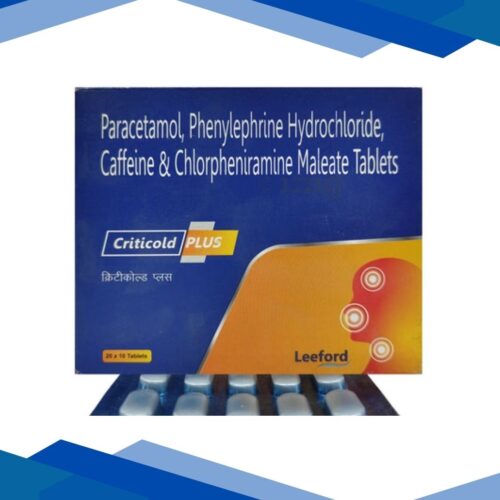
Caffeine
CAFFEINE
Overview:
Caffeine is a natural substance that helps you feel less tired and more awake. You’ll find it in things like coffee, tea, cola, energy drinks, and even in some medications.
Classification: Central nervous system stimulants
Uses:
Fights sleepiness and helps keep you focused
Can help you stay mentally sharp during the day
Often added to pain relievers to make them work better (like in migraine treatment)
Sometimes used in newborns (especially premature babies) to help with breathing problems
How it works:
Caffeine helps you stay awake and focused by blocking a brain chemical called adenosine, which normally makes you feel drowsy.
By stopping adenosine, caffeine keeps your brain more active, helping you feel energized, alert, and a bit more awake. It can also slightly increase your heart rate and make you feel more awake physically and mentally.
Dosage: As prescribed by your doctor.
Side effects:
Having too much caffeine might cause:
Restlessness or shaky hands
Trouble falling asleep
Rapid heartbeat or a racing pulse
Stomach discomfort or acidity
Mild headaches, especially if you suddenly stop using it
Frequent urination
Feeling uneasy or anxious
Precautions:
Don’t have too much: Taking in large amounts of caffeine can make you feel nervous, interfere with sleep, or cause a fast heartbeat. It’s best to keep it moderate—about 1 to 3 cups of tea or coffee a day is usually safe.
If you’re sensitive, go slow: Some people react strongly to even small doses of caffeine, causing shakiness, headaches, or discomfort.
Avoid it before bedtime: Since caffeine keeps you alert, having it too late in the day (especially after the afternoon) can make it hard to fall asleep.
Pregnant or breastfeeding? Talk to your doctor. Too much caffeine might affect your baby, so it’s safer to limit your intake.
If you have heart issues, anxiety, or high blood pressure: Be careful—caffeine can sometimes worsen these problems.
Check food and medicine labels: Caffeine isn’t only in coffee—it’s also found in soft drinks, energy drinks, chocolate, and some pills like pain relievers or slimming products.
Disclaimer:
This content is for informational purposes only. Always consult a healthcare provider for medical advice and proper dosage
Diphenhydramine Hydrochloride
Diphenhydramine Hydrochloride: A Great Help for Allergies, Cold, and Insomnia
Diphenhydramine Hydrochloride is a first-generation antihistamine commonly used to relieve seasonal allergies and symptoms of the common cold. It is also sometimes used short-term for insomnia, motion sickness prevention, and situational sleep problems that require medical attention.
How The Drug Works
The primary action of Diphenhydramine is blocking histamine, a chemical released by the body during allergic reactions. The drug crosses the blood-brain barrier quickly and also has anticholinergic effects, which help reduce symptoms like itching, sneezing, and a runny nose.
By reducing histamine activity, the medication also dries excess secretions in body membranes, helping clear the upper respiratory tract and reduce irritation.
Primary Uses & Benefits
Allergy: Helps relieve sneezing, itchy or watery eyes, skin rash, mosquito bites, and hives.
Common Cold: Helps dry nasal passages and reduce postnasal drip.
Sleep Aid: Causes drowsiness, which can help manage temporary insomnia.
Motion Sickness: Helps reduce nausea, dizziness, and lightheadedness during travel.
Parkinsonism: Sometimes used as an adjunct therapy to reduce tremors and muscle stiffness in early stages.
Safety Overview: Use with Care
Category | Clinical Guidance
Alertness: High risk. This medicine can cause significant drowsiness, so avoid driving or operating heavy machinery.
Alcohol: Strictly avoid. Alcohol can intensify the sedative effects of Diphenhydramine and may lead to severe dizziness or breathing problems.
Elderly Patients: Use with caution. Older adults may experience confusion, dizziness, or next-day “hangover” effects.
Children: Consult a pediatrician first. Some children may experience paradoxical excitement instead of sleepiness.
Possible Side Effects
Although Diphenhydramine is effective, some side effects may occur due to its drying and sedative properties.
Dryness: Dry mouth, nose, or throat may occur. Staying well hydrated can help manage this.
Vision: Some people may experience blurred vision or sensitivity to bright light.
Digestive: Mild constipation or stomach upset may occur.
Other Effects: Headache, heart palpitations, or a groggy feeling the next morning when used as a sleep aid.
Patient Tip: If using Diphenhydramine for motion sickness, take it about 30 minutes before traveling. Chewing sugar-free gum may also help reduce nausea.
Frequently Asked Questions (FAQs)
1. Can I take Diphenhydramine every night to help me sleep?
It is generally intended for short-term use only, usually no more than 7–10 days. Over time, the body can develop tolerance to its sedative effects, making it less effective. Consult a healthcare professional if insomnia continues.
2. Why does it make my mouth so dry?
This occurs due to its anticholinergic effects, which reduce mucus and saliva production. Drinking water frequently or using lozenges may help relieve dryness.
3. Can I take this medicine with other cold medicines?
Be careful. Many multi-symptom cold medicines already contain antihistamines. Combining them may lead to accidental overdose. Always check the active ingredients before taking multiple medications.
4. How long do the effects last?
The medication usually starts working within about 2 hours and the effects typically last 4–6 hours. It may be taken multiple times daily for allergies or once at night for sleep support.
5. What should I do if I miss a dose?
If you miss a dose, take it as soon as you remember. If it is close to the next scheduled dose, skip the missed one. Do not double the dose, as this may lead to excessive drowsiness or other side effects.
Paracetamol
PARACETAMOL
Overview
Paracetamol is a commonly used medication that helps relieve mild to moderate pain and reduce fever. It’s often used for:
Headaches
Toothaches
Muscle and back pain
Menstrual cramps
Cold and flu symptoms
It’s available over-the-counter and is considered safe when used as directed.
Classification
Analgesic and antipyretic agent
Uses
Paracetamol is used for pain relief and fever. It is used to relieve pain in conditions like headache, muscle pain, or dental pain.
How it works
When you produce a fever, your body’s internal thermostat — found in the hypothalamus portion of the brain — is raised to a higher temperature. This new set point is usually induced by pyrogens (substances made during infections) that tell the body to produce more heat as a form of immune defense.
Due to its effects in the brain, paracetamol reduces the production of reactive prostaglandins. Prostaglandins are disease-fighting chemicals released during infection that in turn, raise the body’s temperature set point. By decreasing prostaglandin levels, paracetamol enables the hypothalamus’ temperature control centre to bring the body’s temperature back down to normal, allowing the body to cool down and the fever to subside
Dosage
As directed by the physician
Precautions
Most people can take paracetamol safely, including:
pregnant women
breastfeeding women
children over 2 months of age – lower doses are recommended for young children
always get advice before taking paracetamol if you:
have liver or kidney problems
have problems with alcohol, like long-term alcohol misuse
are very underweight
are taking other medications
Don’t take paracetamol if you’ve had an allergic reaction to it in the past
Side effects
common side effects of paracetamol.
Nausea
Swelling
Vomiting
Pain
Tenderness in the upper abdomen
Sweating
Loss of appetite
Stomach cramps
Diarrhea
Major side effects are as follows:
Dark-colored urine
High fever
Lower backache
Skin having red spots
Rashes
Inflammation
Itching
Sore throat
Ulcers
Breathlessness
Yellowish eyes
Disclaimer
This content is for informational purposes only. Always consult a healthcare provider for medical advice and proper dosage.
Phenylephrine Hydrochloride
PHENYLEPHRINE HYDROCHLORIDE
Overview
Phenylephrine is a nasal decongestant used to temporarily relieve nasal discomfort caused by colds, allergies, and hay fever. It works by reducing swelling in the nasal passages, making it easier to breathe. However, it does not address the underlying cause of the symptoms or speed up recovery
Classification
Nasal decongestants
Uses
Oral and nasal phenylephrine are used as nasal decongestants to temporarily unblock a nose or relieve sinus pressure in people with nasal and sinus congestion caused by colds, allergies, or hay fever. While phenylephrine can provide some symptom relief, it doesn’t treat the underlying cause or speed recovery
How it works
Phenylephrine Hydrochloride is a sympathomimetic amine used as a topical decongestant, systolic vasopressor, and mydriatic agent. Its mechanism of action works through various pathways with the mechanism of action primarily based on its ability to stimulate alpha-adrenergic receptors, particularly alpha-1 receptors, which are involved in vascular smooth muscle contraction.
Dosage
As directed by the physician
Precautions
Before using Vazculep, please note:
Allergies: If you’re allergic to phenylephrine or any of its ingredients, avoid using this medication.
Children: Keep this medication out of reach of children. In case of overdose, seek medical help or contact a Poison Control Center immediately.
Contraindications (Do not use if you have):
Severe high blood pressure (hypertension)
Ventricular tachycardia (a type of rapid heart rate)
Closed-angle glaucoma (a condition affecting the eyes)
Hypersensitivity to phenylephrine or sulfites (a type of preservative)
Use with caution if you have:
Heart or blood vessel problems
Thyroid issues
Diabetes
Enlarged prostate
Liver or kidney problems
Asthma or sulfite sensitivity
Pregnancy & Breastfeeding:
Use during pregnancy only if the potential benefit justifies the potential risk to the fetus.
Considered safe during breastfeeding, but consult your doctor.
Side effects
Injection Site Reactions: Leakage of intravenous medication
Cardiovascular: High blood pressure (hypertension)
Heart Rate: Slow heart rate (bradycardia)
Mental Health: Anxiety, nervousness, restlessness
Neurological: Headache, dizziness, lightheadedness
Respiratory: Shortness of breath, chest tightness, wheezing
Gastrointestinal: Nausea, stomach pain or upset
Renal: Reduced urine output, decreased blood flow to the kidneys
Pulmonary: Fluid accumulation in the lungs (pulmonary edema)
Rebound Symptoms: Nasal congestion worsening after initial relief (rebound congestion)
Skin: Burning or stinging sensation
Other: Sneezing
If you experience any of these side effects, it’s important to consult with a healthcare professional for guidance.
Disclaimer
This content is for informational purposes only. Always consult a healthcare provider for medical advice and proper dosage.