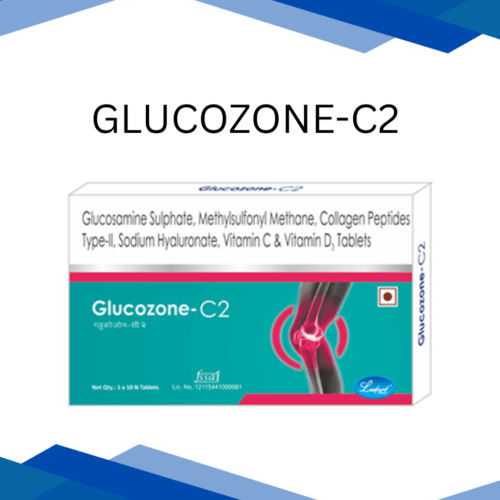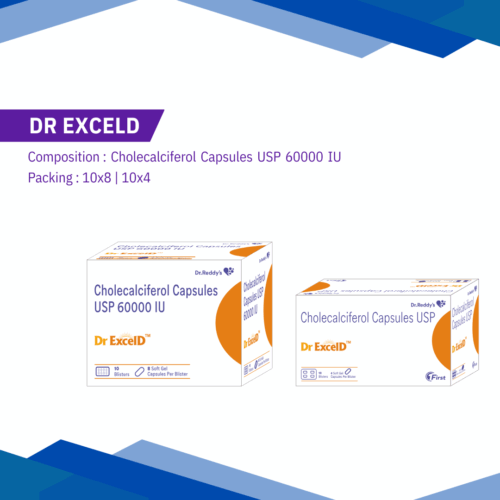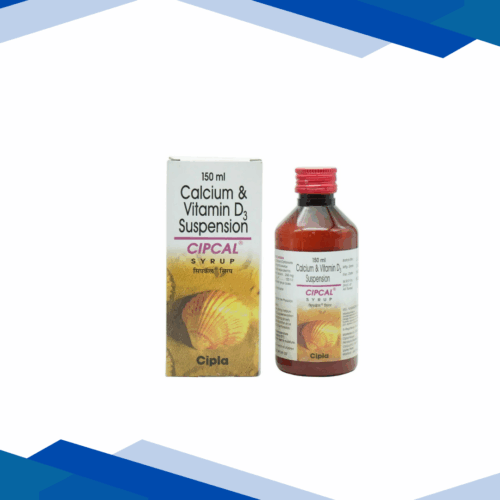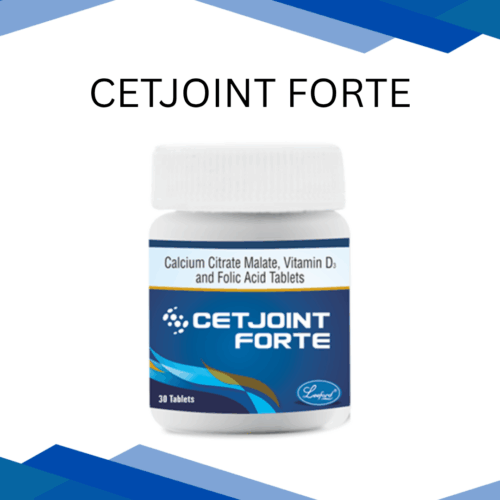

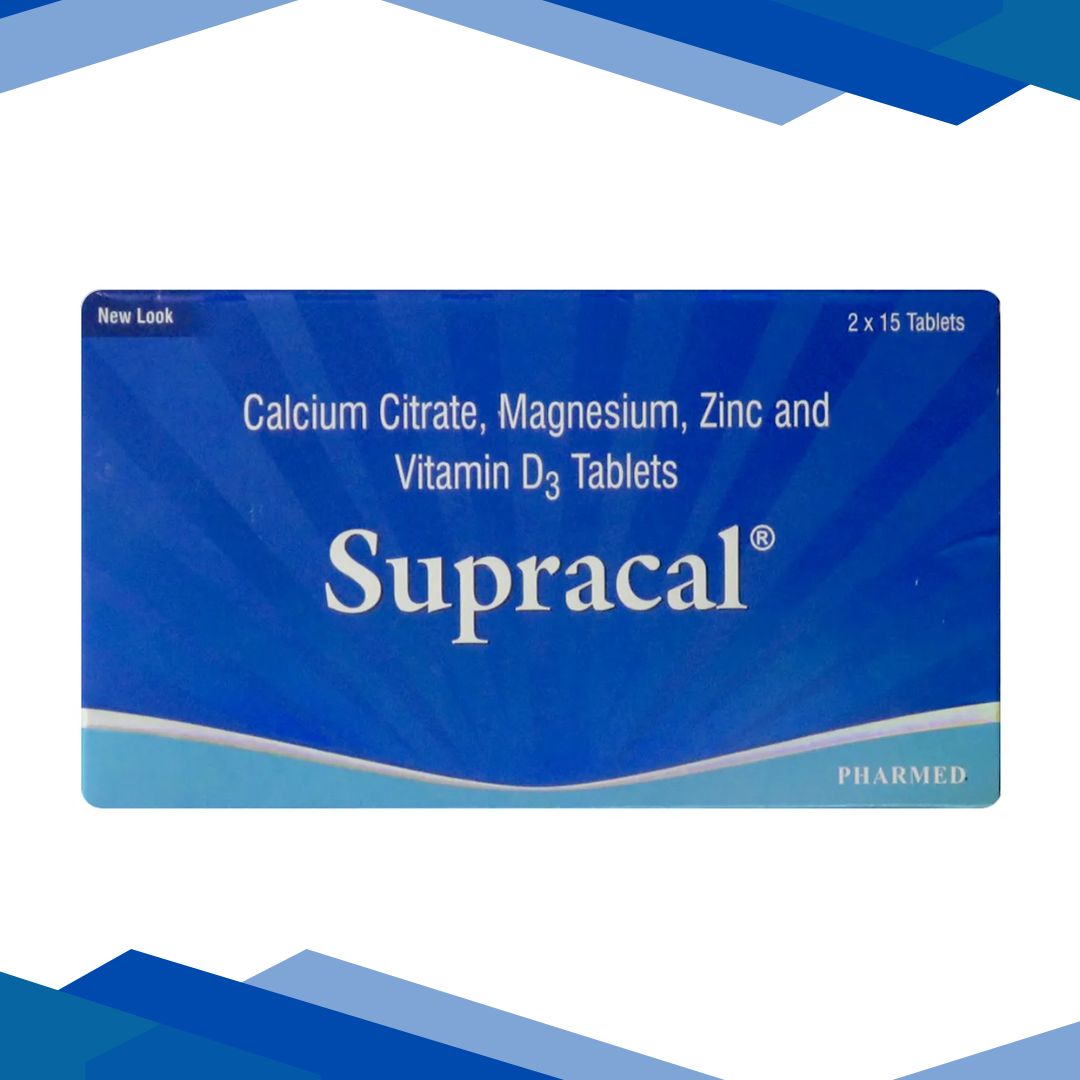
Supracal Tablet
No Prescription yet? Don’t worry! Click Here to Get Online Consultation
Supracal Tablet | Calcium & Vitamin D3 Supplement for Bone Health is a prescription medicine which has a combination of medicines that is used in the treatment of nutritional deficiency. This medicine contains nutritional supplements that help in the growth and development of the body and for maintaining good health.
Calcium Citrate
Calcium Citrate Tablets Calcium Citrate is a highly bioavailable form of calcium, an essential mineral required for the maintenance of strong bones, teeth, and healthy nerve function. Unlike Calcium Carbonate, the citrate form does not require stomach acid for absorption, making it the preferred choice for individuals with sensitive stomachs, those using antacids (PPIs), or older adults with reduced gastric acid secretion. It is commonly prescribed to prevent and treat osteoporosis, osteomalacia, and hypocalcemia. Primary Therapeutic Efficacy Superior Absorption: Because Calcium Citrate can be absorbed at acidic pH it can be taken at any time of the day with or without food. Support for Bone Density: It provides the building blocks for support of bone mineral density, thereby reducing the possibility of fractures. Kind to the Gut: Its use gives a significantly lower chance of causing gas, bloating, or constipation, in contrast to alternative forms of calcium. Hypothesized Renal Function: Some evidence indicates that supplementing with Calcium Citrate could reduce the risk of calcium oxalate kidney stone formation by decreasing renal oxalate excretion. Along the way, it will help neuromuscular health by supporting adequate muscle contraction and efficient neurotransmission. Product Specs Elemental Calcium Content: Approximately $21%$ by weight. Form: Film-coated tablets for easy swallowing. Suitability: Ideal for patients on acid-suppressants (like Omeprazole) or those with inflammatory bowel disease (IBD). Usage Instructions Dosage: The standard adult dose is typically 500mg to 1000mg daily, divided into two doses (morning and evening) for maximum absorption. Timing: Can be taken on an empty stomach or with a meal. Consistency: For best results in bone health, take the supplement at the same time every day. Precautions & Drug Interactions Iron & Antibiotics: Calcium may interfere with Iron supplement absorption and with some antibiotics (Tetracyclines/Quinolones). Maintain at least 2–4 hours apart from some of these medications. Hypercalcemia: Do not use in patients with hypercalcemia or severe kidney disease. Vitamin D: In the context of Vitamin D, calcium is best absorbed when Vitamin D levels are considered adequate. You could consider a combo supplement if you were found deficient. Frequently Asked Questions (FAQ) Q: Why should I choose Calcium Citrate over Calcium Carbonate? While Calcium Carbonate is cheaper and contains more elemental calcium per tablet, it needs stomach acid for digestion, meaning it must be given with a heavy meal. Calcium Citrate, on the contrary, is efficiently taken up whether or not a person has eaten, and there is little cause for fear of constipation or bloating. Q: Can I take all the pills in one dose daily? The human body can only absorb a single load of about $500\text{mg}$ of elemental calcium. If your doctor has recommended you take more than $1000\text{mg}$ daily, split the dosage up into doses over a day (morning and evening) for fear of the rest going waste. Q: Does Calcium Citrate promote kidney stone formation? No; Calcium Citrate is often given to those prone to stones, as Citrate binds with oxalate in the GI tract, preventing it from reaching the kidneys and forming kidney stones made of calcium oxalate. Q: Can pregnant women take it? Can it be administered to a nursing mother? Absolutely. Calcium demands rise during gestation and lactation. Always remember to reach out to your OB-GYN to know the exact doses required when placed alongside your prenatal vitamins. Q: How long does it take to start experiencing its beneficial effects? The building of internal bone matrix cannot be felt. While one would not feel the immediate effect, it is generally suggested that one should consume the supplement for a long time typically 3 to 6 months before any BMD test will show improvement in levels of it. Expert Tips in Use Maximize Your Bone Health: Keep exercising with weight-bearing exercises like walking or light jogging, include leafy greens and dairy in your meal or diet. Over 50? An annual check-up on Vitamin D3 and Calcium is good enough for you to adjust your supplementation as demanded. Disclaimer from the text: This content is for information purpose only. An individual should seek advice from a healthcare provider before making changes to the supplement intake, especially when having underlying health issues.
Magnesium sulphate
Magnesium Sulphate (Epsom Salt) Magnesium sulphate is a multi-use mineral salt widely utilized across medicine—ranging from an electrolyte replenisher to a fast-acting purgative. It works by replacing magnesium lost from the body and by drawing water into the intestines, thereby aiding bowel movement and physiological balance.
Main Medical Uses Hypomagnesemia: Helps correct magnesium deficiency in the blood. Prevention of Fits: Plays a crucial supportive role in managing seizures associated with pre-eclampsia and eclampsia during pregnancy. Purgative Effect: Acts as a saline laxative by pulling water into the intestines for relief from occasional constipation. Muscle & Soak Recovery: Commonly used externally in baths to relax sore muscles and reduce mild swelling.
How to Take Oral (Single-Dose Laxative): Dissolve the prescribed amount in a full glass of water. Flavor may be improved with lemon juice. For External Use (Soak): Dissolve 1–2 cups of crystals in warm bathwater. Soak a cloth and apply to the affected area for about 20 minutes to promote muscle relaxation. For Clinical Administration: In severe conditions (e.g., acute asthma or eclampsia), magnesium sulphate is administered via IV or IM injection under strict medical supervision.
Safety Guidelines & Warnings Important: Always consult a doctor before taking Magnesium Sulphate orally, especially if you have kidney disease or are on a magnesium-restricted diet. Kidney Health: Since magnesium is excreted through the kidneys, impaired renal function may lead to toxicity and requires close monitoring. Pregnancy Use: In cases like eclampsia, prolonged IV use (beyond 5–7 days) must be done under strict medical supervision. Drug Interactions: May interfere with certain medications, including tetracyclines and bisphosphonates, reducing their effectiveness.
Potential Side Effects Most individuals tolerate Magnesium Sulphate well. However, higher doses may cause: Diarrhea or abdominal cramping Nausea or vomiting Flushing (warm sensation) Sweating or low blood pressure (hypotension) Seek immediate medical attention if you experience extreme drowsiness, muscle weakness, or a slow heartbeat.
Frequently Asked Questions (FAQs) Q: Can Magnesium Sulphate be used daily for constipation? A: No. It should be used only for short-term relief. Frequent use may lead to electrolyte imbalance and a “lazy bowel.” Consult a doctor if constipation lasts more than 1 week.
Q: Is Epsom Salt the same as Magnesium Sulphate used in hospitals? A: Chemically, yes. However, hospital-grade magnesium sulphate (for injections) is sterile and highly purified. Always use the correct form for oral or external purposes.
Q: How does it help with muscle pain? A: When dissolved, it releases magnesium and sulfate ions. While absorption through the skin is debated, warm baths combined with this solution help reduce inflammation and relax tight muscles.
Q: What are the signs of excess magnesium intake? A: Symptoms of toxicity include extreme thirst, confusion, dizziness, muscle weakness, and a significantly slowed heart rate. Discontinue use and seek medical care immediately.
Q: Can I take this with blood pressure medication? A: Use caution. Since magnesium can lower blood pressure, combining it with antihypertensive drugs may cause excessive blood pressure drop. Always consult your doctor first.
Vitamin D3
Vitamin D3 also called Cholecalciferol, an example of a fat-soluble vitamin, strongly influences the absorption capacities of calcium and phosphorus from the gut. This vitamin, at times called the "Sunshine Vitamin," is important for maintaining bone density, modulating immune function, and maintaining neuromuscular health. Generally, the strong 60K variants are meant to correct clinical Vitamin-D deficiency levels and manage bone-adverse state. Key Health Aspects Bones and Joints: Facilitates the absorption of calcium for the prevention of osteoporosis, osteomalacia, and rickets. Immunity: Modulates the immune system supporting the body in the fight against respiratory infections and chronic inflammation. Muscle Strength: Supports muscle strength and balance and protects against falls, especially in the elderly. Mood Regulation: The emerging research suggests that Vitamin D3 also plays a role in the synthesis of neurotransmitters, which can have positive effects on the treatment of Seasonal Affective Disorder (SAD). Dental health: Vitamin D3 acts as a force to help in the formation of tooth enamel by promoting the coordination of the calcium-phosphorus balance. Product Specs Active Ingredient: Cholecalciferol (Vitamin D3) 60,000 IU. Form: Softgel / Granules / Tablets. Category: Nutritional Supplements / Vitamins. Storage: Store in a cool, dry place below 25 deg. C. Protect the product from direct light. Usage Dosage: A high-capacity capsule of this vitamin (60,000 IU) typically has one capsule per week for a usual adult dose, which may be supplied for 8–12 weeks of treatment, with the maintenance dose to follow. Administration: The capsule is to be swallowed whole with a big glass of water. Pro-Tip: Vitamin D3 is a fat-soluble nutrient, so it will be absorbed best if taken along with the meal that has the most fat content, or taken with milk, nuts, oils, etc. Safety & Side Effects Vitamin D3 is generally safe when taken in the recommended doses. However, excessive intake may lead to hypervitaminosis D, which is characterized by: Nausea or vomiting. Excessive thirst or frequent urination. Constipation. Loss of appetite. High blood calcium (hypercalcemia). Warning: This supplement should not be used if the patient has hypercalcemia or hypervitaminosis D with severe kidney stones for which they should take a specialist's approval. Precautions Renal Health: Patients with chronic renal disease or a history of having renal stones are heavily monitored. Pregnancy & Lactation : Safe when administered under a doctor's supervision. Dosage is determined based on blood sugar levels. Interactions: Tell your healthcare provider if you use antacids; diuretics such as water pills; or medications with Digoxin or those seeking heart treatment. Frequently Asked Questions - FAQs Q: Why does my Doctor decide to give me one dose once a week? The safety of children receiving a 60K dose has not been fully demonstrated. No. The adult version of a high-strength Vitamin D supplement is intended for you. Lower doses of Vitamin D supplements are available for young children (generally 400-800 IU drops or syrups). Always get advice from a pediatrician for children. Q: Can you show me services to yield results in a quick interval? While your blood levels will begin to rise within days, it may take several weeks to notice a significant improvement in symptoms like bone pain or fatigue. A follow-up blood test (25-Hydroxy Vitamin D) is usually recommended after 3 months.
ZINC
Zinc (Elemental Zinc/Zinc Salts) Zinc is an essential trace mineral vital for the activity of more than 300 enzymes in the human body. It plays a fundamental role in immune function, protein synthesis, wound healing, and DNA synthesis. With no specialized zinc storage system, a daily intake is necessary to maintain homeostasis. Zinc is mostly applied clinically to treat nutritional deficiencies, assist in pediatrics' growth and manage acute diarrhea. Therapeutic Uses Immune System Support: Acts as a gatekeeper of immune function, helping the body resist infections and reducing the duration of the common cold. Diarrhea Management: WHO recommends zinc to reduce the severity and duration of diarrhea, particularly in children. Skin Health & Repair: Essential for maintaining skin integrity; often used to treat acne, eczema-like rashes, and slow-healing wounds. Sensory Function: Crucial for the maintenance of the senses of taste and smell. Growth & Development: Synergists during growth & development, from pregnancy to childhood, & adolescence. Key Features Several Salt Forms: This nutritional mineral comes in Zinc Sulfate, Zinc Gluconate, and Zinc Acetate; the latter two should be preferred probably for easy GI tolerance as and when needed. High Bioavailability: High bioavailability makes it rapidly absorbed from the small intestine. Essential Micronutrient: Iron serves as an 'essential' mineral because it can't be made in the body. Instructions for Use Dosage: Per prescription from health care providers or on causal bases, one to two tablets is the recommended dose to make up the RDA of, say, 8mg for women and 11mg for men. Timetime: One hour before or two hours after meal for maximal absorption. Questionable Stomach? Nausea from zinc is through- add some food and this might reduce absorption a tad. Avoid Interference: Do not take zinc with iron or calcium supplements, as these minerals compete for absorption. Possible Side Effects At recommended doses, side effects with Zinc are uncommon. Nonetheless, a few users may encounter the following difficulties: GI Disturbances: Zinc Sulfate causes common nausea, vomiting, and stomach pains. Metallic Taste: A lingering taste in the mouth will occur. Copper Deficiency: Excessive zinc intake, longer than 40 mg/day, can be an obstruction to copper absorption, leading to anemia. Cautions and Restriction Drug Interactions: Zinc may interfere with the absorption of certain antibiotics (eg. Quinolones and Tetracyclines). So if you are on these medications, take them at least 2 hours before or 4–6 hours after taking Zinc. Renal Health: Be cautious if you have kidney deficiencies, as minerals can build up. Pregnancy & Lactation: Zinc needs are higher during these periods and supplementation should be by prescription only. Avoid taking antacids two hours before/after your zinc dose since they may actually reduce its effectiveness. Frequently Asked Questions (FAQs) Q: Which is the best form of Zinc, sulfate, gluconate, or acetate? All forms are equally good carriers of elemental zinc. Zinc sulfate tablets offer more zinc for the money and is commonly found, but zinc gluconate or acetate forms are most often desired in syrups and lozenges as they are less bitter and milder on the stomach. Q: Can Zinc delete a common cold faster? Yes, clinical studies show that taking Zinc lozenges or syrup less than 24 hours after the initial phase of a common cold can significantly reduce the duration and severity of a cold. Q: How can I tell if I have Zinc deficiency? Common signs include frequent infections, thinning of the hair, decreased appetite, changes in taste or smell, and wounds that are slow to heal among other few. If you are experiencing these symptoms, it is suggested to check with your clinician for a blood test. Q: Can I take Zinc and Iron together? That's correct. A large intake of iron (25mg or more) will seriously inhibit zinc absorption. It is best we supplement each with enough hours separation (e.g. morning and evening). Q: Will it be safe to consume 50mg of zinc every day? The "Tolerable Upper Intake Level" figure for adult consumption stands at 40 mg/mg per day. In any case, taking 50 mg/day or more on one's own overtime without any doctor's supervision will result in a copper deficiency and weakened immunity. Storage Store in the same fashion others are stored: dry places away from direct sunlight with the container tightly closed to prevent moisture from getting in. Disclaimer: INFO THIS ARTICLE OFFERS IS PRESENTED IN AN INFORMATIVE WAY. IT IS NOT SUBSTITUTING FOR PROFESSIONAL MEDICAL ADVICE OR DIAGNOSIS. ALWAYS CONSULT YOUR DOCTOR BEFORE TAKING ANY NEW MINERAL SUPPLEMENT.
At Gem Pharmacy, we make every effort to provide accurate, expert-written, and thoroughly reviewed information related to medicines. However, this information should not be considered a substitute for professional medical advice, diagnosis, or treatment from a qualified doctor.
The purpose of this information is to educate users and improve communication between patients and healthcare professionals. It should not be used to diagnose or treat any condition.
Always consult a certified healthcare professional before taking any medication.


Related products