Chondroitin sulfate
Chondroitin Sulfate: Joint Health, Movement, & Recovery
Chondroitin Sulfate is a naturally occurring complex carbohydrate in the connective tissues in the body, mainly in the cartilage that cushions the joints. In the field, chondroitin sulfate could be found contained in pharmaceutical and supplementary drugs used to manage pain in the joint and to slow the progression of such degenerative joint conditions like Osteoarthritis. By acting as a “shock absorber,” chondroitin plays a significant role in maintaining structural integrity and allows easier and pain-free movement.
Little Doses, Large Strengths
HEALTH BENEFITS OF COTroitis
Cartridge defending against effects enzymes because it decreases the cartilage degradation abating and helps maintain the “cushion” between joints.
Anti-inflammatory: COTS reduce joint swelling and morning stiffness, enabling enhanced daily mobility.
Water retention by joints: It can hold water with proteins at the cotileg to keep it elastic and healthy.
Synergistic action: Often used in combination with Glucosamine to heal and maintain joints.
LADY SOCRATIC BEINGS
Types of Treatment, With Important Pix
2ndA™
Joint Support / Glycosaminoglycan
Mainly used for
Osteoarthritis, Joint Pain, Physical Recovery
Dosage
800mg to 1200mg per day or as directed by a physician
Source
Naturally derived or synthetic formulation
How To Use Regarding the Use of Chondroitin Sulfate
Use of Administration: Mostly taken orally, as a pill or capsule.
Since Food Is Best Tolerated: Eating some meals with it may minimize discomforting stomach effects.
Expectation: Chondroitin is not a cure-all for problems related to pain. It typically takes 4–8 weeks of constant usage before results become more noticeable in terms of diminishing joint discomfort.
Safety and Precaution
Chondroitin is well tolerated, but keep in mind:
General Side Effects:
^Mild stomach ache or distension
^Mild nausea or diarrhea
^Occasional headache
Special Considerations:
Blood thinners: Kindly consult a doctor before usage if you are already on anticoagulants, for instance, warfarin, as Chondroitin may exhibit subtle anticoagulation.
Asthma: It may exacerbate asthma symptoms; hence, closely monitor your breathing upon initiation of its use.
Allergies: Ensure that the source (bovine, avian, or marine) is inline with your dietary restrictions or allergies.
Frequently Asked Questions (FAQs)
1. Does Chondroitin Sulfate help with all types of joint pain?
It is very effective mainly for Osteoarthritis, particularly in the knees, hips, and hands — it might be less effective for acute injuries or situations in which an autoimmune problem is involved, like from rheumatoid arthritis.
2. For how long will I need to use Chondroitin?
Most of the experiments that lasted from 6 months to 2 years indicated the slowing down of cartilage depletion. Your healthcare provider will make the decisions based on the situation.
3. Can an allergic person take this drug?
Chondroitin often comes sourced from bovine (cow) cartilage, and shellfish derivatives, or Glucosamine also coming from shellfish, may be a stable partner for cow cartilage. Look for “Shellfish-Free” or “Vegan” on the label if having the allergy concerns.
4. Does it have any drug interactions?
The predominant issue in this regard is with blood thinning drugs and agents. Patients on sodium restricted diets need to inquire about the sodium content.
5. Can I use Chondroitin sulfate instead of painkillers like Ibuprofen?
Chondroitin is good for the long term; it is not a fast-acting analgesic. Patients suffering from chronic pain say that after several months of chondroitin therapy, they have reduced their intake of NSAIDs (Ibuprofen), but it goes without saying that you should not quit any prescribed medication without consulting your physician.
Sodium Hyaluronate
SODIUM HYALURONATE
Overview:
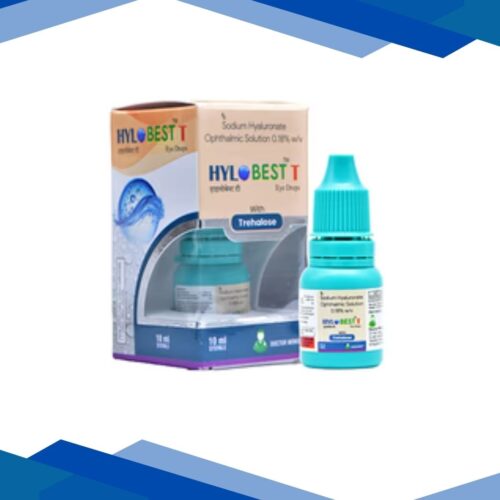
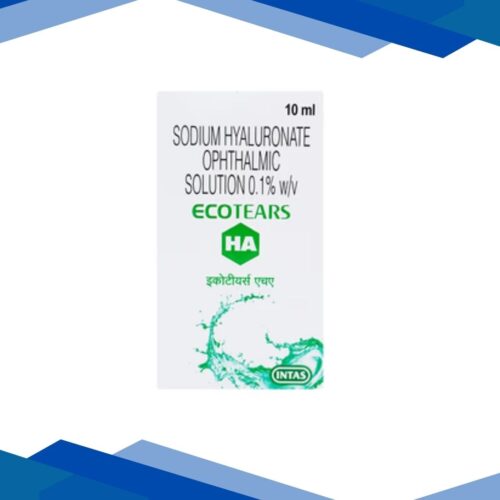
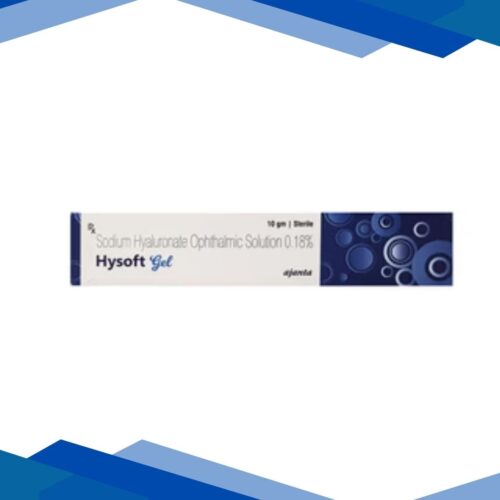
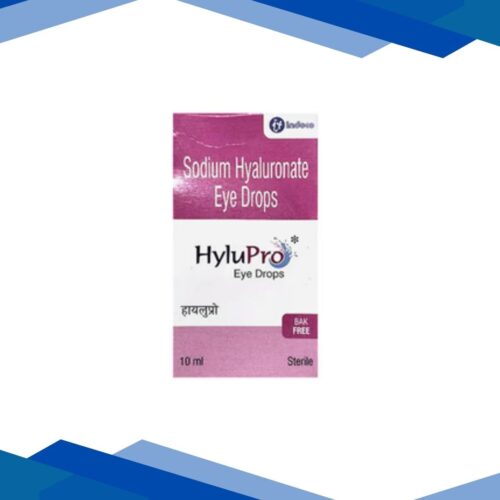
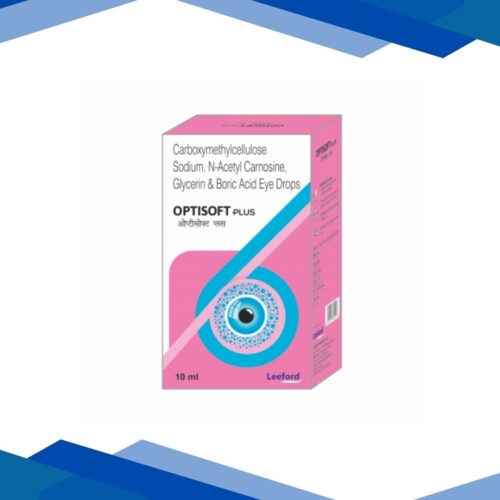
Sodium hyaluronate is a natural compound that makes some of our body stay wet and padded, including the eyes, joints, and skin. It is applied in eye drop medicine to treat dryness, in joint injections to treat pain and stiffness caused by arthritis, and in skin products to ensure the skin is soft and moist. It is safe in general, but can cause slight redness, swelling or irritation at the site of application or injection.
Classification: Glycosaminoglycan (polysaccharide)
Uses:
Sodium hyaluronate is utilized in numerous applications to make the body comfortable and safe. It relieves dryness and irritation in the eyes and keeps them moist. It serves as a cushion and lubricant in the joints, which alleviates pain and stiffness in something such as osteoarthritis. It ensures that the skin is moist, supple, and plump, and that is why it is included in most creams, serums, and cosmetic fillers. It is also administered by doctors during some eye surgeries like cataract surgeries to cushion and lubricate the fragile tissues.
How it works:
Sodium hyaluronate works with its hygroscopic and viscoelastic characteristics. It holds a lot of water, and it keeps tissues wet and oily. It normalizes the tear film in the ocular surface and safeguards the epithelial cells. Intra-articular injection, in the joints, is used to reinstate the viscoelasticity of the synovial fluid to enhance lubrication, shock absorption and joint performance. It keeps the skin moist in the extracellular matrix increasing elasticity, wound healing and tissue regeneration.
Dosage: As prescribed by your doctor.
Side Effects:
- Mild eye irritation or redness
- Blurred vision for a short time (with eye drops)
- Small swelling or pain where injected in the joint
- Redness or slight swelling on the skin (with creams or fillers)
Precautions:
- Inform your doctor if you are allergic to hyaluronic acid or similar products.
- Use eye drops only as directed; avoid touching the dropper tip to prevent contamination/infection.
- Rest the joint for one to two days after injection to reduce pain or swelling.
- Avoid using on infected or inflamed skin/joints.
- Tell your doctor if you are pregnant or breastfeeding before use.
- Use with caution if you have a history of severe allergies or immune reactions.
Disclaimer:This content is for informational purposes only. Always consult a healthcare provider for medical advice and proper dosage.
Vitamin C
VITAMIN C
OVERVIEW
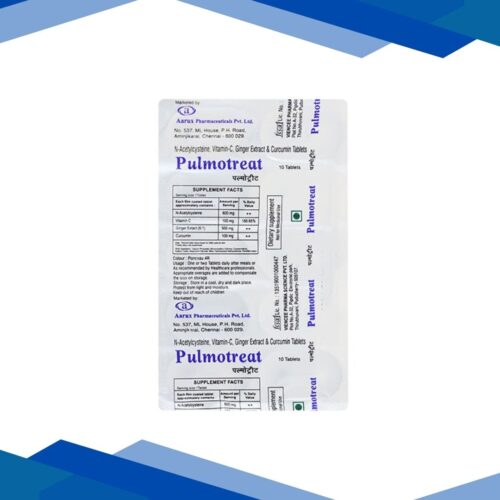
Vitamin C, also known as L-ascorbic acid, is a water-soluble vitamin. Unlike most mammals, humans do not have the ability to synthesize vitamin C and must obtain it from the diet.Low levels of vitamin C can result in a condition called scurvy. Scurvy may cause symptoms such as rash, muscle weakness, joint pain, tiredness, or tooth loss.
CLASSIFICATION
Antioxidant
USES
Vitamin C is needed for the growth and repair of tissues in all parts of your body. It is used to:
Form an important protein called collagen, used to make skin, tendons, ligaments, and blood vessels
Heal wounds and form scar tissue
Repair and maintain cartilage, bones, and teeth
Aid in the absorption of iron
Vitamin C is one of many antioxidants. Antioxidants are nutrients that block some of the damage caused by free radicals.
Free radicals are made when your body breaks down food or when you are exposed to tobacco smoke or radiation.
The buildup of free radicals over time is largely responsible for the aging process.
Free radicals may play a role in cancer, heart disease, and conditions like arthritis.
The body is not able to make vitamin C on its own. It does not store vitamin C. It is therefore important to include plenty of vitamin C-containing foods in your daily diet.
HOW IT WORKS
In humans, an exogenous source of ascorbic acid is required for collagen formation and tissue repair by acting as a cofactor in the posttranslational formation of 4-hydroxyproline in -Xaa-Pro-Gly- sequences in collagens and other proteins. Ascorbic acid is reversibly oxidized to dehydroascorbic acid in the body. These two forms of the vitamin are believed to be important in oxidation-reduction reactions. The vitamin is involved in tyrosine metabolism, conversion of folic acid to folinic acid, carbohydrate metabolism, synthesis of lipids and proteins, iron metabolism, resistance to infections, and cellular respiration.
DOSAGE
As directed by the physician
PRECAUTIONS
You should not use ascorbic acid if you are allergic to it.
Ask a doctor or pharmacist if Vitamin C is safe to use if you have or have ever had:
Diabetes;
Any type of cancer;
A planned surgery or any other medical procedure;
Taken any other medication or have any medical condition;
If you are on a low-salt or salt-free diet;
If you smoke or chew tobacco;
If you drink alcohol;
A genetic enzyme deficiency called glucose-6-phosphate dehydrogenase (G6PD) deficiency; or
Kidney disease or kidney stones.
Ask a doctor before using this medicine if you are pregnant or breastfeeding.
Do not give this medicine to a child without medical advice.
SIDE EFFECTS
Get emergency medical help if you have signs of an allergic reaction: hives, difficult breathing, swelling of your face, lips, tongue, or throat.
Vitamin C may cause serious side effects. Call your doctor at once if you have:
Kidney problems–swelling, blood in your urine, painful or difficult urination, pain in your side or lower back, feeling tired or short of breath.
Common side effects of Vitamin C may include:
Difficult or painful swallowing;
Headache, heartburn; or
Nausea, vomiting, diarrhea, stomach cramps.
DISCLAIMER
This content is for informational purposes only. Always consult a healthcare provider for medical advice and proper dosage