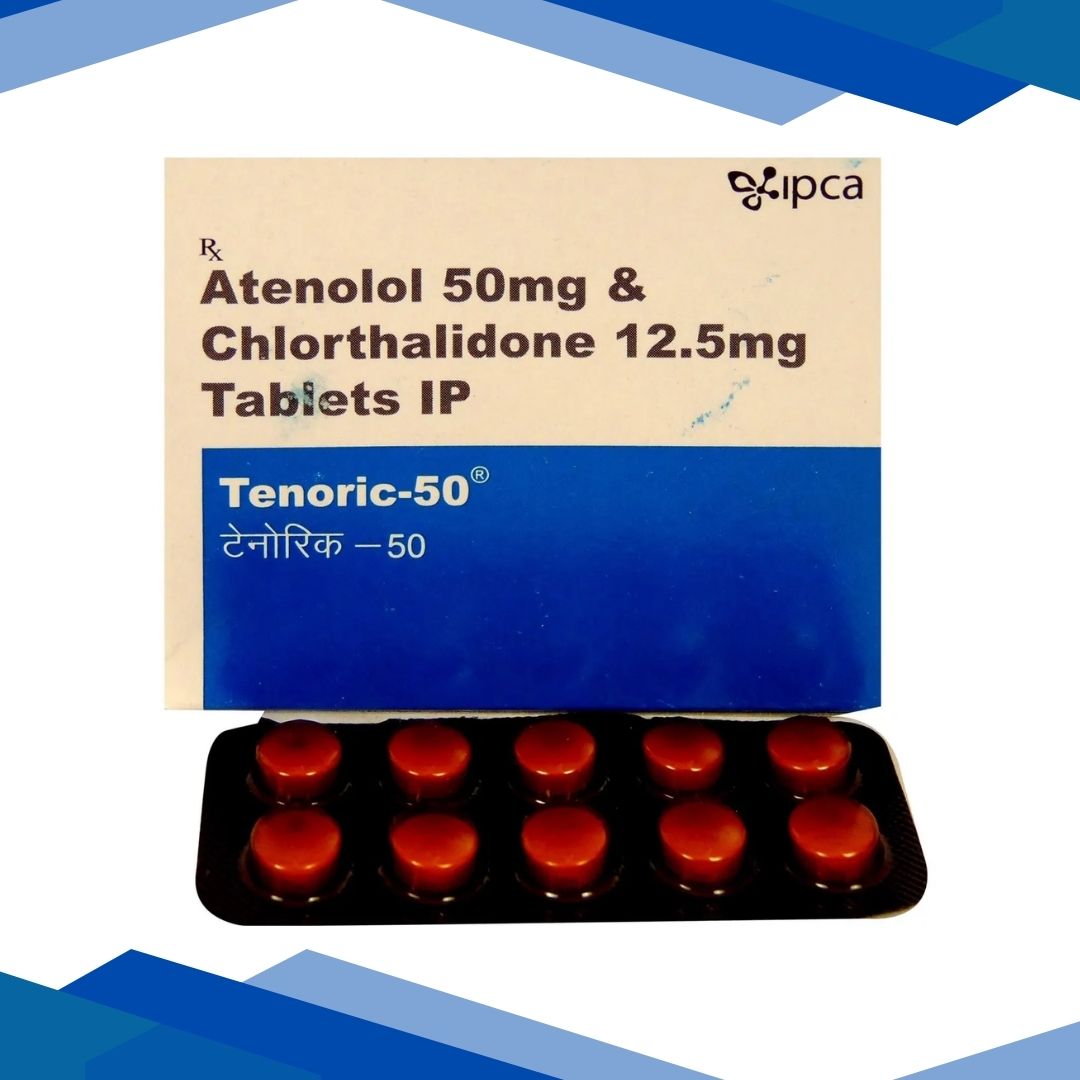
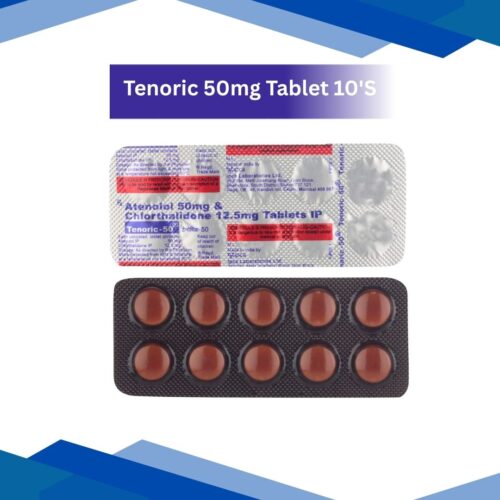
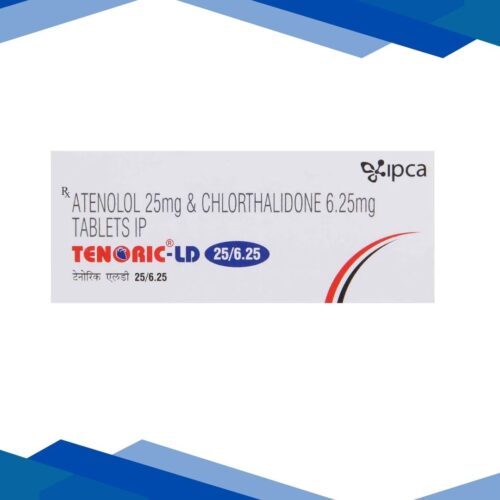
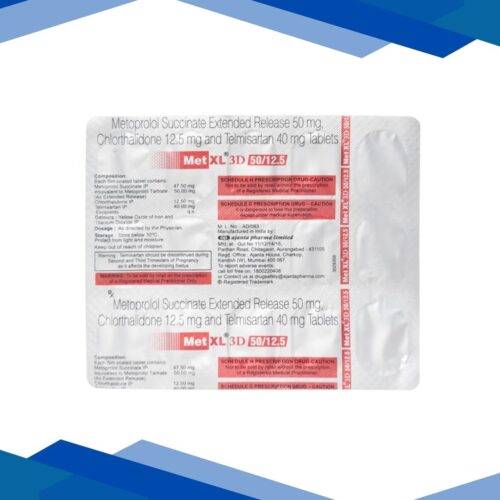
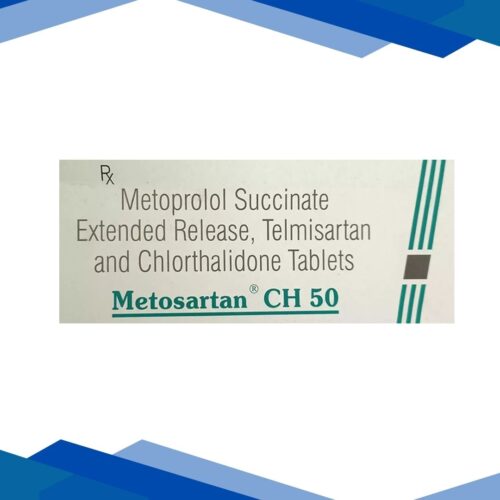
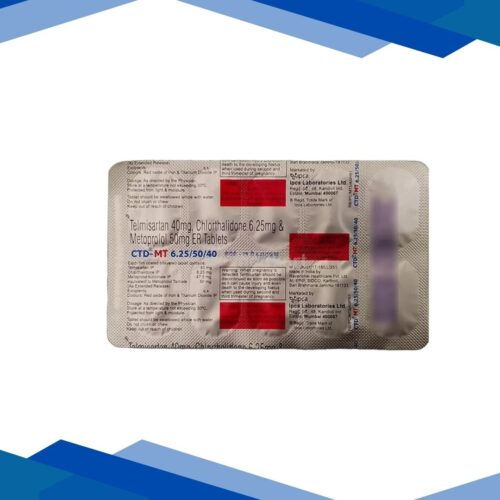
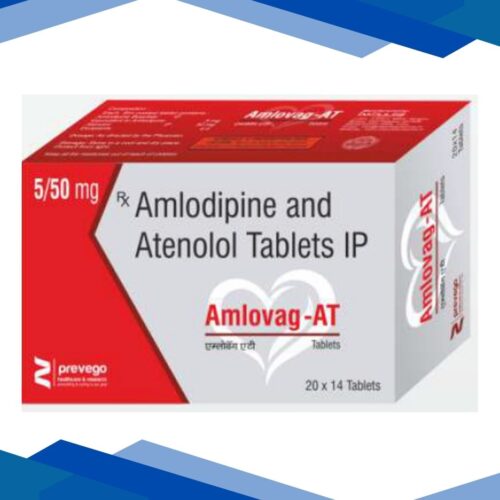
Atenolol
ATENOLOL
Overview:
Atenolol is commonly used to treat heart-related conditions. It helps the heart work more efficiently, eases its workload, and lowers the pressure inside blood vessels. This can prevent serious problems like heart attacks or strokes. It’s often taken as a daily tablet.
Classification: beta-blocker
Uses:
High blood pressure (hypertension)
Chest pain (angina)
Irregular heart rhythms (arrhythmias)
To help the heart recover after a heart attack
Sometimes used to prevent migraines or manage symptoms of anxiety (off-label use)
How It Works:
Atenolol blocks the effects of stress hormones like adrenaline on the heart. This helps:
Slow the heart rate
Lower blood pressure
Reduce the heart’s oxygen demand, which helps relieve chest pain
Calm irregular heartbeat patterns
Dosage: As prescribed by your doctor.
Side effects:
Some people may experience:
Tiredness or fatigue
Cold hands and feet
Dizziness or lightheadedness
Slow heartbeat
In some cases: mood changes, shortness of breath, or trouble sleeping
Precautions:
Should be used with caution in people with asthma, diabetes, or thyroid issues
Don’t stop suddenly—this can cause a spike in heart rate or chest pain
Tell your doctor if you have heart block, low blood pressure, or poor circulation
May mask signs of low blood sugar in diabetics—monitor blood sugar closely
Use in pregnancy or breastfeeding only if prescribed by a doctor
Disclaimer:
This content is for informational purposes only. Always consult a healthcare provider for medical advice and proper dosage.
Chlorthalidone
CHLORTHALIDONE
Overview:
Chlorthalidone is a “water pill” that helps your body get rid of extra salt and water through urine. It’s mainly used to lower high blood pressure and reduce swelling from heart, kidney, or liver problems.By flushing out extra fluid, it reduces pressure on the heart and arteries.It comes as a tablet and should be taken under a doctor’s guidance to keep your blood pressure and electrolytes in check.
Classification: Sulfamoylbenzamide
Uses:
Lowers high blood pressure (hypertension) to protect the heart and blood vessels
Helps prevent fluid buildup that can make the heart work harder
Reduces swelling (edema) caused by heart, kidney, or liver problems
Can be used to help balance electrolytes with proper medical supervision.
How it works:
Chlorthalidone is a thiazide-like diuretic that acts on the distal convoluted tubules of the nephron. It inhibits the Na⁺/Cl⁻ symporter, reducing sodium and chloride reabsorption. By removing sodium, chloride, and water, it decreases the amount of fluid in the blood, lightens the heart’s workload, and reduces blood pressure.
Dosage: As prescribed by your doctor.
Side Effects:
Increased urination – may lead to dehydration if fluids aren’t replaced
Low potassium (hypokalemia) –can cause weakness, cramps, or irregular heartbeat
Low sodium (hyponatremia) – may cause fatigue, headache, or confusion
High uric acid (hyperuricemia) – can trigger gout in susceptible people
Low magnesium (hypomagnesemia) – may lead to muscle cramps or weakness
Precautions:
Chlorthalidone helps lower blood pressure and reduce swelling but should be used carefully. Avoid it if you’re allergic, and people with kidney or liver problems should be cautious. Monitor electrolytes, blood sugar, and uric acid, as it can cause dizziness or lightheadedness, especially when standing up. Pregnant or breastfeeding women should use it only under a doctor’s guidance.
Disclaimer:This content is for informational purposes only. Always consult a healthcare provider for medical advice and proper dosage.