
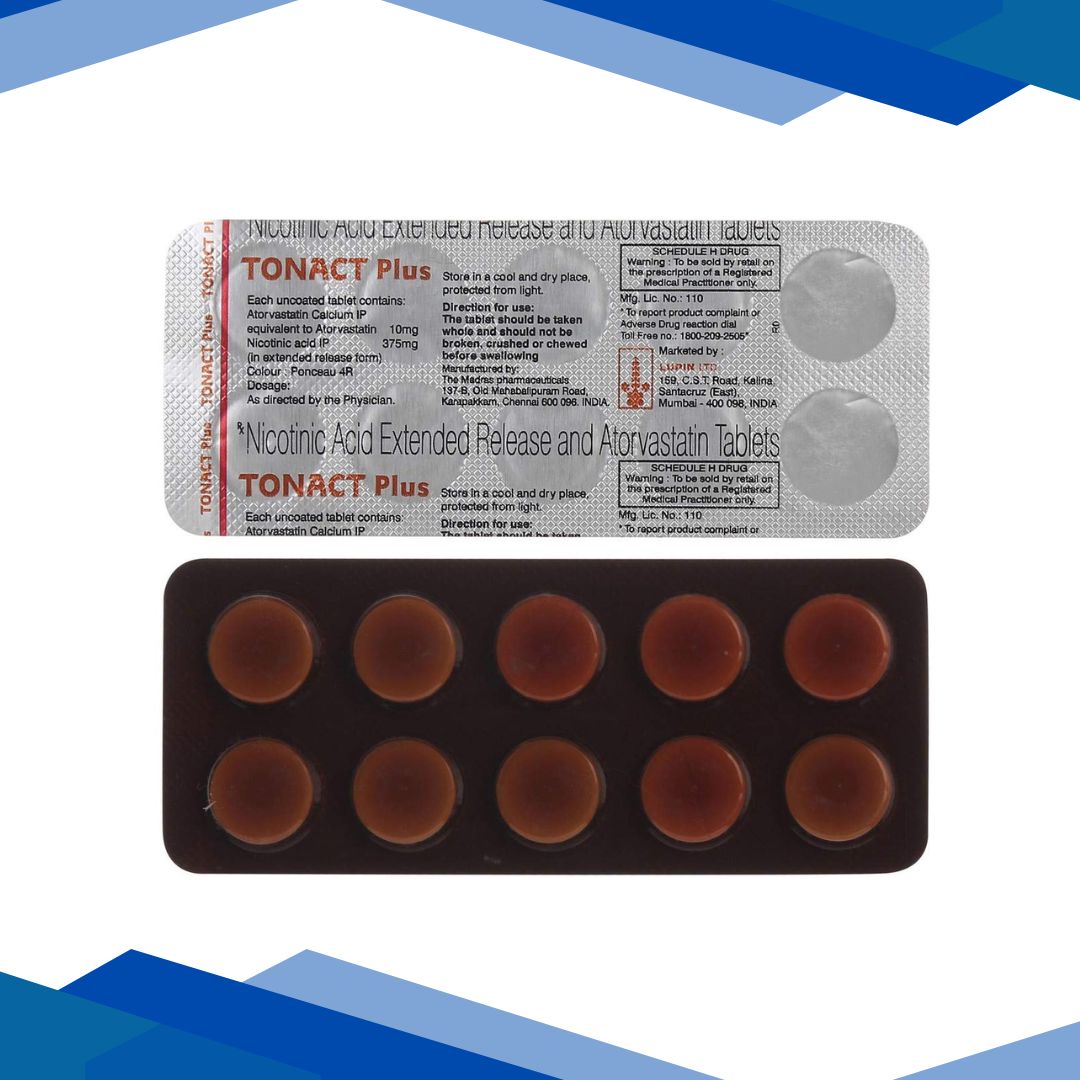
Tonact Plus Tablet 10’S
No Prescription yet? Don’t worry! Click Here to Get Online Consultation
Tonact Plus Tablet 10’s is a combination antilipemic medicine used to manage elevated cholesterol and triglyceride levels by lowering “bad” LDL cholesterol and increasing “good” HDL cholesterol, helping reduce the risk of cardiovascular disease and related complications. For more details kindly click on Medicine Salts below:
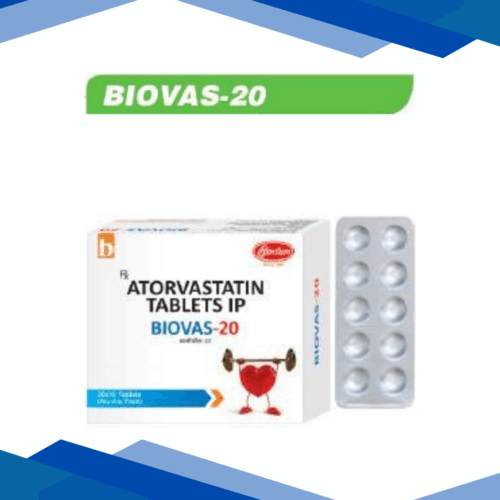
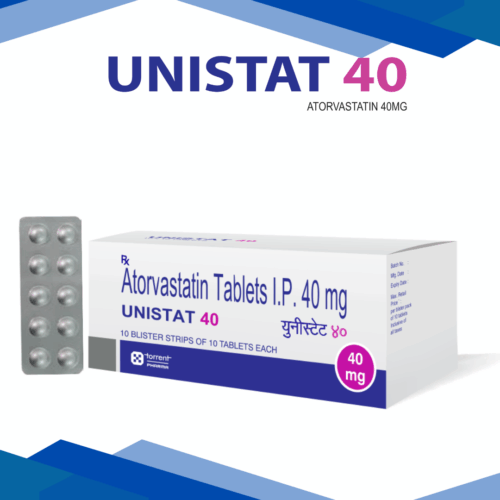
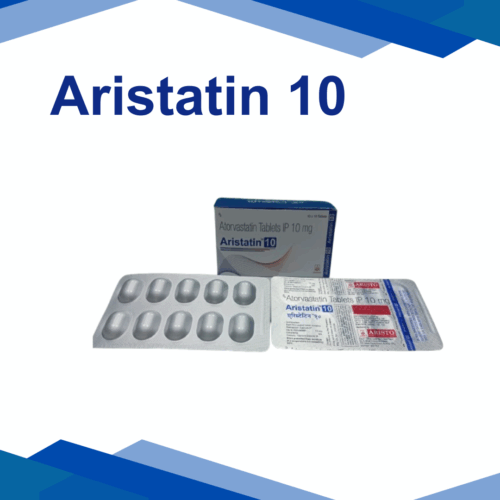
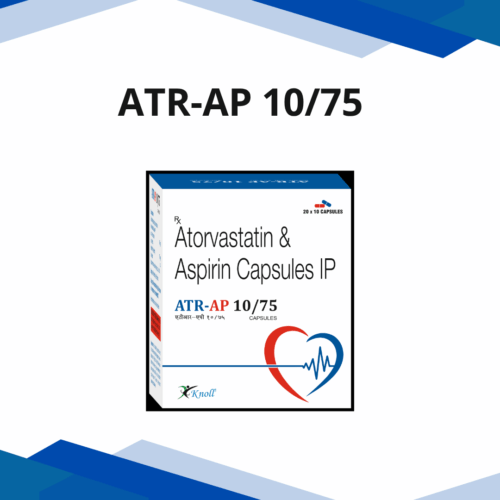
Atorvastatin
Atorvastatin Tablets (IP/USP)
Atorvastatin falls under the class of HMG-CoA reductase inhibitors (statins). It is used specifically to reduce concentration of "bad" cholesterol (LDL), triglycerides as well as raise "good" cholesterol (HDL) in the blood. Atorvastatin lessens the manufacturing of cholesterol by the liver, preventing the clogging of arteries in the form of fatty buildups (atherosclerosis) substantially limiting the chances of heart attack, stroke, or cardiovascular stress.
Significant Therapeutic Benefits
Lipid Management: Effective in reducing high levels of low-density lipoproteins (LDL) and triglycerides.
Cardiovascular Protection: Clinically endorsed to lower the risk of major coronary events in people with or without established heart disease.
Plaque Stabilization: By stabilizing the existing arterial plaques, it prevents them from breaking apart and blocking the arteries.
Chronic Safety: Long-term use is generally regarded as safe for managing hyperlipidemia whenever it is carried out under careful monitoring by a medical professional.
Pharmacodynamics
Atorvastatin works by (the selective inhibition of) the enzyme 3-hydroxy-3-methylglutaryl-CoA reductase that plays a central catalytic role in cholesterol synthesis in the liver. This inhibition leads to increased uptake of LDL cholesterol from blood by the liver, resulting in larger reductions of total cholesterol in blood.
Use Recommendations:
Dosage: Your doctor prescribes the dosage amount. It may generally be 10 mg, 20 mg, 40 mg, or 80 mg.
Timing: You can take it at any time, but regular doses generate a greater effect. For optimal cholesterol regulation, most doctors suggest taking it at bedtime.
Mode of Administration: Simply swallow the complete tablet with water. You can have it with or without food.
Most Common Side Effects
Generally, Atorvastatin is well tolerated. However, there can be cases of:
Nasopharyngitis (symptoms like a cold)
Musculoskeletal pain (mild muscle or body aches)
Loose stools or an upset stomach
Mildly higher blood sugar
Cephalodynia (headache)
If you have unexplained muscle pain, please stop taking this pill and seek immediate medical help. Do not ignore high fever or dark urine at all.
Safety Measures
Pregnancy & Lactating Mother: Unsafe. Atorvastatin is strictly contraindicated during pregnancy as it may cause harm to the fetus.
Liver Disorder: Tell the doctor if you had a liver disease. The dose of the drug could be adjusted or LFTs (Liver Function Tests) monitored.
Alcohol: Keep alcohol intake to a minimum—excessive consumption raises the risks of liver damage and muscle-related side effects.
Grapefruit Juice: Limit intake of grapefruit juice as high consumption can increase the concentration of Atorvastatin in your blood.
Frequently Asked Questions (FAQs)
Q: Is Atorvastatin a blood thinner?
No. Atorvastatin is a lipid-lowering medication (statin). Its primary function is to regulate cholesterol levels and it does not directly affect the blood clotting process like aspirin or anticoagulants.
Q: Once your cholesterol levels are normal, can you stop taking Atorvastatin?
No. It helps manage cholesterol, not cure it. Stopping the medication may cause cholesterol levels to rise again. Always consult your doctor before making any changes.
Q: Does Atorvastatin cause memory loss?
Rare but possible. Some patients report mild memory loss or confusion. These effects are usually reversible after dose adjustment or discontinuation under medical supervision.
Q: Can Atorvastatin cause diabetes?
Statins may slightly increase blood sugar levels. If you are at risk of Type 2 diabetes, your doctor will monitor your glucose levels regularly.
Q: What should I do if I miss a dose?
Take the missed dose as soon as you remember. If more than 12 hours have passed or it is close to your next dose, skip the missed dose. Do not double up.
Nicotinic Acid
Nicotinic Acid (B3 / Niacin Vitamin)
Nicotinic acid, also called niacin, is an essential Vitamin B3 from the B-complex group. It is used both as a dietary supplement and as a prescription-strength medication. At higher therapeutic doses, it plays a major role in managing lipid profiles by reducing LDL (bad cholesterol) and triglycerides, while increasing HDL (good cholesterol). It is also vital for energy metabolism, skin health, and proper nervous system function.
Main Uses
Manages Cholesterol: Helps lower elevated cholesterol levels alongside diet and exercise.
Cardiovascular Support: Improves lipid profile, reducing the risk of heart-related complications.
Pellagra Treatment: Primary therapy for Vitamin B3 deficiency (pellagra) affecting skin, digestive system, and nervous system.
Energy Production: Assists in converting proteins, fats, and carbohydrates into usable energy.
Usage Guidelines
Doctor-Prescribed Dosing: Usually started at a low dose and gradually increased to minimize side effects like flushing.
Take With Food: Always take with meals to reduce gastric irritation.
Bedtime Use: Extended-release forms are often taken at bedtime with a light snack to reduce side effects during waking hours.
Avoid Alcohol: Alcohol can worsen flushing and itching—avoid near dosing time.
Safety Precautions
Medical Supervision Required: High-dose Nicotinic Acid is a potent medication, not just a regular supplement.
Liver Monitoring: Regular liver function tests are necessary during long-term or high-dose use.
Diabetes Consideration: May increase blood glucose levels—monitor carefully if diabetic.
Gout Risk: Can raise uric acid levels; caution in patients with gout history.
Common Side Effects
Niacin Flush: Redness, itching, or tingling of the face and neck (most common).
Other effects may include:
- Mild dizziness
- Heartburn or nausea
- Sweating or chills
Tip: Taking aspirin (if approved by your doctor) about 30 minutes before dosing may reduce flushing.
Frequently Asked Questions (FAQs)
Q: Is Nicotinic Acid the same as Nicotine?
A: No. Despite similar names, Nicotinic Acid (Vitamin B3) is a nutrient, while nicotine is an addictive compound found in tobacco.
Q: What is a “Niacin Flush,” and is it dangerous?
A: It is a temporary warming, redness, or itching sensation caused by blood vessel dilation. It is usually harmless and decreases over time.
Q: Can Nicotinic Acid replace statins?
A: Not directly. It may be used alongside or as an alternative in certain cases, but always under medical supervision.
Q: Are there foods I should avoid?
A: Limit alcohol, high-fat meals, and spicy foods, as they may worsen flushing. Maintain a balanced diet and healthy lifestyle.
Q: How long before cholesterol improves?
A: Noticeable changes are typically seen after 4–6 weeks of consistent therapeutic dosing.
At Gem Pharmacy, we make every effort to provide accurate, expert-written, and thoroughly reviewed information related to medicines. However, this information should not be considered a substitute for professional medical advice, diagnosis, or treatment from a qualified doctor.
The purpose of this information is to educate users and improve communication between patients and healthcare professionals. It should not be used to diagnose or treat any condition.
Always consult a certified healthcare professional before taking any medication.


Related products