


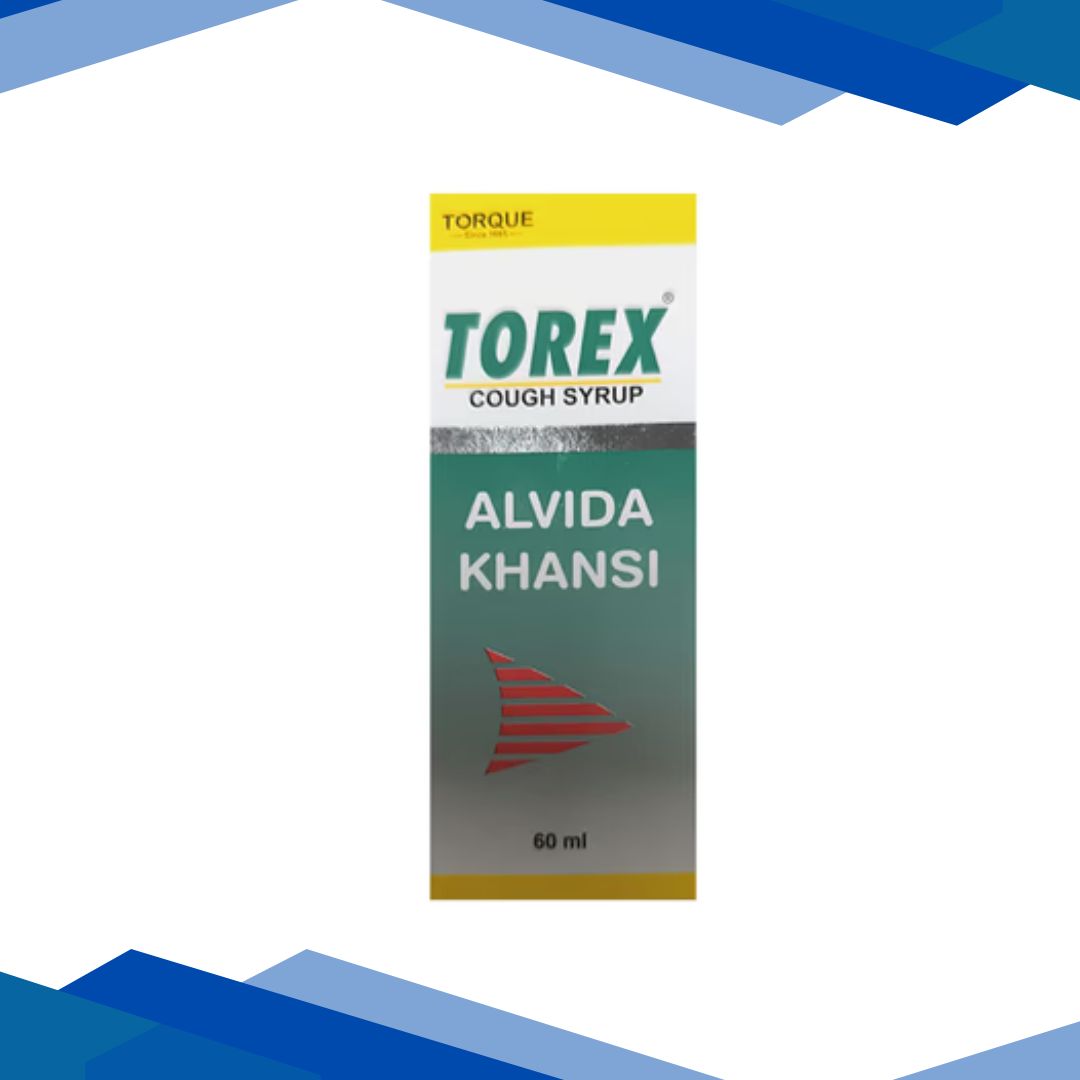
Torex Syrup 100ml
No Prescription yet? Don’t worry! Click Here to Get Online Consultation
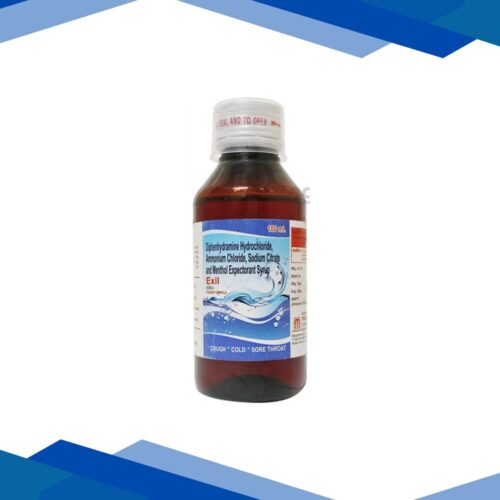
Torex Syrup 100 ml is a combination cough medicine used to relieve productive and dry cough as well as associated cold symptoms like nasal congestion, runny nose, sneezing, throat irritation, and mucus build-up by thinning and loosening mucus to make it easier to cough out while also reducing allergy-mediated symptoms. For more details kindly click on Medicine Salts below:
Ammonium Chloride
Ammonium Chloride: Effective Expectorant and a Systemic Acidifier
Ammonium chloride finds wide acceptance as a pharmaceutical compound in its role as expectorant in cough preparations and as a systemic acidifying agent. The increased fluid volume in the airways might help in thinning the thick mucous so that the patient can cough out phlegm and thereby clear the airways. In certain instances, the chemical finds its use in special medical care for the adjustment of some electrolyte imbalances, especially metabolic alkalosis, by increasing the blood concentration of chloride ions.
Core Therapeutic uses
Relief in Productive Coughs: Commonly used in formulation for cough syrups in combination to break down phlegm and relieve chest congestion.
Treatment for Metabolic Alkalosis: Given for the correction of the body’s pH balance, when it becomes very alkaline, quite often intravenously.
Electrolyte Alteration: May be used to manage chloride deficiencies in certain clinical cases.
Supports Diuresis: Used in the past to promote the excretion of medications and fluids, although recent alternatives are now more preferable to use.
How Ammonium Chloride Works
For cough treatment, Ammonium Chloride acts as an irritant to the gastric lining. The irritation triggers a reflex that increases the fluid content from the glands lining the respiratory tract. The increased fluid content allows this moisture to "dilute" the stickiness of mucus, changing an unproductive and dry cough into a productive one. When used for acidifying purposes, the ammonium ions in the plasma are metabolized to urea by the liver, forming free hydrogen and free chloride ions. These ions are then released into the bloodstream, making the blood alongside other body fluids acidic.
Professional Usage Tips
Keep Hydrated: While prescribing Ammonium Chloride, recommendations on hydration should be mentioned in regard to secreting the mucus. Hydration is highly critical as it helps the medication to thin out mucus accurately.
Accurate Dosing: When using the liquid formulation, you are required at all times to use the dosing cup or syringe that comes with the particular medication and refrain from using a household spoon to see how much medicine you are giving.
At Mealtime: Taking the medication right after eating can help mitigate some certain incidences of tummy upset or nausea.
Risk & Side Effects Synopsis
Most Ammonium Chloride treatments at regular cough-syrup dosing levels are well-tolerated. Higher systemic dosing, however, will need careful monitoring in some patients.
Side EffectPossible FrequencyRecommended Action
Nausea and VomitingCommonShould take medication with food or milk.
Abdominal CrampsOccasionalUsually goes away on its own once the body has adjusted to the medication.
Increased Respiration RateRareConsult with your physician immediately; pH change alert.
Skin Rash/UrticariaVery RareStop taking the medicine and immediately contact your treating physician.
Ammonium Chloride: Frequently asked questions (FAQs)
Q: Over a dry, tickly cough, might I use Ammonium Chloride?
A: Ammonium Chloride is specifically an expectorant for "wet" coughs with mucus. If one’s cough is dry, nonproductive, and incessant, cough suppressants (antitussives) might be more appropriate. Consult a pharmacist for the right recommendation.
Q: Is it safe for a person with kidney or liver issues?
A: In case of serious renal and hepatic impairment, patients must stay off it. It is necessary that urea be formed when ammonia becomes urine by the liver with the kidney taking out ammonium: thus the kidney and liver must be functioning beautifully to avoid ammonia toxicity.
Q: May children get Ammonium Chloride?
A: Though it is often included in formulations for pediatric cough syrups, the dosing is strictly based on age and weight. "Adult-strength" medications should never be given to children under 6 without medical supervision.
Q: Does it interact with other medications?
A: Yes, it may do so, specifically with certain diuretics (e.g. Spironolactone) or medicines sensitive to a urine pH (like Methotrexate or Salicylates). Always let your healthcare provider know about what you are presently taking.
Q: How long does this cough syrup of Ammonium Chloride work?
A: It is usually meant for short-term relief (3–7 days). For coughing persisting for more than a week, with fever, or along with rash, the best policy would be to visit a doctor for complete diagnosis.
Pre-Purchase Checklist
Allergic response: Check for the presence of inactive ingredients like flavors and dyes and, if you have allergies to any of these substances.
Condition of Disease: Make sure your cough is accompanied with mucus, because the drug only works when the cough is productive.
Visit: Keep the bottle tightly closed and store in a cool, dry place, excluding any kind of enclosed space. Sharply.
Diphenhydramine Hydrochloride
Diphenhydramine Hydrochloride: A Great Help for Allergies, Cold, and Insomnia
Diphenhydramine Hydrochloride is a first-generation antihistamine commonly used to relieve seasonal allergies and symptoms of the common cold. It is also sometimes used short-term for insomnia, motion sickness prevention, and situational sleep problems that require medical attention.
How The Drug Works
The primary action of Diphenhydramine is blocking histamine, a chemical released by the body during allergic reactions. The drug crosses the blood-brain barrier quickly and also has anticholinergic effects, which help reduce symptoms like itching, sneezing, and a runny nose.
By reducing histamine activity, the medication also dries excess secretions in body membranes, helping clear the upper respiratory tract and reduce irritation.
Primary Uses & Benefits
Allergy: Helps relieve sneezing, itchy or watery eyes, skin rash, mosquito bites, and hives.
Common Cold: Helps dry nasal passages and reduce postnasal drip.
Sleep Aid: Causes drowsiness, which can help manage temporary insomnia.
Motion Sickness: Helps reduce nausea, dizziness, and lightheadedness during travel.
Parkinsonism: Sometimes used as an adjunct therapy to reduce tremors and muscle stiffness in early stages.
Safety Overview: Use with Care
Category | Clinical Guidance
Alertness: High risk. This medicine can cause significant drowsiness, so avoid driving or operating heavy machinery.
Alcohol: Strictly avoid. Alcohol can intensify the sedative effects of Diphenhydramine and may lead to severe dizziness or breathing problems.
Elderly Patients: Use with caution. Older adults may experience confusion, dizziness, or next-day “hangover” effects.
Children: Consult a pediatrician first. Some children may experience paradoxical excitement instead of sleepiness.
Possible Side Effects
Although Diphenhydramine is effective, some side effects may occur due to its drying and sedative properties.
Dryness: Dry mouth, nose, or throat may occur. Staying well hydrated can help manage this.
Vision: Some people may experience blurred vision or sensitivity to bright light.
Digestive: Mild constipation or stomach upset may occur.
Other Effects: Headache, heart palpitations, or a groggy feeling the next morning when used as a sleep aid.
Patient Tip: If using Diphenhydramine for motion sickness, take it about 30 minutes before traveling. Chewing sugar-free gum may also help reduce nausea.
Frequently Asked Questions (FAQs)
1. Can I take Diphenhydramine every night to help me sleep?
It is generally intended for short-term use only, usually no more than 7–10 days. Over time, the body can develop tolerance to its sedative effects, making it less effective. Consult a healthcare professional if insomnia continues.
2. Why does it make my mouth so dry?
This occurs due to its anticholinergic effects, which reduce mucus and saliva production. Drinking water frequently or using lozenges may help relieve dryness.
3. Can I take this medicine with other cold medicines?
Be careful. Many multi-symptom cold medicines already contain antihistamines. Combining them may lead to accidental overdose. Always check the active ingredients before taking multiple medications.
4. How long do the effects last?
The medication usually starts working within about 2 hours and the effects typically last 4–6 hours. It may be taken multiple times daily for allergies or once at night for sleep support.
5. What should I do if I miss a dose?
If you miss a dose, take it as soon as you remember. If it is close to the next scheduled dose, skip the missed one. Do not double the dose, as this may lead to excessive drowsiness or other side effects.
Sodium Citrate
Sodium Citrate: Working as an Efficient Systemic Alkalizer and Kidney Care Sodium Citrate is a multifunctional medicinal salt: its principal role is systemic alkalizer and is clinically prescribed not only to combat the over productions of acid in the blood and urine but for the goodness of pH balance in the management of metabolic conditions and prevention of certain kinds of kidney stones.
Key Therapeutic Uses
Prevention of Kidney Stones: Specifically effective against uric acid and cystine stones due to urine becoming more alkaline.
Metabolic Acidosis: Helps to lessen excess acid levels in the body from certain kidney diseases.
Urinary Tract Comfort: Used frequently for alleviation of burning sensation and discomfort of mild UTIs by alkalizing the urine.
Management of Gout: It assists in long-term management of gouty arthritis in lowering uric acid levels.
Mechanism of Action
In G. I. tract, Sodium Citrate is metabolized into bicarbonate ions, which buffer the hydrogen ions, thereby slightly increasing the pH of the urine and blood. This shift in chemical conditions reduces the tendency of minerals to crystallize into stone, thereby lessening irritations to delicate urinary tissue.
Dosage and Direction
Continued application of large doses of syrup will inflict an otherwise uncomfortable burnt taste in the mouth. To remove this problem, water or juice must be taken alongside the preparation.
Right Use
The Dilution Rule: Always dilute the liquid (syrup) form with at least a full glass of water or juice. This increases palatability and minimizes stomach irritation.
Timing is Key: Taking after meals or at bedtime is favored for best effect. This helps with better absorption and prevents any acid rebound.
Hydration is Essential: Make sure to drink 2–3 liters of water daily whilst on this treatment to get the best results in preventing kidney stones.
A Brief Chill Means Better Taste: From talks with some users, chilling the solution makes it a bit more palatable by masking the salty/citric flavor.
Overview of Safety and Side Effects
Even though widely utilized, beginners should tread with caution in cases of sudden negative response.
SIDE EFFECTS
FREQUENCY
MANAGEMENT
Nausea/Stomach Upset
Common
Most patients find taking with a meal and thoroughly diluted perfect.
Loose stools/diarrhea
Occasional
Transient, usually easily resolved by adjusting medications if necessary and hydration
Fluid retention or swelling
Rare
Make sure to monitor your salt intake and consult your doctor when you notice any symptoms of swelling in the ankles.
Muscle twitching
Very Rare
Report immediately, for this can indicate a mineral imbalance.
Sodium Citrate: Frequently Asked Questions (FAQs)
Q: Can I have high blood pressure and take Sodium Citrate?
A: Given that the medicine has sodium, hence if you have increased blood pressure, your blood pressure could interact, or you could be on a low-salt diet, so it means you should just prefer consulting with your cardiologist on taking Sodium Citrate.
Q: Will it relieve UTI pain in an instant?
A: It begins to alkalize the urine within hours, which can significantly reduce the "stinging" sensation during urination. However, it does not kill the bacteria causing the infection; you may still need an antibiotic.
Q: Should I take Sodium Citrate when pregnant?
A: Sodium Citrate is generally considered safe when taken for short periods while pregnant. However, hormonal changes during pregnancy can affect how your kidneys process salts; consult your OB-GYN first.
Q: Can I take it with other antacids?
A: Do not take Sodium Citrate with antacids containing aluminum (because most of the common liquids are) as taken with Sodium Citrate these can enhance aluminum absorption several times. It is thus causing aluminum-related adverse events.
Q: What can happen if I forget a dosage?
A: Take it as soon as you remember. If it is almost time for your next dose, skip the missed one. Do not take a "double dose" to make up for it.
Pre-Treatment Checklist
Before taking Sodium Citrate, inform your health provider if you have the following:
Chronic kidney disease (CKD) and thus present decreased urine output.
High potassium levels (hyperkalemia).
Addison's disease (adrenal insufficiency).
A historical background of heart failure or pulmonary edema.
Terpin Hydrate
Terpin Hydrate Oral solution
Terpin Hydrate is a well-known expectorant. It works well in providing relief from heavy mucus and phlegm, which can occur in cases of bronchitis, chronic bronchitis, emphysema, and colds. On the whole, it promotes the increased production and decreased viscosity of the bronchial secretions that may aid in the coughing process, hence clearing the airways and relieving respiratory discomfort.
Therapeutic Uses
Relieving Productive Coughs: It provides relief in the elimination of highly viscous and recurrent mucus from the air passages.
Bronchial Congestions: It alleviates congestions in the chest in patients with acute or chronic bronchial inflammation.
Clearance of the Airway: It aids in the removal of germ infection from the airway.
Key Points
Action of Mucolytic: Acts on the bronchial secretory cells directly.
Historical Records of Effective Takings: Long-standing herbal medicine, has long been used for treatment of upper respiratory congestion.
Synergetic Prescriptions: It is regularly combined with other agents (such as Codeine and Dextromethorphan) into prescription-grade syrups to help with cough ...
Helpful Tips:
Dosage: For the adult sufferers, the standard dose is usually 85-170 mg to be taken 3-4 times a day. The dosage schedule designed by your doctor should not be exceeded in any case.
Administration: Terpin hydrate is consumed by mouth. It is often recommended to drink this medication with a lot of water so that the mucus is further thinned out.
With Food: There is no need to take this medication with or without food. People wishing to prevent any stomach upsets might find consumption after eating beneficial.
Side Effects & Warnings
While generally well tolerated by people taking it according to recommendations, some may experience the next:
Mild feelings of sickness and/or vomiting
Stomach ache or gastric irritation
Dizziness or lightheadedness (especially if the formulation contains alcohol)
Drowsiness
Note: In case you have a rash, itching, or severe face/tongue swelling, please discontinue the medication and seek immediate medical help, as these may be manifested as signs of an allergic reaction.
Warnings
Alcohol Content: Most Terpin Hydrate elixirs comprise at least a considerable portion of alcohol. Alcohol abuse patients and people having liver diseases, therefore, must avoid elixirs with Terpin Hydrate content.
Pregnancy & Lactation: Its safety during pregnancy has not been established. In all cases possible, do not take before seeking medical advice when in pregnancy or breastfeeding.
Drug Interactions: Please let your doctor know if you are already medicating with CNS depressants or sedatives. In such a case, the elixir with Terpin Hydrate content can enhance the effect of these other medications.
Pediatric Use: Not to be taken by children without a specific doctor's prescription.
Frequently Asked Questions (FAQs)
Q: Is Terpin Hydrate the medication for a cough suppressant?
No. A mucolytic substance is a Terpin Hydrate, which means it helps bring up mucus out of the lungs, while an antitussive (a suppressant) is intended to help stop the desire to cough. They are sometimes used together in combination syrups, but still for different effects.
Q: Can I drive while taking Terpin Hydrate?
Many formulations of Terpin Hydrate medicine contain alcohol, which may cause drowsiness or light-headedness. It is recommended that one does not drive or operate heavy machinery until fully determined the effect of the medicine.
Q: For how long do I take this medication?
Usually, it is for temporary relief of symptoms. If your cough continues for more than 7 days, or if it goes hand in hand with a high fever or a persistent headache, consult your doctor immediately.
Q: What happens if I miss one dose?
Take the missed dose immediately if you remember for it. If it is almost time for your next dose, then skip the missed one. Do not "double up" on doses to catch up.
Q: Is there any interaction of Terpin Hydrate with others taking other cold medicines?
Yes, that indeed holds true. Some over-the-counter medications contain more than one active ingredient. Before using Terpin Hydrate skin soothers together with other treatments like cold medleys, patients should always consult their pharmacists.
At Gem Pharmacy, we make every effort to provide accurate, expert-written, and thoroughly reviewed information related to medicines. However, this information should not be considered a substitute for professional medical advice, diagnosis, or treatment from a qualified doctor.
The purpose of this information is to educate users and improve communication between patients and healthcare professionals. It should not be used to diagnose or treat any condition.
Always consult a certified healthcare professional before taking any medication.


Related products

Benadryl Cough Formula Syrup 150ml