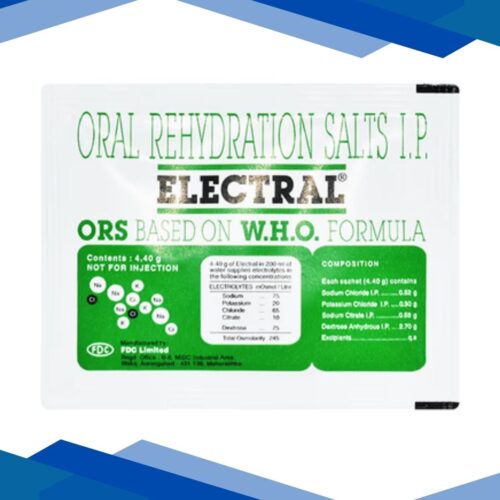
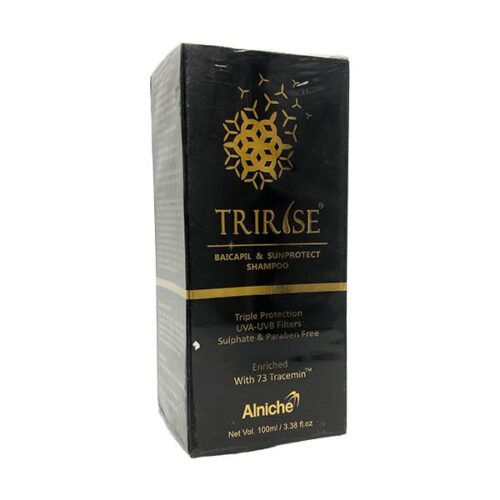
PotasiumChloride
POTASSIUM CHLORIDE
Overview
Potassium Chloride is a mineral supplement that helps the body maintain healthy potassium levels. Potassium is important for proper heart function, muscle movement, and nerve signals. When your potassium levels are too low, this medicine helps bring them back to normal.
Classification
Potassium Chloride is classified as an electrolyte replacement or mineral supplement. It helps restore the body’s natural salt balance, especially when potassium is lost due to certain medical conditions or medications.
Uses
Treats or prevents low potassium levels (also called hypokalemia)
Given when potassium is lost through vomiting, diarrhea, or diuretic (water pill) use
Helps support heart rhythm, muscle strength, and nerve functions
Sometimes used in patients on long-term medications like diuretics that lower potassium
How It Works
Potassium Chloride simply adds potassium back into your body. Your cells, nerves, and muscles — especially the heart — need a certain amount of potassium to work properly. This medicine keeps your potassium levels stable, so your body can function normally.
Dosage
As prescribed by your doctor.
Side effects
Some common or possible side effects include:
Nausea or upset stomach
Diarrhea
Gas or bloating
Mild stomach pain
More serious side effects (rare, but need medical attention):
Irregular heartbeat or chest pain
Muscle weakness or numbness
Severe stomach pain or vomiting
Tingling in hands, feet, or lips
Precautions
Take only as prescribed — too much potassium can be dangerous
Let your doctor know if you have kidney disease, heart problems, or dehydration
Should be taken with food or water to avoid stomach irritation
Swallow tablets whole (unless told otherwise) — do not crush or chew
Avoid using salt substitutes that contain potassium unless approved by your doctor
Inform your doctor if you are pregnant or breastfeeding
Disclaimer
This content is for informational purposes only. Always consult a healthcare provider for medical advice and proper dosage
Sodium Bicarbonate
SODIUM BICARBONATE
Overview:
Sodium bicarbonate is a medicine and household substance that helps neutralize excess acid in the stomach, making digestion more comfortable. It’s often used to relieve heartburn, indigestion, or upset stomach. It works by keeping stomach acid in check, helping you feel less full, calmer, and more comfortable.
Classification:
Uses:
Sodium Bicarbonate is mainly used to relieve heartburn, acid indigestion, and upset stomach by neutralizing excess stomach acid. It is also used in certain medical conditions to help balance the body’s pH levels and make the blood or urine less acidic.
How it works:
Sodium Bicarbonate works by directly neutralizing excess acid in the stomach or bloodstream. When it meets acid, it produces water and carbon dioxide, lowering acidity and easing heartburn or upset stomach. In the blood, it helps restore the normal pH balance, which is important in conditions where the body becomes too acidic.
Dosage:
As prescribed by your doctor.
Side Effects:
Mild stomach upset, bloating, or gas.
Nausea or vomiting
Rarely, overuse can cause high sodium levels, swelling, or changes in blood pH.
Long-term or excessive use may affect kidneys or heart in sensitive individuals.
Precautions:
Avoid it if you have heart, kidney, or high blood pressure issues.
Use only as directed; too much can cause swelling, high sodium, or blood problems.
Check with your doctor if you are pregnant, breastfeeding, or taking other medicines.
Disclaimer:This content is for informational purposes only. Always consult a healthcare provider for medical advice and proper dosage.
Sodium Chloride
SODIUM CHLORIDE
Overview
Sodium chloride is simply salt — the same kind found in food. In medicine, it’s used to replace lost fluids and salts in the body. It helps keep the balance of water and minerals in your body.
Classification
Sodium chloride is a type of electrolyte (a mineral that helps your body stay hydrated and your cells work properly). It’s often found in IV fluids, saline solutions, and oral rehydration products.
Uses
To treat dehydration (loss of water and salt)
To restore fluid balance in the body during illness, surgery, or after sweating too much
Used in IV drips, nasal sprays, eye drops, and wound cleaning solutions
Helps in making other medicines and in lab tests
How It Works
Sodium chloride works by replacing salt and water your body has lost. It helps your muscles, nerves, and organs work properly by keeping the right fluid balance in your blood and tissues.
Dosage
As prescribed by your doctor.
Side effects
Thirst – You may feel more thirsty than usual.
Dry Mouth – A feeling of dryness in the mouth or throat.
Stomach Upset – Mild stomach pain, gas, or bloating.
Nausea – Feeling like you might vomit.
Swelling (Edema) – Puffiness in the hands, feet, or ankles due to water retention.
High Blood Pressure – Extra sodium in the body can raise blood pressure.
Breathing Problems – If too much fluid builds up in the lungs.
Muscle Twitching or Weakness – Due to salt imbalance.
Confusion or Seizures – In extreme cases of very high sodium levels (hypernatremia).
Precautions
Kidney or Heart Issues: If you have kidney problems or heart conditions like heart failure, too much sodium can make things worse by causing water retention (extra fluid in the body).
High Blood Pressure: Salt (sodium) can raise your blood pressure. If you already have high BP, be cautious with how much sodium chloride you use.
Salt-Sensitive People: Some people’s bodies react more strongly to salt. They may need smaller amounts.
During Pregnancy or Breastfeeding: Usually safe, but always check with your doctor before using high amounts.
Other Health Conditions: If you have liver problems, swelling (edema), or are on a low-salt diet, take sodium chloride only as advised by your healthcare provider.
Disclaimer
This content is for informational purposes only. Always consult a healthcare provider for medical advice and proper dosage