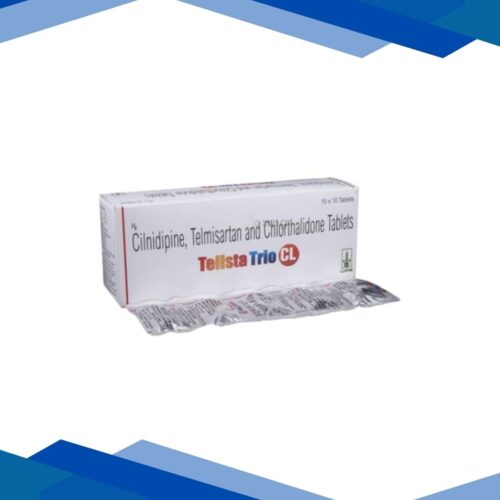
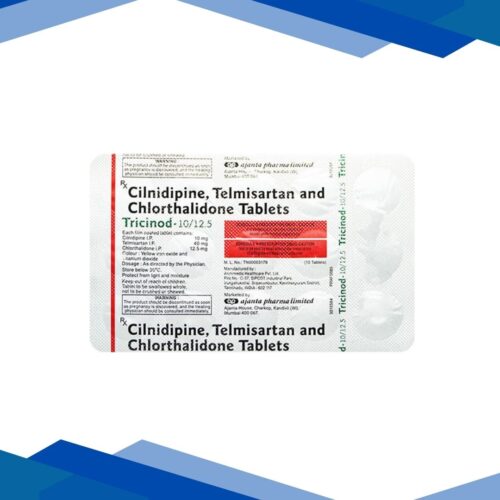
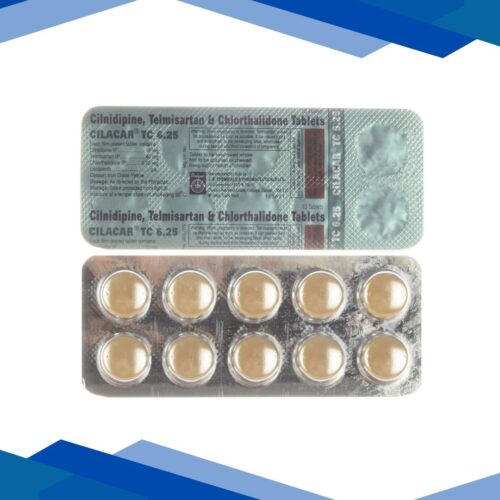
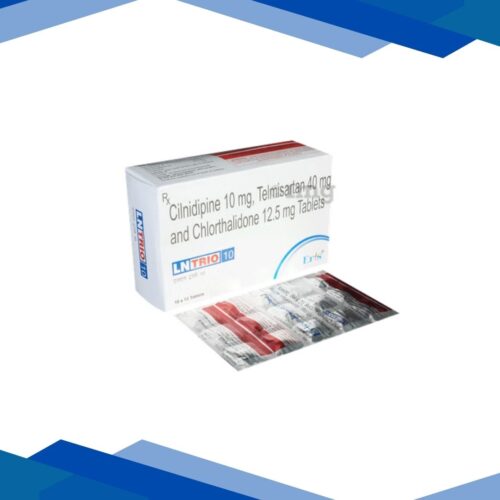
Chlorthalidone
CHLORTHALIDONE
Overview:
Chlorthalidone is a “water pill” that helps your body get rid of extra salt and water through urine. It’s mainly used to lower high blood pressure and reduce swelling from heart, kidney, or liver problems.By flushing out extra fluid, it reduces pressure on the heart and arteries.It comes as a tablet and should be taken under a doctor’s guidance to keep your blood pressure and electrolytes in check.
Classification: Sulfamoylbenzamide
Uses:
Lowers high blood pressure (hypertension) to protect the heart and blood vessels
Helps prevent fluid buildup that can make the heart work harder
Reduces swelling (edema) caused by heart, kidney, or liver problems
Can be used to help balance electrolytes with proper medical supervision.
How it works:
Chlorthalidone is a thiazide-like diuretic that acts on the distal convoluted tubules of the nephron. It inhibits the Na⁺/Cl⁻ symporter, reducing sodium and chloride reabsorption. By removing sodium, chloride, and water, it decreases the amount of fluid in the blood, lightens the heart’s workload, and reduces blood pressure.
Dosage: As prescribed by your doctor.
Side Effects:
Increased urination – may lead to dehydration if fluids aren’t replaced
Low potassium (hypokalemia) –can cause weakness, cramps, or irregular heartbeat
Low sodium (hyponatremia) – may cause fatigue, headache, or confusion
High uric acid (hyperuricemia) – can trigger gout in susceptible people
Low magnesium (hypomagnesemia) – may lead to muscle cramps or weakness
Precautions:
Chlorthalidone helps lower blood pressure and reduce swelling but should be used carefully. Avoid it if you’re allergic, and people with kidney or liver problems should be cautious. Monitor electrolytes, blood sugar, and uric acid, as it can cause dizziness or lightheadedness, especially when standing up. Pregnant or breastfeeding women should use it only under a doctor’s guidance.
Disclaimer:This content is for informational purposes only. Always consult a healthcare provider for medical advice and proper dosage.
Cilnidipine
CILNIDIPINE
Overview:
Cilnidipine is a medicine used to lower high blood pressure (hypertension). It belongs to the calcium channel blocker class and works by relaxing the blood vessels, making it easier for the heart to pump blood and reducing the workload on the heart. Cilnidipine is often preferred in patients who need gentle and long-lasting blood pressure control and may also help protect the kidneys in people with hypertension.
Classification: Calcium channel blocker (CCB)
Uses:
- Treats high blood pressure (hypertension)
- Helps reduce strain on the heart by relaxing blood vessels
- Can protect the kidneys in patients with high blood pressure, especially those with kidney problems
- May help in managing hypertension-related complications like heart or vascular issues
How it works:
Cilnidipine works by blocking L-type and N-type calcium channels in the blood vessels. Blocking L-type channels relaxes the smooth muscles of arteries, causing them to widen, which lowers blood pressure. By inhibiting N-type channels, the release of signals that narrow blood vessels is reduced, allowing the vessels to widen and reducing stress on the heart.
Dosage: As prescribed by your doctor.
Side Effects:
- Dizziness or lightheadedness
- Headache
- Flushing (redness of the face or skin)
- Swelling of ankles or feet (edema)
- Fatigue or tiredness
- Palpitations (irregular heartbeat, less common)
Precautions:
- Use with caution if you have low blood pressure, heart problems, or liver issues.
- Don’t take it with other blood pressure medicines unless your doctor approves.
- Monitor blood pressure regularly while taking the medicine.
- Pregnant or breastfeeding women should take it only under medical supervision.
- Take care when driving or using machines, as it may cause drowsiness or unsteadiness.
Disclaimer:This content is for informational purposes only. Always consult a healthcare provider for medical advice and proper dosage.
Telmisartan
TELMISARTAN
Overview:
Telmisartan is a medication used mainly to treat high blood pressure (hypertension) and to help protect the heart and kidneys, especially in people at risk of heart disease or with diabetes. It belongs to a group of drugs called angiotensin II receptor blockers (ARBs).
Classification:Angiotensin II receptor antagonist
Uses:Telmisartan is mainly used to treat high blood pressure (hypertension) and helps lower the risk of heart attacks, strokes, and kidney problems, especially in patients with type 2 diabetes or other risk factors. It is also used to manage heart failure and to protect kidney function in people with chronic kidney disease. By keeping blood pressure under control, telmisartan helps improve long-term heart and kidney health.
How it works:
Telmisartan works by blocking a substance in the body called angiotensin II, which normally causes blood vessels to tighten and narrow. By blocking this action, telmisartan allows the blood vessels to relax and widen, which helps to lower blood pressure and improve blood flow. This reduces the workload on the heart and helps prevent complications like heart attacks, strokes, and kidney damage.
Dosage:
As prescribed by your doctor.
Side effects:
Headache
Sinus pain and congestion
Dizziness
Back pain
Tiredness
Precautions:
Before taking telmisartan, it’s important to tell your doctor if you have kidney, liver, or heart problems, or if you are dehydrated. It should not be used during pregnancy, as it can harm the unborn baby. Avoid using salt substitutes or potassium supplements unless advised by your doctor, as telmisartan can increase potassium levels in the blood. Also, let your doctor know about any other medicines you are taking to avoid possible interactions.
Disclaimer:
This content is for informational purposes only. Always consult a healthcare provider for medical advice and proper dosage