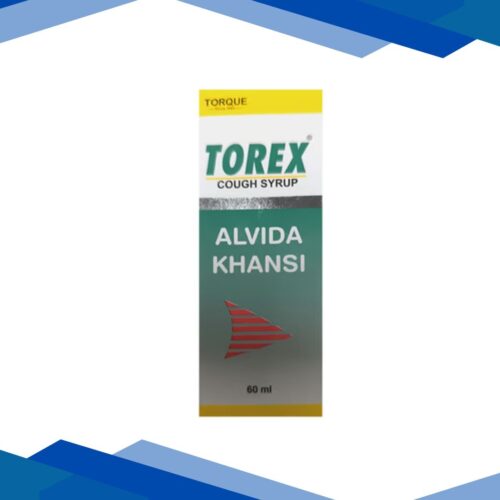
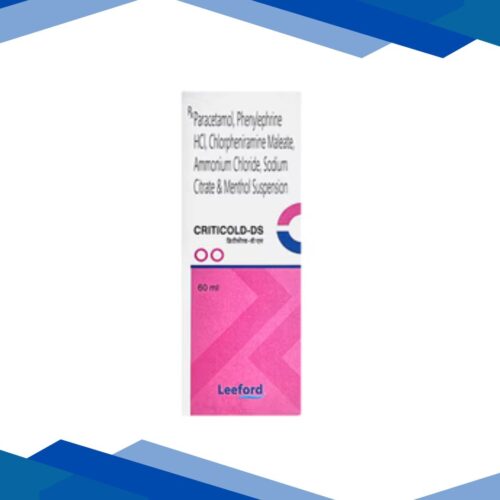
Ammonium Chloride
AMMONIUM CHLORIDE
Overview:
Ammonium chloride is a medication and chemical compound that helps loosen mucus in the lungs and maintain the body’s acid balance. It’s frequently utilized in cough syrups as an expectorant, that is, a substance that helps to loosen stubborn mucus so it can be coughed up.
Physicians may utilize ammonium chloride to address a condition known as metabolic alkalosis. Here, the medicine is helping the body return to its rightful acid equilibrium.
Though it’s typically safe in accordance with the directions, it ought to be consumed cautiously—in particular, in individuals with kidney/liver/heart issues.
Classification: Acidifier and expectorant
Uses:
To loosen and thin mucus in the lungs, helping to clear chest congestion
Help restore acid-base balance in the body when it becomes too alkaline (a condition called metabolic alkalosis)
How It Works:
Ammonium chloride works in two main ways:
As an expectorant, it irritates the mucous membranes to promote the removal of mucus from the airways, making it easier to cough out.
As an acidifying agent, it increases the level of acid in the blood and urine, helping correct imbalances in the body’s chemistry.
Dosage: As prescribed by your doctor.
Side effects:
Some people may experience:
Stomach upset or nausea
Vomiting
Fatigue or weakness
Irritability
If taken in large amounts or for long periods, it can affect blood pH or kidney function
Precautions:
Should be used with caution in people with kidney disease, liver problems, or high blood pressure
Not recommended during pregnancy or breastfeeding unless prescribed
People on low-sodium diets should use it carefully, as it may raise sodium levels
Always follow the prescribed dose, and avoid self-medicating
Disclaimer:
This content is for informational purposes only. Always consult a healthcare provider for medical advice and proper dosage
Diphenhydramine
Diphenhydramine 25mg/50mg Capsule/Tablet
Generic Name: Diphenhydramine Hydrochloride
Therapeutic Class: First-generation Antihistamine (H1-receptor antagonist)
Product Overview
Diphenhydramine is a versatile, fast-acting medication widely used to treat symptoms of allergy, hay fever, and the common cold. By blocking the action of histamine—a natural substance in the body that causes allergic reactions—it effectively relieves watery eyes, itchy nose/throat, and sneezing. Beyond allergy relief, its sedative properties make it a common short-term solution for occasional sleeplessness and the prevention of motion sickness.
Primary Uses & Benefits
Comprehensive Allergy Relief: Rapidly manages symptoms like skin rashes, hives, and allergic rhinitis.
Sleep Support: Acts as a mild sedative to help individuals with difficulty falling asleep (insomnia).
Motion Sickness: Prevents and treats nausea, vomiting, and dizziness associated with travel.
Common Cold Support: Dries up nasal secretions to provide relief from a “runny nose.”
Quick Expert Tips
Drowsiness Warning: This medication is known to cause significant sleepiness. Do not drive or operate heavy machinery until you know how it affects you.
The “30-Minute” Rule: For motion sickness, take the dose 30 to 60 minutes before starting your journey.
Hydration is Key: It can cause dry mouth. Keep water or sugarless lozenges handy.
Seniors Beware: Older adults may be more sensitive to side effects like confusion or dizziness, increasing risk of falls.
Safety Profile & Interactions
| Category |
Status |
Expert Guidance |
| Alcohol |
Unsafe |
Alcohol significantly increases the sedative effects; avoid concurrent use. |
| Pregnancy |
Consult Doctor |
Usually considered safe for short-term use, but always consult your OB/GYN first. |
| Kidney/Liver |
Caution |
Dose adjustment may be necessary for patients with impaired organ function. |
| Glaucoma |
Avoid |
May worsen narrow-angle glaucoma due to its anticholinergic properties. |
Common Side Effects
- Extreme sleepiness or dizziness
- Dryness of the mouth, nose, or throat
- Constipation or blurred vision
Note for Kids: In some children, Diphenhydramine can cause “paradoxical excitation”, leading to restlessness or hyperactivity instead of sleepiness.
Practical Queries
1. How Long does Diphenhydramine take to work?
15 to 30 minutes usually are sufficient for oral administration. Peak effect occurs in 2 hours, attaining relief within 4 to 6 hours.
2. Can I Take Diphenhydramine Every Night For Sleep?
No. It is intended for short-term use (about 7–10 nights). Prolonged use can reduce effectiveness. Persistent sleep issues should be discussed with a physician.
3. Is Benadryl the same as Diphenhydramine?
Yes. Benadryl is the most familiar brand name of Diphenhydramine. Always check the active ingredients on the packaging, as some local versions may contain other antihistamines like Cetirizine.
4. Why do I feel “hungover” the morning after taking it?
Sedative breakdown takes time; grogginess or brain fog may last until the next morning. Lowering the dose may help.
5. Can I use it for an itchy rash?
Yes. Effective for hives and pruritus. If the rash is accompanied by difficulty breathing or tongue swelling, seek emergency medical help immediately (possible anaphylaxis).
Sodium Citrate
SODIUM CITRATE
Overview
Sodium Citrate is a type of salt that helps make body fluids less acidic.It’s often used to relieve discomfort from too much acid in the stomach or urine. It comes in liquid, tablet, or powder form.
Classification
It belongs to a group of medicines called alkalinizers or urinary alkalinizers. These help reduce acidity in the body.
Uses
To treat acid indigestion or heartburn (burning feeling in the chest)
To make urine less acidic, which can help prevent kidney stones or irritation
Sometimes used before certain medical tests like urine tests or surgeries
In hospitals, it may also be used to manage metabolic acidosis (a condition where the body makes too much acid)
How It Works
Sodium Citrate works by turning into bicarbonate in the body. This helps neutralize or balance out excess acid in the stomach or urine. It makes the body’s environment more alkaline (less acidic), which can reduce pain or irritation caused by acid.
Dosage
As prescribed by your doctor.
Side effects
Mild side effects (usually from too much):
Swelling (especially in hands, feet)
High blood pressure
Feeling bloated or puffy
Serious but rare side effects:
Trouble breathing
Chest tightness
Fast heartbeat
Confusion or seizures (if sodium levels get too high or too low)
Precautions
Tell your doctor if you have heart disease, kidney problems, or high blood pressure
Don’t use too much — too much salt can be harmful
If on a low-sodium diet, check with your doctor first
Follow the dosage exactly if using nasal sprays or IV fluid
Disclaimer
This content is for informational purposes only. Always consult a healthcare provider for medical advice and proper dosage