












TUSPEL COUGH Syrup 100ml
No Prescription yet? Don’t worry! Click Here to Get Online Consultation
TUSPEL COUGH Syrup 100ml is a combination cough medicine used to relieve cough, ease throat irritation, thin and loosen mucus, and help clear phlegm associated with respiratory conditions such as cold, flu, or bronchitis by reducing congestion and soothing the throat for easier breathing. For more details kindly click on Medicine Salts below:
Ammonium Chloride
Ammonium Chloride: Effective Expectorant and a Systemic Acidifier
Ammonium chloride finds wide acceptance as a pharmaceutical compound in its role as expectorant in cough preparations and as a systemic acidifying agent. The increased fluid volume in the airways might help in thinning the thick mucous so that the patient can cough out phlegm and thereby clear the airways. In certain instances, the chemical finds its use in special medical care for the adjustment of some electrolyte imbalances, especially metabolic alkalosis, by increasing the blood concentration of chloride ions.
Core Therapeutic uses
Relief in Productive Coughs: Commonly used in formulation for cough syrups in combination to break down phlegm and relieve chest congestion.
Treatment for Metabolic Alkalosis: Given for the correction of the body’s pH balance, when it becomes very alkaline, quite often intravenously.
Electrolyte Alteration: May be used to manage chloride deficiencies in certain clinical cases.
Supports Diuresis: Used in the past to promote the excretion of medications and fluids, although recent alternatives are now more preferable to use.
How Ammonium Chloride Works
For cough treatment, Ammonium Chloride acts as an irritant to the gastric lining. The irritation triggers a reflex that increases the fluid content from the glands lining the respiratory tract. The increased fluid content allows this moisture to "dilute" the stickiness of mucus, changing an unproductive and dry cough into a productive one. When used for acidifying purposes, the ammonium ions in the plasma are metabolized to urea by the liver, forming free hydrogen and free chloride ions. These ions are then released into the bloodstream, making the blood alongside other body fluids acidic.
Professional Usage Tips
Keep Hydrated: While prescribing Ammonium Chloride, recommendations on hydration should be mentioned in regard to secreting the mucus. Hydration is highly critical as it helps the medication to thin out mucus accurately.
Accurate Dosing: When using the liquid formulation, you are required at all times to use the dosing cup or syringe that comes with the particular medication and refrain from using a household spoon to see how much medicine you are giving.
At Mealtime: Taking the medication right after eating can help mitigate some certain incidences of tummy upset or nausea.
Risk & Side Effects Synopsis
Most Ammonium Chloride treatments at regular cough-syrup dosing levels are well-tolerated. Higher systemic dosing, however, will need careful monitoring in some patients.
Side EffectPossible FrequencyRecommended Action
Nausea and VomitingCommonShould take medication with food or milk.
Abdominal CrampsOccasionalUsually goes away on its own once the body has adjusted to the medication.
Increased Respiration RateRareConsult with your physician immediately; pH change alert.
Skin Rash/UrticariaVery RareStop taking the medicine and immediately contact your treating physician.
Ammonium Chloride: Frequently asked questions (FAQs)
Q: Over a dry, tickly cough, might I use Ammonium Chloride?
A: Ammonium Chloride is specifically an expectorant for "wet" coughs with mucus. If one’s cough is dry, nonproductive, and incessant, cough suppressants (antitussives) might be more appropriate. Consult a pharmacist for the right recommendation.
Q: Is it safe for a person with kidney or liver issues?
A: In case of serious renal and hepatic impairment, patients must stay off it. It is necessary that urea be formed when ammonia becomes urine by the liver with the kidney taking out ammonium: thus the kidney and liver must be functioning beautifully to avoid ammonia toxicity.
Q: May children get Ammonium Chloride?
A: Though it is often included in formulations for pediatric cough syrups, the dosing is strictly based on age and weight. "Adult-strength" medications should never be given to children under 6 without medical supervision.
Q: Does it interact with other medications?
A: Yes, it may do so, specifically with certain diuretics (e.g. Spironolactone) or medicines sensitive to a urine pH (like Methotrexate or Salicylates). Always let your healthcare provider know about what you are presently taking.
Q: How long does this cough syrup of Ammonium Chloride work?
A: It is usually meant for short-term relief (3–7 days). For coughing persisting for more than a week, with fever, or along with rash, the best policy would be to visit a doctor for complete diagnosis.
Pre-Purchase Checklist
Allergic response: Check for the presence of inactive ingredients like flavors and dyes and, if you have allergies to any of these substances.
Condition of Disease: Make sure your cough is accompanied with mucus, because the drug only works when the cough is productive.
Visit: Keep the bottle tightly closed and store in a cool, dry place, excluding any kind of enclosed space. Sharply.
Diphenhydramine
Diphenhydramine 25mg/50mg Capsule/Tablet
Generic Name: Diphenhydramine Hydrochloride
Therapeutic Class: First-generation Antihistamine (H1-receptor antagonist)
Product Overview
Diphenhydramine is a versatile, fast-acting medication widely used to treat symptoms of allergy, hay fever, and the common cold. By blocking the action of histamine—a natural substance in the body that causes allergic reactions—it effectively relieves watery eyes, itchy nose/throat, and sneezing. Beyond allergy relief, its sedative properties make it a common short-term solution for occasional sleeplessness and the prevention of motion sickness.
Primary Uses & Benefits
Comprehensive Allergy Relief: Rapidly manages symptoms like skin rashes, hives, and allergic rhinitis.
Sleep Support: Acts as a mild sedative to help individuals with difficulty falling asleep (insomnia).
Motion Sickness: Prevents and treats nausea, vomiting, and dizziness associated with travel.
Common Cold Support: Dries up nasal secretions to provide relief from a “runny nose.”
Quick Expert Tips
Drowsiness Warning: This medication is known to cause significant sleepiness. Do not drive or operate heavy machinery until you know how it affects you.
The "30-Minute" Rule: For motion sickness, take the dose 30 to 60 minutes before starting your journey.
Hydration is Key: It can cause dry mouth. Keep water or sugarless lozenges handy.
Seniors Beware: Older adults may be more sensitive to side effects like confusion or dizziness, increasing risk of falls.
Safety Profile & Interactions
| Category | Status | Expert Guidance |
|---|---|---|
| Alcohol | Unsafe | Alcohol significantly increases the sedative effects; avoid concurrent use. |
| Pregnancy | Consult Doctor | Usually considered safe for short-term use, but always consult your OB/GYN first. |
| Kidney/Liver | Caution | Dose adjustment may be necessary for patients with impaired organ function. |
| Glaucoma | Avoid | May worsen narrow-angle glaucoma due to its anticholinergic properties. |
Common Side Effects
- Extreme sleepiness or dizziness
- Dryness of the mouth, nose, or throat
- Constipation or blurred vision
Note for Kids: In some children, Diphenhydramine can cause “paradoxical excitation”, leading to restlessness or hyperactivity instead of sleepiness.
Practical Queries
1. How Long does Diphenhydramine take to work?
15 to 30 minutes usually are sufficient for oral administration. Peak effect occurs in 2 hours, attaining relief within 4 to 6 hours.
2. Can I Take Diphenhydramine Every Night For Sleep?
No. It is intended for short-term use (about 7–10 nights). Prolonged use can reduce effectiveness. Persistent sleep issues should be discussed with a physician.
3. Is Benadryl the same as Diphenhydramine?
Yes. Benadryl is the most familiar brand name of Diphenhydramine. Always check the active ingredients on the packaging, as some local versions may contain other antihistamines like Cetirizine.
4. Why do I feel “hungover” the morning after taking it?
Sedative breakdown takes time; grogginess or brain fog may last until the next morning. Lowering the dose may help.
5. Can I use it for an itchy rash?
Yes. Effective for hives and pruritus. If the rash is accompanied by difficulty breathing or tongue swelling, seek emergency medical help immediately (possible anaphylaxis).
Sodium Citrate
Sodium Citrate: Working as an Efficient Systemic Alkalizer and Kidney Care Sodium Citrate is a multifunctional medicinal salt: its principal role is systemic alkalizer and is clinically prescribed not only to combat the over productions of acid in the blood and urine but for the goodness of pH balance in the management of metabolic conditions and prevention of certain kinds of kidney stones.
Key Therapeutic Uses
Prevention of Kidney Stones: Specifically effective against uric acid and cystine stones due to urine becoming more alkaline.
Metabolic Acidosis: Helps to lessen excess acid levels in the body from certain kidney diseases.
Urinary Tract Comfort: Used frequently for alleviation of burning sensation and discomfort of mild UTIs by alkalizing the urine.
Management of Gout: It assists in long-term management of gouty arthritis in lowering uric acid levels.
Mechanism of Action
In G. I. tract, Sodium Citrate is metabolized into bicarbonate ions, which buffer the hydrogen ions, thereby slightly increasing the pH of the urine and blood. This shift in chemical conditions reduces the tendency of minerals to crystallize into stone, thereby lessening irritations to delicate urinary tissue.
Dosage and Direction
Continued application of large doses of syrup will inflict an otherwise uncomfortable burnt taste in the mouth. To remove this problem, water or juice must be taken alongside the preparation.
Right Use
The Dilution Rule: Always dilute the liquid (syrup) form with at least a full glass of water or juice. This increases palatability and minimizes stomach irritation.
Timing is Key: Taking after meals or at bedtime is favored for best effect. This helps with better absorption and prevents any acid rebound.
Hydration is Essential: Make sure to drink 2–3 liters of water daily whilst on this treatment to get the best results in preventing kidney stones.
A Brief Chill Means Better Taste: From talks with some users, chilling the solution makes it a bit more palatable by masking the salty/citric flavor.
Overview of Safety and Side Effects
Even though widely utilized, beginners should tread with caution in cases of sudden negative response.
SIDE EFFECTS
FREQUENCY
MANAGEMENT
Nausea/Stomach Upset
Common
Most patients find taking with a meal and thoroughly diluted perfect.
Loose stools/diarrhea
Occasional
Transient, usually easily resolved by adjusting medications if necessary and hydration
Fluid retention or swelling
Rare
Make sure to monitor your salt intake and consult your doctor when you notice any symptoms of swelling in the ankles.
Muscle twitching
Very Rare
Report immediately, for this can indicate a mineral imbalance.
Sodium Citrate: Frequently Asked Questions (FAQs)
Q: Can I have high blood pressure and take Sodium Citrate?
A: Given that the medicine has sodium, hence if you have increased blood pressure, your blood pressure could interact, or you could be on a low-salt diet, so it means you should just prefer consulting with your cardiologist on taking Sodium Citrate.
Q: Will it relieve UTI pain in an instant?
A: It begins to alkalize the urine within hours, which can significantly reduce the "stinging" sensation during urination. However, it does not kill the bacteria causing the infection; you may still need an antibiotic.
Q: Should I take Sodium Citrate when pregnant?
A: Sodium Citrate is generally considered safe when taken for short periods while pregnant. However, hormonal changes during pregnancy can affect how your kidneys process salts; consult your OB-GYN first.
Q: Can I take it with other antacids?
A: Do not take Sodium Citrate with antacids containing aluminum (because most of the common liquids are) as taken with Sodium Citrate these can enhance aluminum absorption several times. It is thus causing aluminum-related adverse events.
Q: What can happen if I forget a dosage?
A: Take it as soon as you remember. If it is almost time for your next dose, skip the missed one. Do not take a "double dose" to make up for it.
Pre-Treatment Checklist
Before taking Sodium Citrate, inform your health provider if you have the following:
Chronic kidney disease (CKD) and thus present decreased urine output.
High potassium levels (hyperkalemia).
Addison's disease (adrenal insufficiency).
A historical background of heart failure or pulmonary edema.
At Gem Pharmacy, we make every effort to provide accurate, expert-written, and thoroughly reviewed information related to medicines. However, this information should not be considered a substitute for professional medical advice, diagnosis, or treatment from a qualified doctor.
The purpose of this information is to educate users and improve communication between patients and healthcare professionals. It should not be used to diagnose or treat any condition.
Always consult a certified healthcare professional before taking any medication.


Related products
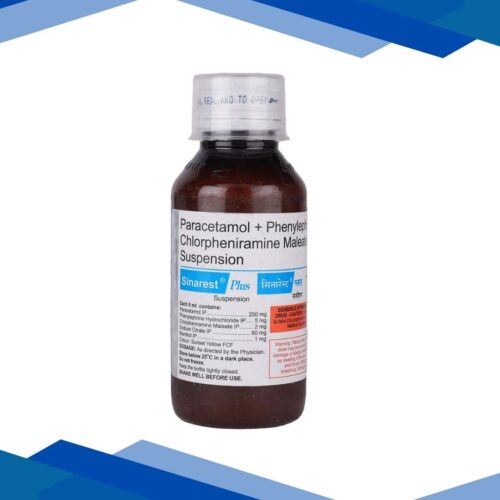
SINAREST PLUS Suspension 75ml

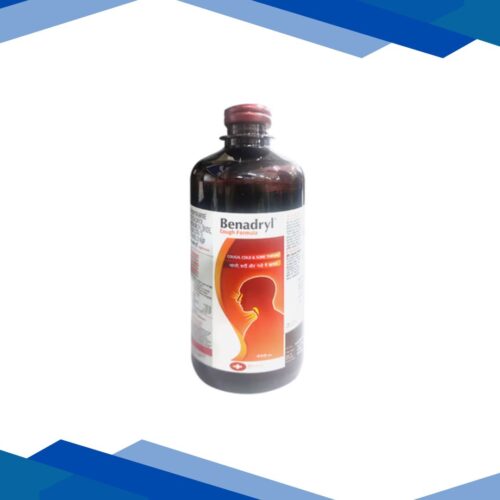
Benadryl Cough Formula Syrup 150ml