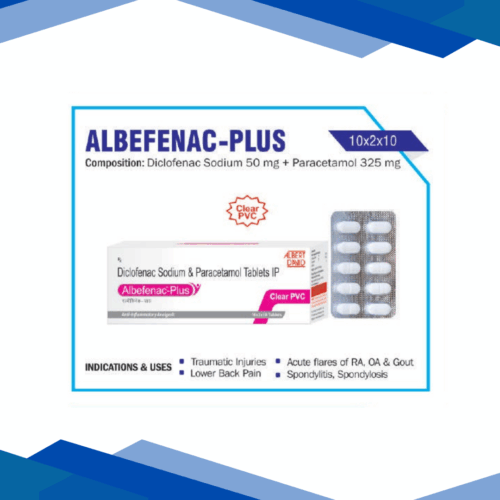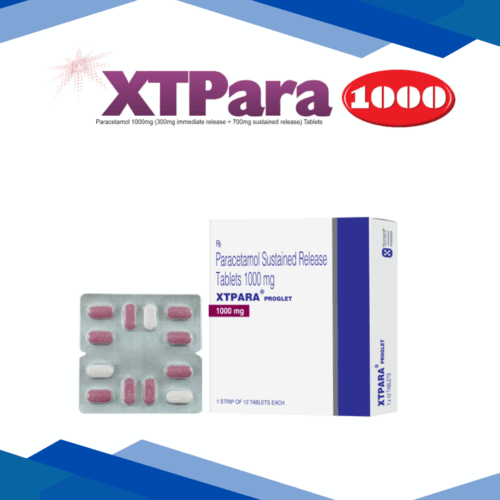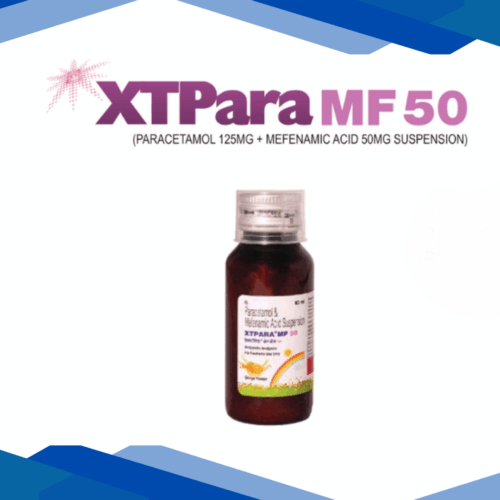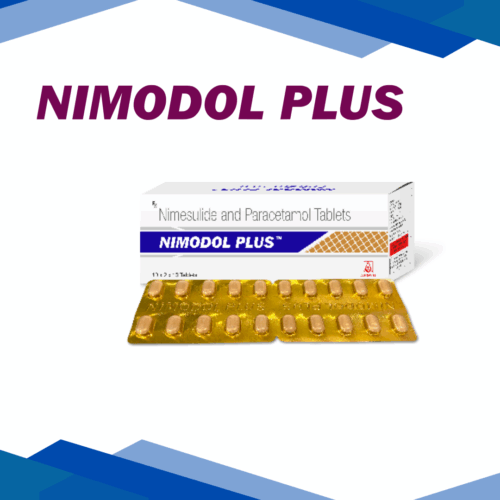
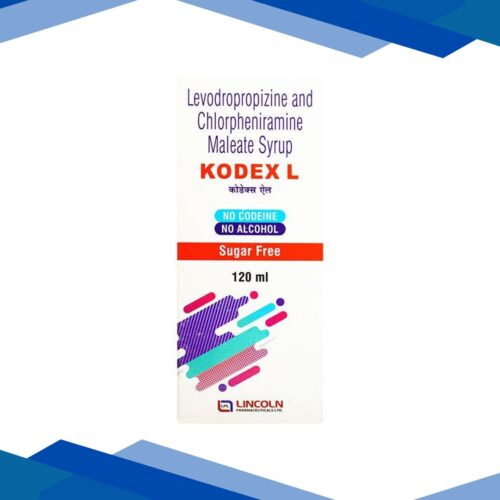
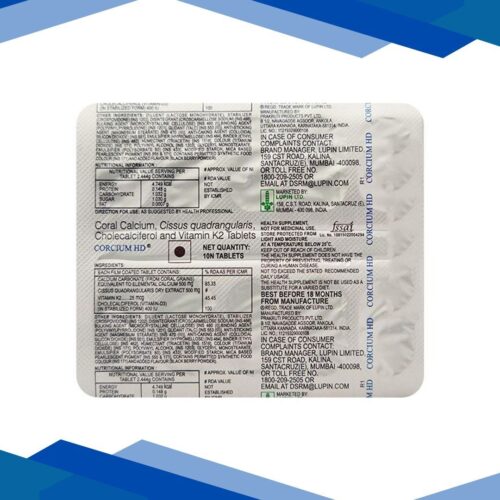


Ultraniche Tablet 10’S
❌ Due to high demand, this product is currently out of stock. New stock will be available shortly.
👉 Click here to Buy Same Salt medicine
No Prescription yet? Don’t worry! Click Here to Get Online Consultation
Acetaminophen is a widely used pain reliever and fever reducer used to treat mild to moderate pain and reduce fever. It works by blocking pain signals in the brain and lowering body temperature. It is commonly used for conditions such as headaches, body aches, and cold or flu symptoms. For more details kindly click on Medicine Salts below:
Paracetamol
Paracetamol 500mg Tablet
Paracetamol is probably the most prescribed and widely used medicine in the world. It is commonly administered to relieve mild-to-moderate pain and to reduce fever. It is well known for its dual action as an analgesic and antipyretic. It is considered a first-line treatment for common ailments such as headaches and fever, and is generally regarded as safe when used within recommended limits.
Key Therapeutic Uses
Fever: Helps in the rapid reduction of high body temperature during viral infections or common flu.
Headache & Migraine: Effective for dull, throbbing pain associated with tension-type headaches.
Muscle & Joint Pains: Relieves minor backache, period cramps, and toothache.
Post-Vaccination Recovery: Used to manage mild soreness or low-grade fever after vaccination.
Usage Guidelines
Standard Adult Dose: Typically 500mg to 1000mg every 4 to 6 hours as needed.
Maximum Limit: Do not exceed 4000mg (4 grams) in a 24-hour period, as this may cause serious liver damage.
Administration: Swallow the tablet whole with water; it can be taken with or without food.
Children: Dosage must be weight-based. Use pediatric formulations like syrups or drops as advised.
Safety & Precautions
Combination Medicines Warning: Many cold and flu products contain paracetamol (acetaminophen). Avoid double dosing.
Alcohol: Limit alcohol intake, as combining with paracetamol increases the risk of liver toxicity.
Liver & Kidney Health: Consult a doctor if you have liver or kidney disorders.
Allergic Reactions: Rarely may cause rash, swelling, dizziness, or breathing difficulty. Seek immediate medical attention if these occur.
Adverse Effects
Paracetamol is usually well tolerated, but rarely may cause:
- Mild nausea
- Skin rash or itching
- Very rare blood disorders (leukopenia, thrombocytopenia)
⚠️ Warning: Yellowing of eyes or extreme fatigue may indicate serious liver issues—seek urgent care.
Frequently Asked Questions (FAQs)
Q: How long does Paracetamol take to work?
A: Relief usually begins within 30 minutes to 1 hour. Fever reduction may take slightly longer.
Q: Can I take paracetamol during pregnancy?
A: It is generally considered safe when used at the lowest effective dose, but always consult your OB-GYN before use.
Q: Is paracetamol better than ibuprofen?
A: It depends on the condition. Paracetamol is ideal for pain and fever, while ibuprofen may be better for inflammation.
Q: Can I take Paracetamol on an empty stomach?
A: Yes, it is gentle on the stomach and can be taken without food.
Q: What happens if I miss a dose?
A: If taken as needed, take it when remembered, ensuring at least a 4-hour gap and not exceeding the daily maximum dose.
Tramadol
Tramadol is typically employed under the guidance of a medical professional. It is a centrally-acting synthetic opioid analgesic used in the management of moderate to moderately severe pain. It is prescribed when non-opioid drugs alone provide insufficient treatment. By acting directly on the central nervous system, tramadol changes the way in which the brain senses and responds to pain signals.
Key Therapeutic Uses
Form of opioid that is referred to as multimodal analgesia—the capability of a drug like tramadol to act on an opioid receptor and interfere with the production of substance, P. This allows enhanced pain relief: it has two actions that directly complement one another to intensify an analgesic effect. In addition to its multimodal analgesic abilities, it appears that this drug is able to activate additional pathways for effectiveness in pain: serotonin and norepinephrine acting outside of the opioid receptor.
Postsurgical Recovery
Has especially common application in acute pain after dental or orthopedic surgeries.
Chronic Conditions
Tramadol is available in a slow-release formulation for the chronic management of pain on a round-the-clock basis. I.e. 24/7.
Operation of Dosage
Regrets now visited her. The city, the familiar room, the house walkfortunately remained. There are few different doses available in banking, but the structure of tramadol tablets can be chewed up to either adapt to every patient as needed.
"How It Functions"
Against the backdrop of Norco and Percocet, tramadol benefits its users; it follows a different path. First and foremost, tramadol blocks pain signals in the brain. To aid in blocking pain, another action that tramadol provides is to inhibit norepinephrine and serotonin reuptake: the body's natural opioids that help lead to the calming of pain signals in the spinal cord, thereby entwining both the incendiary pain and concerning neural pain through relief.
Space and Behavioral Tips
Unquestionably, for good reason, the used-to-be-taken pill will come with a warning label. Stick fast to the directions on the label; never arbitrarily increase or decrease the dose. An increased dose, above what has been outlined, raises one's chances of an overdose and unwanted side effects.
Pill consumption is absolute; never go beyond dosage.
Pill Slipping: Swallow the extend-release pill in its entirety—this should keep you from experiencing a nasty dose dumped into your system straight from the pil-Meds due to crushing or chewing.
Using the History of Bad Consequences: If there is no alternative, before giving long-lasting low doses, speak to your doctor. Withdrawal systems, like anxiety, shivering, and severe lethargy, should be caused by stopping tramadol immediately after longer than a few weeks.
Questions about Tramadol
Q: How long does Tramadol take to start working?
A: It starts having an effect in approximately 30 to 60 minutes in the case of fast-release tablets. Extended-release versions often take longer for the effect to make a full knot.
Q: Is it okay to drive when I'm on this medication?
A: The medications may cause dizziness, double vision, or reduced concentration. As a precaution, do not operate any vehicle or heavy machinery until you know full well how the medicine influences you.
Q: Does Tramadol cause addiction?
A: Anything is possible with Tramadol, as it is an opioid. Clinicians emphasize there is always a risk of developing a habit as well as physical addiction, especially for those taking it for a long period. However, chances of addiction are less prevalent with short-term use. Take as your doctor schedules it.
Q: I feel nauseous. Now what?
A: Some nausea is very typical. Try taking it with a light meal or snack to alleviate stomach upset. However, if vomiting, one should increase fluid intake and discuss this with a physician.
Q: Could I mix any other drugs with Tramadol?
A: Yes. It is extremely important to not take any drugs that could raise serotonin levels—such as some antidepressants—with Tramadol to avoid serotonin syndrome, an extremely rare, but serious, condition. Make sure to go over all of your medicines with your doctor.
Safety and Side Effects Overview
Common Side Effects
Incident of Occurrence
What To Do To Aid
Dizziness/Fatigue
Frequent
Developing dizziness or fatigue requires care. Slowly get up from where you are seated and then rest or lie back for several minutes. In that period, refrain from engaging in any activity that requires a lot of effort.
Indigestion
Frequent
It may be beneficial for you to incorporate rough fiber in your diet. Ensure that water intake is high for proper body function. Indigestion: There could be too much production of gas with this condition and burning in the stomach with a sense of discomfort. For relief, try to get some water in your body.
Confusion
Infrequent
After modest exertion, take a sharp deep breath! It will clear up at once and your thoughts will make their debut a lot clearer after 5-10 seconds from that last inhalation.
At Gem Pharmacy, we make every effort to provide accurate, expert-written, and thoroughly reviewed information related to medicines. However, this information should not be considered a substitute for professional medical advice, diagnosis, or treatment from a qualified doctor.
The purpose of this information is to educate users and improve communication between patients and healthcare professionals. It should not be used to diagnose or treat any condition.
Always consult a certified healthcare professional before taking any medication.


Related products