Finasteride
FINASTERIDE
Overview:
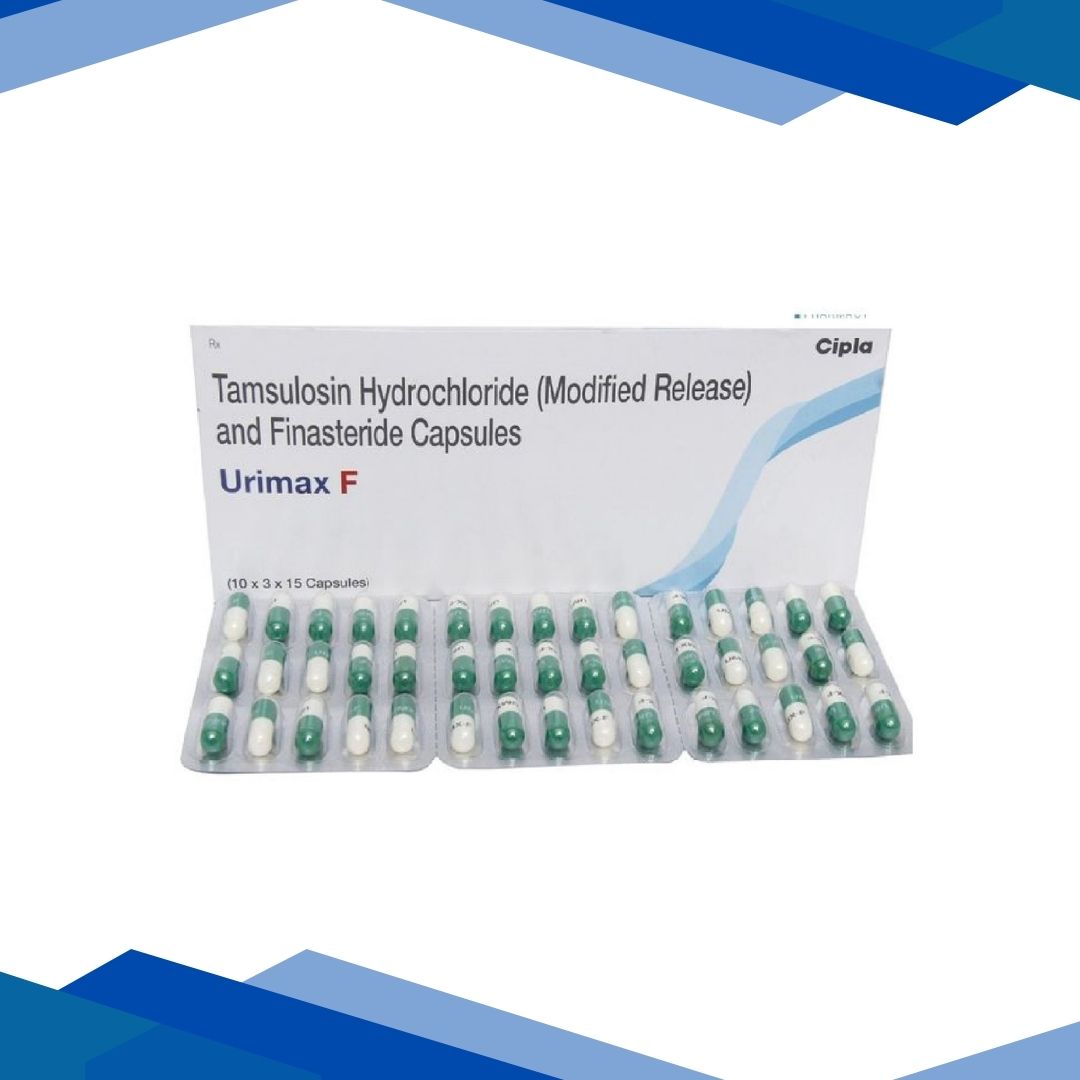
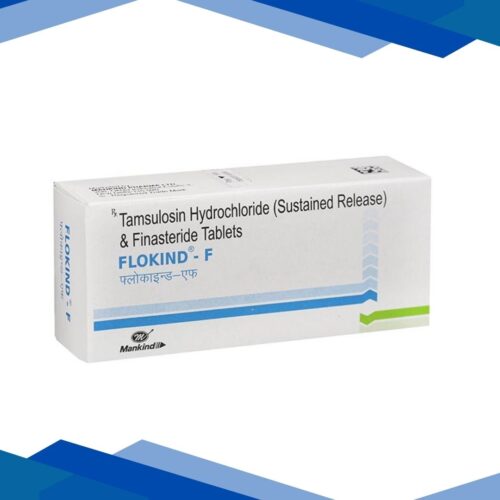
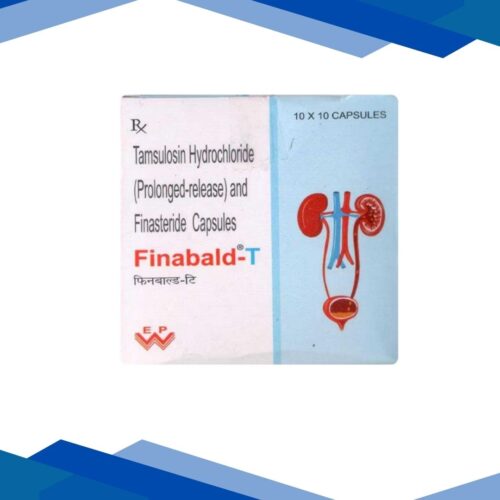
Finasteride is a medicine that helps with hair loss and an enlarged prostate. It works by lowering a hormone called DHT, which is responsible for shrinking hair follicles and making the prostate bigger. By reducing DHT, it can slow down hair loss, help hair grow back, and make urination easier if your prostate is enlarged. Since it changes hormone levels, it should be used only under medical supervision, particularly if you intend to father children.
Classification: 5-alpha-reductase inhibitor
Uses:
Finasteride is prescribed to men with menopause to reduce the loss of hair and also to stimulate some to grow. It also helps shrink a large prostate, which may make it easier to urinate and minimize symptoms such as frequent urination or weak urinary stream. Simply put, it assists both in hair and urinary issues that come about due to changes in hormones.
How it works:
Finasteride acts by reducing a hormone called DHT, which not only reduces the size of hair follicles, but also increases the size of the prostate. It can slow down the loss of hair, make some hair grow where it is absent, and make urination easier in men with an enlarged prostate by lowering the levels of DHT. Simply put it helps your body retain hair where you wish and relieves prostate-related issues.
Dosage: As prescribed by your doctor.
Side Effects:
- Trouble getting or keeping an erection
- Lower semen volume
- Mild mood changes – feeling anxious or irritable
- Rare allergic reactions – such as rash, itching, or swelling
- Reduced sex drive (libido)
Precautions:
Before taking Finasteride, report any liver problems or any other hormonal related problem to your physician. Pregnant or potential pregnant women are not supposed to deal with broken or crushed pills, as it can have an impact on a developing male fetus. Remember to always add in any other supplements or drugs you are taking. When you take Finasteride long-term, your doctor might want to check on your health after some time and remember to tell your doctor that you take Finasteride as test results can be altered due to the medication.
Disclaimer:This content is for informational purposes only. Always consult a healthcare provider for medical advice and proper dosage.
Tamsulosin
TAMSULOSIN
Overview
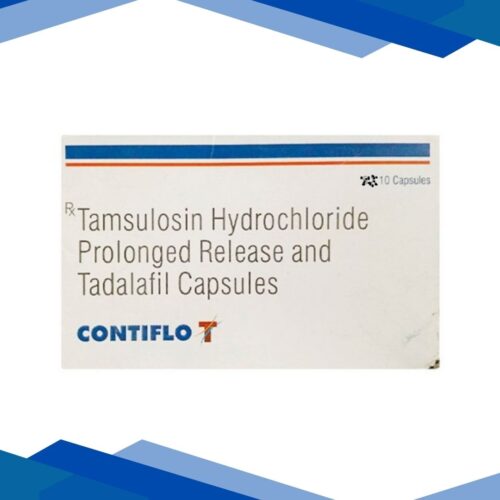
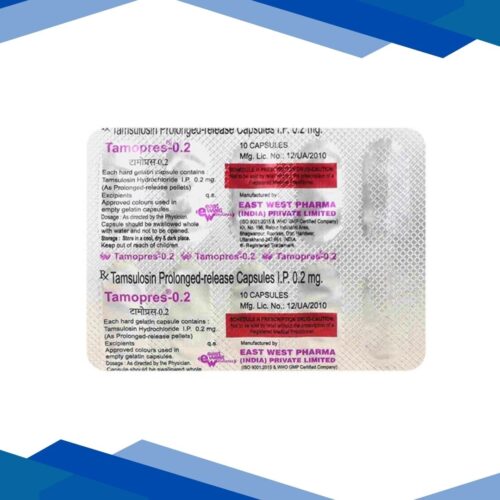
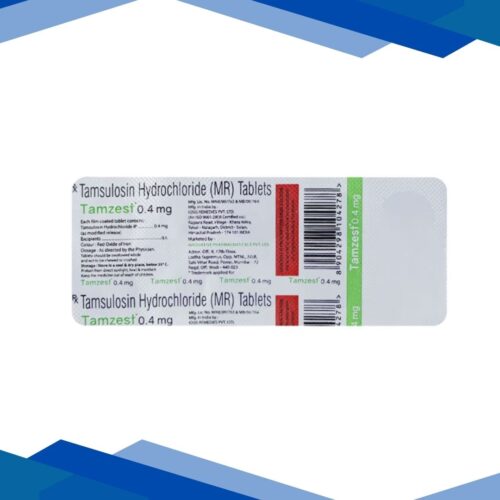
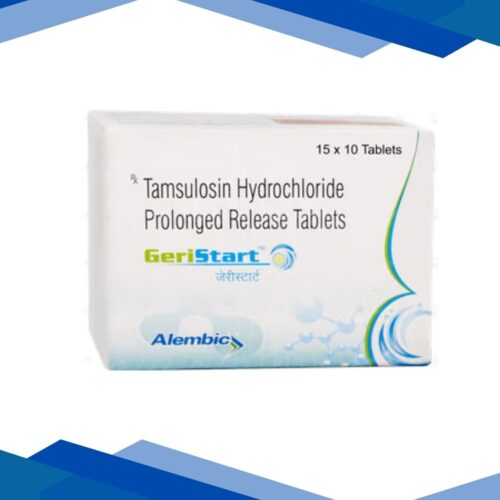
Tamsulosin is a prescription medicine mainly used in men to help with urination problems caused by an enlarged prostate (a condition called BPH – Benign Prostatic Hyperplasia). It helps make peeing easier and reduces the constant urge to urinate.
Classification
Tamsulosin belongs to a group of drugs called alpha-blockers. These medicines work by relaxing certain muscles in the body, especially in the prostate and bladder.
Uses
Used to treat BPH (Benign Prostatic Hyperplasia) – a non-cancerous enlargement of the prostate gland in men.
Helps ease symptoms like:
Trouble starting urination
Weak urine flow
Frequent trips to the bathroom, especially at night
How It Works
Tamsulosin works by relaxing the muscles around the prostate and bladder neck. This allows urine to flow more freely, reduces urgency, and makes peeing less uncomfortable or slow.
Dosage
As prescribed by your doctor.
Side effects
Common Side Effects:
Dizziness or light-headedness, especially when standing up
Runny nose
Weakness or tiredness
Headache
Back pain
Sleepiness
Fainting
Allergic reaction (rash, itching, swelling)
Problems with ejaculation
Precautions
Stand up slowly from sitting or lying down to avoid dizziness or falling.
Inform your doctor if you have a history of low blood pressure, liver or kidney problems, or eye surgery for cataracts (can cause a complication called IFIS).
Don’t mix with other blood pressure medications or erectile dysfunction drugs without medical advice—it may lower your blood pressure too much.
Not meant for women or children.
Avoid alcohol—it may increase dizziness.
Disclaimer
This content is for informational purposes only. Always consult a healthcare provider for medical advice and prop