


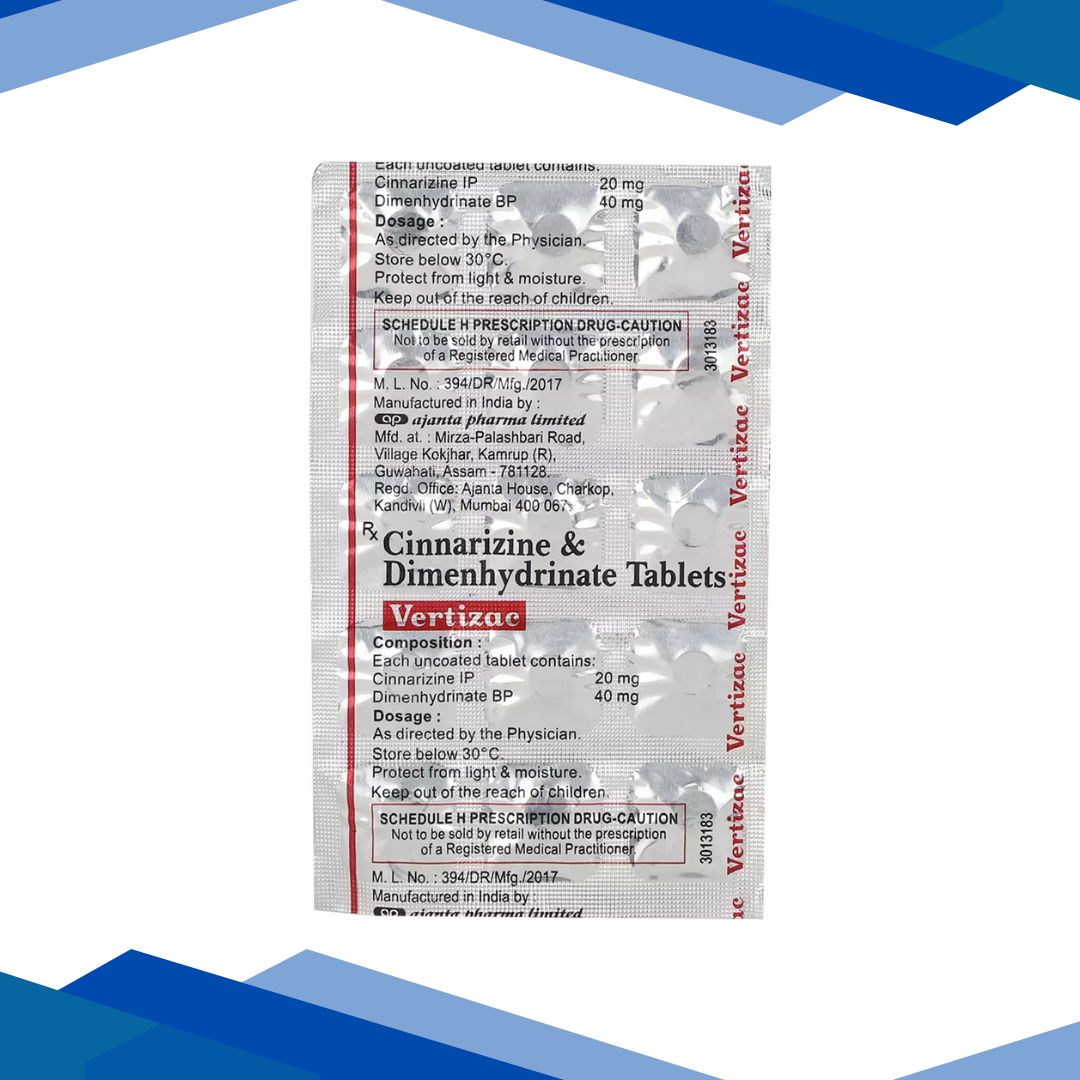
Vertizac Tablet 15’S
No Prescription yet? Don’t worry! Click Here to Get Online Consultation
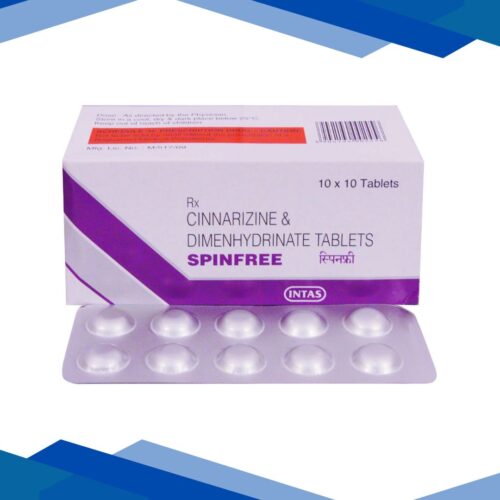
VERTIZAC TABLET is a combination of Cinnarizine and Dimenhydrinate which belongs to the group of medicines called Antihistamines & Calcium channel blockers respectively. It is used for the short-term, symptomatic management of vertigo associated with Benign Paroxysmal positional vertigo (BPPV) and migraine in adults, who have not responded to alternative managements.
Cinnarizine
Cinnarizine: An Effective Solution for Motion Sickness and Vertigo
This is a specialized antihistamine and calcium-channel blocker that is mostly used to control balance disorders and to alleviate inner ear symptoms. It is a well-known medication for the treatment of Vertigo (the sensation of spinning around) and is highly effective in the prevention of Motion Sickness when traveling. Other than balance or motion-sickness issues, cinnarizine is also administered as a peripheral vasodilator to increase blood supply to the extremities, as it is helpful to patients with Raynaud's disease or chronic cold extremities.
How It Works: The "Shield" for the Inner Ear
Calcium Channel Blocking: It blocks the excessive influx of calcium into the sensory cells of the inner ear, thus "dampening"—as it were—the incorrect signals sent to the brain that trigger a sense of imbalance.
Antihistaminic: It antagonizes the H1 receptors in the centers of the brain involved in vomiting, thereby ameliorating nausea and vomiting in travel and balance disorders.
Blood Circulation Enhancement: Despite being an antihistamine and a calcium-channel blocker itself, it interferes with the aggregation of red blood cells that tend to clog capillaries, thus promoting a smoother blood flow across constricted vessels.
Quick Facts
Category
Specifics
Class
Antihistamine / L-type Calcium Channel Blocker
Commonly Available As:
25 mg, 75 mg (Forte)
Treatment Area
Vertigo, Meniere's, Travel Sickness
Habit Forming
Not
System
H (Prescription Required)
Primary Insurance
Vertigo Control: Effective suppression of "nystagmus" is the chief goal while treating vertigo due to inner ear pathology.
Travel Sickness Prevention: A useful non-fast-acting remedy for those who plan on going by car, boat, or air.
Tinnitus Relief: Somewhat beneficial for people with tinnitus with or without any sharp pain.
Circulation Promotion: Symptoms noted in patients affected by intermittent claudication (pain in the leg upon walking, perceived by some others as small muscle mass) due to circulatory impairment are also benefited.
The Favorite Brands in India
They are commonly used and trusted with respect to this particular drug in the Indian pharmaceutical market. Well-known brands in the Indian market include—
Stugeron (Janssen / Johnson & Johnson)
Vertigon (Abbott)
Cinnzan (Sun Pharma)
Cinzan (Various Manufacturers)
VARTIZINE
Important Safety Information
Patients Note: the watchword in using Cinnarizine for motion sickness is apparently timing the dose; by the time you feel sick, taking it won't work. It should be taken at least two hours before travel, so as to be available when it reaches peak absorption.
Contraindications:
Drowsiness Warning: Cinnarizine usually promotes drowsiness. Do not operate heavy machinery or drive until you know its effect on you.
Alcohol Exacerbation: Excluding alcohol would minimize the danger of further sedation while taking Cinnarizine.
Parkinson's Disease: Kindly inform about your Parkinson's or any tremor diagnosed by a neurologist. Cinnarizine might make those symptoms worse with extrapyramidal effects (i.e., shaking or stiffness).
Prostate: Like many other antihistamines, it is advisable that one use great caution should magnify the size of the prostate, as all antihistamines can induce difficulties in passing urine.
Possible Side Effects
Daytime sleepiness or lethargy.
Dry mouth.
Weight gain (with long-term use).
Indigestion or stomach upset.
Frequently Asked Questions (FAQs)
1. Is Cinnarizine safe for children?
Cinnarizine, at a much lower dosage than that of adults, can be given to children 5 years or older. Consult a pediatrician to determine the proper dosage based on the child's weight.
2. How long can I take Cinnarizine for Vertigo?
For severe vertigo, the duration is usually a few weeks. It is generally NOT meant for long-term use (months) unless supervised by an ENT specialist, as it may lead to drug-induced parkinsonism in elderly patients.
3. High Blood Pressure: I have high BP. Can I use it?
Cinnarizine, as a calcium channel blocker, is not primarily meant for high blood pressure treatment. Therefore, its addition usually does not affect most antihypertensive medications. Always consult your doctor before initiating it.
4. What should I do if I miss a dose?
Take it as soon as you remember. However, if it is nearly time for your next scheduled dose, skip the missed one. Do not take two tablets at once to "catch up."
5. Can I use Cinnarizine during pregnancy?
During pregnancy or breastfeeding, Cinnarizine is generally avoided unless specifically recommended by a doctor. Safer alternatives are usually preferred for nausea during pregnancy.
DISCLAIMER:
This content is for informational purposes only and does not substitute professional medical advice. Cinnarizine is a prescription medicine. Always follow your doctor’s instructions.
Dimenhydrinate
Dimenhydrinate is an effective worldwide antihistamine and antiemetic meant to prevent and mitigate the symptoms of motion sickness, such as nausea, vomiting, and vertigo. It may work by stabilizing “balance” signals in the inner ear. So, Dimenhydrinate works to help keep your “internal compass surviving” all the time whether you are on road, sea, or air.
Uses of This Medicine
Motion Sickness: Prevents and alleviates nausea and vomiting during motion.
Vertigo: It can help in managing dizziness or spinning linked to problems in the inner ear.
Meniere's Disease: It may reduce symptoms of vestibular disturbances (off-label).
Pain Associated with Post-Operative: It is rarely indicated to reduce nausea postoperatively or post-radiation therapy.
Top Safety Tips
First Dose Timing: Take the first dose 30–60 minutes before starting the journey for peak protection against motion sickness.
Stay Hydrated: As this medication can cause dry mouth, keep water nearby or chew sugarless gum.
Diet Watch: Avoid very heavy or spicy meals before travel to reduce stomach upset.
Dose Limit: Maximum of 400 mg in 24 hours (i.e., 8 tablets of 50 mg) for adults.
Quick Safety References
Alcohol: Unsafe. Alcohol exacerbates drowsiness and dizziness.
Driving: Caution. This could affect vision or slow responses; avoid driving if affected.
Pregnancy: Consult Doctor. Generally avoided unless essential.
Breastfeeding: Consult Doctor. Some may pass into milk.
Children: Use only in or above the age of 2 years per pediatrician instructions.
Common Side Effects
Most side effects are very mild and tend to dissipate upon discontinuation:
Drowsiness: Most common; may help during long flights.
Dryness: Can affect mouth, nose, or throat.
Vision: Temporarily blurred vision or heavy eyelids.
Coordination: Might feel wobbly or unstable.
Frequently Asked Questions (FAQs)
1. Is Dimenhydrinate the same as Diphenhydramine (Benadryl)?
Practically. They are very close cousins. Dimenhydrinate is a compound of Diphenhydramine and a mild stimulant, 8-chlorotheophylline, added to counteract the extreme drowsiness of antihistamines.
2. Can my toddler have Dimenhydrinate for a long car ride?
Generally safe for children 2 years and older with the pediatric formulation (e.g., syrup or 12.5 mg dose). Under-two children should not take it.
3. Will I simply sleep through the whole trip if I take Dimenhydrinate?
Effects vary; some become very sleepy, others may experience paradoxical excitation (hyperactivity, agitation), especially in children. Test ahead of long trips.
4. Can I have it for morning sickness in pregnancy?
Only under healthcare provider guidance. Some clinicians prescribe it for severe nausea, but it should not be taken without consultation.
5. What about Glaucoma or Prostate?
Consult your doctor. Dimenhydrinate’s anticholinergic properties can increase eye pressure or affect urination, potentially worsening these conditions.
At Gem Pharmacy, we make every effort to provide accurate, expert-written, and thoroughly reviewed information related to medicines. However, this information should not be considered a substitute for professional medical advice, diagnosis, or treatment from a qualified doctor.
The purpose of this information is to educate users and improve communication between patients and healthcare professionals. It should not be used to diagnose or treat any condition.
Always consult a certified healthcare professional before taking any medication.


Related products