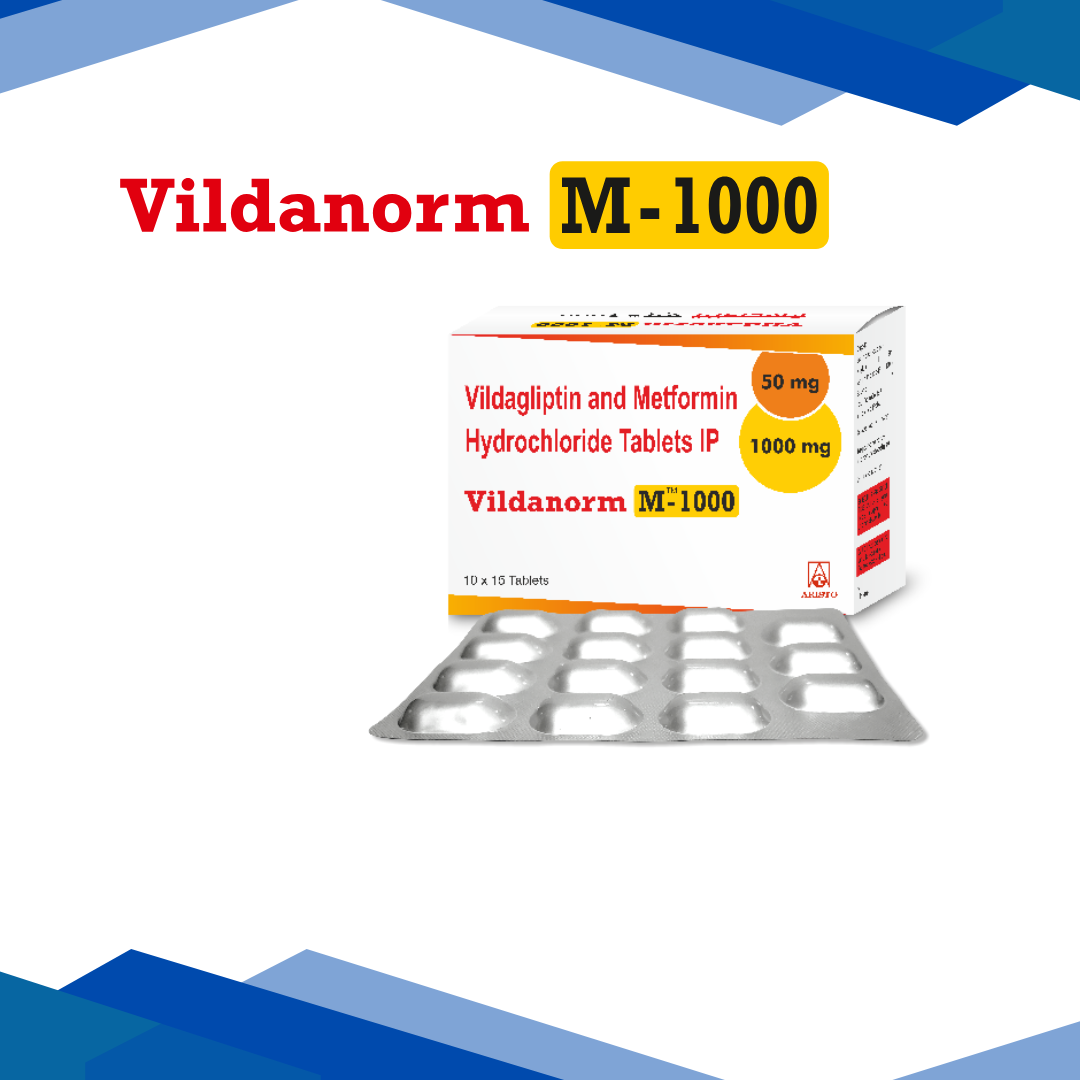
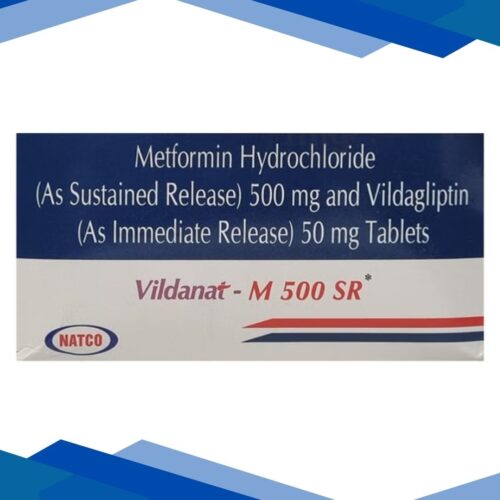
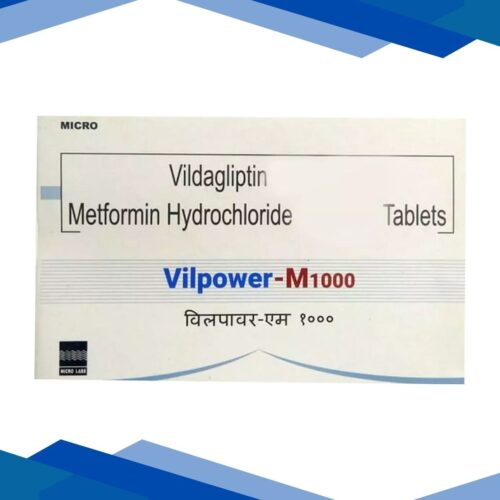
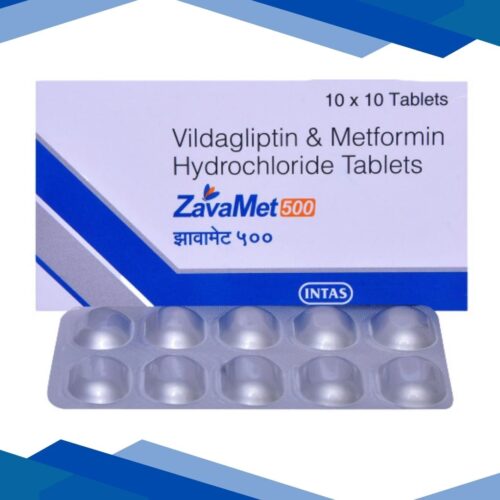
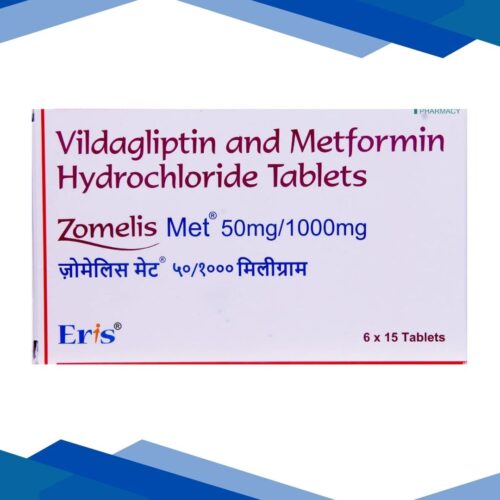
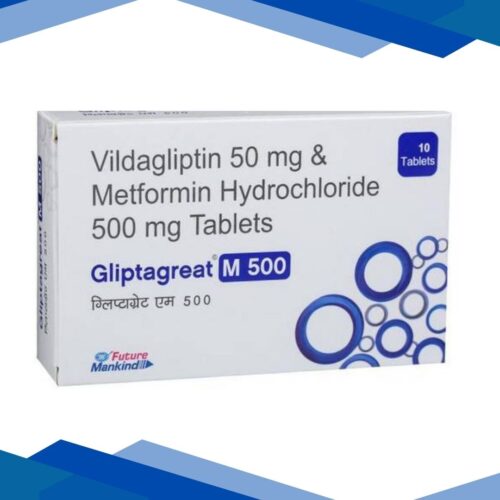
Metformin
METFORMIN
Overview:
Metformin is used in the treatment of type 2 diabetes mellitus and polycystic ovarian syndrome (PCOS).
Classification:
Anti-diabetic medication
Uses:
Managing blood sugar levels with medications like metformin can prevent complications such as kidney damage, nerve issues, blindness, amputations, and sexual dysfunction. Effective diabetes control can also lower the risk of heart attacks or strokes.
HOW IT WORKS:
It works by lowering glucose production in the liver, delaying the absorption of sugar (glucose) from the intestines, and increasing the body’s sensitivity to insulin.
Dosage:
As prescribed by your doctor.
Side effects:
unusual muscle pain
feeling cold
trouble breathing
feeling dizzy, light-headed, tired, or very weak
stomach pain, vomiting
slow or irregular heart rate
Common metformin side effects may include:
low blood sugar
nausea, upset stomach
diarrhea.
Precautions:
You should not use metformin if you are allergic to it, or if you have:
severe kidney disease; or
metabolic acidosis or diabetic ketoacidosis (call your doctor for treatment)
Tell your doctor if you have ever had:
kidney disease (your kidney function may need to be checked before you take this medicine);
high ketone levels in your blood or urine;
heart disease, congestive heart failure;
liver disease; or
if you also use insulin, or other oral diabetes medications
Disclaimer:
This content is for informational purposes only. Always consult a healthcare provider for medical advice and proper dosage
Vildagliptin
VILDAGLIPTIN
Overview:
Vildagliptin is a medication used to help manage blood sugar levels in people with type 2 diabetes. It’s usually taken along with diet, exercise, and sometimes other diabetes medicines. While it doesn’t cure diabetes, it helps keep your blood sugar in a healthier range, which lowers the risk of complications like nerve damage, kidney problems, and heart disease.
Classification:
Drug class: DPP-4 inhibitor (Dipeptidyl Peptidase-4 inhibitor)
Uses:
It is used to treat type 2 diabetes in adults
Often prescribed alone or with other medications like metformin, sulfonylureas, or insulin
Helps improve long-term blood sugar control when diet and exercise alone aren’t enough
How It Work:
Vildagliptin works by helping your pancreas release the right amount of insulin after you eat, and at the same time, it lowers the amount of sugar your liver makes. It does this by blocking an enzyme called DPP-4, which breaks down hormones that help control blood sugar. So basically, it helps your body respond better to meals and keeps your blood sugar levels more stable.
Dosage:
As prescribed by your doctor.
Side Effects:
Most people tolerate vildagliptin well, but some may experience:
Common side effects
Headache
Dizziness
Mild stomach discomfort or nausea
Cold-like symptoms (runny nose, sore throat)
Less Common side effects
Signs of liver problems (like yellowing of skin or eyes, dark urine)
Muscle pain or weakness
Allergic reactions (rash, itching, swelling)
If you’re taking vildagliptin with another diabetes medicine, especially insulin or sulfonylureas, it may increase your risk of low blood sugar (hypoglycemia). Watch for symptoms like shakiness, sweating, or feeling very hungry or irritable.
Precautions:
Liver function: Vildagliptin can sometimes affect the liver, so your doctor may check your liver enzymes regularly.
Kidney problems: Dose adjustments might be needed if you have kidney issues.
Pregnancy and breastfeeding: Not usually recommended unless clearly needed—talk to your doctor.
Alcohol: Be careful with alcohol, as it can affect blood sugar levels and liver function.
Tell your doctor about all medications and supplements you’re taking to avoid unwanted interactions
Disclaimer:
This content is for informational purposes only. Always consult a healthcare provider for medical advice and proper dosage