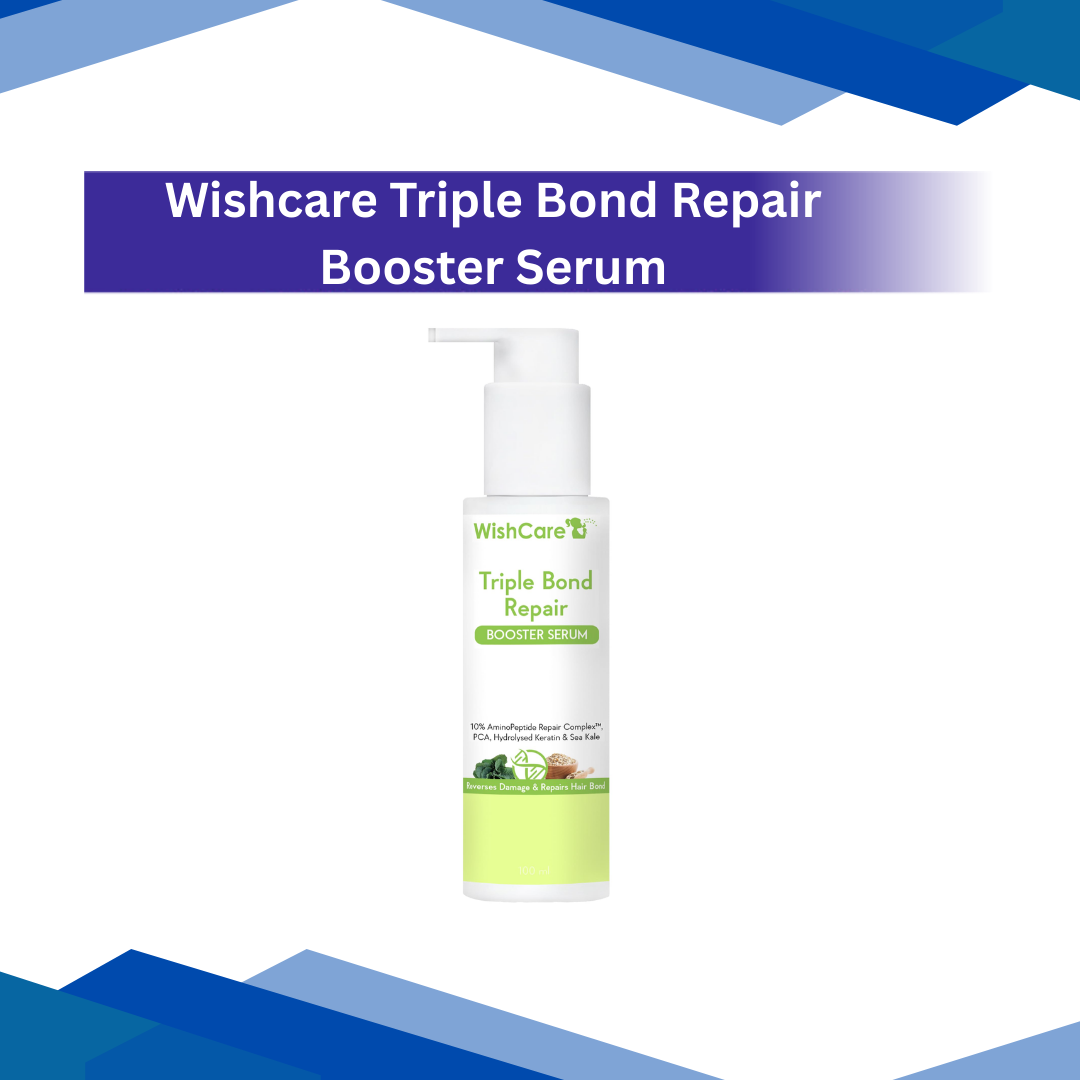
Wishcare Triple Bond Repair Booster Serum
WishCare Triple Bond Repair Booster Serum is designed with a 10% Aminopeptide Repair Complex to repair broken hair bonds, strengthen strands, and reduce frizz. It works on all three types of bonds and penetrates the cuticle, cortex, and medulla to restore softness, smoothness, and resilience. Suitable for all hair types, it nourishes chemically treated, heat-damaged, and brittle hair, leaving it silky and manageable. For more details kindly click on the Medicine Salts below:
D-Panthenol
D-Panthenol: The Essential Pro-Vitamin for Skin and Metabolic Health
D-Panthenol, the dextrorotatory biological precursor to Vitamin B5 (Pantothenic Acid), is a cornerstone in restorative dermatology and nutritional science. Often referred to as the “skin’s best friend,” this stable alcoholic analogue is rapidly converted into pantothenic acid upon absorption. This vitamin forms a key component of Coenzyme A—the essential driver behind cellular energy production and tissue repair.
Therapeutic Uses & Clinical Benefits
Advanced Skin Regeneration: Acts as a powerful humectant, drawing moisture into the deeper layers of the dermis to help relieve dryness and skin peeling.
Wound Healing & Epithelialization: Promotes faster growth of new skin cells, making it useful for minor burns, surgical scars, and skin abrasions.
Anti-Inflammatory Action: Helps reduce redness, irritation, and itching associated with conditions such as eczema, contact dermatitis, and diaper rash.
Hair Strength & Texture: When used in hair care formulations, it coats the hair shaft, increasing its diameter and creating a film-forming protective layer that reduces moisture loss and hair breakage.
Internal Metabolic Support: In oral or injectable forms, it may support gastrointestinal motility and contribute to healthy cellular energy metabolism.
Mechanism of Action
D-Panthenol works by stimulating fibroblast proliferation, the cells responsible for producing collagen and elastin in the skin. By maintaining optimal hydration within the stratum corneum, it strengthens the skin’s natural protective barrier, reducing Trans-Epidermal Water Loss (TEWL) and protecting the skin from environmental irritants.
Safety Advice & Usage Precautions
Patch Test Recommended: Although D-Panthenol is generally non-irritating, individuals with very sensitive skin should perform a patch test before applying it to larger skin areas.
Product Compatibility: D-Panthenol is chemically stable and can be safely combined with active skincare ingredients such as Hyaluronic Acid or Niacinamide to enhance hydration and skin repair benefits.
Pregnancy & Lactation: Topical use is considered safe during pregnancy and breastfeeding. However, for systemic use (oral or injectable forms), consultation with a healthcare professional is recommended.
Storage: Store the product in a cool, dry place with the container tightly sealed. Exposure to excessive heat may reduce the stability and effectiveness of the pro-vitamin.
Frequently Asked Questions (FAQs)
1. Is D-Panthenol the same as Pantothenic Acid?
D-Panthenol is the pro-vitamin form of Pantothenic Acid (Vitamin B5). While Pantothenic Acid itself is less stable in topical formulations, D-Panthenol penetrates the skin easily and is then converted into active Vitamin B5 inside the body.
2. Can D-Panthenol help with acne-prone skin?
Yes. Its anti-inflammatory properties help calm redness and irritation associated with acne breakouts. Additionally, it is non-comedogenic, meaning it hydrates the skin without clogging pores.
3. How long does it take to see results on the skin?
For hydration and soothing, results may be noticed quickly after application. For wound healing and improvement of the skin barrier, consistent use for about 7–14 days is typically required for visible improvements.
4. Is it safe to use on infants?
Yes. D-Panthenol is commonly used in pediatric skincare products, particularly for diaper rash and cradle cap, due to its gentle and well-tolerated nature. When used on infants, choose products free from added fragrances or irritants.
5. Can D-Panthenol be used on open wounds?
D-Panthenol is most suitable for minor wounds that are closed or in the healing stage. For deep, bleeding, or infected wounds, it is advisable to consult a healthcare professional before applying topical products.v
Hydrolyzed Hair Proteins
Lactic Acid
Lactic Acid (Alpha Hydroxy Acid-AHA)
Lactic Acid is a potent Alpha Hydroxy Acid (AHA) that naturally occurs in the body and is widely used in therapeutic skincare. Known as a “gold standard” exfoliant, it also offers hydrating benefits. With its ability to exfoliate and condition the skin, Lactic Acid helps treat hyperpigmentation, xerosis (dry skin), and keratosis pilaris. Its larger molecular size allows it to work more superficially, making it gentler than stronger acids.
Primary Therapeutic Actions
Gentle Exfoliation: Breaks the “glue” binding dead skin cells, promoting cell turnover and revealing brighter, smoother skin.
Natural Humectant: Enhances moisture retention, preventing dryness unlike harsher exfoliating acids.
Pigmentation Correction: Helps reduce dark spots, age spots, and sun damage by accelerating skin renewal.
Antimicrobial Properties: Supports the skin’s acid mantle, helping prevent acne-causing bacteria growth.
Some Known Formulations
Dermatological: Found in creams for eczema, psoriasis, and xerotic skin.
Cosmetic: Used in chemical peels and daily serums for a “glass skin” effect.
Hygiene: Common in vaginal washes to maintain a healthy pH balance (3.5–4.5).
How to Use & Tips
(A) Concentration Matters: Avoid high concentrations in DIY use. Prefer 5%–10% formulations over stronger 30% professional peels.
(B) Sun Sensitivity: AHAs increase sun sensitivity—always use SPF 30 or higher.
(C) Patch Test: Test on a small area (behind ear or inner forearm) before full application.
(D) Application: Apply to clean, dry skin at night, followed by a moisturizer.
Safety Points
Dermatologist Pro Tip: Avoid combining high-strength AHAs (like lactic acid, glycolic acid) with retinoids or high-dose Vitamin C simultaneously—alternate usage instead.
Avoid Broken Skin: Do not apply on open wounds, sunburn, or active rashes.
Tingling Sensation: Mild tingling is normal, but discontinue if it progresses to burning or redness.
Potential Side Effects
Though considered a gentler AHA, some may experience:
Mild redness or flushing
Peeling or flaking (usually temporary and mild)
Increased sensitivity to heat or wind
Popular Questions (FAQs)
Q: Can I use lactic acid every day?
A: Yes, at low concentrations (<10%), but start with 2–3 times per week and increase gradually based on skin tolerance.
Q: Does it help with dark spots?
A: Yes, by removing dead skin cells and promoting cell turnover, it helps even skin tone and fade pigmentation.
Q: Does Lactic Acid unclog pores?
A: It doesn’t directly unclog pores but helps resurface the skin, making pores appear less congested.
Q: Can it be used on feet in winter?
A: Yes, especially in formulations combined with glycolic acid, to treat dry, rough skin.
Q: How does it help with adult acne?
A: It supports skin renewal and reduces bacterial growth, though treatments like benzoyl peroxide may also be recommended.
Note: The skin cell turnover cycle is about 28 days. Visible improvement in texture may appear within 1 week, while significant results typically occur after 4–6 weeks of consistent use.
Oligopeptide-2
Sea Kale Extract
At Gem Pharmacy, we make every effort to provide accurate, expert-written, and thoroughly reviewed information related to medicines. However, this information should not be considered a substitute for professional medical advice, diagnosis, or treatment from a qualified doctor.
The purpose of this information is to educate users and improve communication between patients and healthcare professionals. It should not be used to diagnose or treat any condition.
Always consult a certified healthcare professional before taking any medication.


Related products