






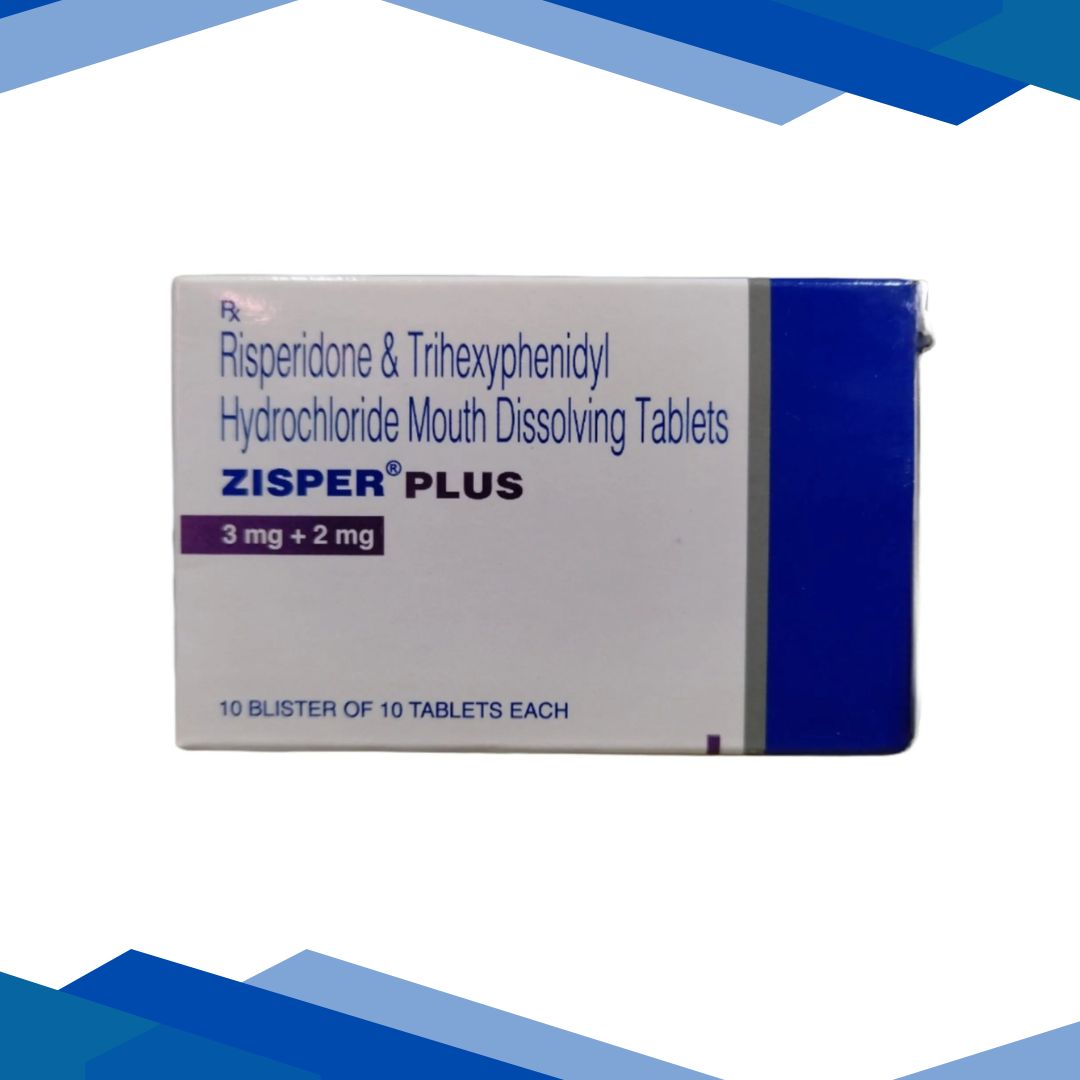
Zisper Plus Tablet 10’S
No Prescription yet? Don’t worry! Click Here to Get Online Consultation
Zisper Plus Tablet 10’s is a prescription antipsychotic combination medicine used to treat schizophrenia and manage movement‑related side effects (extrapyramidal symptoms) from antipsychotic therapy by balancing brain chemical messengers. For more details kindly click on Medicine Salts below:
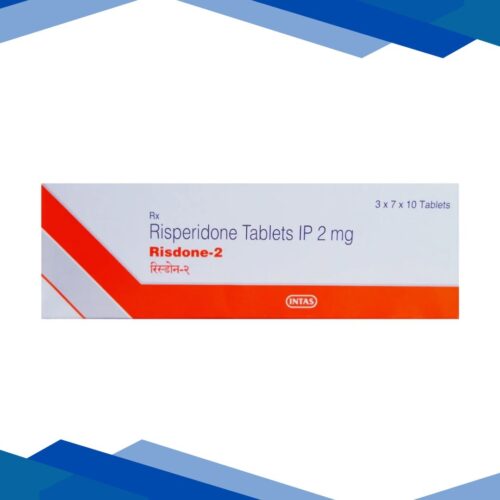
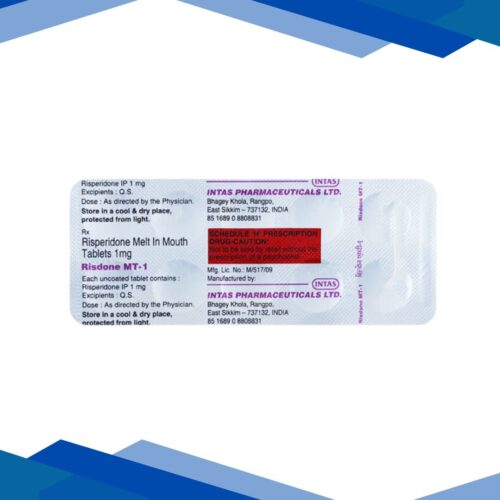
Risperidone
Risperidone: Use, Side Effects, and Opinions of the Physician
Risperidone is a powerful and effective antipsychotic. It is mostly used to manage conditions where thought process, emotional status, and behavior are affected. Classified as an “atypical antipsychotic,” this medication is mainly prescribed for schizophrenia and bipolar disorder.
Unlike older classical antipsychotics, Risperidone is often preferred due to a lower incidence of movement-related side effects and its ability to regulate brain chemicals more precisely.
Role of Risperidone
Primarily, it acts to slow down abnormal signals in the brain. It specifically targets two key neurotransmitters: dopamine and serotonin.
Risperidone works by blocking specific receptors, helping to reduce:
- Hallucinations
- Delusions
- Mood swings
This leads to improved focus, emotional balance, and clearer thinking.
In Typical Use
Schizophrenia: Helps manage long-term symptoms like hearing voices, suspicion, and disorganized thinking.
Bipolar Mania: Controls excessive excitability, racing thoughts, and reduced need for sleep.
Autism with Irritability/Aggression: Used in children (5–17 years) to manage aggression, irritability, and self-injurious behavior.
Common Side Effects to Watch For
Most individuals adapt within a few weeks. Common effects include:
General: Drowsiness, dizziness, and weight gain (increased appetite).
Neurological: Tremors, stiffness (Parkinsonism), or restlessness (Akathisia).
Hormonal: Increased prolactin levels, which may lead to breast enlargement or menstrual changes.
⚠️ VITAL: Seek immediate medical attention if you experience:
- High fever
- Muscle rigidity
- Irregular heartbeat
These may indicate Neuroleptic Malignant Syndrome (NMS), a serious but rare condition.
Expert Tips – A Winning Game
Be Patient: It may take 1–2 months to see full benefits. Do not stop early.
Monitor Weight: Maintain a balanced diet and regular exercise.
Stay Hydrated: Helps reduce dizziness, especially when standing up.
Avoid Alcohol: Can intensify sedation and worsen side effects.
Q&A
Q: Can I take Risperidone with food?
A: Yes. It can be taken with or without food. If nausea occurs, taking it with a light snack may help.
Q: Can it lead to addiction?
A: No. Risperidone is not addictive, but sudden discontinuation may cause rebound symptoms. Always taper gradually under medical supervision.
Q: Will it make me excessively sleepy during the day?
A: Drowsiness is common, especially in the initial days. Many doctors recommend taking it at night to improve sleep and daytime alertness.
Q: Can I drive while taking this medicine?
A: Use caution. Avoid driving or operating machinery until you understand how it affects you, as dizziness and blurred vision may occur.
Q: What should be done if I miss a dose?
A: Take it as soon as you remember. If your next dose is near, skip the missed dose. Never double the dose.
Trihexyphenidyl Hydrochloride
To capture the authentic feel of a high-end digital pharmacy like 1mg or Netmeds, the content must be highly structured, prioritizing safety warnings and clear therapeutic benefits. This approach uses a natural, professional "pharmacist's voice" that is less likely to trigger common AI patterns found in generic generated text.
Trihexyphenidyl Hydrochloride: Restoring Mobility and Comfort
Trihexyphenidyl Hydrochloride is a specialized medication classified as an anticholinergic agent. It is primarily used to treat symptoms of Parkinson’s disease and to manage involuntary muscle movements (extrapyramidal symptoms) caused by certain psychiatric medications.
How It Works
Trihexyphenidyl works by blocking a natural substance called acetylcholine. In conditions like Parkinson's, there is an imbalance between dopamine and acetylcholine in the brain. By inhibiting acetylcholine, this medication helps decrease muscle stiffness, sweating, and excess saliva production, while significantly improving walking ability and tremors.
Key Therapeutic Benefits
-
Tremor Control: Effectively reduces rhythmic shaking in the hands, arms, and legs.
-
Reduces Muscle Rigidity: Eases "cogwheel" stiffness, making physical movement more fluid and less painful.
-
Manages Medication Side Effects: Counteracts the restlessness and muscle spasms often caused by antipsychotic drugs.
-
Improves Coordination: Helps patients regain better control over fine motor skills and balance.
Usage & Safety Guidelines
For optimal safety and effectiveness, please observe the following:
-
Dosage Schedule: Usually started at a low dose (1 mg or 2 mg daily) and gradually increased by your doctor. It is often taken 3 to 4 times a day near mealtimes.
-
Hydration is Crucial: This medicine can reduce sweating, making you more prone to overheating. Stay hydrated and avoid strenuous activity in hot weather.
-
Dry Mouth Management: If you experience significant dryness, try frequent sips of water, sugar-free candy, or saliva substitutes.
-
Do Not Stop Abruptly: Suddenly stopping Trihexyphenidyl can cause a "rebound" effect where symptoms worsen significantly. Always taper the dose under medical supervision.
Potential Side Effects
Most side effects are manageable and may include:
-
Blurred Vision: Your eyes may take longer to focus; avoid driving until your vision is clear.
-
Drowsiness or Confusion: Particularly common in elderly patients.
-
Constipation: A common anticholinergic effect; maintain a high-fiber diet.
-
Urinary Hesitancy: If you have difficulty passing urine, contact your healthcare provider.
Precaution: Inform your doctor if you have a history of Glaucoma (increased eye pressure), as this medication can worsen certain types of the condition.
Frequently Asked Questions (FAQs)
1. How soon will I see an improvement in my tremors?
While some patients notice a slight change within the first few doses, it typically takes 2 to 3 weeks of consistent use to achieve the full muscle-relaxing benefits.
2. Can I take Trihexyphenidyl with my other Parkinson’s meds?
Yes, it is frequently prescribed alongside medications like Levodopa. However, it may affect how other drugs are absorbed, so always provide your pharmacist with a full list of your current medications.
3. Does it cause memory problems?
In some individuals, particularly the elderly, anticholinergics can cause mild forgetfulness or confusion. If these symptoms interfere with your daily life, your doctor may adjust your dosage.
4. What should I do if I miss a dose?
Take the missed dose as soon as you remember. If it is nearly time for your next dose, skip the missed one. Never double up to catch up, as this increases the risk of side effects like rapid heartbeat.
5. Can I drink coffee while on this medication?
Caffeine is a stimulant that can sometimes worsen tremors. Since Trihexyphenidyl is working to reduce tremors, limiting caffeine may help the medication work more effectively.
At Gem Pharmacy, we make every effort to provide accurate, expert-written, and thoroughly reviewed information related to medicines. However, this information should not be considered a substitute for professional medical advice, diagnosis, or treatment from a qualified doctor.
The purpose of this information is to educate users and improve communication between patients and healthcare professionals. It should not be used to diagnose or treat any condition.
Always consult a certified healthcare professional before taking any medication.


Related products