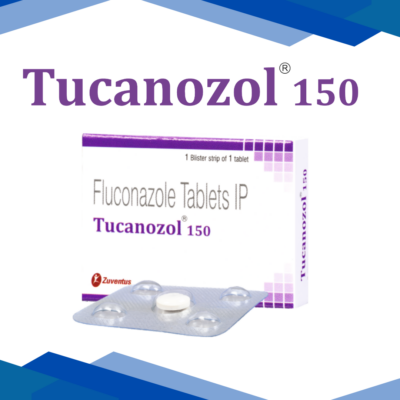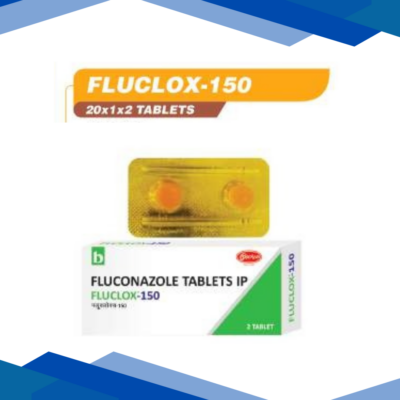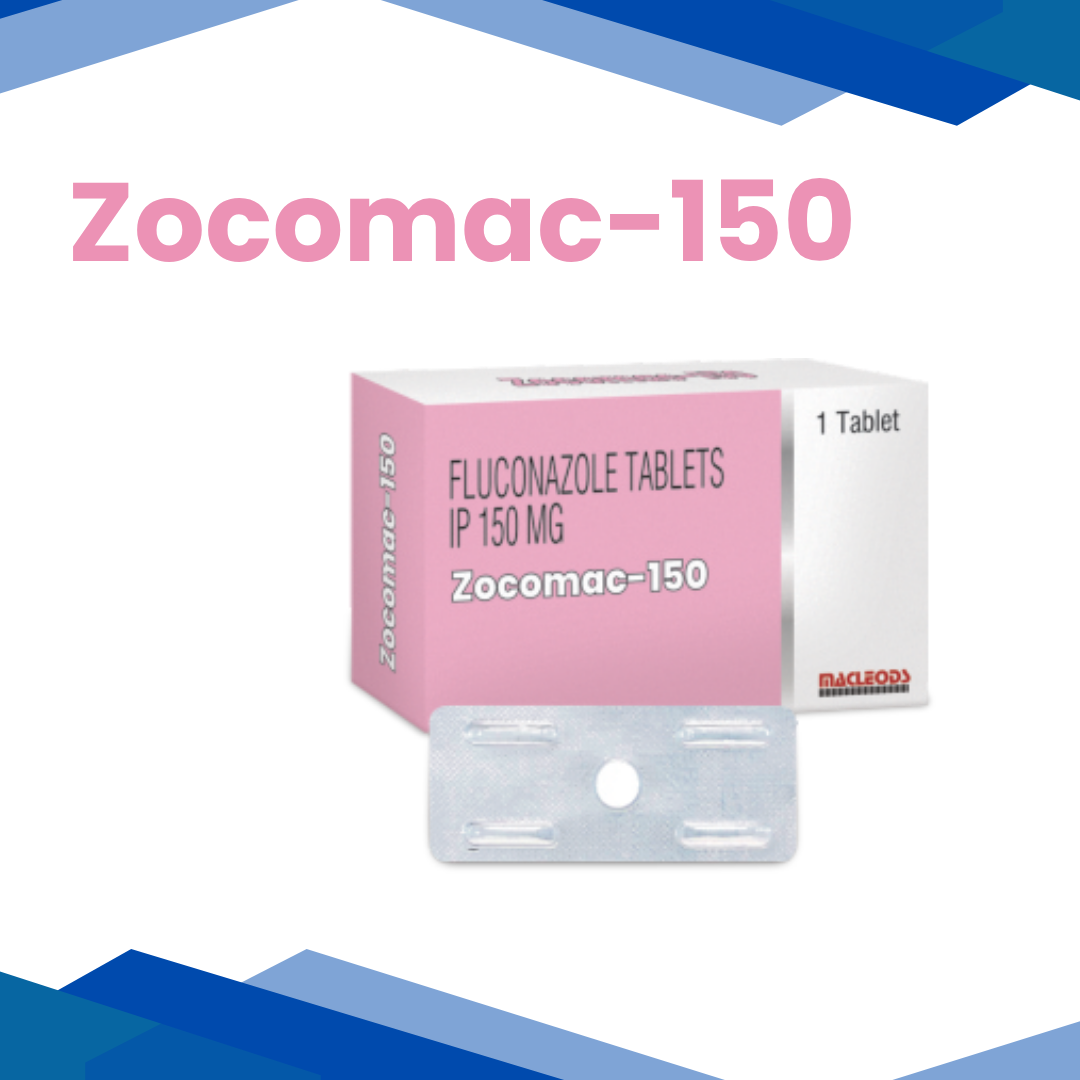
Zocomac 150
No Prescription yet? Don’t worry! Click Here to Get Online Consultation
Fluconazole is used to treat serious fungal or yeast infections, including vaginal candidiasis. For more detail kindly click on Medicine Salts below:
Fluconazole
Fluconazole: High-Potent Antifungal Therapy for Yeast & Fungal Infections
Fluconazole is a widely trusted antifungal medicine, classified under the triazole group. Being first line therapy among a range of fungal and yeast infections, Fluconazole works systematically to fight fungi-causing infection from common vaginal yeast infections to deep-seated systems.
Primary Indications
Vaginal Candidiasis: "One-pill," effective treatment for vaginal yeast infections.
Oral & Esophageal Thrush: Clears fungal overgrowth in the oral cavity, throat, and food pipe.
Cryptococcal Meningitis: Used in cases of aggressive brain and spinal cord fungal infection, mostly involving immunocompromised patients.
Systemic Infections: Control of spread to the bloodstream or other organs.
Prophylaxis: Prescribed the prevention of fungal infections in patients undergoing bone marrow transplants or chemotherapy.
How Fluconazole Works
Fluconazole is an antifungal effective at preventing fungi from reproducing. It is precise in its action because it targets a yeast enzyme called lanosterol 14-α-demethylase without which ergosterol, a most essential element of the fungal cell membrane, would not be formed. This works by either disrupting the cellular membrane, allowing cellular contents to leak and die, thus, clearing any pathway for the immune system to work and overcome the infection.
General Administration
Preparation: Fluconazole is a commonly modified entity. It is a very well-absorbed substance. It can be swallowed with or without food.
Hydration: Always drink an entire glass of water upon swallowing the pill.
Must: If you are swallowing more than one pill a day in a course, ensure you take each pill at the same time every day so the concentration of the drug is maintained in your system.
To the end: Even after the disappearance of the yeast infection cure from your system, have patience by taking to the end the therapy of Fluconazole ordered back to you by your physician, to ensure the infection does not return.
Fluconazole: Frequently Asked Questions (FAQ’s)
Q: Will a single dose of Fluconazole be enough to treat a yeast infection?
A: For uncomplicated vaginal yeast infections, a single 150 mg dose should be adequate. However, for multiple recurrences or severe infections, your health provider might prescribe a program of therapy.
Q: How soon will I get relief?
A: Usually, within 24 hours of the first dose, there will be a significant reduction of symptoms such as itching and irritation. But complete clearing of the infection may take a period of 3-7 days.
Q: Can I take Fluconazole while I am pregnant?
A: Antifungals thick for long-term infection or high dose of Fluconazole are avoided as these could pose undue risk to the fetus in pregnancy. Always consult with your OB/GYN before commencement of your antifungal medication, as hand-on advice is crucial to assuage any potential fear.
Q: Are there any potential drug interactions Fluconazole may have in my system?
A: Yes. Fluconazole may cross-react harmfully with warfarin (a blood thinner) and certain diabetes- and heart-related blood medication. Be sure to provide a list of all supplements and medications you are taking to your medicine man.
Q: Can it cause side effects, and, if so, then which are the most common?
A: Fluconazole is, by and large, a well-tolerated drug. Common side effects are usually just a minor headache, a slight nausea sort of thing, or stomach upset. If you experience a severe skin rash or jaundice, you should see your doctor immediately.
Product Details and Safety Profile
Features Details
Drug Category Triazole Antifungal
Common Forms Tablet, oral suspension, injection
Standard Dosage 150 mg (Single Dose) for Yeast Infections
Main Target Candida species, Cryptococcus
Storage Store at room temperature (below 30°C)
Expert Safety Checklist
Liver Health: Your liver enzymes may need to be closely watched if you have a history of liver disease, because Fluconazole is extensively excreted.
Avoiding Alcohol: There is, again, no absolute contraindication to alcohol, but it is strongly recommended that one should be avoided to prevent damage to the liver as much as supplemented by effects of the drug.
Reverse Photosensitivity: Some people, especially those who are on a long course, may notice extra sensitivity to sunlight. This risk base of things warrants sunscreening.
At Gem Pharmacy, we make every effort to provide accurate, expert-written, and thoroughly reviewed information related to medicines. However, this information should not be considered a substitute for professional medical advice, diagnosis, or treatment from a qualified doctor.
The purpose of this information is to educate users and improve communication between patients and healthcare professionals. It should not be used to diagnose or treat any condition.
Always consult a certified healthcare professional before taking any medication.


Related products