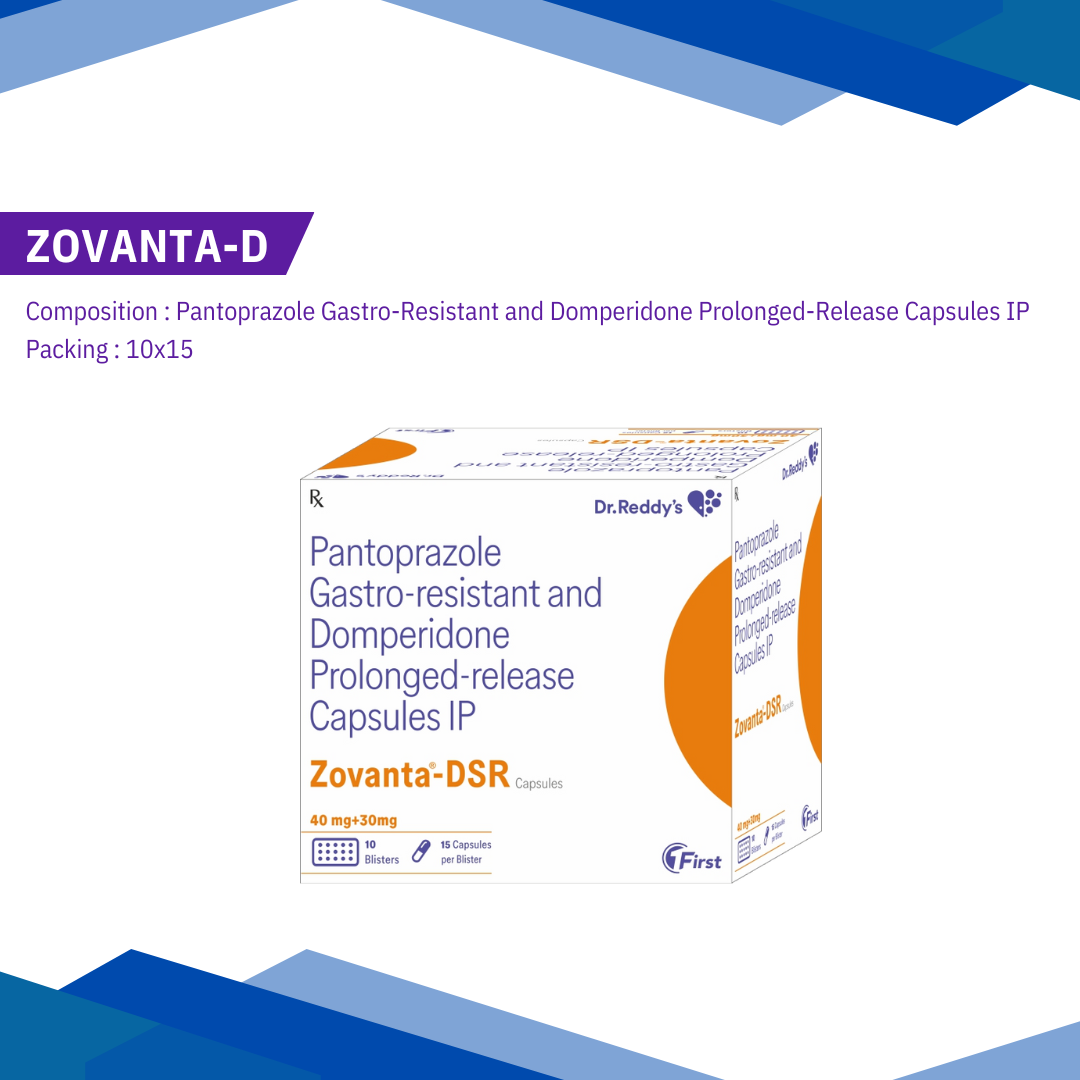
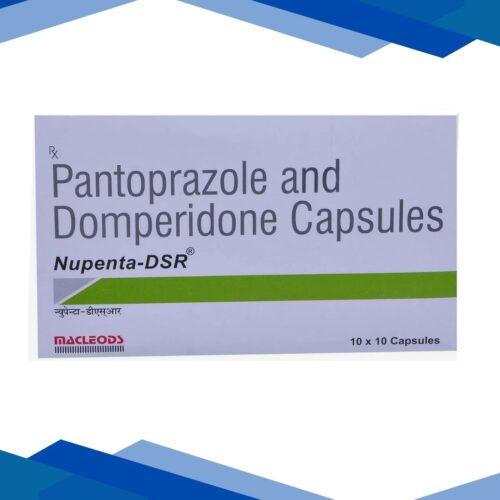
Domperidone
Domperidone: The Elixir for Treating Nausea and Indigestion
Domperidone is a well-known prokinetic and anti-emetic medication. It is commonly used for the relief of nausea, vomiting, and digestive discomfort caused by slow stomach emptying (gastroparesis).
The medicine helps the stomach perform its natural function of churning and emptying food efficiently, which reduces symptoms such as fullness, bloating, and indigestion.
How Domperidone Works
Domperidone works by blocking dopamine receptors in the upper digestive tract and the chemoreceptor trigger zone, the area responsible for triggering the vomiting reflex.
This action helps to:
Increase Peristalsis: Stimulates movement of the stomach muscles to improve digestion.
Prevent Food Reflux: Helps ensure that food does not move back into the esophagus.
Improve Gastric Emptying: Allows food to pass through the stomach more efficiently, aiding digestion and nutrient absorption.
Major Benefits and Uses
Conditions | Advantage
Nausea and Vomiting: Helps relieve queasiness and vomiting, especially associated with digestive disorders or gastroparesis.
Abdominal Pain: Helps reduce upper abdominal discomfort, bloating, and early satiety.
Gastroparesis: Useful for patients experiencing delayed stomach emptying, heaviness in the stomach, and prolonged fullness after meals.
Safety and Side Effects
Domperidone is generally safe when used under medical supervision, but some individuals may experience mild side effects.
Common Side Effects:
Dry Mouth (Xerostomia)
Headache, dizziness, or mild drowsiness
Mild stomach cramps
Safety Information: Long-term use or high doses may increase the risk of heart rhythm disturbances, particularly in people with pre-existing heart conditions. Medical supervision is therefore important.
Important Precautions
Alcohol: Avoid alcohol, as it may increase side effects such as dizziness or drowsiness.
Pregnancy and Breastfeeding: The medicine can pass into breast milk, so it should only be used under medical advice.
Driving and Activities: Avoid driving or operating heavy machinery until you know how the medication affects you.
Kidney and Liver Conditions: Patients with kidney or liver disease may require dose adjustments and careful monitoring by a doctor.
Frequently Asked Questions (FAQs)
1. How long does Domperidone take to start working?
Relief usually begins within 30–60 minutes after taking the medication. It is commonly recommended to take it before meals for better effectiveness.
2. How long can Domperidone be used for acidity?
It is usually recommended for short-term use (about 5–7 days). Chronic acid reflux or GERD may require combination treatment with proton pump inhibitors (PPIs) such as Omeprazole or Pantoprazole.
3. Can Domperidone cause weight gain?
Weight gain is not common, but in some cases the medication may increase appetite, which could indirectly contribute to weight changes.
4. Why should it be taken before food?
Taking the medication 15–30 minutes before meals allows it to start working before food reaches the stomach, improving digestion and gastric emptying.
5. Is Domperidone safe for heart patients?
It should be used with caution in patients with heart disease, especially those with long QT syndrome, heart failure, or electrolyte imbalances. A doctor’s supervision is recommended.
Pantoprazole
PANTOPRAZOLE
Overview:
Pantoprazole is a drug that reduces acid levels produced in the stomach. It belongs to the category of the drug blockers called proton pump inhibitors (PPIs). The drug has often been used to treat acid reflux, gastroesophageal reflux disease (GERD), stomach ulcers and Zollinger-Ellison syndrome. Pantoprazole relieves such symptoms as heartburn and helps to recover the stomach lining.
Classification:Proton Pump Inhibitor (PPI)
Uses:
Pantoprazole is used to treat the diseases caused by an excess stomach acid like GERD (gastroesophageal reflux disease), acid reflux, stomach ulcers, and the Zollinger-Ellinson disease. It also relieves the symptoms of heartburn, acid regurgitation, and indigestion, by reducing acid secretions and helps in recovering the stomach and the esophagus.
How it works:
Pantoprazole acts in blocking a pump on the stomach lining called proton pump (H 16 itrapazoviatricfootnote 16 overnight hist seriously atpase). This is an enzyme that has a key role in producing stomach acid. Pantoprazole reduces the acid content of a stomach by stopping the action of this pump. Such a decrease aids in improving the symptoms of heartburn and repairing the injured parts of the stomach and esophagus.
Dosage:
As prescribed by your doctor.
Side effects:
Gas or bloating
Stomach pain
Headache
Nausea or vomiting
Diarrhea
Precautions:
Prior to taking pantoprazole, inform your physician about your liver conditions, low levels of magnesium, and any other drug that is in use that can react with this. Side effects of long-term use include vitamin B12 deficiency, loss of bone, or intestinal infection. Pregnant/ Breast feeding: use with caution, only with medical advice. Nevertheless, do not eliminate the medicine abruptly, at least, without the doctor consultation, particularly in a case of long-term treatment.
Disclaimer:This content is for informational purposes only. Always consult a healthcare provider for medical advice and proper dosage.