


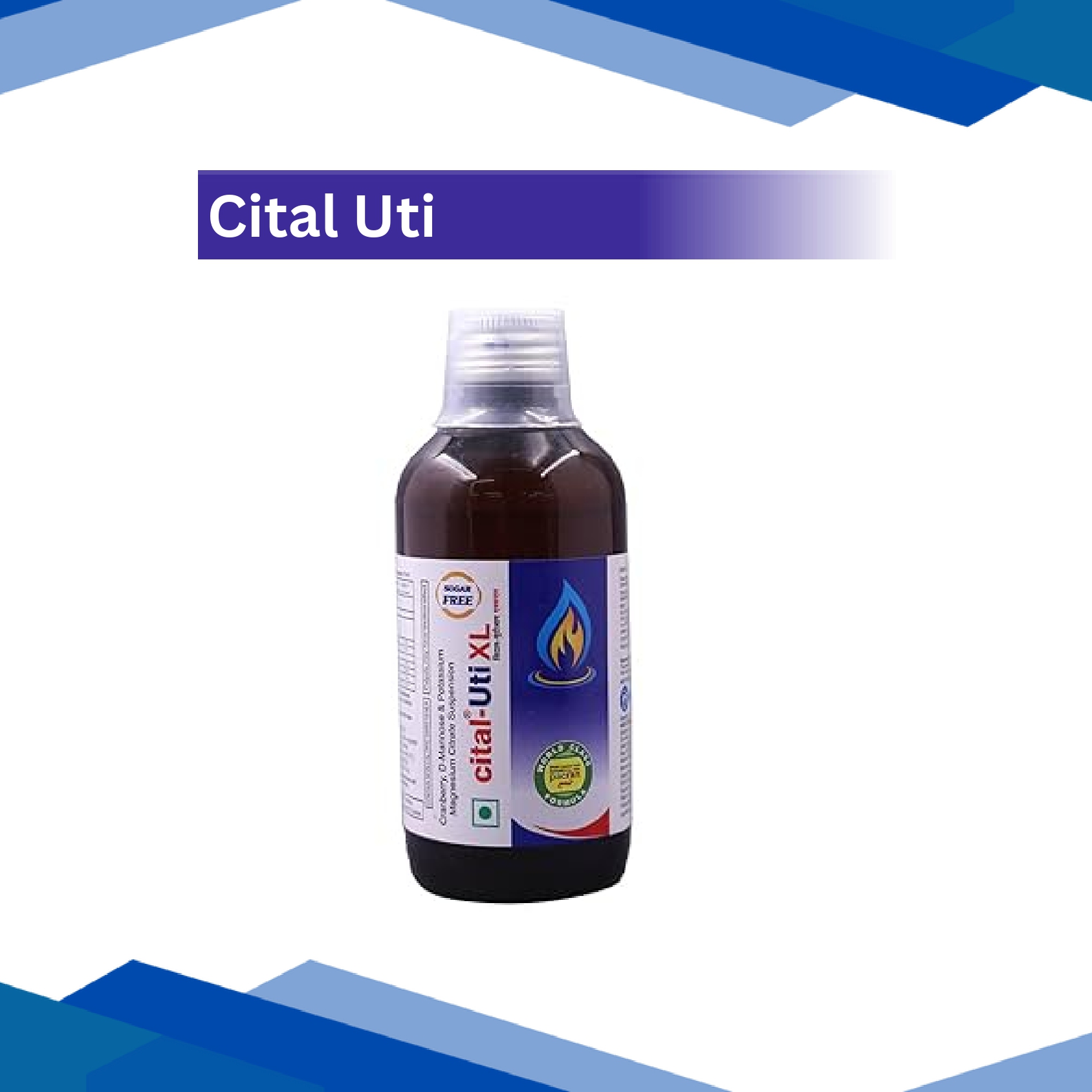
Cital Uti XL 200 ml
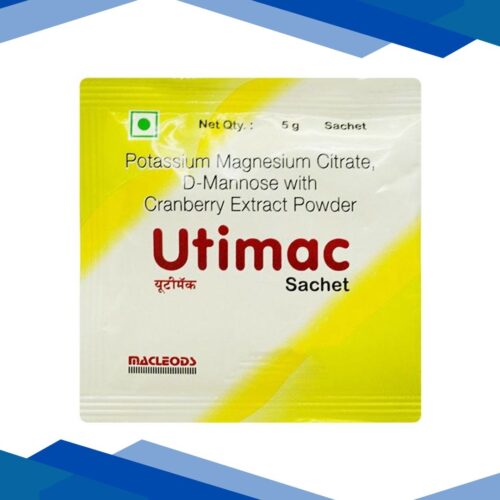
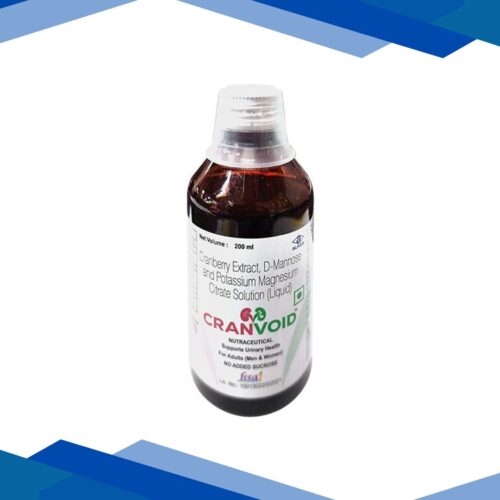
Cital UTI XL is a sugar-free suspension formulated to support urinary tract health. It contains potassium magnesium citrate to alkalize urine, D-mannose to prevent bacterial adhesion (especially E. coli), and cranberry extract rich in proanthocyanidins that reduce UTI recurrence. It helps relieve burning urination, frequency, and discomfort associated with urinary tract infections. For more details kindly click on Medicine Salts below:
cranberry extract
Cranberry Extract: Natural Support for Urinary Tract Health
Cranberry Extract is a concentrated form of the bioactive compounds found in Vaccinium macrocarpon (North American Cranberry). Although commonly savored as the fruit, its extract, being practically significant due to a high concentration of Proanthocyanidins (PACs), helps maintain a healthy bladder lining by the "A-type" tannins. By acting as a natural defense mechanism, Cranberry Extract is a go-to supplement for those looking to manage recurrent urinary discomfort without over-reliance on synthetic chemicals.
Primary Therapeutic Benefits
Bacterial Adherence Prevention: The unique A-type PACs inhibit harmful bacterial adhesion (like E. coli) to the walls of the urinary tract, thus allowing said bacteria to be flushed out naturally.
Antioxidant Power: Cranberry Extract is a great source of Vitamin C and polyphenolic compounds which neutralizes free radicals and thus supports overall immune function.
Bladder Deodorizer: To some extent, it helps to muffle strong odors that normally come with bladder issues or urinary incontinence.
Kidneys-Pampering: Cranberry Extract can assist in protecting the kidneys through its mild diuretic properties, maintaining natural diuretic actions and helping eliminate waste toxins.
Product in Brief
Detail
Active Label: Proanthocyanidins- Type-A PACs
Standard Dosage: 400 to 500mg (standardized extract)
Best For: Fighting constant UTIs, Strengthening the bladder
Dietary Status: Vegan (mostly)/Vegetarian
How to Get the Best Results
Drink plenty of water: Always take Your Cranberry Extract with a whole glass of water. Staying hydrated increases the "flushing" action that makes the extract effective.
Be Consistent: Unlike antibiotics, Cranberry Extract is best used for prophylaxis. It should be taken daily, especially when you are predisposed to seasonal or physical stress-merited urinary issues.
Check the Label: Make sure Your supplement is standardized for a high percentage of PACs; fruit juice powders, however, may not have the therapeutic power required.
Safety & Expert Precautions
Cranberry Extract is generally safe for the vast majority of adult individuals--yet please remember the following points:
Most Common Considerations:
Stomach Sensitivity: High dosages may cause mild stomach upset or diarrhea in some people.
Kidney Stones: Cranberries are a source of oxalates. If you have a past history of calcium oxalate kidney stones, consult your urologist before beginning long-term supplementation.
Potential Drug Interactions:
Warfarin (Blood Thinners): Cranberry may enhance the effect of Warfarin, thus increasing the risk of bruising or bleeding. Always seek medical clearance if you are on anticoagulants.
Frequently Asked Questions (FAQs)
1. Can Cranberry Extract help with an active UTI?
While it can cause prevention, the periodontal exudate stems are sometimes not strong enough to quell a biomass enfeebling. Should you experience burning when urinating, red urine, a fever, or back pain, you must consult a doctor for a prescription of antibiotics.
2. Does it work better than drinking cranberry juice?
Yes, in terms of efficiency. Most commercial cranberry juices are loaded with sugar, which can actually feed bacteria. Capsules provide the concentrated active ingredients (PACs) without the calories or acidity of juice.
3. How long until I see results?
It typically takes 1 to 2 weeks of daily usage to build up a protective barrier in the urinary tract for prevention purposes.
4. Can pregnant women take Cranberry Extract?
Cranberry is generally considered safe during pregnancy for urinary support. However, because pregnancy requires careful medical monitoring, always confirm with your OB-GYN before adding it to your routine.
5. Does it have any interaction with Vitamin C supplements?
Cranberry Extract naturally contains Vitamin C. Taking them together is usually safe and may actually help in maintaining an acidic environment in the bladder in order to make bacteria less susceptible to it.
D-mannose
About Capsicum Oleoresin: Targeted Pain Relief for Nerve and Muscle Pain
Capsicum oleoresin is a strong bioactive extract derived from Capsicum fruits, known to contain high amounts of capsaicin and, therefore, is widely used in formulations as a topically applied analgesic for immediate pain relief. Desensitization of pain receptors provides relief for patients suffering from chronic musculoskeletal pain and neuropathic pain.
Clinical Therapeutic Use
Arthritis: Effective in providing localized relief from joint pain and stiffness related to Osteoarthritis and Rheumatoid Arthritis.
Neuropathic Pain: Widely used for postherpetic neuralgia (pain after shingles) and diabetic neuropathy.
Muscle Recovery: Especially useful in “delayed-onset muscle soreness (DOMS)”, low backache, or muscle strains, as it helps increase blood flow to the affected area.
Thermal Analgesic Therapy: The oleoresin itself produces a mild therapeutic warmth that helps relax tight muscles and improve mobility.
How it Works (Mechanism of Action)
Capsicum Oleoresin works by depleting Substance P, a chemical mediator responsible for transmitting pain signals to the central nervous system.
Upon application, capsaicinoids initially stimulate pain fibers, producing a temporary warming sensation. With continued use, the release of Substance P becomes depleted, effectively “turning down the volume” of chronic pain signals from that specific area.
Safety Information and Instructions for Use
Patch Test: Always perform a patch test before applying Capsicum Oleoresin to a larger area. Because of its strong potency, there is a risk of skin sensitivity or excessive redness.
Hand Wash: Wash your hands thoroughly with soap immediately after application. Avoid touching the eyes, nose, or sensitive mucous membranes, as the extract is a strong irritant.
Avoid Heat Application: Do not apply heating pads or tight bandages over areas treated with Capsicum Oleoresin, as this may cause skin irritation or blistering.
External Application Only: This extract is meant only for external use. Do not apply to broken, irritated, or sunburned skin.
Questions and Answers
1. Why does my skin feel very hot when it is applied?
A heat or burning sensation is a normal pharmacological response to Capsicum Oleoresin. This occurs because it activates sensory nerve receptors in the skin. The sensation usually reduces after a few days of regular use as the body adjusts.
2. How often should Capsicum Oleoresin be applied?
Typically, it may be applied 3–4 times daily, depending on the severity and chronic nature of the pain. Consistency is important, as the pain-relief effects are cumulative and usually peak after 1–2 weeks of regular use.
3. Can I use this for immediate relief after a sudden injury?
Capsicum is generally better suited for chronic or sub-acute pain. If the pain results from a very recent acute injury, cold therapy is usually recommended first. Always consult a doctor before using warming agents on fresh inflammation.
4. Can it be used along with oral analgesics?
Yes. Topical Capsicum Oleoresin can be used together with oral analgesics, including NSAIDs or Paracetamol. Since it works locally on the skin, systemic absorption is minimal, and drug interactions are unlikely.
5. What should I do if the burning sensation becomes intolerable?
Do not wash the area with hot water, as this can increase the burning sensation. Instead, use cotton dipped in olive oil or vegetable oil to gently remove the cream, or wash the area with cool water and mild soap.
Potassium magnesium citrate
Potassium Magnesium Citrate Oral Solution / Tablets
Introductory note
Potassium Magnesium Citrate is a specialized nutritional supplement and a treatment tool used to deal with situations tied to urinary mineral imbalances. It is frequently suggested by urologists, and this particular formulation blends essential minerals in a citrate form, which tends to be very bioavailable, and effective for changing the chemical makeup of urine.
When citrate goes up in the urine, the medicine helps form a less crystal-friendly setting, this discourages the crystallization of calcium salts, often seen as the main driver behind kidney stone creation. For people who tend to get renal calculi again and again, it becomes a steady option, also for metabolic irregularities.
Main medical use
Kidney stone prevention: it is specifically used to reduce the chance of calcium oxalate and calcium phosphate stones in patients who have hypocitraturia, meaning low citrate levels within the urine.
Urine alkalinization: this is used to raise the urine pH a bit, so it helps keep acidic stones from forming, such as uric acid stones.
Mineral supplementation: it gives an important boost of potassium and magnesium, both of which play a direct role in nerve signals, muscle contraction and also in supporting stable blood pressure.
How it works
The effectiveness of Potassium Magnesium Citrate comes from a kind of two-pronged action, that goes like this:
Crystallization inhibition: citrate clings to calcium in the urine, and then forms a soluble complex. In other words, by tying up that calcium it stops the mineral from linking with oxalate or phosphate. This blocks the formation of solid crystals, which later can harden into stones.
PH management: once the body metabolizes citrate, bicarbonate is produced. That biochemical step then raises urine pH naturally, which makes the urine less acidic. A less acidic, more alkaline setting is needed to help prevent uric acid precipitation and other acidic stone forming materials.
Quick Note: How it s used and handled
How to use it: Follow what your doctor tells you about dosing, exactly. If you are using an oral solution, measure the dose with the calibrated cup you were given, never use a kitchen spoon. If you are using tablets, swallow them whole with a full glass of water, no splitting.
When to take it: For best results and to reduce stomach discomfort, take it after a meal, or alongside a light snack.
Fluids: This medication tends to work better when you keep up with strong hydration. Try to drink at least 2 to 3 liters of water each day so the kidneys can properly send minerals through the urinary tract.
Keeping it steady: Try to take each dose at the same time every day to keep citrate levels in your urine more consistent.
Common Side Effects
Most people handle this mineral supplement well, but a few may notice small digestive changes while the body adjusts.
Often Mentioned:
Mild stomach upset, or nausea
Sometimes looser stools or diarrhea
A feeling of bloating, or just a general abdominal discomfort, that kind of pressure in your stomach.
Clinical Alert: If you get severe abdominal pain, or vomiting that keeps going, black tarry stools, or you notice signs of an allergic reaction (like a skin rash, or swelling of the face/throat) then stop the medication, and talk to your doctor right away.
Expert Advice & Precautions
Kidney Function: Because this supplement really ramps up the workload on your kidneys, so they can expel minerals, it has to be used with extra caution if you have chronic kidney disease (CKD) or any reduced renal function.
Salt Intake: Keep an eye on how much salt, or dietary sodium you are getting. A high-sodium diet can undermine the stone-guarding benefits of this medication, since it can increase how much calcium your body excretes into your urine.
Concurrent Medications: Tell your doctor if you take blood pressure medications (such as ACE inhibitors), potassium-sparing diuretics, or other antacids. These may interfere with the potassium and magnesium balance in your bloodstream.
Regular Monitoring: Your physician may ask for periodic urine tests (24 hour collection) and blood work, to help check your electrolyte balance and make sure the medication is really doing what you need for the desired urine pH levels.
Frequently Asked Questions (FAQs)
Q. Can Potassium Magnesium Citrate dissolve existing kidney stones?
No. This medication is mainly a preventative agent. It helps stop new crystals from forming and it discourages existing small stones from getting bigger. Usually it cannot dissolve stones that have already hardened into a solid structure.
Q. Why is it important to drink so much water with this medication?
Water is basically the working vehicle for your kidneys. If you drink ample fluids, the minerals get diluted and cleared out more effectively. Without good hydration, the minerals in your urine can stay concentrated, and then the protective effect from the citrate is diminished.
Q. Can I take this with other vitamin supplements?
Always check with your pharmacist first. Some multivitamins include large doses of minerals that, if taken alongside this supplement, could cause electrolyte imbalances. One example is hyperkalemia. Do not mix this with other potassium supplements unless your doctor has told you to do so.
Q. Is it safe for patients with high blood pressure?
Potassium and magnesium can be supportive for cardiovascular wellness and may help with healthy blood pressure. That said, people using certain blood pressure medications that change how potassium leaves the body need extra observation and careful lab monitoring. Make sure your cardiologist knows about your full supplement regimen.
Q. How long do I need to take this medication?
If you have a history of recurrent kidney stones, this is often a long-term maintenance approach. How long you should continue depends on your metabolic profile and how quickly stones tend to come back. Your doctor will decide the best duration after reviewing your repeat 24-hour urine tests, and your overall follow ups.
At Gem Pharmacy, we make every effort to provide accurate, expert-written, and thoroughly reviewed information related to medicines. However, this information should not be considered a substitute for professional medical advice, diagnosis, or treatment from a qualified doctor.
The purpose of this information is to educate users and improve communication between patients and healthcare professionals. It should not be used to diagnose or treat any condition.
Always consult a certified healthcare professional before taking any medication.


Related products