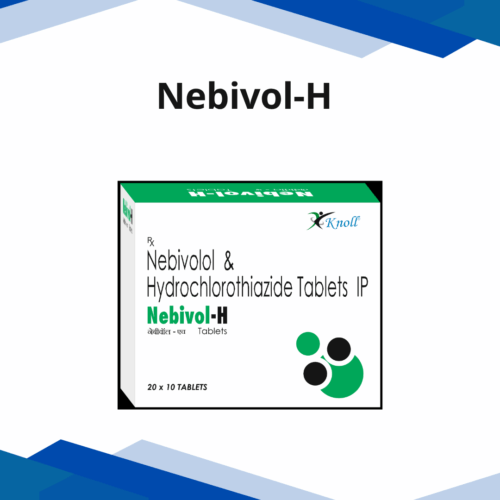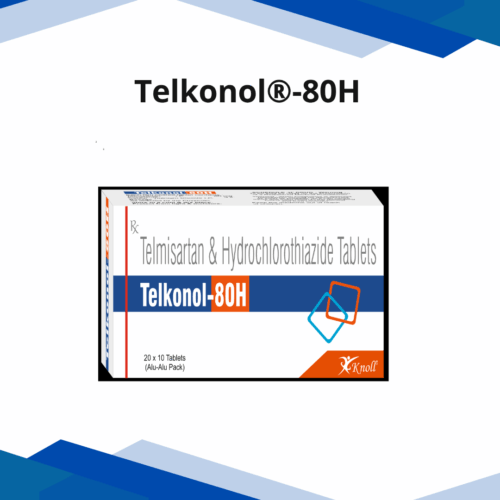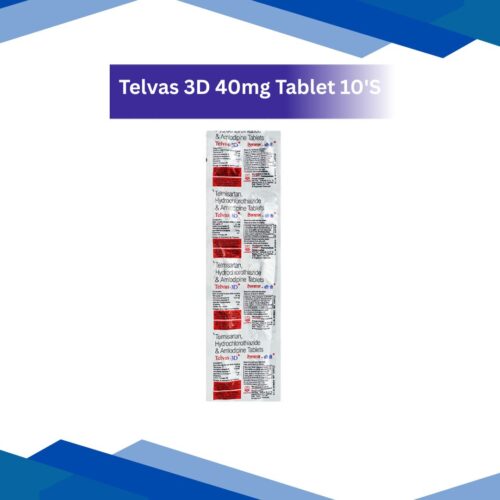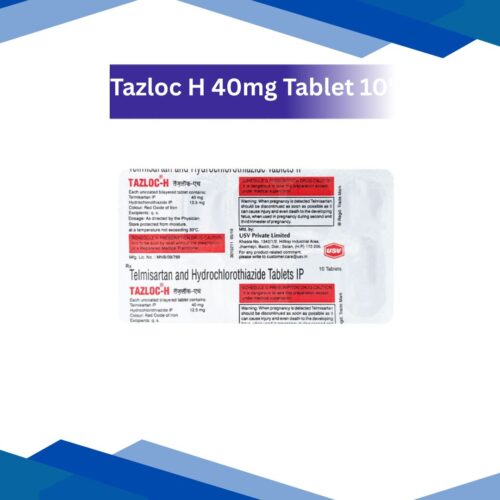

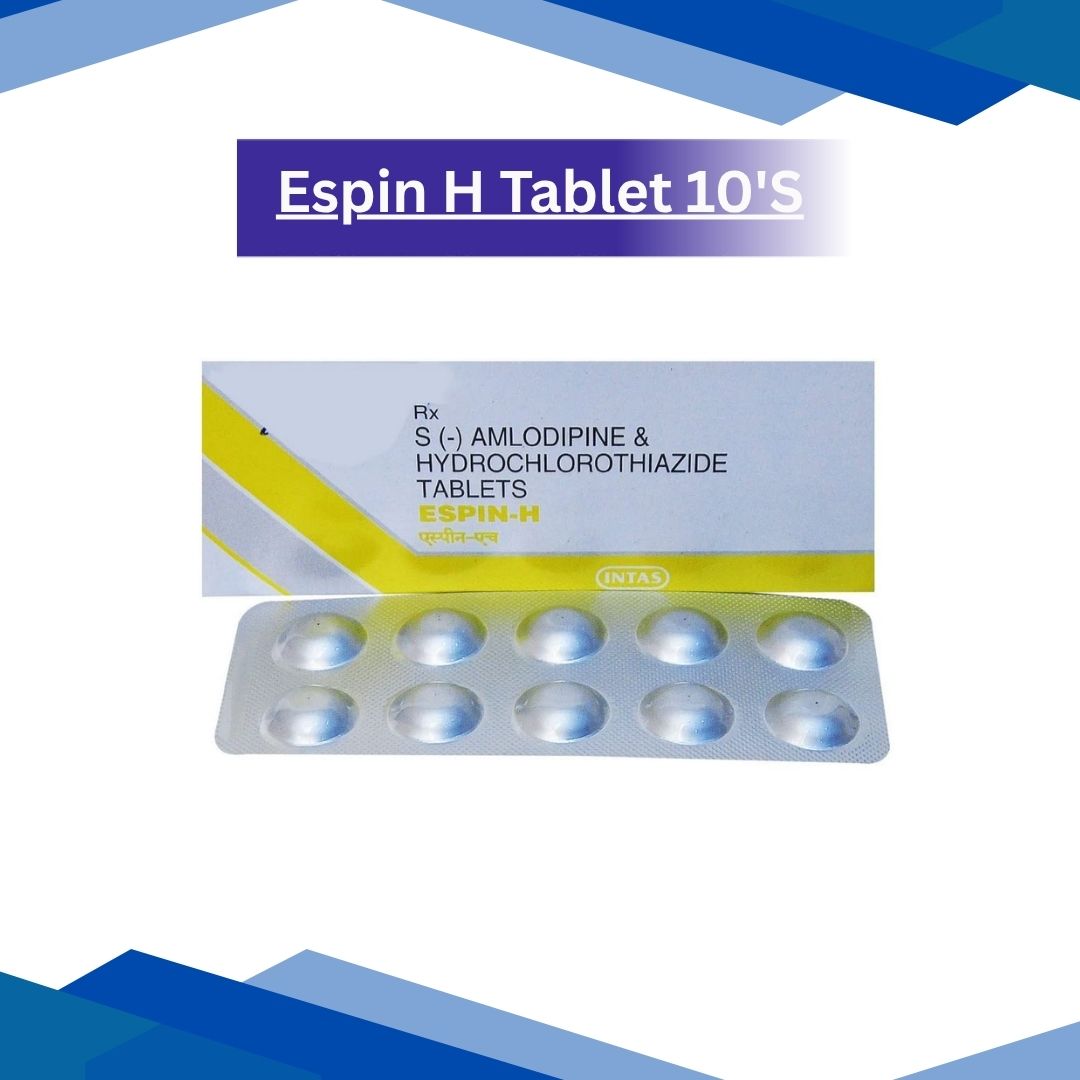
Espin H Tablet 10’s
No Prescription yet? Don’t worry! Click Here to Get Online Consultation
Espin H Tablet 10’s is a prescription medication used to manage high blood pressure by combining two active ingredients that relax blood vessels and reduce fluid retention. For more details kindly click on Medicine Salts below:
Hydrochlorothiazide
Hyaluronidase Injection: Uses, Side Effects, and Precautions
Hyaluronidase is a genetically engineered enzyme that acts as a “spreading agent.” Unlike many drugs that target a specific symptom, its primary role is to enhance the absorption and dispersion of other injected medications.
It works by temporarily breaking down hyaluronic acid, a natural “glue-like” substance in the body, thereby making tissues more permeable.
Primary Indications
Enhanced Drug Absorption: Often combined with other injectable medications to improve their diffusion and absorption at the target site.
Subcutaneous Infusions: Used in rehydration therapy (hypodermoclysis), allowing the body to absorb larger volumes of fluids under the skin.
Extravasation Management: Helps disperse leaked drugs from blood vessels, reducing the risk of tissue damage.
Aesthetic Correction: Widely used in dermatology to break down or reverse hyaluronic acid-based dermal fillers.
The Ways of Administration
Clinical Use Only: Must be administered by trained healthcare or aesthetic professionals. Routes include subcutaneous, intramuscular, or intra-articular injection.
Skin Test for Sensitivity: A patch/skin test is required before first use to check for allergic reactions.
Hydration: Adequate water intake is recommended before the procedure, unless otherwise advised by your doctor.
Warnings and Safety Precautions
Special Warning: Do not inject into areas with infection, severe inflammation, tumors, or open wounds, as it may increase the spread of harmful conditions.
Pregnancy and Lactation: Consult your physician before use. The effects on infants are not well established.
Drug Interactions: Inform your doctor about all medications, especially Furosemide, Phenytoin, and Corticosteroids, as they may interfere with Hyaluronidase activity.
Possible Side Effects
Generally safe when administered properly, but some individuals may experience:
Redness or swelling at the injection site
Mild itching or hives
Seek immediate medical attention if you notice:
Difficulty breathing
Rapid pulse
Frequently Asked Questions (FAQs)
Q: How fast does Hyaluronidase work for dissolving fillers?
A: Effects can be almost immediate, with noticeable improvement within minutes to 24–48 hours, depending on swelling and treatment area.
Q: Is the procedure painful?
A: Most patients feel only mild discomfort or stinging. A topical anesthetic or numbing cream is often applied to make the procedure nearly painless.
Q: Can I use Hyaluronidase if I am allergic to bee stings?
A: This must be carefully discussed with your doctor. Some formulations may carry a risk of allergic reactions, so a skin test is essential to prevent anaphylaxis.
Q: How much natural hyaluronic acid will be affected?
A: Some natural hyaluronic acid may be broken down, but the body naturally regenerates it within a few days.
Q: How many sessions are needed to remove fillers?
A: Usually, one session is sufficient. However, in cases of deep or high-volume fillers, a follow-up session may be required.
S-Amlodipine
At Gem Pharmacy, we make every effort to provide accurate, expert-written, and thoroughly reviewed information related to medicines. However, this information should not be considered a substitute for professional medical advice, diagnosis, or treatment from a qualified doctor.
The purpose of this information is to educate users and improve communication between patients and healthcare professionals. It should not be used to diagnose or treat any condition.
Always consult a certified healthcare professional before taking any medication.


Related products