
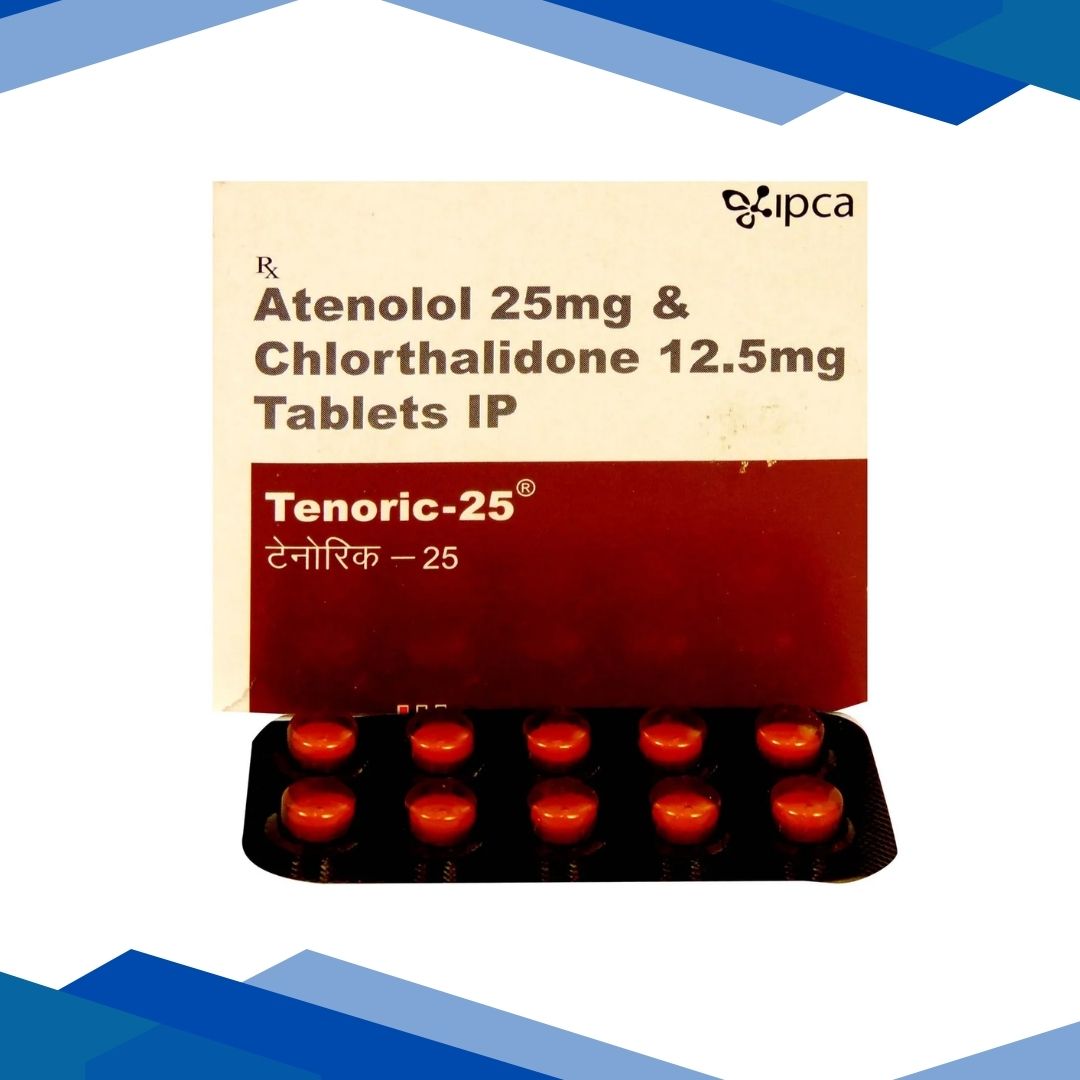
Tenoric 25mg Tablet
No Prescription yet? Don’t worry! Click Here to Get Online Consultation
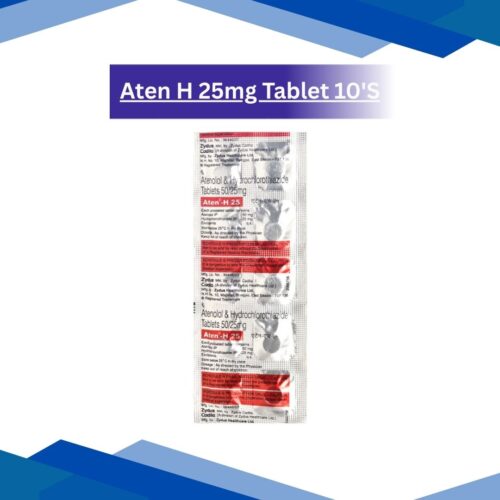
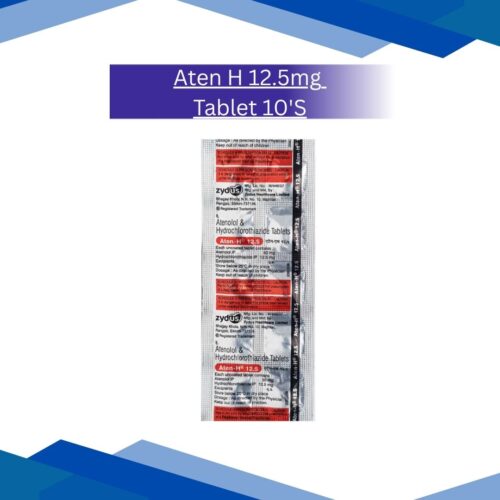
Tenoric 25mg Tablet is used to lower high blood pressure by slowing the heart rate and helping the body remove excess fluid. This combination also reduces the risk of stroke and heart-related complications. For more details kindly click on Medicine Salts below:
Atenolol
Atenolol Tablets (BP/USP): as well belongs to a class of drugs called β-blockers created to be selective to β1 receptors in use to control a myriad of cardiovascular diseases primarily by slowing down the heart rate and contractile power targeting the heart. Atenolol mediates pumps and permits blood to be supplied to the rest of the body effectively and make its circulation loose after being utilized for left ventricular failure as blood pressure or heart muscle oxygenation declines. It is indicated in the following conditions which are the most commonly told to us: Hypertension (high blood pressure), Angina (chest pain), and enhancing survival for many years after having an MI. Therapeutic uses: Hypertension Management: Effective antihypertensive abilities, having outcomes on future strokes and kidney further arterial complications. Migraine Prophylaxis (Off-label- used for Migraine Prophylaxis): Is very commonly used to fit in well with the auras for severe migraine attacks. Mechanism of Action Atenolol belongs to the class of Beta~blockers. It works by blocking the action of certain natural chemicals in the body, such as adrenaline, on the heart and blood vessels. High blood pressure is largely due to more than average force exerted by the blood against the arterial walls. At a high speed, the heart pushes blood through the arteries causing certain pressure this is called blood pressure. Further, Atenolol is a beta-blocker. Beta-blockers block the binding of chemicals like adrenaline to beta-adrenergic receptors, which are on nerves and in the heart. All of this slows the rate of nerve impulses through the body and also lessens the speed and the force of transforming conduction. How to Take? Dosage: Be sure to follow your cardiologist's directions on dosage; usually you will be told to take one tablet of specific dose (25 mg, 50 mg, or 100 mg). Administration: Oral administration with a glass of water, please do not break or chew the tablet. When to Take: Atenolol may be taken with or without food. You may want to take your dose at the same hour every day for the medicine to work as it is meant to and for ratios of the drug in your blood. Hundreds take their first dose as they prepare to go to bed at night to avoid possible dizziness it may inflict the first time. Common Adverse Effects Most side effects are minor and possibly less bothersome as your body gets accustomed to the drug: Cold hands and Feet (symptom of decreased peripheral blood circulation) Fatigue or unusual tiredness Slower heart rate (Bradycardia) Dizziness or lightheadedness Nausea or diarrhea Warning: If you find yourself short of breath, wake with a sudden newfound weight, or swollen ankles-such could be signs of heart failure. Safety advice & precautions Pregnancy: UNSAFE. Atenolol can cross the placenta and may affect the growth of the fetus. Consult your doctor for safer alternatives. Diabetes: Atenolol can "mask" the symptoms of low blood sugar (hypoglycemia), such as a rapid heartbeat. Monitor your glucose levels closely. Asthma/COPD: Use with extreme caution, as beta-blockers can sometimes cause airway constriction (bronchospasm). Alcohol: In moderation, alcohol is fairly safe; however, alcohol can exacerbate dizziness caused by the drug. Driving: Do not attempt to drive or operate heavy machinery until the effects of Atenolol on your alertness are known. FAQ: Can I stop taking Atenolol once my blood pressure normalizes? I'm sorry. The Hemorrhoid is mostly known as a silent disease. Atenolol withdrawal can cause serious, sudden "rebound" blood pressure increases that can increase the risk of a minor stroke or myocardial infarction, so Atenolol is to be tapered off carefully under supervision from a medic. For instance, you might well ask, for how long has Atenolol to operate? While Atenolol begins to decrease the heart rate within 2–4 hours, its full blood-pressure-lowering efforts will be seen within one or two weeks of its use continuously. Q: What should I do when I forget to take the medicine? Take the dose as soon as you remember. However, if your next dose is less than 8 hours away, skip the skipped dose and take the next dose at its normal time. Never double up on doses. Q: Does Atenolol have weight-related side effects? Some patients report mild weight gain. It is most often due to a slight slowing down of metabolism by the medication or to fluid retention. Bring up any other significant side effects with your doctor. Q: Can I take Ibuprofen with Atenolol? "Please check with your doctor." Some nonsteroid anti-inflammatory drugs (die wither Ibuprofen or Naproxen) show reduced blood pressure lower level (Die Diving low-pressure effectiveness) of the betal blockers.
Chlorthalidone
CHLOROTHIAZIDE TABLETS Therapeutic Uses Chlorthalidone is a potent, long-working diuretic (commonly known also as water pills) belonging to the thiazide-like group of drugs and has been ordered mainly for the treatment of Hypertension (elevated blood pressure) and for Edema (fluid retention debris) that has accompanied a series of cardiovascular disorders, having at least a pathologic relationship with this symptom. This compound helps encourage the kidneys to give their waste of salt and water through the urine, taking action to decrease the overload experienced by the heart and avert any long-term sequelae, such as stroke and heart attack. Key Therapeutic Uses Hypertension Management: Significantly lowers blood pressure as a stand-alone agent or in conjunction with other antihypertensive drugs. Reduction of Edema: Reduces the accretion of fluid in ankles, legs, or the belly minus the associated swelling induced by supportive heart failure. Reduction of Heart Work: Reduces the workload of the heart by reducing the total volume in the body. Medication to Prevent Calcium Stones: Sometimes Chlorthalidone is given to reduce the excretion of calcium in the urine; this reduces the formation of certain kinds of kidney stones. How It Works The mechanism of action of Chlorthalidone targets the distal convoluted tubule in the kidneys. At this anatomical point, sodium chloride reabsorption is obstructed, resulting in greater water flushing from the system. Its unique advantage over other diuretics such as hydrochlorothiazide is a much longer duration of action (as long as 48 to 72 hours), providing continuous control of blood pressure. Pattern Of Use & Dosage Details For the best purification from the drug, take it in the morning with breakfast. The possibility of nocturia may affect sleep, so in the later part of the day, avoid taking the medication at all. Consistency: Keep the same hour on every single day for taking the tablet in order to exempt from fluctuations in plasma levels. Route of Administration: Swallow the tablet whole with a glass of water. You may take it with or without meals, food usually annuls any irritation on the stomach. Missing Dose: Take the missed dose as soon as you remember or if it is close to the time for another regular dose. Never "catch up." Common Side Effects Most adverse effects are mild and disappear with time as your body learns to adjust to the medication. These consist of: Increased frequency of urination Dizziness upon standing up quickly Headache or fatigue Mild stomach upset, loss of appetite Muscle cramps, a condition where electrolyte imbalance may contribute to cramps Warning: Please consult your physician promptly if you experience symptoms of an electrolyte imbalance, such as excessive thirst, an irregular heartbeat, great weakness, or confusion. Contraindications/Safety Measures Alcohol: Avoid alcohol consumption while taking Chlorthalidone, as it could substantially worsen dizziness and low blood pressure. Sun Sensitivity: Your skin may become more sensitive to sunlight using this medication. During sunlight exposure, use sunscreen and wear protective clothing. Diabetes: Chlorthalidone may cause changes in your blood sugar levels; you may need to check your blood glucose more rigorously if you have diabetes. Kidneys/Liver Health: Speak with your doctor if you have a past concerning kidney or liver disease; the dosing schedule may need to be altered during treatment. Pregnancy: Use of Chlorthalidone is best avoided during pregnancy or while breast-feeding unless the doctor feels strongly about it. FAQs Q: How quickly will Chlorthalidone start working? Increased urination (a sign of the drug's action) may be noticed somewhere between 2–3 hours of the drug being ingested. In the case of blood pressure, it may take from 2–4 weeks of continued use to see peak efficacy of the medicine. Q: Why do I need to eat more bananas when I take this medicine? As diuretics, nearly all diuretics may lead to losing potassium in the body; hence, your doctor may suggest eating potassium-rich food (bananas, oranges, spinach) or potassium supplements to help balance your electrolyte levels. Q: Will Chlorthalidone give me gout? In a few people, Chlorthalidone can raise the level of uric acid in your blood. If you are experiencing gout, inform your doctor. In certain patients, it could cause an inflammatory response. Q: Can I drive after taking this pill? Chlorthalidone may potentially cause dizziness or blurred vision, particularly during early therapy. You must strictly avoid driving or performing any delicate work where full attention is required. Q: I quit taking the medication after they registered normal pressure. Is it okay to stop it? No. Untreated hypertension is still "silent," meaning that it doesn't give you any signs. If you abruptly discontinue your medication, your blood pressure might rise significantly, causing complications. Before changing the dose of a drug, always consult your healthcare provider for instructions on how to stop taking it. Storage Store in a place free from direct sunlight and any moisture content, keep the container securely closed and out of the reach of children. Disclaimer: The information given here are mere suggestions and do not give way to any certification; in case of need, we would recommend that any unaware person consult a qualified professional for medically empowered guidance.
At Gem Pharmacy, we make every effort to provide accurate, expert-written, and thoroughly reviewed information related to medicines. However, this information should not be considered a substitute for professional medical advice, diagnosis, or treatment from a qualified doctor.
The purpose of this information is to educate users and improve communication between patients and healthcare professionals. It should not be used to diagnose or treat any condition.
Always consult a certified healthcare professional before taking any medication.


Related products