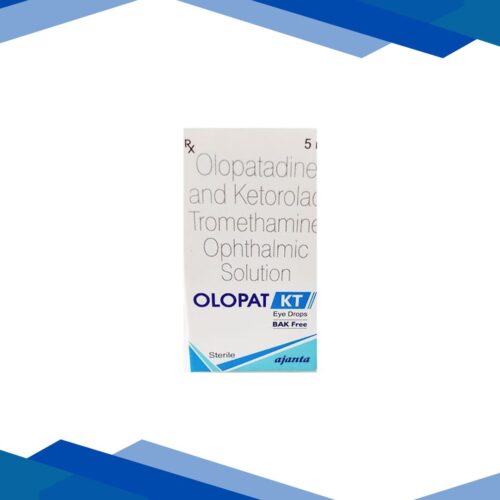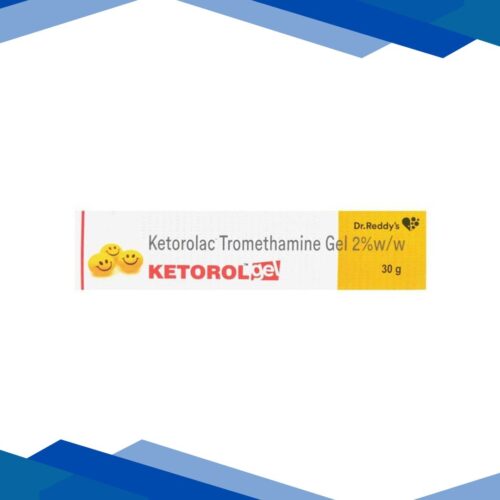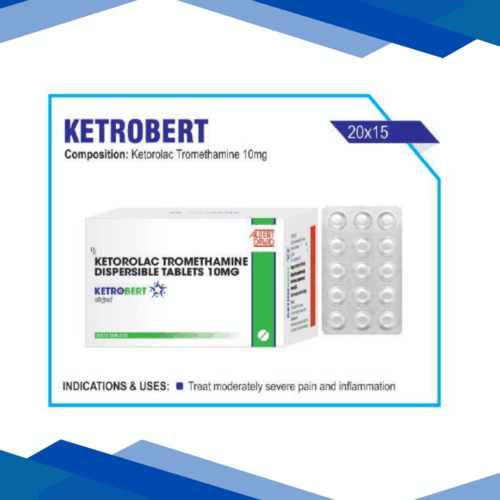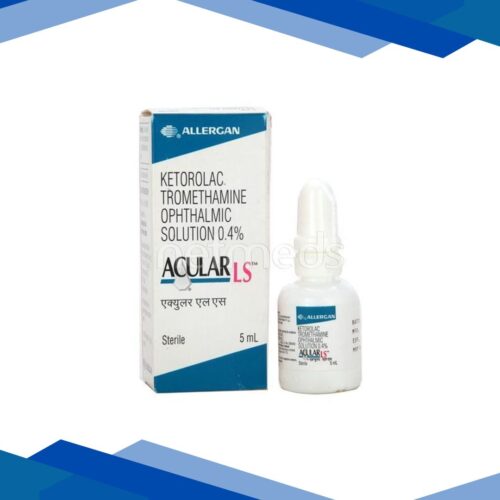
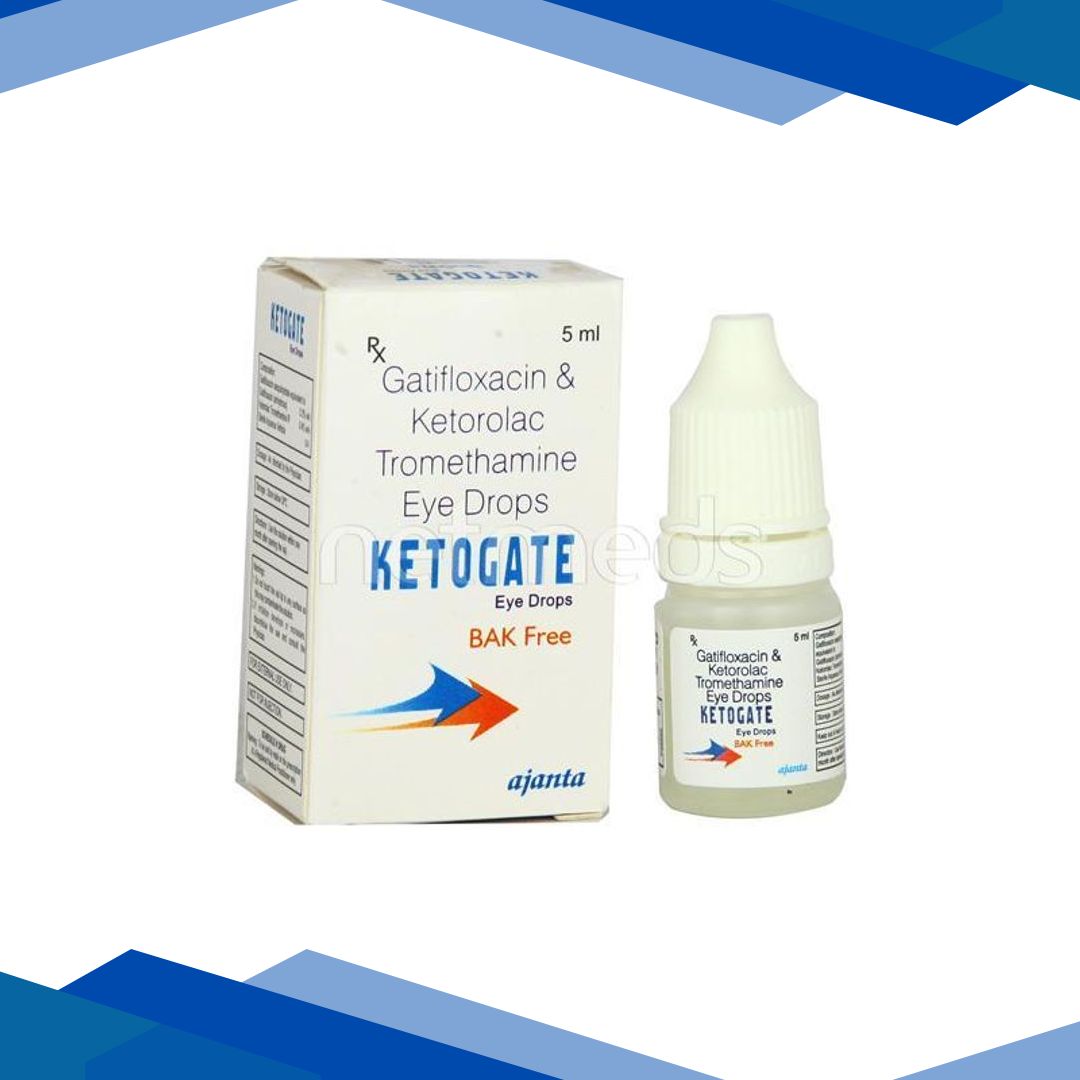
Ketogate Drops 5ml
No Prescription yet? Don’t worry! Click Here to Get Online Consultation
Ketogate Drops is a powerful nonsteroidal anti-inflammatory drug (NSAID) used for the short-term management of moderate to severe pain, particularly after surgery or injury. It works by blocking the production of prostaglandins—chemicals responsible for pain, inflammation, and swelling—thereby providing effective relief without causing sedation or dependence like opioid medications. Due to its strong effect and potential risks, Ketogate Drops is typically prescribed for brief use (usually up to 5 days) under medical supervision.
Description
Ketogate Drops is a potent nonsteroidal anti-inflammatory drug (nsaid) primarily used for the short-term management of moderate to severe pain, especially pain that typically requires opioid-level relief. unlike opioids, Ketogate Drops does not act on the central nervous system to produce sedation or dependency; instead, it works by targeting the underlying biochemical pathways responsible for inflammation and pain. it is commonly prescribed after surgical procedures, dental surgeries, or acute injuries where effective pain control is necessary but opioid use may be undesirable or contraindicated.
the primary mechanism of action of Ketogate Drops involves the inhibition of cyclooxygenase (cox) enzymes, specifically cox-1 and cox-2. these enzymes are crucial in the synthesis of prostaglandins—chemical mediators that promote inflammation, pain, and fever. by blocking prostaglandin production, Ketogate Drops effectively reduces inflammation and alleviates pain at its source. however, because prostaglandins also play protective roles in the stomach lining and kidney function, this inhibition can lead to certain risks, especially with prolonged use.
Ketogate Drops is available in various forms, including oral tablets, injectable solutions, and ophthalmic preparations. it is typically intended for short-term use (usually not exceeding 5 days) due to its higher risk profile compared to other nsaids. it is especially useful in hospital settings for postoperative pain management, where it may reduce the need for opioid analgesics. the medication is suitable for adults and, in some cases, carefully selected pediatric patients under strict medical supervision.
due to its strength and associated risks, Ketogate Drops should always be used under the guidance of a healthcare professional. it is not intended for chronic pain conditions such as arthritis unless specifically advised, and it must be used cautiously in individuals with certain medical conditions. proper understanding of its usage, benefits, and risks is essential for safe and effective treatment.
ingredients
- Ketogate Drops tromethamine: this is the active pharmaceutical ingredient responsible for the drug’s analgesic and anti-inflammatory effects. it works by inhibiting cox enzymes, thereby reducing the production of prostaglandins that cause pain and inflammation. it is highly effective in managing acute pain but requires careful monitoring due to its potential side effects.
- excipients (inactive ingredients): these may include substances such as lactose, magnesium stearate, microcrystalline cellulose, and sodium chloride (in injectable forms). these components help stabilize the formulation, enhance absorption, and maintain the drug’s shelf life without contributing to its therapeutic effect.
key uses
- postoperative pain management: widely used after surgeries to control moderate to severe pain and reduce the need for opioid medications.
- acute musculoskeletal pain: effective in relieving pain from injuries such as sprains, strains, or fractures.
- dental pain: commonly prescribed after dental procedures like tooth extraction to manage intense pain.
- renal colic: helps alleviate severe pain caused by kidney stones by reducing inflammation and spasms.
- migraine attacks (off-label): sometimes used in acute migraine management due to its strong analgesic effect.
- ophthalmic inflammation (eye drops): used to reduce inflammation and pain following eye surgeries.
how to use
Ketogate Drops should be used exactly as prescribed by a healthcare provider. oral tablets are generally taken with a full glass of water and preferably with food to minimize gastrointestinal irritation. injectable forms are administered by healthcare professionals in clinical settings, typically in hospitals. the medication is usually prescribed for short durations, often not exceeding five days, to reduce the risk of serious side effects such as gastrointestinal bleeding or kidney damage.
patients should avoid taking more than the recommended dose or combining it with other nsaids unless directed by a doctor. consistency in timing can help maintain effective pain control, but it is important not to double doses if one is missed. adequate hydration is recommended during treatment, especially for patients at risk of kidney issues. always follow medical advice and consult a healthcare professional if symptoms persist or worsen.
safety information
- warnings: Ketogate Drops carries a significant risk of gastrointestinal bleeding, ulcers, and perforation, which can occur without warning and may be fatal. it also increases the risk of cardiovascular events such as heart attack and stroke, particularly with prolonged use. it should not be used in patients with active peptic ulcer disease or recent gastrointestinal bleeding.
- side effects: common side effects include nausea, vomiting, indigestion, abdominal pain, dizziness, and headache. serious side effects may include gastrointestinal bleeding (black or bloody stools), kidney impairment (reduced urine output), allergic reactions (rash, swelling, difficulty breathing), and increased blood pressure. immediate medical attention is required if severe symptoms occur.
- precautions: patients with a history of stomach ulcers, kidney disease, liver impairment, heart disease, or bleeding disorders should use Ketogate Drops with extreme caution. elderly patients are at higher risk of complications. it should not be used before or after coronary artery bypass graft (cabg) surgery.
- pregnancy/breastfeeding: Ketogate Drops is generally not recommended during pregnancy, especially in the third trimester, as it may harm the fetus and affect labor. it can pass into breast milk, so breastfeeding mothers should consult a doctor before use.
- interactions: Ketogate Drops may interact with other medications such as anticoagulants (e.g., warfarin), other nsaids, corticosteroids, ace inhibitors, diuretics, and certain antidepressants. alcohol consumption should be avoided as it increases the risk of gastrointestinal bleeding.
additional information
- storage: store Ketogate Drops at room temperature, away from direct sunlight, moisture, and heat. keep it out of reach of children and pets.
- missed dose: if a dose is missed, take it as soon as remembered unless it is close to the next scheduled dose. do not double the dose to make up for a missed one.
- overdose: overdose may result in severe symptoms such as extreme drowsiness, stomach pain, vomiting, or gastrointestinal bleeding. in such cases, seek immediate medical attention or contact emergency services.
- habit forming: no, Ketogate Drops is not habit-forming. it does not cause dependency like opioid medications, but misuse or prolonged use can lead to serious health risks.
frequently asked questions
Q: what is Ketogate Drops used for?
A: Ketogate Drops is used for the short-term treatment of moderate to severe pain, particularly after surgery or injury. it is not intended for long-term use.
Q: how long can i safely take Ketogate Drops?
A: Ketogate Drops is typically used for a maximum of 5 days due to the increased risk of serious side effects with prolonged use.
Q: can Ketogate Drops replace opioids for pain relief?
A: yes, in many cases Ketogate Drops can provide strong pain relief comparable to opioids, without the risk of addiction. however, it must be used under medical supervision.
Q: is Ketogate Drops safe for elderly patients?
A: elderly patients are more susceptible to side effects, especially gastrointestinal bleeding and kidney issues, so it should be used with caution.
Q: can i take Ketogate Drops with other painkillers?
A: it should not be combined with other nsaids. always consult a doctor before combining it with any medication.
Q: does Ketogate Drops cause stomach problems?
A: yes, it can cause irritation, ulcers, or bleeding in the stomach, especially with prolonged use or in high-risk individuals.
Q: is Ketogate Drops safe during pregnancy?
A: it is generally not recommended, particularly in the third trimester, as it may harm the baby.
Q: can i drink alcohol while taking Ketogate Drops?
A: no, alcohol should be avoided as it increases the risk of stomach bleeding.
Q: what should i do if i experience side effects?
A: mild side effects should be monitored, but severe symptoms like bleeding or allergic reactions require immediate medical attention.
Q: can Ketogate Drops affect kidney function?
A: yes, especially in patients with pre-existing kidney conditions or dehydration. adequate hydration is important.
Q: is Ketogate Drops addictive?
A: no, it is not addictive, but it should still be used responsibly to avoid complications.
Q: can it be used for chronic pain conditions?
A: no, Ketogate Drops is intended for short-term use and is not suitable for chronic pain management.
Q: does Ketogate Drops reduce inflammation?
A: yes, it reduces inflammation by inhibiting prostaglandin production.
Q: can i stop taking Ketogate Drops suddenly?
A: yes, it does not require tapering, but follow your doctor's instructions.
Q: is a prescription required for Ketogate Drops?
A: yes, it is a prescription medication and should only be used under medical guidance.
this information is for educational purposes only and should not be considered medical advice. always consult a qualified healthcare professional before use.
At Gem Pharmacy, we make every effort to provide accurate, expert-written, and thoroughly reviewed information related to medicines. However, this information should not be considered a substitute for professional medical advice, diagnosis, or treatment from a qualified doctor.
The purpose of this information is to educate users and improve communication between patients and healthcare professionals. It should not be used to diagnose or treat any condition.
Always consult a certified healthcare professional before taking any medication.


Related products