


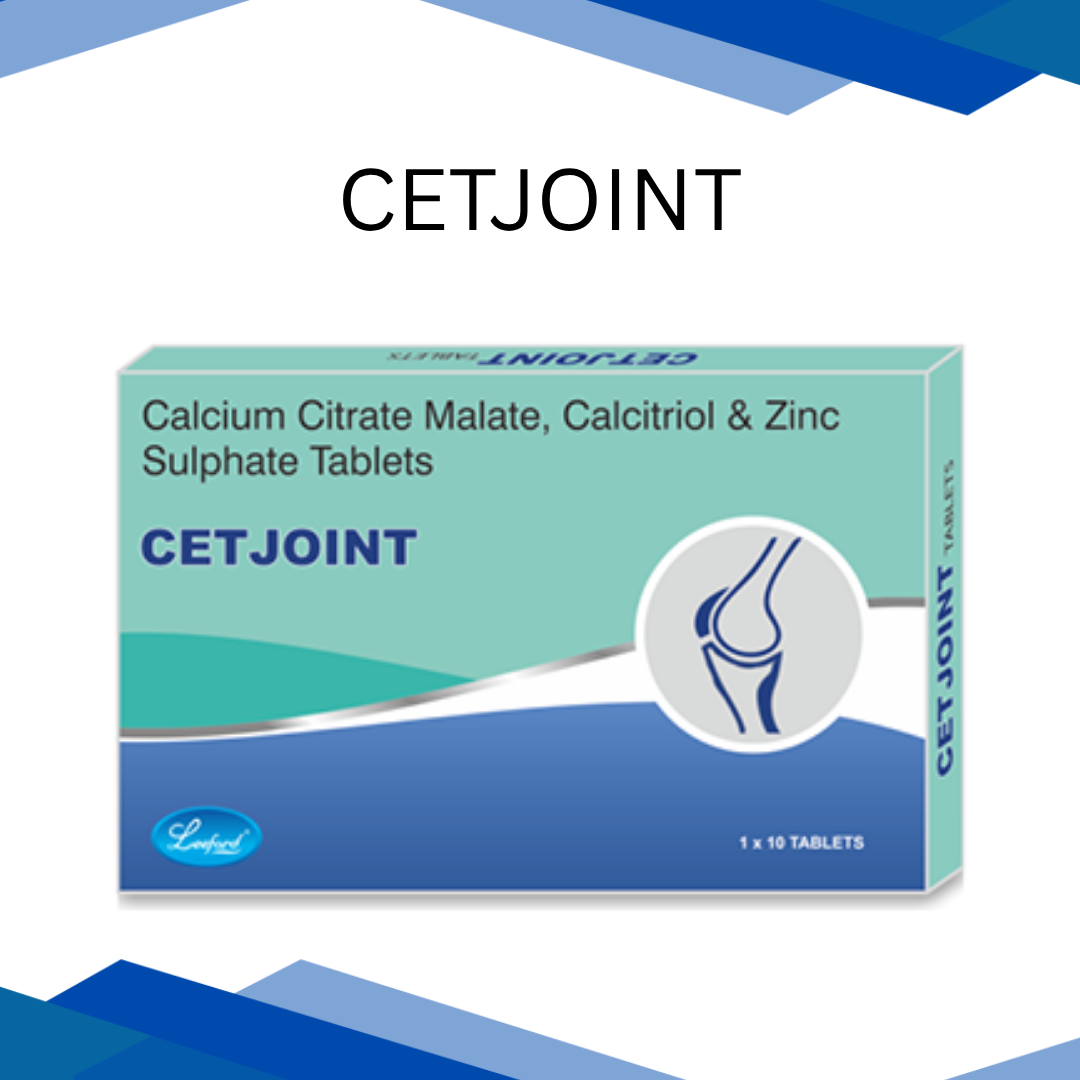
Cetjoint
❌ Due to high demand, this product is currently out of stock. New stock will be available shortly.
👉 Click here to Buy Same Salt medicine
This combination is used to support bone health and treat or prevent calcium and vitamin D deficiencies, especially in conditions like osteoporosis or weak bones.
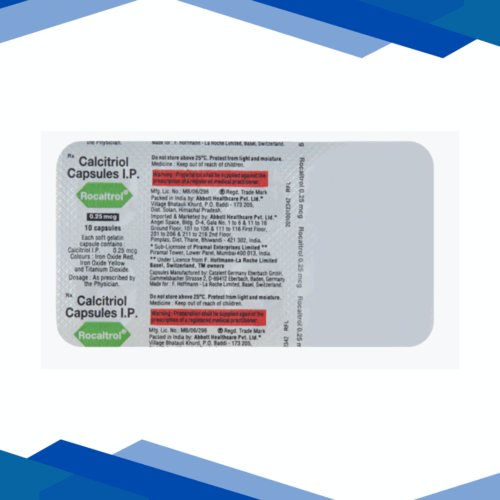
Calcitriol
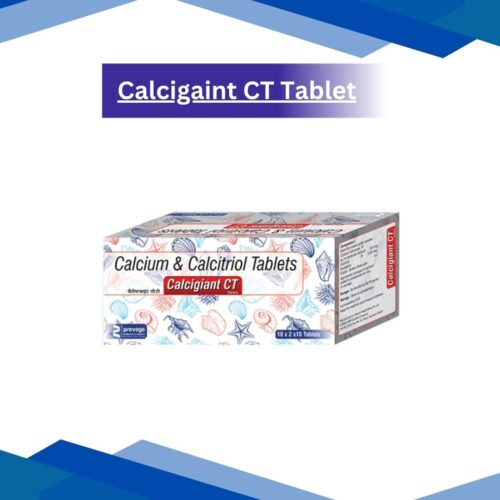
Calcium Citrate Malate
Calcium Citrate Malate: For Better Bone Health and Mineral Supplementation
Are you seriously looking for drug annotation in HTML, any safety studies, or reference guides at the medical stores? Or do you simply need one of the free journal sites at PubMed? Reach out when you are in a bind!
Calcium citrate malate is one highly bioavailable type of calcium, most excellent for generating maximum absorption by the human body. This form of calcium does not depend on stomach acid for its degradation as most traditional calcium could, thus suitably providing a choice for all persons of all ages and whose stomachs may respond sensitively or who may be taking antacids.
Key Therapeutic Benefits
Increased Bone Density: For the support of skeletal system organization and helps avert bone loss in postmenopausal women.
Superior Absorption: Clinical reviews demonstrate that Calcium Citrate Malate shows an absorption rate that is far greater than that of Calcium Carbonate, hence ensuring the delivery of more minerals to your bones.
Minimal Gastrointestinal Risk: The risk of adverse effects, such as bloating, gas, or constipation, is overwhelmingly low when compared to traditional calcium salts.
Pregnancy & Lactation Support: Fulfills the mineral boost essential for proper fetal skeletal development as well as sound health of the mother.
Kidney Friendly: Research suggests that Calcium Citrate Malate may have a lower risk of forming kidney stones than other forms of calcium.
Mechanism of Action of Calcium Citrate Malate
It should first be noted that calcium is the primary part of the structure of bone tissue. Calcium is also needed for muscle contraction, nerve signaling, and blood clotting. The "Citrate Malate" network is especially helpful since it is soluble even in much less acidic environments in the small intestine; this helps carry the calcium ions through the wall of the intestines into the bloodstream. This significantly improves the absorption of calcium into the bones.
Expert Usage/Dosage Tips
Flexibility in Usage: Calcium Citrate Malate can be taken any time of the day with or without a meal, due to its independence on stomach contents for proper absorption.
Regular Usage: To maintain optimal blood calcium level, try to take the supplement at a similar time each day.
Dosage: The effect of calcium absorption is maximized at 500 mg. Calcium intake in excess of 500 mg can be divided into two servings spaced 6–12 hours apart.
Vitamin D Synergy: For proper calcium absorption, it works best to have adequate levels of Vitamin D, which operates by facilitating calcium's active transport into bone tissue via VDR.
Safety and Nutritional Profile
Attribute: Formula — Calcium Citrate Malate (CCM)
Calcium Carbonate Comparison:
- Absorption Rate: Very High (approx. 35–40%) vs Moderate (approx. 25–30%)
- Digestive Comfort: Very easy on the stomach; non-constipating vs may cause bloating and gas
- Requisite to be Taken: Can be taken on an empty stomach vs should be taken with food
- Solubility: Very soluble in water vs insoluble in water
Calcium Citrate Malate: Frequently Asked Questions (Q&A)
Q: What are the merits of CCM over cheap calcium tablets?
A: The bottom line is that CCM works better than the others, meaning the body ends up with more "usable" calcium per tablet by virtue of its higher absorption, apart from being indigestion-safe or "easy" for acid-suppressor high-risk patients.
Q: Is it ideal for persons with a history of kidney stones?
A: It is useful in preventing stone formers, because citrate acts as an inhibitor to the crystal growth in the urine. Ultimately, it is the urologist who must adequately consult before any new mineral supplement.
Q: Are there any interactions with medication?
A: Calcium may interfere with the absorption of certain antibiotics (like the Tetracyclines) or thyroid medication (Levothyroxine). Therefore, these should not be taken at the same time as CCM, or they should be spaced at least 2 to 4 hours apart before or after calcium administration.
Q: What will be the side effects?
A: It is well-tolerated with only a few mild incidences of nausea or a metallic taste for some people. It rarely causes severe constipation, unlike other agents commonly associated with calcium supplementation.
Q: Is it safe for children?
A: CCM is frequently used in pediatric nutrition to support growing bones. The pediatrician must decide dosage with respect to the child's age and dietary intake.
Quick Checklist for Bone Health
Record what you eat.
Celebrate what you do: walking and jogging with weights help maintain muscle support and counter effects of osteopenia or osteoporosis and improve bone strength.
Strict caffeine avoidance: increased amounts of caffeine reduce calcium retention in the body.
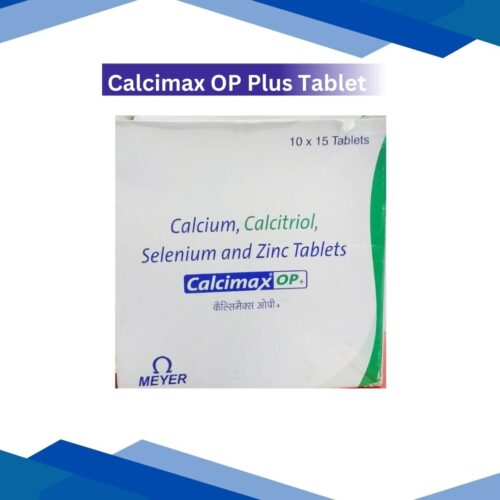
Zinc Sulphate
Zopiclone: Overview and Use
Zopiclone falls into the category of a non-benzenicized hypnotic with an essential role for short-term therapy of intense insomnia. If you find yourself lying awake for hours, waking up frequently, or feeling exhausted the next morning, Zopiclone could assist in establishing good sleep patterns.
Its mode of action is to modulate natural chemicals in the brain to allow the buildup of calming effects, helping increase the speed of sleep onset and prolonging sleep duration.
Significance
- Faster Sleep Onset: Reduces the time it takes to drift off.
- Improved Sleep Quality: Increases the number of hours in uninterrupted sleep.
- Acute Relief: Effective for sudden sleep disturbances due to stress or travel.
How to Take This Medicine
Taking Zopiclone as directed by your doctor ensures the best results.
- When to Take: Take one tablet 30–45 minutes before bedtime.
- The "7-Hour Rule": Only take this medication if you can provide yourself 7–8 hours of sleep. Waking up earlier may cause drowsiness or fogginess.
- With or Without Food: More effective on an empty stomach; high-fat meals slow onset.
- Consistency is Key: Take Zopiclone at the same time each night for steady blood levels.
Safety Precautions & Side Effects
Although Zopiclone is generally well tolerated, the initial days may cause temporary responses as your body adapts to the medication.
Common Side Effects
- Metallic Taste: A bitter or metallic taste is common. Drinking water or using a mild mouthwash may help.
- Daytime Drowsiness: May feel drowsy the next morning.
- Dry Mouth: Keep the oral cavity moisturized throughout the day.
Important Warnings
- Avoid Alcohol: Can cause excessive sedation and breathing difficulties.
- Avoid Driving: Do not drive or operate heavy machinery until you know how the medication affects you.
Frequently Asked Questions (FAQs)
Q1: How long does Zopiclone take to start its work?
Most people feel sleepy within 30–60 minutes. It is advised to go to bed immediately after taking the dose.
Q2: Can I take Zopiclone every night?
No. Normally prescribed for short periods (2–4 weeks). Prolonged use may cause tolerance or dependence.
Q3: What should I do if I miss a dose?
If the missed dose is too near bedtime, skip it. Only take the dose if you still have 7–8 uninterrupted hours of sleep. Never double dose.
Q4: Is Zopiclone safe in pregnancy?
Consult your doctor before taking if you are pregnant, planning to conceive, or breastfeeding. Safety for the child has not been proven.
Q5: Why does my mouth have a bitter taste?
This is a common side effect due to the processing of the medication in the body. It usually resolves after treatment ends.
At Gem Pharmacy, we make every effort to provide accurate, expert-written, and thoroughly reviewed information related to medicines. However, this information should not be considered a substitute for professional medical advice, diagnosis, or treatment from a qualified doctor.
The purpose of this information is to educate users and improve communication between patients and healthcare professionals. It should not be used to diagnose or treat any condition.
Always consult a certified healthcare professional before taking any medication.


Related products