
Showing all 3 resultsSorted by popularity
Filter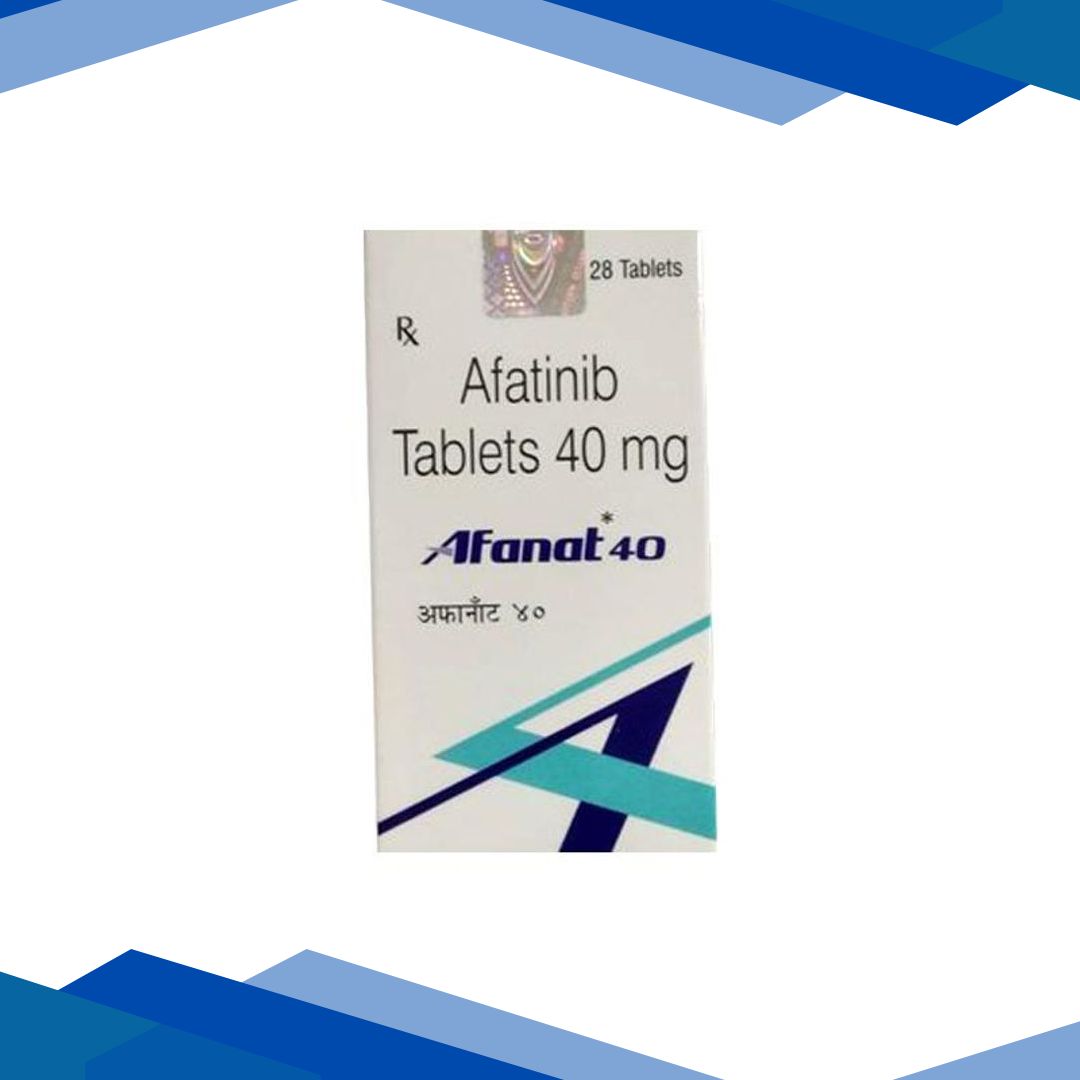
AFANAT 40 Tablet 28’s
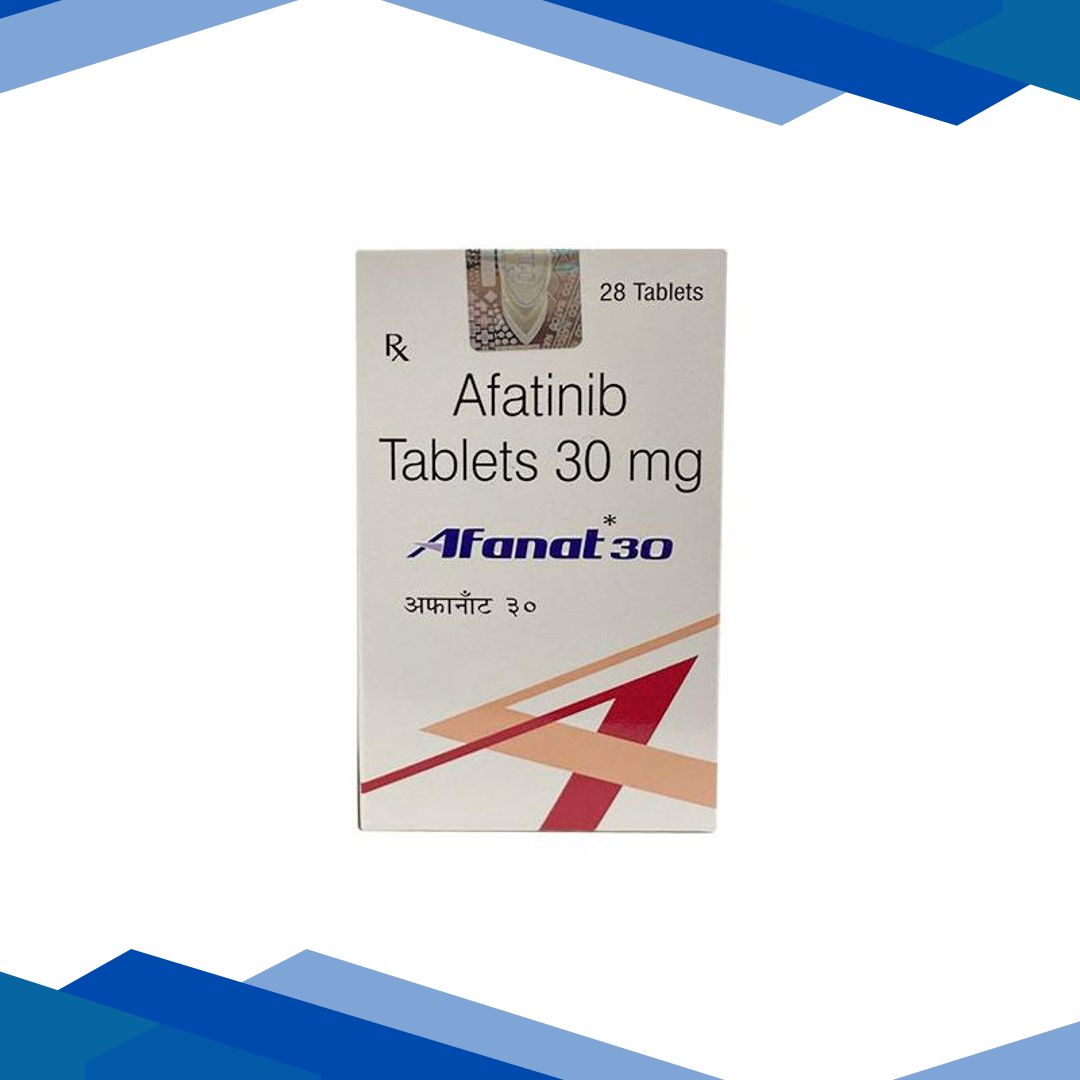
AFANAT 30 Tablet 28’s
AFANAT 20 Tablet 28’s
Afatinib Tablets (20 mg / 30 mg / 40 mg)
Afatinib is an advanced second-generation tyrosine kinase inhibitor (TKI) and it’s used as an antineoplastic, target-based treatment. It is mainly given as a first-line option for people with metastatic Non-Small Cell Lung Cancer (NSCLC) when the tumors have certain activating Epidermal Growth Factor Receptor (EGFR) genetic changes, for example exon 19 deletions or exon 21 L858R substitutions. In contrast to reversible first-generation therapies, Afatinib makes a steady, permanent block on target cellular receptors, which helps slow down the growth and spread of malignant cells.
Therapeutic Class: Onco-therapeutics / Antineoplastics
Pharmacological Class: Irreversible ErbB Family Blocker (EGFR TKI)
Available Strengths: 20 mg, 30 mg, and 40 mg Film-Coated Tablets
Prescription Mandate: Strictly Schedule H / Onco-Rx Required
Primary Clinical Uses & Benefits
1. Advanced EGFR-Positive Lung Cancer Management
Afatinib works as a single-agent, front-line choice to pause the progression of locally advanced or metastatic lung cancers that show specific genetic alterations, which may help extend active survival time.
2. Squamous Non-Small Cell Lung Cancer
It also serves as a meaningful later option for patients with advanced squamous cell NSCLC when the condition keeps moving forward during or after standard platinum-based chemotherapy.
3. Irreversible Receptor Binding
Because it binds covalently, meaning irreversibly, to the ErbB receptor family system (EGFR, HER2, and HER4), it can provide a longer-lasting blockade. This may delay, or sometimes help work around, resistance patterns often seen with older reversible inhibitors.
Mechanism of Action: How it Works
In certain lung cancer profiles, mutated EGFR receptors remain “stuck” in an active state, leading tumor cells to divide and multiply quickly. Afatinib acts by attaching itself selectively, and irreversibly, to the intracellular tyrosine kinase parts of the ErbB receptor family. Once the bond forms, downstream signaling is interrupted, the signals that tell cancer cells to grow are blocked, and this promotes apoptosis (planned cell death). Over time, existing tumors may reduce in size.
Administration Guidelines & Daily Dosage
Standard Starting Dose: Most adults are started at 40 mg by mouth once daily. Your oncologist can adjust your daily plan down to 30 mg or 20 mg if you develop particular toxicities.
Strict Empty Stomach Rule: Take the tablet on an empty stomach. Allow at least 3 hours after eating before taking it, and avoid eating for at least 1 hour after your dose. Food can interfere with absorption so keep this timing.
Handling & Swallowing: Swallow the tablet whole with water. Do not crush, split, or chew it.
Missed Dose Protocol: If you miss a dose, take it when you remember. If your next scheduled dose is less than 12 hours away, skip the missed dose. Do not take two tablets at once to “catch up” during one day or cycle.
Adverse Effects & Clinical Management
Afatinib targets growth factor receptors that are also present in normal skin and mucosal surfaces, so side effects are common and should be monitored carefully.
Very Common Adverse Reactions:
- Severe Diarrhea: Often starts in the first two weeks, and proactive steps are needed to reduce the risk of serious fluid loss.
- Acneiform Dermatitis: Acne-like rash, dry skin, strong itching, or redness involving the face, neck, and chest.
- Paronychia: Painful inflammation and redness, or secondary infections around the fingernail or toenail regions.
- Stomatitis: Painful mouth sores, gum inflammation, or ulcers on the inner cheeks.
Serious Complications (Contact your Medical Team Immediately):
- Pulmonary Toxicity (ILD): New or suddenly worse shortness of breath, a persistent dry cough, or unexplained fever, which can be signs of interstitial lung disease.
- Hepatic Impairment: Yellow eyes/skin (jaundice), dark tea-colored urine, or pain in the upper right abdomen.
- Ocular Disorders: Sudden eye pain, intense light sensitivity, excessive tearing, or blurred vision.
Safety Diagnostics & Contraindications
| Risk Parameter | Clinical Advisory Status | Medical Directives & Clinical Rationale |
|---|---|---|
| Pregnancy | ❌ Absolutely Unsafe | Highly fetotoxic. It can lead to serious fetal harm or embryonal loss. Women should use extremely reliable contraception during treatment and for 2 weeks after stopping. |
| Lactation | ❌ Contraindicated | It is not known whether Afatinib enters human breast milk. Breastfeeding must be paused during treatment and for at least 2 weeks after the final dose. |
| Sun Exposure | ⚠️ High Caution | Afatinib increases skin sensitivity to UV light. Use SPF 30+ sunscreen daily, wear wide-brimmed hats, and avoid direct midday sun to help control rash severity. |
| Contact Lenses | ⚠️ Caution | Contact lens use with Afatinib can increase risk of keratitis (corneal inflammation). Switching to glasses is often recommended. |
Frequently Asked Questions (FAQs)
Q. What is the most critical precaution I need to take when starting Afatinib?
Managing diarrhea. Nearly everyone has at least some loose stools within the first 14 days. Your oncologist may suggest keeping an over-the-counter anti-diarrheal agent (like loperamide) available. When loose stool begins, start the anti-diarrheal plan promptly, and raise water and clear-fluid intake to prevent dehydration.
Q. My skin has broken out into a severe rash. Should I use standard over-the-counter acne washes?
No. Even if the rash looks similar to acne, the cause is different. Typical acne products often dry the skin too much and can worsen irritation. Use thick emollient creams that are alcohol-free and fragrance-free instead. If the rash turns painful, blistered, or crusty, tell your oncology team immediately so they can recommend a tailored topical steroid or an oral antibiotic.
Q. How long do I need to remain on Afatinib therapy?
Your doctor usually continues the daily Afatinib schedule as long as the disease stays stable, the tumors respond well, and you are not dealing with severe, intolerable toxicity that cannot be managed through dose reduction.
Q. Can I take standard antacids or PPIs if I get heartburn while taking Afatinib?
Ask your doctor first before using stomach acid reducers. Medications that change stomach acidity, like omeprazole, pantoprazole, or ranitidine, may alter how Afatinib dissolves in the digestive tract and could reduce effectiveness against cancer cells. Your care team can suggest safer alternatives or help you separate the timing between medicines.