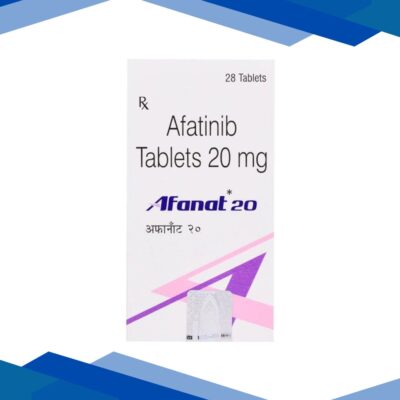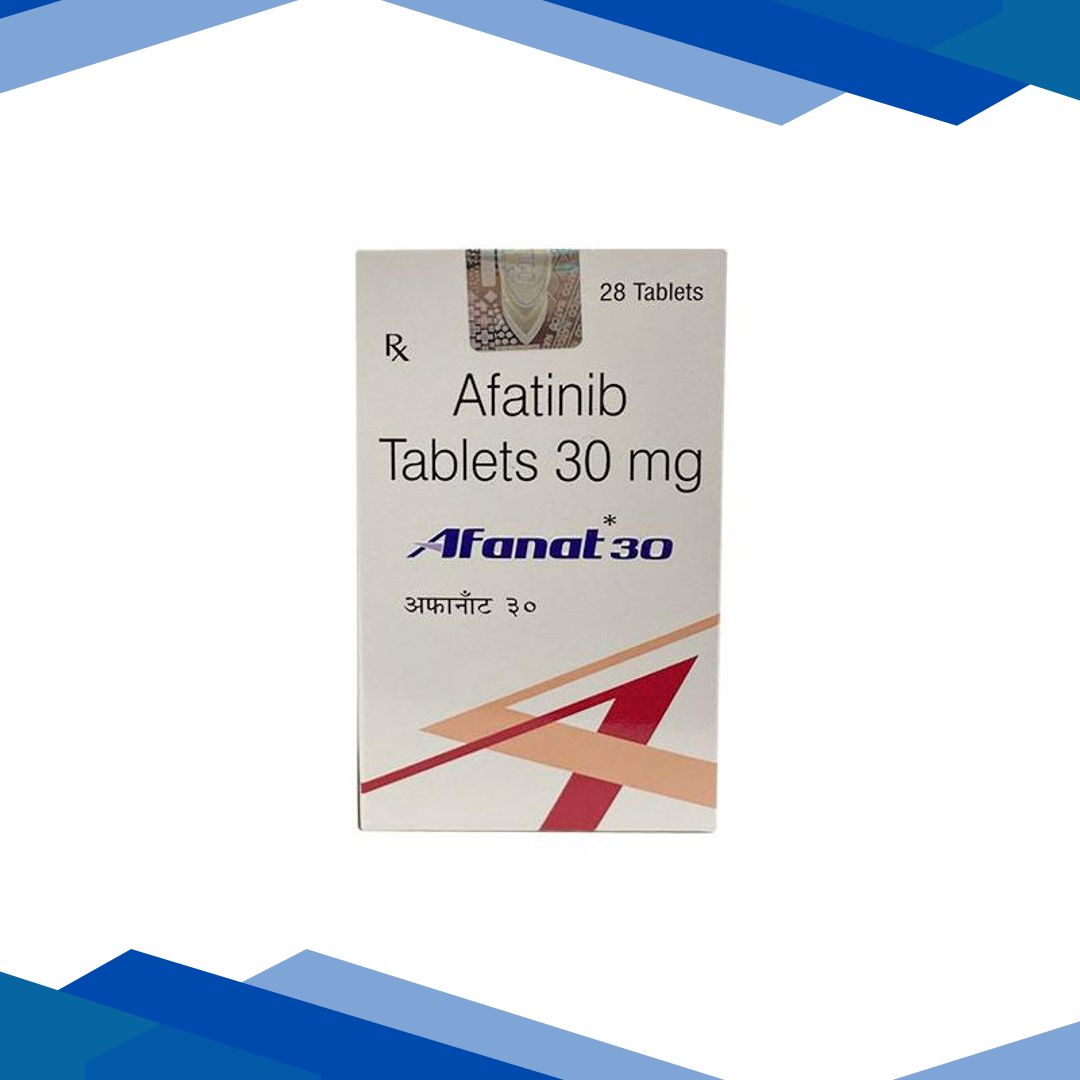
AFANAT 30 Tablet 28’s
AFANAT 30 Tablet is a prescription anticancer medicine used to treat certain types of non-small cell lung cancer, especially when the cancer has specific genetic changes. It belongs to a group of medicines that block signals cancer cells need to grow and multiply. By interfering with these growth pathways, AFANAT 30 Tablet can help slow the spread of cancer and may shrink tumors in some patients. It is not a cure for cancer, but it can be an important part of treatment under the care of an oncologist. AFANAT 30 Tablet is used only for selected patients based on medical testing, and treatment is usually monitored closely to check how well it is working and to manage side effects.
Description
AFANAT 30 Tablet is a prescription anticancer medicine used in the treatment of certain types of non-small cell lung cancer. it belongs to a group of medicines called tyrosine kinase inhibitors, which work by blocking specific signals that cancer cells need in order to grow, multiply, and spread. in cancers driven by abnormal activity of the epidermal growth factor receptor (egfr), AFANAT 30 Tablet can help slow disease progression and may improve symptoms related to tumor growth. because it targets specific cancer pathways, it is considered a ?argeted therapy?rather than a traditional chemotherapy drug.
this medicine is mainly used in patients whose cancer has been found to have specific egfr abnormalities or in certain situations where a healthcare professional considers it appropriate based on the patient? condition and testing results. it is not a cure for cancer, but it can be an important part of treatment by helping control tumor growth and possibly delaying worsening of the disease. the exact benefit depends on the type of cancer, genetic testing results, previous treatments, overall health, and how the patient responds over time.
AFANAT 30 Tablet works by irreversibly blocking several members of the erbb family of receptors, including egfr (also called erbb1), her2 (erbb2), and other related receptors. these receptors are involved in cell growth and survival. when they are overactive or mutated, they can drive cancer development. by shutting down these signals, AFANAT 30 Tablet interferes with the cancer cell? ability to survive and divide. this mechanism also explains why it may cause side effects in normal tissues that depend on egfr signaling, such as the skin, gut, and lungs.
because AFANAT 30 Tablet can have serious effects and requires careful monitoring, it should only be taken under the supervision of an oncologist or other qualified healthcare professional. treatment decisions are usually based on molecular testing, cancer stage, prior therapies, and the patient? tolerance to therapy. patients should be closely observed for side effects, treatment response, and any signs that the medicine is affecting the lungs, liver, skin, or hydration status.
ingredients
- AFANAT 30 Tablet: this is the active ingredient responsible for the anticancer effect. it blocks key growth signals in cancer cells, especially in tumors driven by egfr-related pathways, helping to slow cancer progression and reduce abnormal cell survival.
- tablet/capsule excipients: in addition to the active medicine, the formulation may contain inactive ingredients that help shape, stabilize, and preserve the product. these may include fillers, binders, disintegrants, and coating materials that support proper absorption and shelf life. exact excipients can vary by manufacturer.
- coating agents: if the product is film-coated, the coating helps make the tablet easier to swallow and may protect the medicine from moisture or light. it does not usually contribute to the therapeutic effect but improves product performance and handling.
key uses
- non-small cell lung cancer with egfr mutations: AFANAT 30 Tablet is used in certain patients with egfr mutation-positive nsclc, where the cancer depends on abnormal egfr signaling. it may help control tumor growth and delay progression when used as directed by an oncologist.
- advanced or metastatic lung cancer: in selected cases, it may be used when the cancer has spread beyond the lung or when surgery is not appropriate. the goal is to slow disease progression and improve disease control, not to provide immediate cure.
- other egfr-driven situations as determined by specialists: occasionally, specialists may consider it in carefully selected circumstances based on molecular findings and individual treatment goals. such use should always be guided by evidence and specialist judgment.
how to use
AFANAT 30 Tablet should be taken exactly as prescribed by the healthcare professional. it is usually taken once daily, at the same time each day, to maintain steady levels in the body. it should generally be swallowed with water and taken on an empty stomach if instructed by the prescriber, since food may affect absorption. the tablet should not be crushed, chewed, or split unless a healthcare professional specifically advises otherwise. if the patient has difficulty swallowing, they should ask the pharmacist or doctor about the safest method for administration.
consistency is important with this medicine. taking it at the same time each day may help reduce missed doses and improve adherence. if the patient experiences side effects such as diarrhea, rash, or mouth irritation, they should not stop the medicine on their own without discussing it with the oncology team, because the dose may need adjustment or supportive care may be recommended. regular monitoring, including clinical reviews and sometimes blood tests, is often needed to watch for side effects and assess whether the treatment is working.
patients should avoid changing the dose, skipping doses, or taking extra tablets to make up for missed doses unless instructed by a healthcare professional. because AFANAT 30 Tablet can interact with other medicines, including those that affect stomach acidity or liver enzymes, patients should provide a full list of prescription medicines, over-the-counter products, vitamins, and herbal supplements to their doctor or pharmacist before starting therapy.
safety information
- warnings: AFANAT 30 Tablet can cause serious and sometimes life-threatening side effects. important risks include severe diarrhea, dehydration, skin reactions, liver problems, eye irritation, and lung inflammation known as interstitial lung disease. any sudden shortness of breath, persistent cough, fever, severe diarrhea, signs of dehydration, or yellowing of the skin/eyes should be reported immediately. women who are pregnant should not use this medicine unless a specialist determines that the benefit outweighs the risk, because it may harm an unborn baby.
- side effects: common side effects may include diarrhea, rash, acne-like skin eruption, dry skin, mouth sores, nausea, vomiting, decreased appetite, fatigue, and nail changes. more serious side effects can include severe dehydration, liver enzyme elevations, lung inflammation, severe skin reactions, severe allergic reactions, and vision changes. some patients may also experience weight loss due to reduced appetite or prolonged diarrhea.
- precautions: patients with liver disease, kidney disease, lung disorders, dehydration risk, or a history of severe skin reactions need extra caution. AFANAT 30 Tablet may not be appropriate for everyone, especially those with serious baseline lung problems or those unable to tolerate diarrhea-related fluid loss. elderly patients and those with low body weight may need closer monitoring. any prior history of eye disease, ulceration, or corneal problems should also be discussed before starting therapy.
- pregnancy/breastfeeding: AFANAT 30 Tablet is generally not recommended during pregnancy because it may cause harm to the fetus. effective contraception is usually advised during treatment and for a period after the last dose, according to the prescribing clinician? guidance. breastfeeding is typically not recommended during treatment, as it is unknown whether the medicine passes into breast milk and whether it could harm the infant. patients should consult their oncologist before planning pregnancy or breastfeeding.
- interactions: AFANAT 30 Tablet may interact with medicines that alter stomach acid, certain transport proteins, or liver metabolism. some acid-reducing agents may decrease its absorption and reduce effectiveness. anticonvulsants, rifampicin-type medicines, certain antibiotics, and herbal products such as st. john? wort may also affect levels of cancer medicines and should be reviewed carefully. alcohol may worsen dehydration, gastrointestinal upset, or liver stress, so it should be used cautiously or avoided depending on the patient? condition and clinician advice.
additional information
- storage: store AFANAT 30 Tablet at room temperature in a dry place away from excessive heat, moisture, and direct sunlight. keep it in the original container if possible and out of reach of children and pets. do not store it in the bathroom unless the manufacturer specifically allows it.
- missed dose: if a dose is missed, the patient should follow the instructions provided by the prescriber or pharmacist. in general, the missed dose should not be doubled to make up for the missed one. if it is close to the time for the next dose, the missed dose is usually skipped. because guidance may vary, patients should confirm the exact plan with their oncology team.
- overdose: taking too much AFANAT 30 Tablet may increase the risk of severe diarrhea, vomiting, dehydration, skin reactions, and other toxicity. if an overdose is suspected, medical help should be sought immediately or poison control contacted right away. the patient should not wait for symptoms to become severe, because early treatment may help reduce complications.
- habit forming: no. AFANAT 30 Tablet is not considered habit-forming or addictive. it does not cause dependence in the way some sedative or pain medicines can. however, it must still be taken consistently as directed to ensure the best possible cancer control.
frequently asked questions
Q: what is AFANAT 30 Tablet used for?
A: AFANAT 30 Tablet is used for certain types of non-small cell lung cancer, especially when specific egfr mutations are present. it helps slow the growth and spread of cancer cells under specialist supervision.
Q: how does AFANAT 30 Tablet work?
A: AFANAT 30 Tablet blocks egfr and related receptors that cancer cells use to grow and survive. by blocking these signals, it can reduce cancer cell activity and slow progression.
Q: can AFANAT 30 Tablet cure cancer?
A: no medicine can guarantee a cure, and AFANAT 30 Tablet is not considered a cure. it is used to help control cancer, reduce progression, and improve disease management in appropriate patients.
Q: what are the most common side effects of AFANAT 30 Tablet?
A: common side effects include diarrhea, skin rash, dry skin, mouth sores, nausea, decreased appetite, and fatigue. some side effects can become serious and require medical attention.
Q: what should i do if i get diarrhea while taking AFANAT 30 Tablet?
A: diarrhea is a common side effect and can become serious quickly. drink fluids if advised, monitor symptoms closely, and contact your healthcare provider promptly for guidance, especially if it is severe or persistent.
Q: should AFANAT 30 Tablet be taken with food?
A: AFANAT 30 Tablet is often taken on an empty stomach or as directed by the prescriber, because food may affect absorption. always follow the specific instructions given with your prescription.
Q: can i stop AFANAT 30 Tablet if i feel better?
A: you should not stop AFANAT 30 Tablet on your own, even if you feel better, unless your oncologist tells you to. stopping early may allow the cancer to progress again.
Q: is AFANAT 30 Tablet safe during pregnancy?
A: AFANAT 30 Tablet is generally not recommended during pregnancy because it may harm the developing baby. patients who are pregnant, planning pregnancy, or may become pregnant should speak with their doctor immediately.
Q: can AFANAT 30 Tablet affect the lungs?
A: yes. although uncommon, AFANAT 30 Tablet can cause serious lung inflammation known as interstitial lung disease. new or worsening shortness of breath, cough, or fever should be evaluated urgently.
Q: does AFANAT 30 Tablet interact with other medicines?
A: yes, AFANAT 30 Tablet can interact with some stomach acid reducers, antibiotics, anticonvulsants, herbal products, and other medicines. always tell your doctor or pharmacist about every medicine and supplement you use.
Q: can i drink alcohol while taking AFANAT 30 Tablet?
A: alcohol may worsen dehydration, stomach upset, or liver-related concerns, which can be important during AFANAT 30 Tablet treatment. ask your healthcare provider whether alcohol is appropriate for your individual situation.
Q: how long is AFANAT 30 Tablet treatment continued?
A: treatment duration depends on how well the cancer responds and how well the medicine is tolerated. it is usually continued until the disease progresses or side effects become unacceptable, based on the oncologist? decision.
this information is for educational purposes only and should not be considered medical advice. always consult a qualified healthcare professional before use.
At Gem Pharmacy, we make every effort to provide accurate, expert-written, and thoroughly reviewed information related to medicines. However, this information should not be considered a substitute for professional medical advice, diagnosis, or treatment from a qualified doctor.
The purpose of this information is to educate users and improve communication between patients and healthcare professionals. It should not be used to diagnose or treat any condition.
Always consult a certified healthcare professional before taking any medication.


Related products
AFANAT 40 Tablet 28’s